
[ Random notes made in the wake of the conviction of Dr. Baba Ram Rahim Singh Ji Insaan of Dera Saccha Sauda for the offense of rape in Panchkula, Haryana, with some attention paid to the testimonials of his close friends. ] Continue reading The True Bargain : How Dr. Ram Rahim Singh Insaan Defined His Time
Category Archives: Culture
The Heavy Footsteps of Brahmanical Dandaneethi : The Hadiya Case
It appears that for women in India, the modern judiciary is fading and in its place, the terrifying face of Brahmanical Dandaneethi is emerging. A ten year old rape victim is denied abortion, women fleeing dowry harassment are to submit to the rule of local elders and leaders of ‘family welfare committees’, and now, in the Hadiya case, the judges declared that unmarried daughters should be under their parents according to ‘Indian tradition’.
Read more: https://thewire.in/169543/hadiya-islam-conversion-supreme-court/
Academic Community stands firmly with JNUSU President; 100+ academicians, activists, writers issue statement of solidarity
Guest Post by Shehla Rashid on behalf of the signatories
We, the undersigned, are deeply shocked by the shameful attempts by JNU Administration to crush dissent in the University through imposition of arbitrary fines on student activists, denial of registration to students engaged in protests against the administration, including the elected President of the Students’ Union, Mohit Pandey. We stand in solidarity with the JNUSU President who has decided not to pay the arbitrarily imposed fine of 20,000. Many more Students’ Representatives and activists of JNU campus are facing 5-6 inquiries and false FIRs for raising students’ issues.
It is also shocking that a duly elected representatives of the students is being fined such massive amounts for merely raising students’ issues. Several other students have paid the fines, in order to be allowed to register, being forced to succumb under the threat of having their registration held up. Several students with pending inquires are not getting their degree- mark sheets and unable to continue their studies further. This amounts to imposition of a tax/fee on dissent, thereby creating a chilling effect on freedom of expression in the University. This is unacceptable in a University where knowledge creation is contingent upon freedom of ideas.
We call upon the JNU administration to display maturity and stop penalising alternative viewpoints. The current fine of Rs. 20,000 that the JNUSU President is being asked to pay for restoration of his studentship pertains to an instance of anti-administration protests led by the students’ union against the complicity of the JNU Administration in the disappearance of an M.Sc. Biotechnology student named Najeeb Ahmed following a mob assault on him by members of a students’ group affiliated to the ruling party – who were indicted for the assault by a report of the Proctor’s Office, but shielded by the higher ups in the administration, leading the then Proctor to resign from office.
So, the students guilty of leading the lynch mob against Najeeb Ahmed were given no punishment at all, whereas students protesting against his disappearance – who were demanding that the JNU Administration should file a police complaint in the matter – were fined Rs. 20,000 each! Ever since the JNU VC has been appointed by the present government, students not belonging to the ruling party student group have been systematically targeted and penalised for speaking out. There is no record of similar fines upon right-wing groups which routinely engage in vandalism on campus. This clearly amounts to blatant viewpoint discrimination and also serves as a green signal to lynch mobs on campus.
The JNU Administration is using an archaic statute in the book to ban protests at the Administration Block. However, JNU has always had a healthy culture of dissent and protest. Protests against the administration have always been held outside the administration block itself. That the protests disturb the working of the administration is the most dubious pretext for crushing dissent, as there have been historic student movements on JNU campus which have only made the University stronger, its academic traditions more robust and its intellectual environment more egalitarian.
We, therefore, demand that
1) the JNU administration must end its petty tactics of penalising dissent;
2) JNUSU President, Mohit Pandey, must be allowed to register for the next academic semester, unconditionally;
3) all fines against students being imposed for the mere act of protest must be revoked unconditionally;
4) JNU Administration must stop trying to deprive students of the right to protest at the Administration Block, and engage, instead in dialogue with the elected students’ body without bias against the ideology held by the student union representatives;
5) JNU Administration must punish the students who assaulted Najeeb Ahmed, resulting in his disappearance.
Sd/-
Prof. Anand Teltumbde, Senior Professor, Goa Institute of Management
Prof. Anil Sadgopal, Former Dean, Faculty of Education, University of Delhi; Member, Presidium, All India Forum for Right to Education
Dr. Rohan D’Souza, Associate Professor, Kyoto University, Japan
Prof. Chaman Lal, Retired Professor, JNU; Former President, JNUTA
Prof. Nivedita Menon, Professor, Centre for Comparative Politics and Political Theory, School of International Studies, JNU, New Delhi
Jairus Banaji, Research Professor, SOAS, University of London
Prof. Laxman Gaddam, Professor of Commerce, Osmania University
Anwesha Sengupta, Assistant Professor, Institute of Development Studies, Kolkata
Arvind, Professor, IISER Mohali
Rana Partap Behal, Associate Professor (Retd.), Deshbandhu College, University of Delhi. Association of Indian Labour Historians.
Madhu Kushwaha, Professor, BHU
Brinda Bose, Associate Professor, JNU
Debaditya Bhattacharya, Assistant Professor, Nivedita College, University of Calcutta
Dr. Rohini Hensman, Writer and Independent Scholar
Anand Mathew, Director, Prerana Kala Manch, Varanasi
Mary E John, Researcher, Centre for Women’s Development Studies
Padma Velaskar, Professor (Retd.), Tata Institute of Social Sciences
Ravi Kumar, Associate Professor, South Asian University
Ritajyoti Bandyopadhyay, Assistant Professor, IISER Mohali
R. Nandakumar, Art Historian, IGNCA
Madhu Prasad, Associate Professor (Retd.), Zakir Hussain College, DU
K. Laxminarayana, Professor, Hyderabad Central University
Jean Chapman, Adjunct Professor, Concordia University, Montreal, Quebec, Canada
T K Arun, Editor, Opinion, The Economic Times
John Cherian, Journalist, Frontline
Teesta Setalvad, Journalist, Activist, Educationist; Citizens for Peace and Justice; Sabrang India
Ravindra Tomar, Senior Researcher, Parliament of Australia
Manorama Sharma, Retired Professor, NEHU
Dr. Sushmita Sengupta, Associate Professor, NEHU
Prof. K. Chakradhar Rao, Member, Presidium, All India Forum for Right To Education
Perumal Vijayan, Research Associate, University of Saskatchew
Sangeeta Chatterji, Doctoral Candidate, Rutgers, The State University of New Jersey
Mohd Mushtaq, Assistant Professor, Govt. Degree College, Baramulla, J&K
Hiren Gohain, Retired University Teacher
Nandini Rao, Social Activist, JNU Alumnus
Devyani Borkataki, Activist, Northeast Network
Kiran Shaheen, Director, Media Action Group
Wilfred Dcosta, Convenor, Indian Social Action Forum (INSAF)
Firoz Ahmed, Teacher, Lok Shikshak Manch
Manoj Chahal, Research Scholar, University of Delhi
Manuj Mukherjee, Ph.D. Scholar, Indian Institute of Science
Sanjay Palshikar, Professor, University of Hyderabad
Dr Navneet Sharma, Assistant Professor, Central University of Himachal Pradesh
Bhangya Bhukya, Associate Professor, University of Hyderabad
Abani K Bhuyan, Professor, University of Hyderabad; President of the University of Hyderabad Teachers’ Association
Dr. G. Vijay, Assistant Professor, University of Hyderabad
Sohail Hashmi, Freelance Writer, Filmmaker, JNU Alumnus
Nikhil Kumar, Policy Analyst
Roger Alexander, Independent Journalist, Pink City Press Club
Saeed Haider, Associate Editor, Saudi Gazette
Rajesh, Activist, Lok Shikshak Manch
N.D. Jayaprakash, JNU Alumnus
Anjal Lele, Travel Consultant; former JNU Student
Dr. Vikas Bajpai, Assistant Professor, Centre for Social Medicine and Community Health, Jawaharlal Nehru University
Indira C, Public Health Researcher; Consultant
Rashmi Kumari, Ph. D., Jawaharlal Nehru Univerity
Dr. C. Sadasiva, Associate Professor, Deptt. of Botany, Dyal Singh College, University of Delhi
Sajid, National Vice-President, Campus Front of India; Ph.D. Scholar, JNU
Shehla Rashid Shora, Research Scholar, JNU
Mohit P Gandhi, Ph.D. Scholar, CSMCH, JNU
Vasanthi Gupta, Academician; JNU Alumnus
Apurba K. Baruah, Retired Professor, North Eastern Hill University, Shillong
K. Laxminarayana, Professor, University of Hyderabad
Dayaram Yadav, Former General Secretary
Dr. M. Gangadhar, Chief Editor, Adhyapaka Jwala; Democratic Teachers’ Federation, Telangana
Avinash Chandra Jha, former Associate Professor; former JNU student
Mohan Rao, Professor, JNU
Shashwati Goswami, Research Scholar, CSMCH, JNU
Joby Joseph, Associate Professor, University of Hyderabad
Sumegha, student, JNU
Caroline C. Netto, Ph.D. Scholar, JNU
Ramesh Patnaik, Former General Secretary, JNUSU
Sri Raghunath Joshi, Professor (Retd.)
Thokchom Surjit Singh, Social Activist; All India forum for Right to Education
Ratan Kumar, Ph.D. Scholar, Centre for Historical Studies, JNU
Susmit Isfaq, Student, NLU Assam; Students’ Federation of India
Roobala, Ressearch Scholar, Indian Institute of Science
Himangshu Baruah, student
D N Reddy, Professor of Economics (Retd.), University of Hyderabad
Akshay Pathak, General Secretary, AIRSO
K Venugopal, Chief Editor, Upadhyaya Dharshini
B Sudha, Retird Teacher, TPTF
M. Raghushankerreddy, State President, Democratic Teachers’ Federation; All India Forum for Right to Education
Aviroop Sengupta, Ph.D. Scholar, Centre for Historical Studies, JNU
M. Balakumar, Headmaster; DTF
Arunank, State General Secretary, Democratic Students’ Union, Telangana
V. Raji Reddy, HM, Democratic Teachers’ Federation
Manjari Gupta, Post Doctoral Fellow, HRI
M. Somaiah, Teacher; State Vice-President, DTF
Vijay Kumar, Central Committee Member, CPI(ML) Red Star
Somasekharasarma, Retd. English Lecturer; AIFRTE
Kalyani Menon Sen, JNU Alumnus, (1977 batch)
T. Sobha Rani, Associate Professor, University of Hyderabad
Shephali Frost, Writer, Poet, Musician
Srinivas Reddy A., Teacher, Democratic Teachers’ Federation
Bittu Karthik, Associate Professor, Ashoka University
Shuddhabrata Sengupta, Artist / Writer, Raqs Media Collective, Delhi
Madhu, State Secretary, Democratic Teachers’ Federation
Suraj Beri, Doctoral Candidate, Centre for the Study of Social Systems, JNU
Vijay Shankwe Choudhary, Producer/Director Films and Television, former JNU Student (1972-81 batch)
Shilpa Shital, Research Scholar, IIT Delhi
Partho Sarothi Ray, Assistant Professor, IISER Kolkata
Nupur, Research Scholar, JNU
Susie Tharu, Retired Professor, EFLU
Sarwat Ali, Associate Professor, IASE (Jamia Millia Islamia)
Dyuti, Researcher and Activist
P. S. Mukherjee, Founder Member, Friends of Latin America-India
D. M. Diwakar, Professor, A N Sinha Institute of Social Sciences, Patna, Bihar
Muzaffar Ahmad Dar, Research Scholar, Centre for Historical Studies, JNU
Aishik Gupta, Activist
Aijaz Ahmed, Lecturer, Shinas College of Technology, Ministry of Manpower, Oman
Vandana Mahajan, Independent Development Practitioner, Feminist Movement for Equality, Justice and Non-discrimination
Afzal Hussain, Masters Student, CAAS, JNU
Masood Ahmed Azhar, Research Scholar, JNU; NSUI
Harshad Tayade, Engineering Student, Pune University
Shivam, Student, University of Hyderabad
Dharti Putra, Student, BIT Sindri, Dhanbad, Jharkhand
When Charlatans Become Ideologues – The Real ‘Prisoners of the Binary’
Present day Hindus are probably the strongest opponents of Marxism. They are horrified at its doctrine of class-struggle. But they forget that India has been not merely the land of class struggle but she has been the land of class wars. – B. R. Ambedkar, Philosophy of Hinduism.
I often find myself in a bind over whether or not to respond to supposed RSS ideologues, given that they simply trade in lies and hatred with the supreme arrogance of ignorance. One such is the upcoming star on the RSS horizon, a gentleman called Rakesh Sinha, who like the rest of his pack (led by the supreme leader) is currently engaged in a cheap attack on the outgoing Vice-President, Hamid Ansari. His piece in the Indian Express today (linked above) is an instance of a combination of all these things. So, why should one bother about such a character? Why take him and his discourse seriously? Well, someone had better respond because, because, for one thing they are in power, and are going to teach generations of students that valorous ‘Hindus’ like Maharana Pratap won all the wars, though by some magic, ‘Muslims’ continued to rule for about 8 centuries! For another, there are enough gullible types who really think these people ‘have a point of view’, which should be debated.
As we have repeatedly seen, their ‘having a point of view’ has nothing to do with debate. It is to be enforced by gangs of gorakshaks, anti-romeo squads, hoodlums deciding what will or will not be taught in universities and schools, what will be written, how people should dress and love – and when nothing works, ‘win’ a ‘debate’ like Arun Jaitley claimed they did, by simply arresting the opponents and slapping sedition charges on them. Given this, I do not really address, in person, the ideologue, Rakesh Sinha, who has now made it a fine art to pick up some phrases from the toolkit of what is understood as ‘postmodernism’ by many. Wasn’t it postmodernism, one can hear them say, that said all viewpoints are equally valid and ‘everything goes’? Wasn’t it postmodernism that challenged the hegemony of Western thought, its logocentrism, its Rationalism (with a capital R) from within that very tradition? Wasn’t it postmodernism again, that by decentering West’s logocentrism, actually gave these RSS-type creatures the gumption to claim that their utterly unsubstantiated viewpoint about the past too was as valid as that of historians who struggled with evidence, painstakingly putting together texts, artefacts and procedures of dating in order to produce a plausible account of the past?
Continue reading When Charlatans Become Ideologues – The Real ‘Prisoners of the Binary’
No to ‘Geri Route’, Bekhauf Azadi/ Reclaim the Night in Chandigarh: Janaki Srinivasan
Guest post by JANAKI SRINIVASAN

If you are a resident of Chandigarh and came across pictures of the Bekhauf Azaadi Reclaim the Night and the Streets march of August 11 in the newspapers, it is most likely that you assumed it to be just another routine protest. Protests in ‘the city beautiful’ do tend to follow a standard template. A small number gather in the Sector 17 plaza, banners are held, a few speeches made, photographs taken and a brief news report gets generated for the inner pages of the city supplement. In a small city, finding a mention in the newspapers is no indicator of the importance of one cause or one protest over others. Over the past decade, the administration has ensured this indifference, by physically redirecting political rallies- any event with the potential for large numbers- away from both government offices and public spaces to the outer perimeter of a severely gridlined map. The ‘Rally Ground’ neighbours the crematorium and the garbage landfill. Yet just as Le Corbusier’s monotonous plan and strict guidelines have been subverted by its residents to infuse vitality and uniqueness to the city, the protest template too sees a rare upheaval. Continue reading No to ‘Geri Route’, Bekhauf Azadi/ Reclaim the Night in Chandigarh: Janaki Srinivasan
Beneath the Veil – Lipstick Under My Burkha and Debates around the Uniform Civil Code (UCC): Debaditya Bhattacharya and Rina Ramdev
Guest post by DEBADITYA BHATTACHARYA and RINA RAMDEV
*Disclaimer: Even as news pours in of Pahlaj Nihalani’s ouster as CBFC chief, consider this essay an earnest tribute to the man who is ‘alleged’ to have beeped sense out of Indian cinema. We repeat, merely ‘alleged’ – since we go on to prove otherwise.*
 Let us start out with a basic methodological premise – that forms and effects of ideological mensuration cannot exhaust the life of cinema, or even be adequate to an understanding of the ways in which a film-text lives. To that extent, the ferocious debates around how much or how little of Lipstick Under My Burkha qualifies as feminist material have only generated a fair share of readings. While acknowledging the need and value of these aligned readings, we would also urge a look at cinema’s ‘coming into being’ as something more than an image or a text or a performative medium. Often, in our haste for neat hermeneutic closures, reading a film as cognitive-critical material could tend to a negation of the very relationship between the cinematic object and the everyday. The site of a film’s meaning is necessarily in excess of its narrative unfolding as viewing experience. It lies in the negotiations of its object-world – which includes the plot, the actors, the techniques of representation, the exhibition-settings, the infrastructures of distribution and marketing strategies, discourses around its production and release, celebrity-scandals or pre-release promotions, box-office statistics, publicity routines and review ratings, as well as non-audience expectations – with the other object-worlds of thought, feeling and belief. With that note of ‘methodological caution’, as one might call it, we would argue that a movie like Lipstick is also more than just a story of four women as desiring subjects, grappling with their own bodies to secure the most intimately ‘fundamental’ right to dream.
An Anthem for Kerala: Mojitopaattu
In these days in which Indo-Gangetic barbarians seethe with rage against Kerala and unleash all sorts of false propaganda about the state of affairs here, I have been thinking about my own love for and quarrels with this place. My relation to it has been largely critical, as a Malayali woman born and raised here who has endured, and continue to endure, much second-rate treatment. More than anyone else, I realize, it is Malayalis who have criticized Kerala. Not surprising, then, is the fact that one of the most ardently-discussed themes in public politics here in the past decades has been the critique of the entrenched imagination of Kerala, and its exclusions. Not for nothing, too, have the struggles of marginalized people here demanded not just material gains, but the reimagining of Kerala in more expansive terms. And newer and newer groups of excluded people keep renewing it – most recently, the LGBTIQ+ people.
Our love for Kerala is a cursing, stumbling love – but love above all.
That’s why I think Anitha Thampi’s poem Mojitopaattu (The Mohito Song) ought to be our anthem. Anitha is undoubtedly one of Kerala’s most perceptive poets of the present, capable of delving into the depths of the present cultural moment and surfacing with inscrutable yet pervasive feelings and moods and weaving these into words. Our crazy love of Kerala which cannot be but critical is brilliantly caught in this poem. In it, this love comes alive as moonlight falling on this place which illuminates erratically, sways madly, and disappears without notice; this loving looks as hard and risky as a drunk’s faltering steps along a rough bylane through treacherous yet playful moonlight; this love eddies through the blood of two and a half generations and comes awake even as the whole world sleeps. Long before the Indo-Gangetic barbarians even noticed us have we felt this mad love, and it will take more than vituperative slander to kill it.
Below is my translation of Mojitopaattu – and I take Anitha’s suggestion that it a song, and a drunken one, seriously. I hope someone sets it to music and it becomes the anthem of crazy-lovers of Kerala.
Four-five sprigs fresh mint
Two spoons sugar
Juice of three limes
Vodka, two measures and a half
Soda
IceHey you, swayin’-shakin’-rollin’
on night-time alley that’s runnin’
all o’er earth that’s green and shinin’
Banana-leaf-like, straight and gleamin’*
Hey sweet moonlight,
who you be,
you be man or you be woman?Hey you, fallin’ easy-loose-y
You for real, or just a feelin’?
Hey you singin’ , spreadin’-creepin’
Who you be to sunshine beamin’?Hey you lurchin’, fallin’, stumblin’
on each an’ ev’ry greenly leafling
Hey bright moonshine, distilled-dried blood, bluish,
two and a half generations bleedin’
Who be you?You be me, or you be you?
*Kerala, that lies at the foot of mountains like a bright green banana leaf beside the sea.
( Anitha Thampi , ‘Mojitopattu’)
And here is the original, much more terse and controlled in its use of language, but a paattu all the same:
മൊഹീതോപ്പാട്ട്
നാലഞ്ച് തളിർപ്പുതിന
രണ്ടു സ്പൂൺ പഞ്ചസാര
മൂന്നു നാരങ്ങാ നീര്
രണ്ടര വോഡ്ക
സോഡ
ഐസ്
നാക്കിലമണ്ണിൻ∗
രാവൂടുവഴിയൂടെ
ആടിയാടിപ്പോകുന്ന പൂനിലാവേ നീ
ആണാണോ പെണ്ണാണോ?
അഴിഞ്ഞഴിഞ്ഞു തൂവുന്ന പൂനിലാവേ നീ
നേരാണോ പൊളിയാണോ?
പാടിപ്പാടിപ്പരക്കുന്ന പൂനിലാവേ നീ
വെയിലിൻറെ ആരാണോ?
പച്ചിലകൾ തോറും തപ്പിത്തടഞ്ഞു വീഴും
രണ്ടരത്തലമുറ നീലിച്ച വാറ്റുചോരപ്പൂന്തെളിനിലാവേ നീ
ഞാനാണോ നീയാണോ?
∗കേരളം
Baiting Desire – The Politics of Women’s Sexualities in Popular and Other Indian Cinemas: Brinda Bose
Guest Post by BRINDA BOSE
To return to questions about women’s imperiled sexual desires and freedoms that have been spilling around us in recent weeks – with a middle-aged ‘Rosie’ emerging as a blissful mascot of women’s ageless pleasures in a multiplex film – I had unexpected occasion on a long-haul flight recently, to watch a film in a completely different register, Buddhadeb Dasgupta’s Tope (‘The Bait’, 2016, Bengali with English subtitles).
Tope had done the round of international film festivals last year, and I believe released in Indian theatres (mostly if not only in Bengal, I would think) in the early summer of 2017.
Noida’s Domestic Workers’ Take on the ‘Madams’ – A Report from Ground Zero: Maya John, Sunita Toppo and Manju Mochhary
This guest post is an investigative report by MAYA JOHN, SUNITA TOPPO and MANJU MOCHHARY, who are associated with Gharelu Kamgar Union and actively involved in organizing domestic workers.
Recently, the otherwise docile workforce of domestic workers – most of whom are migrant labourers from the poorest states in the country – showed remarkable collective zeal against their wealthy employers in Noida (Uttar Pradesh). On the morning of 12th July 2017, a confrontation broke out between wealthy residents in a posh housing society, Mahagun Moderne in Noida Sector 78, and a gathering of agitated domestic workers and their families. The rampant exploitation of domestic workers, and the huge antagonism between their interests and those of their employers was directly exposed with the outbreak of this agitation.
The 12th July incident and subsequent developments have also revealed the sickening nexus between the police, employers, and right-wing politicians who have extended support to the wealthy residents. Within hours, an obvious labour issue, and the struggle of workers against the alleged illegal confinement of a female domestic worker was projected as a communal confrontation. With the accused employers and their sympathizers identifying the protesting workers and the missing domestic worker as ‘Bangladeshis’, the social media exploded with communal diatribe and messages of hate. Conditions for communal discord were consciously sown by Mahagun residents, putting at risk the lives of hundreds of workers living in neighbouring slums.
Armed Forces Veterans Speak Out – ‘Act Now to Uphold the Constitution’
In the midst of all the cacophony and shrill pseudo-nationalist rhetoric that is destroying the fabric of a plural India, often in the name of the Armed Forces, 114 veterans of the Indian Armed Forces have spoken out. They have spoken out in no uncertain terms against targeted attacks on Muslims and Dalits and against the attempts to destroy the Constitution – upon which arose the new, independent India.
An Open Letter from Veterans of the Armed Forces
To: the Prime Minister of India, Chief Ministers of the States, and Lieutenant-Governors of the Union Territories.
30 July, 2017
We are a group of Veterans of the Indian Armed Forces who have spent our careers working for the security of our country. Collectively, our group holds no affiliation with any single political party, our only common commitment being to the Constitution of India.
It saddens us to write this letter, but current events in India have compelled us to register our dismay at the divisiveness that is gripping our country. We stand with the ‘Not in My Name’ campaign that mobilised thousands of citizens across the country to protest against the current climate of fear, intimidation, hate and suspicion.
The Armed Forces stand for “Unity in Diversity”. Differences in religion, language, caste, culture or any other marker of belonging have not mattered to the cohesion of the Armed Forces, and servicemen of different backgrounds have fought shoulder to shoulder in the defence of our nation, as they continue to do today. Throughout our service, a sense of openness, justice and fair play guided our actions. We are one family. Our heritage is like the multi-coloured quilt that is India, and we cherish this vibrant diversity. Continue reading Armed Forces Veterans Speak Out – ‘Act Now to Uphold the Constitution’
विश्वविद्यालय, अंध राष्ट्रवाद और देशभक्ति : वैभव सिंह
Guest post by VAIBHAV SINGH
भारत खुद को भले किसी महान प्राचीन ज्ञान-परंपरा का वारिस समझता हो पर उसके विश्वविद्यालयों की दशा चंद चमकदार अपवादों के बावजूद खस्ताहाल है। उच्चशिक्षा की हालत किसी मरणासन्न नदी जैसी है जिसपर पुल तो बहुत बड़ा बन गया है पर पानी सूखता जा रहा है। भारत अपने साथ ही यह झूठ बोल रहा है कि वह ज्ञान या ज्ञानियों का आदर करता है, जबकि सचाई इसके विपरीत है। आधुनिक युग में भारत ने जितना ज्ञान की अवहेलना और अनादर किया है, उतना शायद ही किसी देश ने किया होगा। हर तिमाही-छमाही आने वाली रिपोर्ट्स हमें शर्मिंदा करती हैं कि संसार के सर्वोच्च 100 विश्वविद्यालयों में भारत के किसी विश्वविद्यालय को नहीं रखा जा सका। पूरा शिक्षा-जगत डिग्रियों की खरीदफरोख्त में लगे विचित्र किस्म के अराजक और अपराधिक सौदेबाजियों से भरे बाजार में बदलता जा रहा है। यहां अपराधी, दलाल और कलंकित नेता अपने काले धन व डिजिटल मनी की समन्वित ताकत लेकर उतर पड़े हैं और हर तरह की कीमत की एवज में कागजी शिक्षा बेचने लगे हैं। इस बाजार में ‘नालेज’ और ‘डिग्री’ का संबंध छिन्नभिन्न हो चुका है। कमाल की बात यह है कि यह स्थिति हमें चिंतित नहीं करती।
दूसरी ओर, उच्चशिक्षा अभी भी समाज की नब्बे फीसदी आबादी के लिए सपने सरीखी है। उच्चशिक्षा में जीईआर यानी दाखिले के अनुपात की गणना 18-23 आयुवर्ग के छात्रों को ध्यान में रखकर की जाती है और अभी भी भारत में केवल दस फीसदी लोग उच्चशिक्षा के संस्थानों के दरवाजे तक पहुंच पाते हैं। इसमें भी दलित व गरीब मुस्लिमों की हालत बेहद खराब है। दलितों में दो फीसदी से भी कम लोग उच्चशिक्षा प्राप्त कर पाते हैं तो मुस्लिमों में यह आंकड़ा केवल 2.1 फीसदी का है। भारत की ग्रामीण आबादी में केवल दो फीसदी लोग ही उच्च माध्यमिक शिक्षा के पार जा पाते हैं। ये आंकड़े भारत में उच्चशिक्षा की आम लोगों तक पहुंच की भयावह तस्वीर को प्रस्तुत करते हैं और दिखाते हैं कि हम जिन संस्थानों, बड़े कालेजों-विश्वविद्यालयों आदि को भारत के विकास के प्रमाण के रूप में पेश करने की इच्छा रखते हैं, वे देश की नब्बे फीसदी आबादी से बहुत दूर रहे हैं। Continue reading विश्वविद्यालय, अंध राष्ट्रवाद और देशभक्ति : वैभव सिंह
JNUTA Statement on JNU VC’s ‘Tank’ Talk
Following the bizarre idea, earlier mooted by retired army officials, now taken up by the Vice Chancellor of JNU, to install a tank on university campus, ostensibly to instill nationalism in the university community, the JNUTA has issued the following statement:
The JNUTA is amused by the JNU VC’s earnest desire that a tank be rolled onto JNU campus. It is surprising that Prof. Jagadesh Kumar can only be inspired to patriotism upon beholding instruments of war. This seems to be only a personal affliction, since the rest of the JNU community does not need these visual aids to feel love and concern for this land, its environment and all its peoples, whether in the armed services or elsewhere.
The JNUTA also hopes that the JNU VC will understand that developing what he believes is the correct affective attachment towards the Indian Army is not part of his job description. JNU cannot be made into a theatre of war. His statutory role is one of “maintaining and promoting the efficiency and good order of the University” and of upholding the JNU Act and Statutes. The full statement can be read here.
Open Letter to the Board Members of the Sameeksha Trust
Following is the text of the open letter by members of the EPW Community addressed to Sameeksha Trust
As long-standing well-wishers and members of the intellectual community served by the EPW, we are appalled and dismayed by the recent events leading to the abrupt resignation of the Editor, Paranjoy Guha Thakurta.
We are distressed that the Board of the Sameeksha Trust has insisted that the Editor retract an article published in the journal, and is preparing to introduce new norms for the Board-Editor relationship and appoint a co-editor. It is obvious that, taken together, these actions (mentioned by the Editor in interviews to the press and not denied in the statement issued by the Trust) would force any self-respecting editor to resign. By failing to distinguish between internal issues of procedural propriety in Board-Editor relationship from the much larger question of the EPW’s public reputation for integrity, the Board of the Sameeksha Trust has dealt a strong blow to the journal’s credibility. Continue reading Open Letter to the Board Members of the Sameeksha Trust
Have Indian Muslims become the new ‘Make in India’ Punching Bag? Sabiha Farhat
Guest Post by Sabiha Farhat
[ A month ago from yesterday, a teenager called Junaid was lynched and murdered on a train in Haryana. Sabiha Farhat writes in the wake of visiting his house and meeting his family. The news cycles may have moved on to other stories, but we need to keep remembering Junaid, and why he was killed. – Kafila]
Once upon a time there was a 15 year old boy called Hamid, who went shopping on the day of Eid with his Eidi . A few days ago there was Junaid who went shopping on the eve of Eid. Premchand’s Hamid was an orphan and lived with his grandmother in extreme poverty. Junaid lived surrounded with love of his brothers, a sister, a doting mother, father and friends. Instead of the old, decrepit house of Hamid, Junaid’s house has two rooms, it is not falling apart but it’s size and unplastered walls, do speak about the economic condition of his family.
As we approached Khandawli, Junaid’s village in Ballabhgarh a fear gripped me. I did not have the courage to walk upto the house. Junaid was brutally murdered on 22nd and here I was on 25th. It was too soon, my mind said. I should have let Eid pass. But how could I have prepared Sewai in my house when a mother like myself had lost a young, healthy, happy child to hindutva fanatics? I am a mother, I was angry and ashamed at home. And here, standing outside Junaid’s door, I was weak and helpless. Useless too.
Continue reading Have Indian Muslims become the new ‘Make in India’ Punching Bag? Sabiha Farhat
हरियाणा की औरतें घूंघट को शान नहीं मानती: कशिश बदर
Guest post by KASHISH BADAR
हरियाणा सरकार को घू़ंघट पर कुछ बोलने से पहले इन महिलाओं की बात सुन लेनी चाहिए थी.
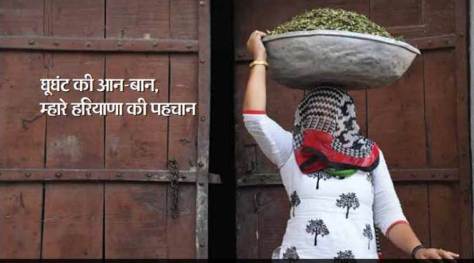
जब हरियाणा सरकार ने अपनी मासिक पत्रिका में एक घूँघट काढ़ी हुई औरत को राज्य की आन, बान और पहचान कहा तो मीडिया में इसका काफ़ी विरोध हुआ. फ़ेस्बुक पर लोगों का यह कहना था कि जब साक्षी मालिक, गीता फोगत, संतोष यादव और कल्पना चावला जैसी औरतें हरियाणा का नाम दुनिया भर में रौशन कर रही हैं, तब भी हरियाणा सरकार क्यूँ घूँघट वाली औरतों को ही अपनी शान समझती है. क्या उन औरतों की मेहनत, लगन और सफलता राज्य की शान नहीं है? क्या सिर्फ़ पुरुष खिलाड़ी ही राज्य को गर्व महसूस करवा सकते हैं?
स्वयं हरियाणा की औरतों के इस विषय पर विचार लेने मैं रेवाड़ी ज़िला गयी. वहाँ कुछ औरतों से घूँघट के और उनकी शान के विषय में बात की.
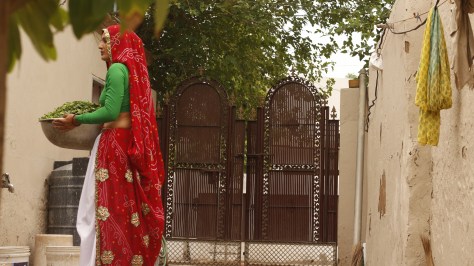
ममता यादव, सेंतिस साल की शादी शुदा औरत हैं.
Continue reading हरियाणा की औरतें घूंघट को शान नहीं मानती: कशिश बदर
The Death of a Historian – A Tribute to Biswamoy Pati: Saurabh Mishra
Guest post by SAURABH MISHRA
These days, when lynch mobs, cow-killings, and aggressive patriotism dominate the headlines, what does the passing away of a mere historian mean? Not much, it seems. Yet, for those who knew Dr Biswamoy Pati, or had the good fortune of being taught by him, this has caused nothing short of a major storm in their lives.
I got to know Dr Pati in the summer of 1996, when he was a young and energetic lecturer in Delhi. I waited eagerly for his lectures (as did everyone else), which were really my first introduction into new ways of thinking about the world.
Continue reading The Death of a Historian – A Tribute to Biswamoy Pati: Saurabh Mishra
#BreakTheSilence – Chennai against mob lynching: Madhura Balasubramaniam and Padmapriya Govindarajan
Guest Post by Madhura Balasubramaniam and Padmapriya Govindarajan

On July 1, 2017 a gathering of citizens congregated at the Valluvar Kottam monument in Chennai, India, in solidarity with the spate of demonstrations across the nation condemning the rise in instances of mob lynching and violence that disproportionately targeted Dalit and Muslim citizens for beef consumption. The protests were triggered by the murder of 16 year old Junaid Khan by a train mob. Since July 28, peaceful citizen gatherings have joined a wave that attempts to call out government silence, and thereby perceived tacit complicity, regarding the actions ofGau Rakshaks and other vigilante mobs that engage in lynching with a strongly communal or casteist skew. They have been collectively termed as #NotInMyName protests, alluding to the argument that these murders occurred in the name of the cow and in the name of Hinduism. Continue reading #BreakTheSilence – Chennai against mob lynching: Madhura Balasubramaniam and Padmapriya Govindarajan
Bharat Mata and her unruly daughters
Bharat Mata’s daughter? But the Hindutvavadi motherland produces only sons – Hindu, savarna sons – to protect their mother’s ever fragile honour.
Let us begin these reflections with a moment from Nisha Pahuja’s disturbing film the World Before Her, which tracks two young women – Ruhi, a beauty pageant contestant and Prachi, a trainer with the Durga Vahini, women’s wing of the Vishwa Hindu Parishad.
While Ruhi and her fellow participants emerge as conventional and pallid, Prachi is fierce and questioning, independent minded. But towards the end of the film, you realize that for both women (and not for Ruhi alone), this period of training was only a small window that gave them a brief glimpse of broader horizons. It was only a brief moment of excitement and hope, and what seemed like freedom, before real life – the real lives of real women – closed in on them.
Throughout the film, Prachi has been telling the film-maker that she will never get married, she will live her life as a Hindutva activist. She emphatically rejects the ordinary life of a wife and mother. But towards the end, her father declares quite explicitly that this is out of the question. She can never be a full time activist. Of course she must get married. She has a womb, do men have wombs? Her responsibility then, is to bring up children. Initially in this sequence, Prachi argues against him vehemently, verges on the insolent, but gradually she falls silent. Her expression, still rebellious, but devastated, resigned, signals to us her recognition that the daughter of the Hindu nation is only in training to be a mother. That is the highest ambition she can have.
Women’s Cricket – Rules Based Only on Gender Stereotypes Need to Go: Surabhi Shukla
This is a guest post by SURABHI SHUKLA
Playing for the Oxford University Women’s team and the Oxford Cricket Club, I have noticed three different rules for women’s cricket. These may be observed in other countries as well. I argue that these rules are based only on gender stereotypes about women’s inferior sporting abilities and even if were once instituted to encourage them to join the game, have now outlived their utility. 1. The women’s match ball is lighter than the men’s ball (also true at the international level). 2. The women’s match boundary is smaller than the men’s and; 3. One of my coaches here told me that the men’s bat is different from the women’s. This is incorrect, and the England and Wales Cricket Board (ECB) website states that both men and women are entitled to use Type A bats for one-day internationals. However, I include this point in my analysis because regardless of a rule, these kinds of statements from a coach translate into the lived experience of a female cricketer, and act as a rule for them. Continue reading Women’s Cricket – Rules Based Only on Gender Stereotypes Need to Go: Surabhi Shukla
Promoting Superstition – Everything Official About It !

Bhupendra Singh Chudasama, Education minister of Gujarat and his colleague Atmaram Paramar, who handles the Social Justice Ministry, were in the news sometime back- albeit for wrong reasons. A video went viral which showed them participating in a felicitation ceremony of exorcists in Botad. They were also seen watching how a couple of the exorcists were beating themselves with metal chains to live music near the stage.
Perhaps it did not matter to them that the Constitution frowns upon such activities and Article 51A (h) of the Indian constitution clearly says that it shall be a fundamental duty of all citizens “to develop the scientific temper, humanism and the spirit of inquiry and reform.” Neighbouring state Maharashtra has even enacted a law (The Maharashtra Prevention and Eradication of Human Sacrifice and other Inhuman, Evil and Aghori Practices and Black Magic Act, 2013) to rein in all such activities and it criminalises practices related to black magic, human sacrifices, use of magic remedies to cure ailments and other such acts which exploit people’s superstitions. And it was a culmination of a prolonged movement led by activists led by Dr Dabholkar – who even faced martyrdom for his activities. Continue reading Promoting Superstition – Everything Official About It !
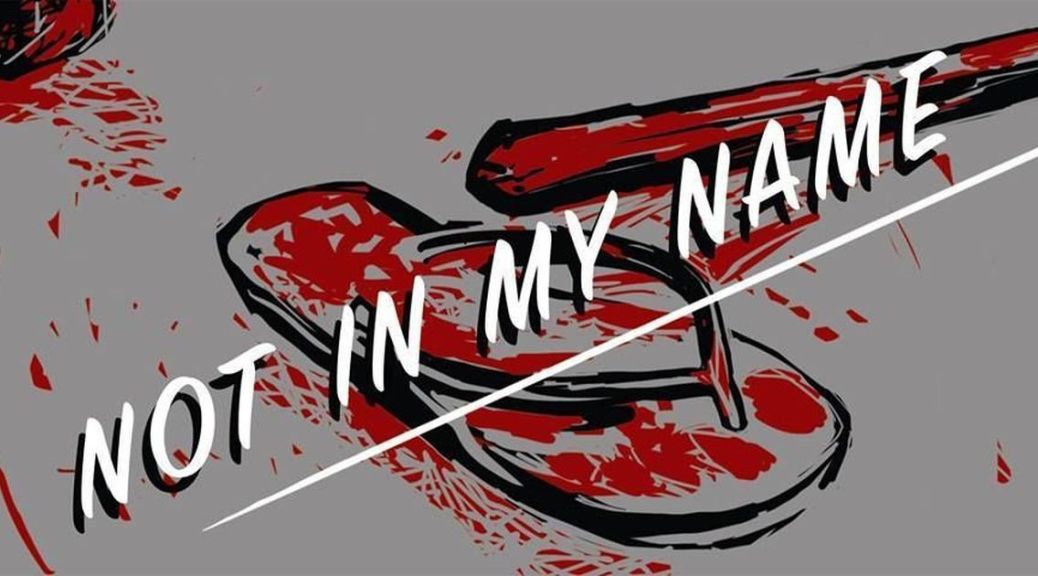
After #NotinMyName at Jantar Mantar on June 28: Sanjay Kak for NotinMyName, Delhi
Guest Post by Sanjay Kak, for #Notinmyname / Statement from Not In My Name, Delhi

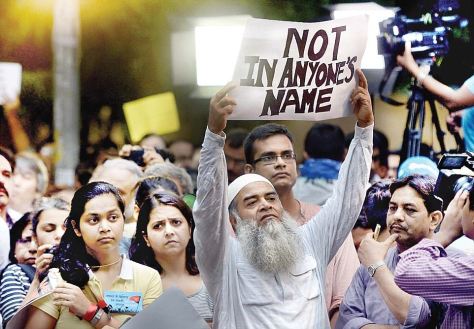
Last evening’s (June 28th) spirited protest at Jantar Mantar, New Delhi, under the banner of Not In My Name, was an autonomous citizens protest against the recent spate of targeted lynchings of Muslims in India – the most recent of 16 year old Junaid, stabbed to death on 23 June 2017 in Delhi (NCR).
For an audience that was estimated to be 3500 strong, the torrential downpour at a little past 8 pm may have rained out a part of the programme. But something remarkable had already been achieved: the evening had washed away, even if temporarily, an almost overwhelming sense of despondency, of hopelessness, and of fear.
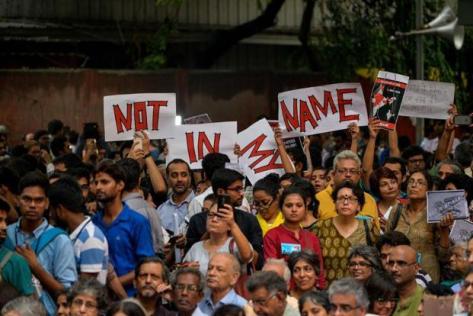
Since the Not In My Name protest had announced that the platform was not meant for political parties, and their banners and slogans, the stage saw the marked absence of the speeches (and faces) of routine protest meetings at Jantar Mantar. Rhetoric was displaced by feeling, and it was left to the poets and musicians to carry the sharp political messages of the day. On an evening that was often very emotional, the most difficult moments came when a group of young men from Junaid and Pehlu Khan’s extended families (and residents from their respective villages) came on stage and spoke to the audience.
When the call for a protest meeting went out last Sunday we were hoping that a few hundred people would gather to express their outrage at what is happening around us. For the attacks on Muslims are part of a pattern of incidents that targets Dalits, Adivasis, and other disadvantaged and minority groups across the country. In almost all these incidents the possibilities of justice seem remote, as the families of the victims are dragged into procedures they are ill-equipped to handle. Through all these heinous crimes the Government has maintained a silence, a gesture that is being read as the acquiescence of all Indians.
Not In My Name aimed to break that silence. But the scale and spirit of the protest meeting at Jantar Mantar became amplified many times over, as similar gatherings were spontaneously announced all over the country. As word spread through social media, groups in 19 other locations announced Not In My Name protests, and this phenomenal synergy inevitably drew media attention to all the events, and gave the protest a solidarity and scale that was truly unprecedented – there were at least 4 protests in cities abroad too. (And more protests have been announced for later this week…) The protest meeting ran on the shoulders of a group of volunteers who managed to put together everything in less than four days. No funds were received (or solicited) for the expenses from any political party, NGO, or institution. Instead volunteers worked the crowd and our donation boxes received everything – from Rs 10 coins to currency notes of Rs 2000, and everything in between.
The impact of the Not In My Name protest at Jantar Mantar yesterday only points to the importance of a focused politics to deal with the crisis this country seems to be enveloped by. Less than a day after the protests Prime Minister Modi broke his silence on the matter of lynchings. It could not have been a coincidence: speaking in Ahmedabad he said killing in the name of gau bhakti is unacceptable. But to protect the life of a 16 year old being brutalised in a train needs more than a tweet, and we all wait and watch.
This fight has just begun. In the days to come the exceptional solidarity attracted by the protest in New Delhi will have to become less exceptional, and more everyday.
Sanjay Kak is a filmmaker and writer based in Delhi.
The #NotinMyName protests, which began in a response to a Facebook post uploaded by Delhi filmmaker Saba Dewan, have since taken place in more than twelve cities in India, and also in the UK, USA and Pakistan. More protests, under the #NotinMyName tag, as well as independently of it are being planned by citizens groups, organizations and individuals in many places.
Tomorrow, July 2nd, 2017 will see a sit in at Jantar Mantar from 11 in the morning, at Jantar Mantar, New Delhi called by families, individuals and panchayats from Nuh, Ballabhgarh and Faridabad, they will be joined by students, activists and other individuals.

