Category Archives: Identities

Kashmir Burns, Again

A hundred and twelve lives, most of them young, some very young, were lost in Kashmir when the army, paramilitaries and police forces opened fire on several occasions from June to September in 2010. That was only six years ago. The latest reports indicate that around twenty three lives have already been lost in the last two days alone, in the aftermath of state troopers, soldiers and paramilitaries firing at funeral protests, after Burhan Wani, a twenty two year old insurgent, who had acquired the aura of a folk hero in Kashmir, was killed in an ‘encounter’, along with two of his associates, on Friday morning in a village in Kokernag.

Several more people have sustained serious injuries. The body count is likely to rise. Curfews have returned, phone and internet links are suspended, but nothing seems to keep people from spilling out onto the streets, and unlike previous instances, the communications ban seems to be unworkable. No one can pretend that Kashmir is not in crisis, again, today.

The people in power, at the state and the centre, were different in 2010. Omar Abdullah, then chief minister of Jammu and Kashmir, was offering mealy mouthed rationalizations for killing kids then, while Mehbooba Mufti, was weeping crocodile tears. It is the other way round right now. Omar is being ‘sensitive’, Mehbooba, who the roll of the dice has placed in the position of chief minister now, is ’sullenly’ presiding over a badly timed by-election victory. Prime Minister Manmohan Singh was silent then, Prime Minister Narendra Modi is playing percussion instruments in Africa now. If Nero played the harp while Rome burnt, Modi beats drums while Kashmir goes up in flames.

Continue reading Kashmir Burns, Again

How Background Works – Reflections on NLS Socio-Economic ‘Census’ 2015-16: Chirayu Jain

Guest post by CHIRAYU JAIN

Last year I carried out a study to record background and performance data of all students at NLS. Managing to get 97.9% compliance, the data helped in preparing the report “The Elusive Island of Excellence”, which provides a microanalysis of the institution touted as the country’s best law school, and answers two broad questions: who is likely to get admitted to NLS, and how much does background influence one’s performance within NLS? This article details why this year-long study was conducted, reflections on certain key findings and insights received from academics and scholars hypothesizing probable reasons for the outcomes of the report.

When the final figures of the Census were tabulated, the dearth of Muslims or the financial affluence of the under-graduate students at NLS came as no surprise. But what was shocking was the magnitude. Muslims form not even 1% of the student body and with average family incomes being higher than Rs. 20 lakhs per annum- majority of the NLS students come from top one percentile of the country! Not a single student who declared their caste as scheduled caste/tribe was admitted through general category, and Brahmins continue to be disproportionately dominate the numbers by forming more than a quarter of the student body. Likewise, 77.8% of the students came from families where even their grandparents had gone to college, while 26% are those with even longer history of graduates in their families.

Continue reading How Background Works – Reflections on NLS Socio-Economic ‘Census’ 2015-16: Chirayu Jain

Moral Police-Police!


The Kerala police has once more revealed how utterly unreconstructed it is since colonial times, in their brutal attack on transgender people in the city of Kochi. Stuck in 19th century Victorian morality on the one hand, and in the unabashed sense of power that only colonial authority can bequeath, these policemen thought it perfectly alright to use violence to correct what they perceive as a ‘moral problem’, sex work and that too, by transgendered persons. Continue reading Moral Police-Police!

पवित्र किताब की छाया में आकार लेता जनतंत्र

भारतीय लोकतंत्र: दशा और दिशा को लेकर चन्द बातें

Never Be Deceived That the Rich Will Permit You To Vote Away Their Wealth
– Lucy Parsons


..लोग सोच रहे हैं कि आखिर जनतंत्र हर ओर दक्षिणपंथी हवाओें के लिए रास्ता सुगम कैसे कर रहा है, अगर वह ‘युनाईटेड किंगडम इंडिपेण्डस पार्टी’ के नाम से ब्रिटन में मौजूद है तो मरीन ला पेन के तौर पर फ्रांस में अस्तित्व में है तो नोर्बर्ट होफेर और फ्रीडम पार्टी के नाम से आस्टिया में सक्रिय है तो अमेरिका में उसे डोनाल्ड ट्रम्प के नाम से पहचाना जा रहा है। वैसे इन दिनों सबसे अधिक सूर्खियों में ब्रिटेन है, जिसने पश्चिमी जनतंत्र के संकट को उजागर किया है।

ब्रिटेन को यूरोपीयन यूनियन का हिस्सा बने रहना चाहिए या नहीं इसे लेकर जो जनमतसंग्रह हुआ, जिसमें सभी यही कयास लगा रहे थे कि ब्रिटेन को ‘अलग हो जाना चाहिए’ ऐसा माननेवालों को शिकस्त मिलेगी, मगर उसमें उलटफेर दिखाई दिया है; वही लोग जीत गए हैं। और इस बात को नहीं भुला जा सकता कि जो कुछ हो हुआ है उसमें प्रक्रिया के तौर पर गैरजनतांत्रिक कुछ भी नहीं है। दक्षिणपंथ के झण्डाबरदारों ने ऐसे चुनावों में लोगों को अपने पक्ष में वोट डालने के लिए प्रेरित किया है, जो पारदर्शी थे, जिनके संचालन पर कोई सवाल नहीं उठे हैं।

( For full text of the article click here : https://sabrangindia.in/article/pvitra-kitab-ki-chaaya-mein-aakar-leta-hai-jantanta)


Bihari Bashing and ‘Backwardness’ – A Case for Bihari Sub-Nationalism: Mayank Labh

Guest post by MAYANK LABH

The recent “Toppers” scam in Bihar has served as a breeding ground to denigrate Biharis for their alleged corruption and backwardness. This is not the first time that Bihari bashing has surfaced as a favourite pastime of the self-indulgent elites of India. In fact, it is a continuous process with its periodic shifts. Ironically, the people who abuse people for the belief that India has gone intolerant and the people who denigrate Bihar constitute largely the same set of people reflecting the illusory, self-satisfying belief of Indian superiority and the unsuitability, other-worldliness of Bihar to suit that image of India.

Most of the trending stereotypes about Bihar, thanks to social media, seek to gain its legitimacy under the cloak of backwardness in Bihar. What is missing in the entire brouhaha and the mockery of Biharis is an attempt to delve into the processes that operate beneath the backward nature of Bihar.

One of the stark reasons, which the article would focus upon, for the alleged backwardness is that Biharis have failed to forge a concrete sub-national identity which can infuse a sense of provincial ownership over the region. It is no surprise then that elites of Bihar often hate to be termed as Biharis and, in fact, actively take part in Bihar bashing.  They even go to the extent of denying their roots and to vindicate that they come up with different kind of explanations and excuses to distance themselves from the ignominy of being a Bihari. They cower down to the societal pressures of conformity so that they can live a relatively comfortable though pride-less personal life. They use English or for that matter, Hindi – both hegemonic languages – to show their progressive nature. It is an index of the lack of sub-national identity that neither of the official languages of the state, Hindi or Urdu, is the mother-tongue of a single major population group. This is despite the fact that there were languages like Maithili, which had their own literary heritage – and this leads to isolation and disillusionment to the people who do not share the language of Hindi. Continue reading Bihari Bashing and ‘Backwardness’ – A Case for Bihari Sub-Nationalism: Mayank Labh

Hindutva Lands on Foreign Shores – A View from the Gallery: Rebecca de Souza

Guest post by REBECCA DE SOUZA

Recently, I received the opportunity of a lifetime when I was invited to attend Indian Prime Minister (PM) Modi’s address to the joint session of US Congress on June 8th, 2016. When I got the call from Congressman Nolan’s office, I was surprised to say the least. I am not involved in politics, I did not know Rep. Nolan personally, and have not made any significant monetary contributions to politics in either country. My first reaction was to say no, because PM Modi and I could not be further apart on the political spectrum. But soon the significance of what had happened dawned on me. I, an Indian American, an academic, had just received an invitation from a US Congressman who knew about my work and had picked me to be his guest. As a minority in both countries, a Christian minority in India and an ethnic/ racial minority in the US, I was invited to a place of power which typically would be inaccessible to a person like me. Ironically, as an Indian-American I had more access to a transnational political arena than as an Indian living in India. I arrived in DC with eager anticipation not knowing what would unfold.

Attending PM Modi’s address has provided me with unique insight into transnational politics and my own identity as an Indian-American and one who is “not a Hindu”. As I was sitting in the gallery with other Indian Americans, I realized that in a post-liberalization world where political contributions flow easily across borders, Indian Americans play a huge role in the political economy of India and the message of Hindutva has become the single most powerful way to unite this group.

The term Hindutva refers to a nearly hundred year socio-political project promoted by right wing Hindu nationalist groups, which redefines people living in India as “Hindu” based on geographic, racial, and cultural identity. The Hindutva project is centered on the “invention of archaic Vedic Hinduism” and Vedic Aryanism and the belief that “…it was in India that Aryans had either originated or achieved the pinnacle of their culture and civilization which they had then bestowed on the world”.  While Hinduism has been known for being a diverse religion, Hindutva’s project is to construct a homogeneous Hindu community through universalizing upper caste practices and values to all castes and classes. [1] Continue reading Hindutva Lands on Foreign Shores – A View from the Gallery: Rebecca de Souza

Stop Trying to Portray Us as Extremists: Dalit Human Rights Movement

The police investigation about the bomb blast at the Kollam Collectorate on 15 June 2016 has now turned against us. Neither the organization nor its activists have any involvement in this incident. The accusation against us is just a ploy to use draconian laws such as the UAPA to destroy dalit-adivasi resistance.

The demeaning and enslaving social norms in Kerala have, since centuries, denied dalit people the most basic human rights such as the right to education, the right to decently clothe one’s body, the right to travel on public roads, and express one’s views. But India became a democracy that aimed for social democratisation, and Dr B R Ambedkar raised the possibility of social equality and reservations for the underprivileged groups through the Indian Constitution. Yet, sixty-five years later, the classes fundamental to this society have made no social, economic, or cultural progress and they continue to endure caste slavery and and exploitation in all areas of public life. The mainstream political parties who surfaced as the protectors of these classes have never offered them complete protection at any time. Though they have been faithful followers and workers of these parties, members of the disadvantaged groups have had little economic security; they have lacked social education; they have had to cry out for tiny parcels of land. Continue reading Stop Trying to Portray Us as Extremists: Dalit Human Rights Movement

Crushing Dignity, Force-feeding Honour: The CPM is Back in Form Again!

The hunt, it seems, is on again. The CPM in power has begun to show its fangs again, and shamefully, they seem to threaten only dalit people who refuse and criticise their disciplinary/welfarist embrace.  In north Kerala, two dalit women were arrested for having allegedly attacked a DYFI leader who abused them in casteist terms. In the south, the persecution of the Buddhist Dalit Human Rights Movement (DHRM)seems to have begun afresh, with the police and the press foisting on them responsibility for the recent bomb blast at the premises of the Kollam Collectorate. The two women mentioned belong to the Congress party; as for the DHRM, the CPM has had a long-standing grouse against them, carried forward now from their last term in power. I am not sure, but the recent ouster of Laha Gopalan, the leader of the Chengara land struggle in the wake of the CPM’s return to power, could be part of this story too. I have no love lost for that man, who evoked the name of Ambedkar but ran the village set up by the landless in Chengara like a crude caste headman. But the timing of his expulsion and the way the village seems to be under the thumb of the police arouses discomfort. Continue reading Crushing Dignity, Force-feeding Honour: The CPM is Back in Form Again!

Ashley Tellis ko Gussa Kyun Aata Hai? What makes Ashley Tellis so Angry: Pallavi Paul

Guest Post by Pallavi Paul.

[ This is a response by Pallavi Paul to a post by Ashley Tellis titled ‘Indians are racist, but Africans are not nice either’ that was published recently on the Daily O]

Let me, at the outset state that I feel almost bad taking on such a soft target . I say soft because there is nothing redeemable about Ashley Tellis’ hatred towards ‘dangerous’, ‘morally corrupt’, ‘threatening’ and most importantly ‘unfriendly’ Africans. However, because we are dealing with someone who stakes claim in political-critical thought (or so I am told), this is important to do.

While Tellis cursorily signposts the odd murder and some statements made by a few ministers, he dedicates the rest of the article to creating a portrait of these “Africans” (an all subsuming term that can accommodate an entire continent). By having been a resident of Kishangarh, a colony in Delhi where some ‘Africans’ also happen to live, he takes on the role of the expert in ‘African’ behavior. He produces eye witness accounts of the depravity of these people.

Continue reading Ashley Tellis ko Gussa Kyun Aata Hai? What makes Ashley Tellis so Angry: Pallavi Paul

Islamic Banking in India – For Financial Inclusion of Muslims or to squeeze them further ?


(Photo Courtesy : http://www.malaysiagazette.com)

Faith based banking in a country which has secularism enshrined in its constitution ! Does not it sound anachronous ?

Well, as far as the present dispensation at the centre led by BJP is concerned – which has an altogether different take on secularism – it does not seem to think so. And that’s why it has gladly accepted the proposal by the Saudi Arabia based Islamic Development Bank (IDB) – an international investment organisation – to start its operations here. In fact this proposal is considered a positive outcome of PM Modi’s visit to Saudi Arabia sometime back.( April 2016) Although a date has not been announced when the Bank would start its operations here, all the formalities regarding its launching have been completed and even the city for its first branch in India has been identified. Ahmedabad would see the first branch of this Bank. Continue reading Islamic Banking in India – For Financial Inclusion of Muslims or to squeeze them further ?

Three Photographs, Six Bodies: The Politics of Lynching in Twos: Megha Anwer

This is a guest post by MEGHA ANWER


file-19-1458409803749044900
Mazlum Ansari and Imteyaz Khan, Jharkhand 2016.


The recent spate of vigilante attacks in India has lent a new, nearly domestic familiarity to the word “lynching”. This, though, is more than just a shift in language: the nation’s visual archive itself seems be shifting, towards instatement of a new normal. Inside just a year the “lynching photograph” has moved center-stage, filling mainstream news reportage and social media newsfeeds. The imagistic vocabulary of lynching has thus taken on a touch of mundane inevitability in caste and communal violence.

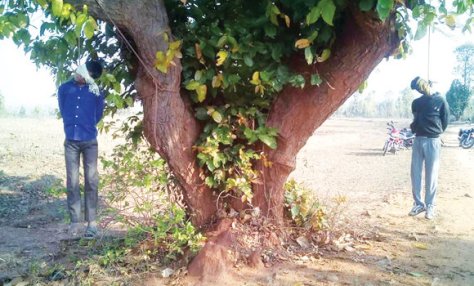
It began in March 2015, with the lynching of Syed Arif Khan in Dimapur, Nagaland. A couple of months later two teenage Dalit girls were raped, strangled and left hanging from a mango tree in Katra village in Uttar Pradesh. Then, on 28 September 2015, Mohammad Akhlaq was bludgeoned to death by a mob in his home near Dadri in what went on to gain spurious notoriety as a “beef-eating incident”. The following March, continuing with the logical rhythm of a scheduled sequel, the cattle herder Mazlum Ansari and his 14-year-old nephew Imteyaz Khan were lynched and hanged from a tree in Jharkhand. Most recently (on May 22) M. T. Oliva, a Congolese citizen, was beaten to death in the national capital of Delhi. This is an incomplete list: it includes only those incidents that resulted in fatalities. In the same timeframe there have been at least a dozen other cases in which the victims somehow survived the end-stage public shaming, torment and lurid physical violence, in short the ordeal of a completed lynching.

There is no lynching without its spectators. Continue reading Three Photographs, Six Bodies: The Politics of Lynching in Twos: Megha Anwer

Exit Hindutva Terrorists, Enter Lashkar bombers – Towards Clean Chit to Samjhauta Bombers ?

Whether Indian Investigating Agencies Are Being Turned Into Voices of US Intel Agencies

Whether Indian Intelligence Agencies have decided to function as new ‘post offices’ of US intel agencies ? Put it other ways whether US intel inputs have started overriding the meticulous investigations done by Indian intelligence agencies?

There are enough indications which seem to corroborate this observation.

And perhaps the latest in series seems to be the Samjhauta Express bomb blast case, where NIA seems to be contemplating putting the blame on Lashkar terrorists and absolving the Hindutva terrorists involved in the case basing itself on some vague input from US supposedly involving Lashkar-e-Toiba operative. Continue reading Exit Hindutva Terrorists, Enter Lashkar bombers – Towards Clean Chit to Samjhauta Bombers ?

Statement against the Attack on the ‘Velivada’ in Hyderabad Central University: SC/ST Faculty Forum and Concerned Teachers of Hyderabad University

Guest Post by SC/ST Faculty Forum and Concerned Teachers of Hyderabad University

In the early hours 28th May 2016, at around 2 P.M., the authorities at the University of Hyderabad removed the tents erected in North Shopcom around the Velivada and the venue of protest following the death of Rohith Vemula. This happened in the darkness of night, shrouded in secrecy and utterly insensitive towards the turmoil it was bound generate within the student community. Such an act reaffirms the dictatorial stance of the present administration as well as its intolerance to dissent.

The removal of the tent is a clear act of provocation against students since it is well known that they are emotionally attached to the Velivada and consider it as a place of mourning and memorial for Rohith. Especially for the Dalit students, it remains the site of challenge against caste discrimination. Further, bringing down the posters of Dr.Babasaheb Ambedkar’s quotes that surrounded the tent is a grave insult to the Father of the Constitution of this country and an atrocity in itself. It is indeed ironic that the university administration that overtly pronounces its intent  to celebrate Dr.Ambedkar’s 125th birth anniversary for a year has no qualms about removing his posters, or barring his grandson, Prakash Ambedkar, from entering the university. Such actions unmask the true character of the administration; revealing its deeply discriminatory, apathetic and disrespectful attitude towards Dalits and their leaders.

Perhaps the University officials have long forgotten that a University is not to be ruled and subjugated through the military doctrine of “shock and awe” (who can forget George Bush’s now ill famous use of the term during the military invasion of Iraq by the US in 2003!). Instead, patience, maturity and genuine dialogue with the students alone can help us through these difficult times. Unfortunately, the authorities have acted in an extremely unbefitting manner, without the slightest concern for the feelings of their own students. Further, this act of destruction appears doubly mindless and vindictive because the presence of a tent in the Shopcom area does not harm anyone. In fact, through the scorching summer, many people take shelter under it beating the intense heat—be it the students having their food there or other workers who need to be around the Shopcom area. Therefore, we see absolutely no justification for its removal, that too in such a stealthy and unceremonious manner, taking advantage of the the anonymity of the night during vacation. Clearly the authorities are well aware how heartless and unethical such an action is and the serious opposition that it is sure to encounter if carried out during daytime.

The thoughtless desecration of the Velivada compels us to ask a few critical questions. Is it necessary to instigate confrontations in a campus that is already struggling to come to terms with the tragic death of Rohith Vemula, the brutal lathicharge and imposition of false cases against students and faculty and the continuous harassment of students that takes many different forms? Is it not the urgent responsibility of the administration be a little more receptive to the concerns and feelings of the students, keeping in mind the larger interests of the University? It is a cruel irony that while the administration proclaims to the world that it wants “normalcy” to return to the campus, its actions remain blatantly aggressive, anti-student and discriminatory.

More than four months have passed by since that fateful night when a brilliant young man with immense potential and a strong sense of social justice gave up his life, hounded by the administration on the basis of a fictitious charge and non-existent evidence.  We may recall that the cruel and unusual punishment of suspension from hostels and all common spaces was handed out to the five Dalit students during another vacation—the winter of December 2015. Is it  just serendipity? Or, perhaps vacation is time of total impunity, when all natural and moral laws are suspended and humanity is forgotten? While the Rohith and his friends were forced to spend the cold winter nights out in the open, distraught students protesting the removal of the tent spent the day under the unforgiving Hyderabad sun near the main gate of the University on 28th May until they were pushed away by  the security guards.

Prof. Appa Rao Podile resumed office with the knowledge of a hand-picked teaching and non-teaching staff (after abandoning the University in a state of despair following the death of Rohith) on 22nd March, 2016, without so much as giving prior notice to the interim VC, Prof. Periasamy, fully aware how this would affect the protesting students and friends of Rohith. Now, once again, the Velivada has been desecrated when the world was asleep. We quote what a leading jurist Amita Dhanda had said recently with respect to the events at HCU: “A VC must not only be fair but be seen to be fair.” We leave it to our readers to decide whether the VC has ever acted or appeared to act as fair!

Evidently, the loss of Rohith’s life has not meant nor taught anything to the the University of Hyderabad authorities. Those who had closed their eyes to the evidence that screamed out that  Rohith and his friends were “Not Guilty”, have moved on. They now head important committees and speak on behalf of the University to the rest of the world. As ranks are bestowed upon the University, they brim over with pride and claim credit. It is well beyond their comprehension as to why large groups of students and faculty should hang on to a make-shift Velivada—with walls made up of flex-board images of Babasaheb Ambedkar, Jotiba and Savitribai Phule and Kanshi Ram. For them, it is time to “cleanse” and “sanitize” the Shopcom of those disturbing reminders that tell us that “Something is rotten in the state of the University of Hyderabad.”

But the memory of injustice is a powerful tool. The very same structure that has been an eyesore to the administration is our history—poignant, gut-wrenching and yet imbuing our present with direction and the strength to struggle. To recall a stirring line that has emerged through the Rohith Vemula movement: “A spectre is haunting the brahminical academia—the spectre of caste.” We welcome and embrace this history. The Velivada is the place where Rohith spent his final destitute days, anxious that his years of hard work and aspiration to give a better life to his family may come to nought. This is where we come to pay our respects and to remind ourselves that there should be no more Rohiths. Around this very place, a community has gathered—of those who may not have known each other  earlier but who understood how critical it was to work towards a world where “a man is not reduced to his immediate identity”. People thronged to this place from different Universities and from all walks of life to pay homage, and in solidarity. Those who could not come still became part of this imagined community—those from Uttar Pradesh, Bihar, Kerala, the North East, in fact, from every part of this country—threaded together by empathy and experience. Rohith became an icon and a rallying cry because his life struck a chord with the large majority of Dalit  and other minoritized and underprivileged groups in India for whom education is still a humungous struggle. More important, breaking into the bastions of higher education remain acts of transgression and trespassing. Perhaps that is why the august body that passed the fatal judgement on Rohith Vemula did not even bother to maintain a facade of impartiality. Unfortunately for them, the masses of India—the Dalit and the underprivileged, those who are the “wretched of the earth” in the immortal and evocative words of Frantz Fanon, recognized this judgement for what it is, even as it came cloaked in the language of discipline and bureaucracy.

The socially marginalized, struggling parents who dream of a better life for their children instinctively know what happened—they completely and empathetically identify with Radhika Vemula who sent her son to the big University only to lose him forever. Similarly, all those students and teachers who have relentlessly and often silently faced discrimination in the hallowed portals of premier institutions of learning also know. We, the concerned faculty and students at the University of Hyderabad know. We shall not forget. We cannot forget. The administration is bent upon erasing the Velivada. Can they erase our memory? Can they erase the memory of that fateful night of January 17th? Rohith has travelled from the shadows to the stars. We ask Mr. Appa Rao Podile and his believers, “Can you destroy the stars? Because every time, on each dark night, when we look up we will see Rohith Vemula and we will remember what he lived and died for.”

Perhaps the University Administration presumes that a Velivada rightfully and customarily belongs to the margins of the village—far far away from the modern, secular/brahminical, high-ranking spaces of the University. However, through an extraordinary and imaginative act of symbolism, Rohith and his four friends have re-installed the Velivada in the midst of the University, in our hearts and in our consciousness. We need not skirt past it or bemoan the loss of the Shopcom (as the administration has been doing). For us it is a living history of sacrifice and struggle, forcing us to continually work towards a more pluralistic and egalitarian idea of the University.

There is a writing on the wall that that the administration cannot whitewash! The Velivada can no longer be cast out into the margins; it is here to stay. The University must take note and be attentive to this momentous turn of history.

SC/ST Teachers’ Forum and Concerned Teachers, University of Hyderabad


सामाजिक न्याय ही इस दौर की स्टूडेंट पॉलिटिक्स का मुख्य एजेंडा होगा: अनन्त प्रकाश नारायण

अतिथि पोस्ट: अनन्त प्रकाश नारायण

दिल्ली हाईकोर्ट के आदेश के बाद जे.एन.यू. में 16 दिन की एक भूख हड़ताल खत्म हुई. सभी तरह की सजाओ पर, जो जे.एन.यू. की उच्च स्तरीय जाँच कमिटी (HLEC) ने हम छात्र- छात्राओ पर लगा रखी थी, उन पर रोक लगा दी गई. इस आदेश को ले करके तमाम तरह की व्याख्याए/निर्वचन (Interpretation) है. इस भूख हड़ताल के दौरान कुछ ऐसी घटनाये घटी जिसे यह कैंपस हमेशा याद रखेगा जैसे एकेडेमिक कौंसिल को छोड़कर वाईस चांसलर द्वारा भाग जाना. एकेडेमिक कौंसिल में हमारी मांगे एकदम स्पष्ट थी. उच्च स्तरीय जाँच कमिटी को ख़ारिज करना, ओ.बी.सी. रिजर्वेशन को दोनों स्तर पर लागू करवाना, हॉस्टल में ओ.बी.सी. रिजर्वेशन और साक्षात्कार/ वाइवा के नंबर को कम करना इत्यादि. जब हम जे.एन.यू. की बात करते है तो हमे बिलकुल स्पष्ट हो जाना है कि जे.एन.यू. प्रशासन देश के किसी भी प्रशासन की ही तरह है और कई बार तो उससे भी बदतर. वह तो यहाँ का स्टूडेंट पॉलिटिक्स है जो कि इस कैंपस को समावेशी /इंक्लूसिव बनाने के लिए लड़ता है.
यह वही जे.एन.यू. प्रशासन है जिसने लगभग दस साल तक (1984-93) इस कैंपस से deprivation/ quartile पॉइंट्स को यह कहते हुए ख़त्म कर दिया था कि इस कैंपस में गाँवो से आने वाले स्टूडेंट्स के कारण यहाँ का अकादमिक स्तर ख़राब हो रहा है और कैंपस रेडिकलाईज़ हो रहा है. यह जे.एन.यू. का स्टूडेंटस मूवमेंट था जो की इसे जीत कर 1994 में वापस लाता है. हमने देखा इसी तर्ज़ पर किस तरह से प्रशासन ने ओ.बी.सी. रिजर्वेशन के मिनिमम ‘कट-ऑफ’/cut-off की गलत व्याख्या करके सैकड़ो पिछड़े वर्ग के छात्र- छात्राओ को 2008-2010 तीन वर्षो तक कैंपस से बाहर रखा. यह जे.एन.यू. स्टूडेंट्स मूवमेंट था जिसने कि एक लम्बे पोलिटिकल और लीगल बैटल के बाद एक सही व्याख्या को इस कैंपस में ही नही पूरे देश में लागू करवाया. मदरसा सर्टिफिकेट की लड़ाई हो या फिर अभी ओ.बी.सी. मिनिमम एलिजिबिलिटी का मामला हो, सारे मामले में प्रशासन हमारे खिलाफ ही खड़ा रहा है. आज जब हम ओ.बी.सी. रिजर्वेशन के उद्देश्य/स्पिरिट को इंश्योर कराने के लिए दोनों स्तर पर रिलैक्सेशन लागू कारवाने की कोशिश कर रहे है तब हम देखते है कि किस तरह से इस प्रशासन ने अपने सारी नैतिकता/ मर्यादा को एक तरफ रखते हुए पिछले वी.सी. के समय हुए स्टैंडिंग कमिटी के फैसले को बदल दिया और हद तो तब हुई जब जे.एन.यू. स्टूडेंट्स यूनियन के अध्यक्ष और महासचिव ने यह दावा किया कि इनविटेसन लेटर पर उनके हस्ताक्षर फर्जी किये गये है.

Continue reading सामाजिक न्याय ही इस दौर की स्टूडेंट पॉलिटिक्स का मुख्य एजेंडा होगा: अनन्त प्रकाश नारायण

कुल्हाडी की छाया में उम्मीद

‘शब्द हिरासत में हैं और हत्यारे खुलेआम घुम रहे हैं’

( Photo Courtesy : freethinker.co.uk, Martyr Rajib Haider who was killed by the Islamists on 15 th February 2013)

आम दिनों में ऐसे बयानों पर कोई गौर नहीं करता, मगर एक ऐसे समय में जबकि आप के कई साथी इस्लामिस्टों के हाथों मारे गए हों और उनके द्वारा जारी हिट लिस्ट में आप का नाम भी शुमार हो और उधर अपने आप को सेक्युलर कहलानेवाली सरकार भी  इन आततायियों के खिलाफ सख्त कदम उठाएगी ऐसी कोई उम्मीद नहीं दिखती तो, उस पृष्ठ भूमि में तीन ब्लागर्स द्वारा अपना नाम लेकर जारी किया गया एक बयान विद्रोह की आवाज़ को नए सिरेसे बुलन्द करना है। (http://sacw.net/article12741.html)

कुल्हाडी की छाया में उम्मीद’ यही शीर्षक है उस पत्र का जो बांगलादेश के युवा ब्लॉगर और लेखक आरिफ जेबतिक ने लिखा है। सरकार की समझौतापरस्ती की आलोचना करते हुए वह लिखते हैं कि ‘जब किसी नागरिक की हत्या होती है और राज्य की प्राथमिकता होती है कि पहले यह पता किया जाए कि उसने लिखा क्या न कि हत्यारों को पकड़ा जाए, तब स्पष्ट होता है कि इन ब्लागर्स के हत्यारों को पकड़ने में सरकार की कितनी दिलचस्पी है।’ ‘मेरे विचार चुपचाप रोते हैं’ शीर्षक से एक अन्य पत्र मारूफ रोसूल ने भी लिखा है जो लेखक हैं और ‘मुक्तो मोना’ (Mukto Mona ) नामक ब्लॉग के लिए नियमित लिखते हैं। वह लिखते हैं कि बुनियादपरस्त लोग पूरी दुनिया में उत्पात मचाए हुए हैं, अभिव्यक्ति की स्वतंत्रता, मुक्त चिंतन सभी खतरे में है और इसलिए यह संघर्ष अनथक जारी रहना चाहिए, इसके पहले कि यह शैतानी ताकतें हमारी स्वतंत्रता में एक और कील न ठोंक दे।’ तीसरा पत्र जानेमाने ब्लागर एवं कार्यकर्ता इमरान सरकार ने लिखा है जो ‘बांगलादेश ब्लागर्स एण्ड आनलाइन एक्टिविस्ट नेटवर्क‘ के अग्रणी हैं तथा, ‘गणजागरण मंच‘ जैसे सेक्युलर आन्दोलन के प्रवक्ता हैं। इमरान सरकार लिखते हैं कि ‘शब्द हिरासत में हैं और हत्यारे खुलेआम घुम रहे हैं।’ ..हत्यारे मुक्त चिन्तन के रास्ते में एक के बाद एक बैरिकेड खड़े कर रहे हैं। एक एक सहयोद्धा की मौत के साथ उनके शोक में निकले जुलसों में लोगों की तादाद बढ़ रही है और सरकार हत्यारों को पकड़ने के बजाय ब्लागर्स के लेखन पर ही सवाल खड़ा कर रही है और सूचना एवं सम्प्रेषण टेक्नोलोजी की धारा 57 का इस्तेमाल करते हुए ब्लागर्स को ही गिरफतार कर रही है।’ Continue reading कुल्हाडी की छाया में उम्मीद

बेहद पोंगापंथी और जातिवादी हैं प्रवासी भारतीय

आम धारणा है कि एक भारतीय विदेश की सरजमीन पर पैर रखते ही जेंटलमैन बन जाता है। वह सभ्यता के नए मूल्यों से परिचित होता है, अपने देश की तमाम रूढ़ियों से नाता तोड़ लेता है और सही मायने में एक आधुनिक व्यक्ति बन जाता है। यह बात एक हद तक ही सही है। कुछ लोगों में भले ही परिवर्तन आ जाता हो पर एक बड़े हिस्से पर शायद उल्टा ही असर होता है। भारत के बाहर जहां-जहां भारतीय बसे हैं, वहां उन्होंने न केवल जाति आधारित संगठनों, संस्थाओं की स्थापना की है बल्कि वहां भी वे निम्न कही जानेवाली जातियों के साथ खुल्लमखुल्ला भेदभाव करने में संकोच नहीं करते। लेकिन उनके चरित्र के दोहरेपन का आलम यह है कि वे चाहते हैं कि ये बातें ढकी-छुपी रहें। वहां के लोग यह सब न जानें।

आजकल अमेरिका के एक बड़े राज्य कैलिफॉर्निया की पाठ्यपुस्तकों में संशोधन चल रहा है। यह एक रूटीन प्रोसेस है जिसके तहत सिलेबस में नए विषय या तथ्य शामिल किए जाते हैं। इस क्रम में वहां सिलेबस में हिंदुओं के बारे में भी कुछ सूचनाएं शामिल की जा रही हैं। लेकिन इस पर विवाद हो गया है कि जानकारियों को किस रूप में रखा जाए। भारतीयों का एक तबका चाहता है कि प्राचीन तथ्यों को नए सिरे से लिखा जाए और हिंदू समाज में मौजूद वर्ण व्यवस्था या छुआछूत की बात को साफ गोल कर दिया जाए। अमेरिका में रह रही दलित ऐक्टिविस्ट थेनमोझि सुंदरराजन ने पिछले दिनों ‘द हफिंग्टन पोस्ट’ में इस संबंध में एक लेख लिखा है जिसके मुताबिक प्रवासी भारतीयों के एक हिस्से में सक्रिय ‘धर्मा सिविलाइजेशन फाउंडेशन’ की तरफ से दलील दी जा रही है कि हिंदुओं में जाति एवं पुरुष सत्ता का जिक्र किया जाएगा तो इससे हिंदू बच्चे ‘हीन भावना’ से ग्रस्त हो जाएंगे। यह उनकी ‘प्रताड़ना’ का सबब बन सकता है, लिहाजा इस उल्लेख को टाल दिया जाए।

सुंदरराजन बताती हैं कि ऊपरी तौर पर आकर्षक लगने वाली यह दलील सच्चाई पर पर्दा डालने जैसी है क्योंकि वही तर्क नस्लवाद के संदर्भ में भी इस्तेमाल किया जा सकता है और किताबों से उसकी चर्चा भी गायब की जा सकती है। लेकिन इन कोशिशों का विरोध भी हो रहा है। विभिन्न धर्मों व नस्लों से जुड़े संगठनों ने एकजुट होकर पाठ्यपुस्तकों में ऐसे हेरफेर की मुहिम पर आपत्ति जताई है। उनका कहना है कि दक्षिण एशिया के इस हिस्से में जातिगत और धार्मिक असहिष्णुता या संस्थागत भेदभाव के प्रसंग को गायब करना न सिर्फ इतिहास को नकारने जैसा है बल्कि यह गैर लोकतांत्रिक भी है। Continue reading बेहद पोंगापंथी और जातिवादी हैं प्रवासी भारतीय

But She was a Law Student …


In a way that is perhaps unprecedented, today, a very large number of Malayalis feel connected to each other by a veritable tsunami of pain. No wonder perhaps, because the veils of our complacency have been ripped off too thoroughly. The immediate context is the gruesome murder of a young Dalit student in central Kerala, in the tiny, rickety squatter-shack that was her home, in full daylight.

At a single stroke, the incident fully exposed the dimensions of social exclusion in contemporary Kerala. Hers was an all-woman family among families deemed ‘properly gendered’, they were lower caste people trapped and isolated among upper and middle caste families, they were the working-class poor without property in an area full of propertied domestic-oriented bourgeois and petty-bourgeois families. Oppressed in all these ways, they were invisible to the state and the political parties. They possessed no form of capital that would have allowed them upward mobility. Yet, the young woman struggled on and reached the law college.

‘But she went to college’, some ask, ‘how could she have been so helpless?’

Read the rest of the article here 


रोहित वेमुला हम तुम्हारे दिखाए हुए रास्ते पर चल रहे हैं: अनन्त प्रकाश नारायण

अतिथि पोस्ट : अनन्त प्रकाश नारायण

12232699_240984726266767_438392505759428328_o

भूख हड़ताल का बारहवां दिन (12th Days) चल रहा है. प्रशासन कितना दवाब में है कुछ भी कहा नही जा सकता है. हाँ, अगल बगल के हालात देख कर, बात-चीत सुन कर इतना तो जरुर समझ में आ रहा है कि कुछ तो “अन्दर” जरुर चल रहा है. अध्यापक संघ हमारे साथ खड़ा है. उन्होंने हमारे समर्थन में एक दिन का भूख हड़ताल भी किया और अब क्रमिक भूख हड़ताल पर है. हमसे हमारे शुभचिंतको द्वारा बार बार आग्रह किया जा रहा है कि हम भूख हड़ताल को छोड़े. हम जब इस भूख हड़ताल पर बैठ रहे थे तो हमारे सामने की स्थिति ने हमे चेता दिया था कि ये करो या मरो की स्थिति है. इसलिए हमने नारा/स्लोगन भी दिया कि ये भूख हड़ताल हमारी मांगो तक या फिर हमारी मौत तक. हमारी मांग बिलकुल स्पष्ट है कि हम अलोकतांत्रिक, जातिवादी उच्चस्तरीय जांच कमिटी को नहीं मानते है. इसलिए इसके आधार पर हम कुछ छात्र-छात्राओ पर जो आरोप व दंड लगाये गए है उनको ख़ारिज किया जाये और प्रशासन बदले की भावना से इन छात्र-छात्राओ पर कार्यवाही करना बंद करे और जे.एन.यू. के एडमिशन पालिसी को लेकर कुछ मांगे है. सजा क्या है? कुछ का विश्वविद्यालय से निष्कासन, कुछ का हॉस्टल-निष्कासन और कुछ लोगों पर भारी जुर्माने की राशि और कुछ लोगों के उपर यह सब कुछ. अब जब हम आन्दोलन में है तो यह साफ़ साफ़ देख पा रहे है कि यही तो हुआ था हैदराबाद के साथियों के साथ. एक एक चीज हू-ब-हू बिलकुल इसी तरह. इसी तरह से हॉस्टल से निकल कर सड़क पर रहने के लिए विवश किया गया था. इसी तरह तो कोशिश की गई थी रोहित और उसके साथियों को देश और दुनिया के सामने एंटी-नेशनल के तमगे से नवाज देने की. नतीजा क्या हुआ सबके सामने है.

इस भूख हड़ताल के दौरान लोग हमसे मिलने आ रहे है. कुछ लोगों ने जुर्माने की राशि को जुटाने का प्रस्ताव दिया, तो कुछ लोगों ने खुद ही जुर्माने की राशि देने का प्रस्ताव दिया. हम उनके प्रति अपना आभार प्रकट करते हैं. लेकिन क्या यह लड़ाई कुछ दंण्ड/जुर्माने के खिलाफ लड़ाई है? नहीं, यह लड़ाई देश बचने की लड़ाई है. बहुत ही सरल शब्दों में कहा जाये तो इस लड़ाई से यह तय होगा कि इस सत्ता/सरकार के रहते इस देश में विरोध की आवाजो/dissents के लिए कोई जगह होगी की नहीं. जे.एन.यू का प्रोग्रेसिव स्टूडेंट मूवमेंट अपने क्रांतिकारी कलेवर के साथ अपनी पहचान लिए खड़ा रहता है. यह क्रांतिकारी स्टूडेंट मूवमेंट यह तय तो करता ही है कि इस कैंपस  को इतना समावेसित/इंक्लूसिव बना कर रखा जाये कि समाज के सबसे निचले तबके के लिए भी यह विश्वविद्यालय का गेट खुला रहे लेकिन साथ ही साथ इस छात्र-आन्दोलन ने अन्दर और बाहर के मुद्दे का भी भेद मिटा दिया और देश के सामने एक वैकल्पिक राजनीति का मॉडल ले करके सामने आया.

बीते दिनों इस स्टूडेंट-मूवमेंट के साथ साथ पूरे जे.एन.यू को निशाने पर लिया गया और इसे एक संस्थान के रूप में देश-विरोधी ठहरा देने का प्रयास हुआ. आखिर देश है क्या? आखिर हम देशभक्ति माने किसे? अभी कुछ दिनों पहले हम देश की विभिन्न जगहों पर कैम्पेन में थे. उन सभाओ व परिचर्चाओ के दौरान भी देशभक्ति चर्चा का एक गर्म विषय रहा. उन सवालों को करने वाले लोग ही कई बार इन सवालो का जवाब दे देते. वो भारत का नक्शा दिखा कर के और भारत की सीमाओं को दिखाते हुए बोलते इन सीमाओं के भीतर जो कुछ भी है देश है. इसका मतलब पेड़-पौधे, रेलगाड़ी, प्लेटफार्म, पहाड़, जंगल, कारखाने, यहाँ के लोग, खनिज-संपदा, नदियाँ, तालाब, इत्यादि सब कुछ देश है. इस दौरान मुझे अपवादिक रूप से भी कोई ऐसा व्यक्ति नहीं मिला जिसने देश की इस परिभाषा से असहमति जताई. देश के लिए प्रतीक बने, संविधान बना, कानून बने और जैसे-जैसे यह देश बदलता जाता है, आगे बढ़ता जाता है, उसी के आधार पर प्रतीक से ले करके कानून तक सब चीज़ों में परिवर्तन होता जाता  है. देश के लिए प्रतीक होते हैं, प्रतीकों का कोई देश नहीं होता है. देश लगातार चलने वाली एक प्रक्रिया का हिस्सा है. देश रोज़ बनता है और हमेशा नये ढंग में हमारे सामने आता रहता है, जिसे इस देश का गरीब, किसान, मजदूर और बाकी मेहनतकश लोग बनाते है. अब लड़ाई इस बात की है कि यह देश किसका है? और इसका मालिक कौन होगा? इस देश की संपत्ति, संसाधनों पर हक किसका होगा? यही गरीब, मजदूर, किसान और मेहनतकश लोग जो रोज़ इस देश को बनाते है, जब अपने हक के लिए खडे होते है तो इस देश की सत्ता/सरकार चंद पूंजीपतियों के साथ क्यूँ खड़ी हो जाती है? और इस देश को बनाने वालों के हक में जब जे.एन.यू. जैसे संस्थान आवाज़ उठाते हैं तो उसे देशद्रोही करार देने की कोशिश क्यों होती है?

जिस समय जे.एन.यू. का मसला ही पूरे देश में चर्चा का विषय बना रहा उस समय जे.एन.यू. प्रशासन व इस देश की सत्ता ने बड़ी चालाकी से अपने मंसूबों को पूरा करने में इस समय का इस्तेमाल किया. यह सर्वविदित है कि  जे.एन.यू. अपनी एडमिशन पालिसी  के कारण ही अपना एक इनक्लूसिव/समावेशिक कैरेक्टर बना पाया है. लगभग 24 साल से चली आ रही इस पालिसी को प्रशासन ने बदल दिया और स्टूडेंट कम्युनिटी को कुछ खबर तक नहीं हुई. दूसरा, ओबीसी के मिनिमम एलिजिबिलिटी कट ऑफ, जिसको चार साल (4 years) के लम्बे संघर्ष के बाद सुप्रीम कोर्ट तक जा करके इस जे.एन.यू. प्रशासन के खिलाफ जीत कर लाया गया था और इसे सिर्फ जे.एन.यू. नही पूरे देश के संस्थानों के लिए अनिवार्य किया गया था, उसको ख़त्म कर दिया गया और किसी को कानो-कान खबर नहीं हुई. इसी तर्ज पर दूसरी तरफ सत्ता में बैठे लोगों ने इस समय का फायदा विजय माल्या को इस देश के बाहर भेजने के लिए इस्तेमाल किया. ये सत्ता/सरकार की बहुत ही पुरानी तरकीब रही है कि अगर देश की कुछ रियल समस्याएँ हैं तो उसकी तरफ से ध्यान भटकाने के लिए कुछ ऐसा करो कि इस देश के लोगों का ध्यान उधर जाए ही ना. इस सरकार के 2 साल बीत जाने के बाद इनके पास ऐसा कुछ भी नहीं है जो इस देश के लोगों के सामने गिना सके कि हमने क्या किया. ये चुनाव पर चुनाव हारते जा रहे हैं. तब इन्होने इस देश के लोगों का ध्यान उनकी विफलता से हटाने के लिए जे.एन.यू. “काण्ड” को गढ़ा. इस साजिश को साफ़ साफ़ समझा जा सकता है कि जब जे.एन.यू. का आन्दोलन चल रहा था उस समय भाजपा अध्यक्ष ने घोषणा की कि वह इस मामले को लेकर के यू.पी. के घर-घर में जाएंगे. यूपी के घर घर ही क्यूँ? क्यूंकि वहाँ चुनाव आने वाले हैं. धूमिल ने सत्ता/सरकार के इसी साजिश की ओर इशारा करते हुए हमे सावधान किया और लिखा कि

चंद चालाक लोगों ने

जिनकी नरभक्षी जीभ ने

पसीने का स्वाद चख लिया है,

बहस के लिए भूख की जगह भाषा को रख दिया है….

अगर धूमिल की इसी बात को और आगे बढाते हुए कहा जाए तो आज भूख की जगह प्रतीकों/सिम्बल्स/नारों को रखने की कोशिश चल रही है. यानि हमारे जीवन की रियल समस्याओ से ध्यान हटा देने की हर बार की तरह एक कोशिश, एक साजिश .

जे.एन.यू. में जब ये आन्दोलन चल रहा है तब इस आन्दोलन को लेकर तरह तरह की शंकाए/भय, जो कि बहुत  हद तक जायज़ भी है, ज़ाहिर किये जा रहे हैं. हमको यह कहा जा रहा है की इस प्रशासन से हमें कोई उम्मीद नहीं रखनी चाहिए. हम इस बात से पूरी तरह सहमत हैं कि हमें इस प्रशासन से कोई उम्मीद नहीं रखनी चाहिए. तब इस स्थिति में हमें क्या करना चाहिए? हमारे सामने क्या रास्ता है? हमारे ऊपर जो दंडात्मक कार्यवाहियां हुई है, उनको मान लेना चाहिये? हमारा यह साफ़ साफ़ मानना है कि ये दंडात्मक कार्यवाहियां हमारे उपर एक विचारधारात्मक कार्यवाही (ideological punishment) है. भले ही यह कार्यवाही कुछ छात्र-छात्राओं पर की गयी है लेकिन इसका निशाना पूरा जे.एन.यू. ही है. इसका कारण स्पष्ट है कि जे.एन.यू. साम्प्रदायिकता व साम्राज्यवाद विरोधी होने के कारण हमेशा से सत्ता के निशाने पर रहा है. यहाँ पर समाज के हर तबके की आवाज़ के लिए एक जगह है और इतना ही काफी है आरएसएस के लिए कि वह जे.एन.यू. विरोधी हो. जेएनयू के छात्र आन्दोलन की विशेषता है कि यह कैम्पस के मुद्दों को उठाने के साथ साथ देश दुनिया में चल रही प्रत्येक चीज़ पर सजग रहता है, और ज़रूरत पड़ने पर हस्तक्षेप भी करता है और इसी का परिणाम है कि इस सरकार के सत्ता में आने से पहले और बाद में हमेशा से जब भी इन्होने इस देश के लोगों के खिलाफ कदम उठाएं हैं तब-तब इन्हें यहाँ के छात्रों के आन्दोलन/विरोध का सामना करना पडा है.

अब इन सारी चीज़ों को ध्यान में रखकर देखें तो हमें क्या करना चाहिए? नए कुलपति/वाईस-चांसलर साहब की नियुक्ति हुई है, वो अपने संघ के एजेंडे पर बेशर्मी और पूरी इमानदारी के साथ काम कर रहे है. उनको जे.एन.यू. के कैरेक्टर को ख़त्म करना है. ऐसे समय में छात्र-आन्दोलन की ज़िम्मेदारी क्या होगी? क्या हम लोग इस देश के छात्र-आन्दोलन के प्रति जवाबदेह नहीं है जबकि आज एक ऐतिहासिक जवाबदेही हमारे कंधो पर है. जे.एन.यू. के छात्र-आन्दोलन को इस देश में एक सम्मानजनक स्थान हासिल है. कई लोग तो इसे भारतीय छात्र-आन्दोलन का लाइट हाउस तक भी कह देते हैं. यह सही बात है कि हम जब किसी आन्दोलन में होते हैं तो हम यह तय करते है  कि इस आन्दोलन से हमें कम से कम क्या निकाल कर लाना है. लेकिन इस आन्दोलन में क्या कुछ कम-ज्यादा/ मिनिमम-मैक्सिमम जैसा कुछ भी है? यह तो पूरे जे.एन.यू. को बचाने की लड़ाई है. यह देश के लोकतंत्र को बचाने की लड़ाई है. यह आन्दोलन सिर्फ आये हुए संकट को टाल देने के लिए नहीं है, बल्कि आने वाली पीढ़ियों के प्रति जवाबदेही के लिए भी है. अगर इस आन्दोलन को लेकर सोचने का नज़रिया होगा तो यह बिलकुल नहीं होगा कि इस आन्दोलन से कैसे निकला जाए, बल्कि यह होगा कि इस आन्दोलन में कैसे और धंसा जाए और इसे और कैसे धारदार बनाया जाये. अगर “उन्होंने” कुछ तय कर लिया है तो हमें भी कुछ तय करना होगा. हम किसी मुगालते या भावुकता में भूख हड़ताल में नहीं बैठे हैं बल्कि पूरी तरह से सोची समझी गयी राजनीतिक प्रतिबद्धता के साथ हम इस आन्दोलन में गए हैं. हम भी नहीं जानते है कि हमारी लड़ाई का अंजाम क्या होगा. आज हम अपनी लड़ाई को रोहित वेमुला की लड़ाई से अलग करके नहीं देखते हैं. रोहित ने हमें संदेश दिया कि अगर बर्बाद ही होना है तो लड़ते हुए बर्बाद हो. रोहित हम तुम्हारे दिखाए हुए रास्ते पर चल रहे हैं.

अनन्त प्रकाश नारायण

(लेखक जे.एन.यू. के सेंटर फॉर द स्टडी ऑफ़ लॉ एंड गवर्नेंस के शोध-छात्र हैं और जे.एन.यू. छात्र संघ के पूर्व उपाध्यक्ष हैं.)

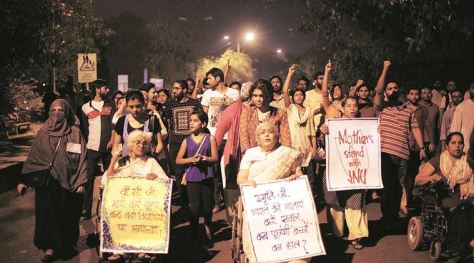
Mothers’ Manifesto: Mothers Stand With JNU

Guest Post by ‘Mothers Stand With JNU‘ 

[On Mothers’ Day, 8th May 2106, which was also the 11th Day of the Indefinite Hunger Strike by JNU students in protest against the vindictive measures taken against them by the university authorities, a group that has named itself ‘Mothers Stand With JNU’ joined the protest in solidarity. This is the ‘manifesto’ that they released on the occasion.]

13096182_963393620396364_2922119042104761582_n

Continue reading Mothers’ Manifesto: Mothers Stand With JNU

Appeal to JNU Alumni Friends and Delhi Citizens – Join the JNU Students on 10th Day of the Indefinite Hunger Strike: Sucheta De

Guest Post by Sucheta De


The JNU students have decided not to bow down. They have decided not to become just another brick in the wall. The JNU authorities have punished them with rustication, hostel eviction and steep fines for ‘raising objectionable slogans’, ‘taking part in unauthorised procession’ and ‘addressing the crowd’. Unable to frame charges, but desperate to act, RSS run VC has clearly started an ideological war on the students. And that is why, JNU students are saying we shall not accept your farman.

It is not difficult for them to collect the amount of money to be paid as fine. Workers, teachers, citizens have offered to collect money so that their studentship continues. Our comrades who faced media trial, lynch mob psyche came out from Tihar with stronger resolve to continue the struggle for justice and equality. They promised the nation that voice of the unheard will continue to be echoed through their slogans. One year of rustication and hostel eviction is nothing compared to what they have already faced. JNU students have not strated the idefinite hunger strike only to get punishments revoked. This struggle is to let the rulers know that their orders shall be resisted till the end.

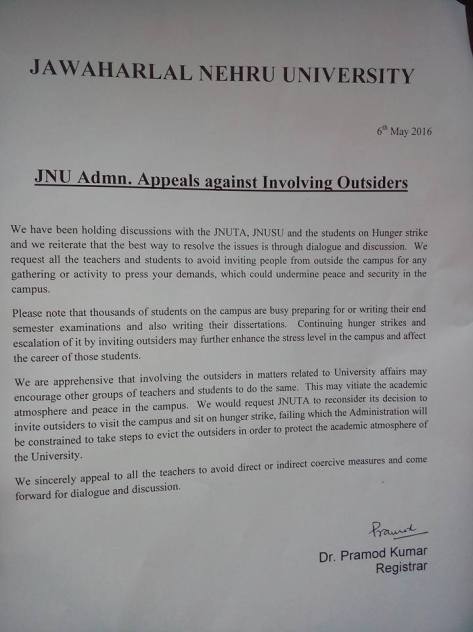
'Appeal' from JNU Registrar not to involve and invite 'outsiders' for protests in the University. The 'appeal' contains a veiled threat that this might provoke 'other groups' to invite 'other outsiders'.
‘Appeal’ from JNU Registrar not to involve and invite ‘outsiders’ for protests in the University. The ‘appeal’ contains a veiled threat that this might provoke ‘other groups’ to invite ‘other outsiders’.

Several of us have been JNU students. Several of us who have been trained to think that central universities are not for us, actually made it to JNU, came to the national capital and experienced that another world is possible. Families in the lowest income groups sent their children to JNU. We women who for the first time were treated as equal human being by fellow students and teachers, became part of the struggle for liberty of workers, women, dalits and the marginalised. We denied to be reduced to our immediate identities here in JNU, we became much larger. Other comrades have fought tough battles in other universities and in several parts of the country. We met on the streets for Kashmir, for Manorama Devi, For Khairlanji, for Narmada Valley, for FTII/HCU/DU/ Jamia. And today when ManuSmrti Irani’s ministry wants to teach the JNU students a lesson for daring to raise voice against oppression, let us all again flood the streets to defend the idea of JNU.

Since 27th  May, JNU students have started their indefinite hunger strike. In this scorching heat, none of are comrades in hunger strike are doing fine bodily. But they are high in spirit and resolve. The VC has sent them letter expressing his concern that the hunger strike is unlawful and it will have implication on their career.

Their hunger strike will reach its 10th Day on the 7th of May. JNU alumni students have called for relay hunger strike in solidarity with JNU students on the 7th May from 10am in the morning. This is an appeal to all old friends, class mates, hostel friends and comrades to join the relay hunger strike on the 7th. Also in the evening the JNUSU has called for a Human Chain from Ganga Dhaba at 5pm. Let us hold hands and fight back. Fight back for all students in the counry. Fight back so that every one can reach universities. Fight back so that the possibility of a better world is kept alive. Come friends, let us hold hands with JNU comrades on the 10th Day of their Indefinite hunger strike.

Sucheta De was a student in JNU from 2005 – 2014. She was president of the Jawaharlal Nehru University Students Union (JNUSU) in 2012. She is the current president of the All India Students Association.

जिशा, मेरी दोस्त, दलितों की जान इतनी सस्ती क्यों है? चिंटू

अतिथि पोस्ट : चिंटू

Josh
जिशा

जिशा, मेरी दोस्त मेरी यार, क्या कहूँ यार तुम्हारे साथ जो दंविये बर्बरता हुई उसके लिए मुझे  शब्द नहीं मिल रहे हैं कुछ कहने को. ये देश ये समाज हर रोज़ ऐसे झटके  देता रहता है और इतना देता है, इतना देता है, की हमारे लिए वीभत्स से वीभत्स घटना क्रूरतम से क्रूरतम घटना साधरण बन गई है और इन घटनाओं को पचाने की क्षमता में भी हम माहीर हो गए है. देखो न दोस्त, असाधारण कहाँ कुछ रह गया है. बचपन से आज तक तो यही सब देख- देख कर पले बढे हैं हम सब की, जो कुछ हो अपना हक़ मत मांगना, पढने लिखने की बात मत करना , बाप या भाई लात घूंसे  मार- मार कर तुम्हे अधमरा कर दे लेकिन एक शब्द भी उनके खिलाफ बोलने की गुस्ताखी मत करना, गाँव के उच्च जाति वर्ग के सामंती तुम्हे अगर छेड़े तुम्हारा बलात्कार करे तो उसका बहिष्कार मत करना कियोंकि ये तो उनका जन्म सिद्ध अधिकार है.

तुम्हारे लिए जो लक्ष्मण रेखा खिंची गई है उससे बाहर जाने की कोशिश की तो तुम्हारी शामत आना पक्की है. और शादी? ये तो दूसरी जात में तो दूर की बात अपनी जाति  में भी करने का अधिकार या आजादी की बात मत करना ये तय करना घर के बड़े पुरुषों के कंधे पर छोड़ो. सती सावित्री बनो, एक सद्गुणी बेटी, बहु और पत्नी बनो इसी में तुम्हारी भलाई है.


Continue reading जिशा, मेरी दोस्त, दलितों की जान इतनी सस्ती क्यों है? चिंटू