Category Archives: Right watch

विचार ही अब द्रोह !

(‘चार्वाक के वारिस : समाज, संस्कृति एवं सियासत पर प्रश्नवाचक ‘ की प्रस्तावना से)

कार्ल मार्क्‍स की दूसरी जन्मशती दुनिया भर में मनायी जा रही है।

दिलचस्प है कि विगत लगभग एक सौ पैंतीस सालों में जबसे उनका इन्तक़ाल हुआ, कई कई बार ऐसे मौके आए जब पूंजीवादी मीडिया में यह ऐलान कर दिया कि ‘मार्क्‍स इज डेड’ अर्थात ‘मार्क्‍स मर गया’; अलबत्ता, यह मार्क्‍स की प्रत्यक्ष मौत की बात नहीं थी बल्कि मानवमुक्ति के उस फलसफे के अप्रासंगिक होने की उनकी दिली ख्वाहिश को जुबां दिया जाना था, जो उनके नाम के साथ जाना जाता है। याद किया जा सकता है कि सोवियत रूस का विघटन होने के बाद और जिन दिनों पूंजीवाद की ‘अंतिम जीत’ के दावे कुछ अधिक जोर से उठने लगे थे, पूर्व सोवियत रूस के एक गणराज्य में बाकायदा एक पोस्टर मार्क्‍स की तस्वीर के साथ ‘‘मोस्ट वाटेंड’’ के नारे के साथ छपा था।

यह अलग बात है कि हर बार इस भविष्यवाणी को झुठला कर अग्निपक्षी/फिनिक्स की तरह मार्क्‍स राख से बार बार ‘नया जीवन’ लेकर उपस्थित होते रहे हैं। आलम तो यहां तक आ पहुंचा है कि 1999 में- अर्थात सोवियत रूस के विघटन के लगभग नौ साल बाद- बीबीसी के आनलाइन सर्वेक्षण में मार्क्‍स को सहस्त्राब्दी का सबसे बड़ा विचारक कहा गया था। Continue reading विचार ही अब द्रोह !

Stop The Criminalisation of Triple Talaq: Women’s rights activists

We, the undersigned individuals, women’s rights activists and allies of the women’s movements, are opposed to the Muslim Women (Protection of Rights on Marriage) Bill, 2018 in its present form. We appeal to the Members of Rajya Sabha to completely withdraw the Bill and significantly re-draft it in the interest of Muslim women.
The Muslim Women (Protection of Rights on Marriage) Bill, 2017, was passed by the Lok Sabha on December 28, 2017 and is pending before the Rajya Sabha. This Bill was not referred to a Select Committee as urged by the members of Rajya Sabha, but the Union Cabinet incorporated three amendments based on the issues raised by the Opposition. It included the provision of bail when the wife appears before the Magistrate, allowing only the aggrieved woman and her relatives (by blood or marriage) to file a complaint, and making the offence compoundable. Owing to severe opposition to this Bill in the Rajya Sabha, the Union Cabinet issued the Muslim Women (Protection of Rights on Marriage) Ordinance on September 19, 2018, which criminalised the pronouncement of triple talaq (or talaq-e-bidat) with punishment of up to 3 years of imprisonment and with fine.
We are writing on behalf of Muslim women from across the country and women’s groups to oppose this Bill, which is arbitrary, excessive, and violative of fundamental rights enshrined in the Indian Constitution. Overall, if this Bill is passed it would make Muslim women more vulnerable to violence, as well as harm their economic, household and social security.

Continue reading Stop The Criminalisation of Triple Talaq: Women’s rights activists

आई आई टी मद्रास – आधुनिक दौर का अग्रहरम !

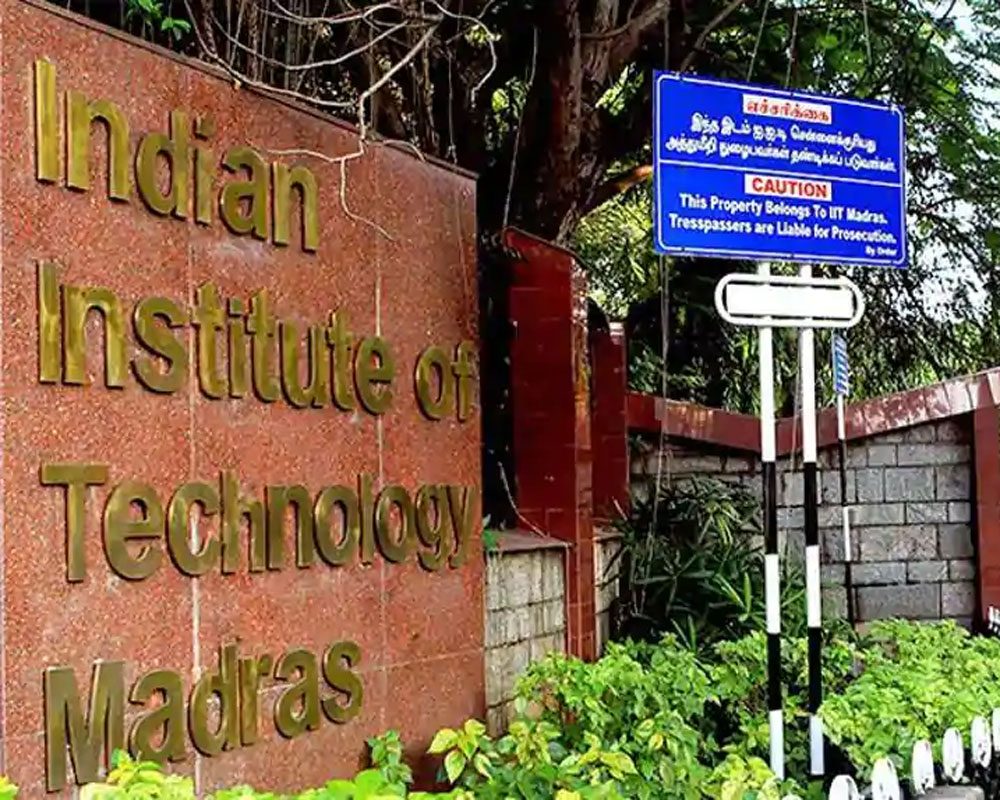
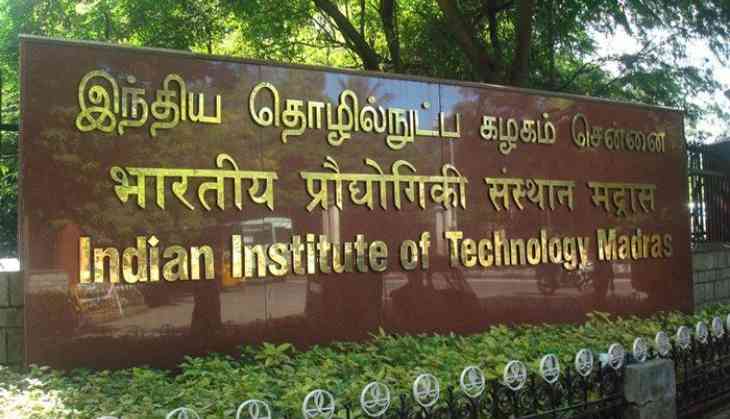
Image result for IIT Madras

नागेश / बदला हुआ नाम/ – जो आई आई टी मद्रास में अध्ययनरत एक तेज विद्यार्थी है, तथा समाज के बेहद गरीब तबके से आता है – उसे उस दिन मेस में प्रवेश करते वक्त़ जिस अपमानजनक अनुभव से गुजरना पड़ा, वह नाकाबिले बयानात कहा जा सकता है। उसे अपने गांव की जातीय संरचना की तथा उससे जुड़े घृणित अनुभवों की याद आयी। दरअसल किसी ने उसे बाकायदा मेस में प्रवेश करते वक्त़ रोका और कहा कि अगर वह मांसाहारी है, तो दूसरे गेट से प्रवेश करे।

मेस के गेट पर बाकायदा एक पोस्टर लगा था, जिसे इस नये ‘निज़ाम’ की सूचना दी गयी थी। यहां तक कि अपने खाने की पसंदगी के हिसाब से हाथ धोने के बेसिन भी बांट दिए गए थे। ‘शाकाहारी’ और ‘मांसाहारी’। एक रिपोर्टर से बात करते हुए नागेश अपने गुस्से को काबू करने में असमर्थ दिख रहे थे। उन्होंने पूछा कि आखिर आई आई टी का प्रबंधन ऐसे भेदभावजनक आदेश को छात्रों से सलाह मशविरा किए बिना कैसे निकाल सकता है। Continue reading आई आई टी मद्रास – आधुनिक दौर का अग्रहरम !

IIT-Madras, a Modern Day Agraharam ?

The institute’s recent order, now withdrawn, of separate entrance for non-vegetarians is just a part of the overall policing and push for vegetarianism after the Modi government’s ascent.
IIT Madras
Image Courtesy: Catch News


Nagesh (name changed), a bright student at the Indian Institute of Technology- Madras, who hails from a very poor economic background, had a shock of his life when he was entering the hostel mess. Someone literally stopped him at the gate and asked him to enter the mess from the other door if he is not a vegetarian.

A notice was duly pasted at the entrance of the mess, informing everyone of this ‘new order’. Even separate basins were demarcated for the students’ cuisine choices. Talking to a reporter with rage in his eyes, Nagesh questioned how the IIT-Madras management could issue such a discriminatory order without even consulting the students.

As of now, the notices have been removed after taking into consideration the uproar this ‘untouchability of a different kind’ caused at the national level. management is now trying to save itself by putting the blame on the caterer. Anybody can guess that a caterer, who is basically a contractor serving food for a fixed period, cannot suddenly disturb the existing arrangements, divide the mess into two separate sections, and have the courage ‘instructing’ his customers to use separate gates.

Commenting on this episode, the Ambedkar Periyar Study Circle – a student group within the institute- which brought this issue to national attention, says:

“Caste masquerades as something else in ‘modern’ society. In IIT Madras campus, it manifests itself as separate entrance, utensils, dining area and wash area in the mess for vegetarian and non-vegetarian students…:

( Read the rest of the article here : https://www.newsclick.in/iit-madras-modern-day-agraharam)

Continue reading IIT-Madras, a Modern Day Agraharam ?

Statement by JNU faculty against targeting of complainants of sexual harassment by ICC

We, the undersigned faculty at the Jawaharlal Nehru University express our shock and outrage at the extreme penalties recommended against a doctoral student for bringing a sexual harassment complaint against her teacher.

According to a report in the Indian Express (dated 13 December 2018),  JNU’s Internal Complaints Committee (ICC) has decided to punish a student for allegedly filing a ‘false’ sexual harassment complaint against a teacher in what it has deemed to be a ‘frivolous’ complaint. While we are not privy to either the details of the complaint or the justification the ICC has for arriving at this conclusion — rather than simply noting the failure to substantiate a complaint— we find the severity of the penalties imposed extremely troubling.

Continue reading Statement by JNU faculty against targeting of complainants of sexual harassment by ICC

पवित्र गाय, त्याज्य लोग !

..बुलंदशहर की घटनाएं इस बात की ताईद करती हैं कि  हिंदुत्व वर्चस्ववाद का यह नज़रिया जिसमें मानवीय जीवन के प्रति गहरी असम्वेदनशीलता और असम्पृक्तता  टपकती है और जो एक चतुष्पाद को पूजनीय बनाती है, आज उरूज पर है।..

( Photo Courtesy : indianculturalforum.in)

कभी कभी एक अदद वक्तव्य किसी नेता की एकमात्र निशानी बन कर रह जाती है। विश्व हिन्दू परिषद के नेता गिरिराज किशोर इसका क्लासिकीय उदाहरण कहे जा सकते हैं जिनका नाम लेने पर अक्सर उनका विवादित वक्तव्य ही लोगों की जुबां पर आ जाता है। याद है कि उन्होंने कहा था कि ‘‘पुराणों में गाय को मनुष्य से अधिक पवित्रा समझा गया है।’’

वह अवसर बेहद शोकाकुल करनेवाला था, जब उनका वह वक्तव्य आया था। दिल्ली से बमुश्किल पचास किलोमीटर दूर दुलीना नामक स्थान पर पांच दलितों की भीड़ द्वारा पीट पीट कर हत्या कर दी गयी थी Continue reading पवित्र गाय, त्याज्य लोग !

Sacred Cows, Disposable Humans

The Bulandshahr mob killings show that the Hindutva Supremacist world view, which has complete apathy and indifference toward human life and puts a four-legged animal on a pedestal, is on the ascendance.

mob lynching

“It is a curious people. With them, all life seems to be sacred except human life.”

– Mark Twain on Indians.

A single quote sometimes remains the sole memory of a leader.

Giriraj Kishor, a Vishwa Hindu Parishad (VHP) leader, can be considered a classic example to demonstrate the thought behind Mark Twain’s quote. Kishor had rather (in)famously said, “Cow is considered more sacred than human beings in the Puranas(Hindu scriptures)”. The occasion was a tragic one when five Dalits — who were carrying dead cows — were lynched by a vigilante mob in front of a police station (Dulina, Jhajjar in Haryana, October 2002) with many senior government officials turning mute spectators.

The spectacle-type killing was followed by another grotesque drama when police personnel, who by their inaction had connived with the crime, promptly sent the dead cows for examination, and filed cases against the dead Dalits over cow ‘slaughter’.

Kishor died few years ago but the worldview he represented, which has complete apathy and indifference towards human life and which puts a four-legged on the pedestal, is on the ascendance.

( Read the full text here : https://www.newsclick.in/sacred-cows-disposable-humans)

Ideas as Crime in a Majoritarian Democracy

idea as crime in democracy

Image Courtesy: Vappingo

To such a degree has Religion fuelled conflict, complicated politics, retarded social development and impaired human relations across the world, that one is often tempted to propose that Religion is innately an enemy of Humanity, if not indeed of itself a crime against Humanity … it is time that the world adopted a position that refuses to countenance Religion as an acceptable justification for, excuse or extenuation of – crimes against Humanity.

-Wole Soyinka

A modern critique of Sacred Books of any religion — which are worshipped by its followers — is an act which is full of dilemmas.

What should one say if they have references about burning of infidels, permitting a man to marry many women, instructing the rulers to cut somebody’s tongue or pour hot lead into somebody’s ears if s/he sings/listens to religious hymns, ordering a particular section of its devotees to be kept aloof even from places of worship or spotting a ‘divine figure’ engaged in abusing one’s own daughter or harassing women.

Should a critical intellectual just look the other way, pretending that s/he does not see, decide to keep quiet or rationalise such acts to further re-ensure her/his faith or say few things, albeit in a mild tone, that such acts do not match modern values?

And what should a modern state — which claims to be not based on faith — do in such a case? Facilitate flourishing of such critiques or allow faith merchants/fanatics of different shades to criminalise such acts taking recourse to its own statue books.

( Read the full article here : https://www.newsclick.in/ideas-crime-majoritarian-democracy)

An Open Letter to Brinda Karat about Rehana Fathima: Why are we being hunted in Kerala?

Dear Comrade

Last year, around this time, I wrote you an open letter about the plight of Hadiya Asokan who was being hunted down by the Hindutva groups for her choice of faith and partner while the CPM and its cyber force was either actively abetting the violence or watching passively. I wrote in joy, because you had taken a firm stand and despite angry howls of protest against you from your own party. However, this time, I write in sheer despair at your silence; not just yours, but of the AIDWA in Kerala in general, in the wake of the twisted machinations of the Hindutva forces around the Supreme Court’s order permitting the entry of women of menstruating ages to the Sabarimala temple. Continue reading An Open Letter to Brinda Karat about Rehana Fathima: Why are we being hunted in Kerala?

Under the Shadow of ‘Holy Book!’

Inching Towards Majoritarian Democracy

Image result for madhu dandavate

( Madhu Dandavate)

1.

These are times when the state of democracy is a cause of worry everywhere. With the emergence of populists, demagogues of various hues as custodians of the future of their countries, growing fascination for illiberal ideologies among masses in different parts of the world, the concern is not misplaced and it is apt that we are having this brainstorming where our focus would be on India itself.

‘Working Group on Alternative Strategies’ – which comprises of some of the finest public intellectuals and activists of our times – need to be thanked that they have been organising such seminars since last thirteen years and in this way commemorating the life and works of Prof Madhu Dandavate, a great Parliamentarian and Socialist ideologue. Continue reading Under the Shadow of ‘Holy Book!’

One month at an Indian Yoga Centre: Dhruv Ramnath

Guest post by DHRUV RAMNATH

“When you are in India, you must follow Modi. When you are in America, you must follow Trump,” said the semi-literate Odia instructor to a batch of 70-odd students at Swami Vivekananda Yoga Anusandhana Samsthana (S-VYASA), a university which received crores from our prime minister not so long ago. 30 kms from Bangalore, its Vice-Chancellor, Dr. H. R. Nagendra (“Guruji” to his devotees), went further. “Thanks to Modi, we are now taking yoga to the world,” he said on the first day. Both the Odia speaker and Guruji told us to “have a smile on our face all the time”. Repeated so often whilst we performed our asanas, it became patently corny and destroyed any sense of feeling welcome and of enjoying a simple, one-hour class.
Continue reading One month at an Indian Yoga Centre: Dhruv Ramnath

Love Patriarchy, Hail Hindu Rashtra!

From Hindu Code Bill to Sabarimala via Roop Kanwar’s Sati — keeping women subjugated under the cloak of tradition
Sati System

It was the mid-1980s when a 18-year-old Roop Kanwar’s burning on the pyre of her husband — under controversial circumstances — had made national headlines. There was national outrage over the incident because more than 150 years after the banning of this custom — the practice of Sati, was seeing a revival of sorts. One can still recollect how thousands of women had come out on streets then in different parts of North India, glorifying the act in the name of tradition.

Women were ‘celebrating’ a woman’s self-immolation on the pyre of her husband and resisting state intervention which wanted to enforce her autonomy, her individuality!

This may sound strange today, but was true!

India, had its ‘Roop Kanwar moment’ — albeit a bit differently — once again recently when in  Kerala women came out in hundreds or thousands to resist the implementation of Supreme Court judgement that had removed the bar on women aged 10-15 or ‘menstruating women’s entry in the temple of Ayappa at Sabarimala’.

( Read the full article here : https://www.newsclick.in/love-patriarchy-hail-hindu-rashtra)

Bharatiya Janata Party or Bharatiya Jumla Party !

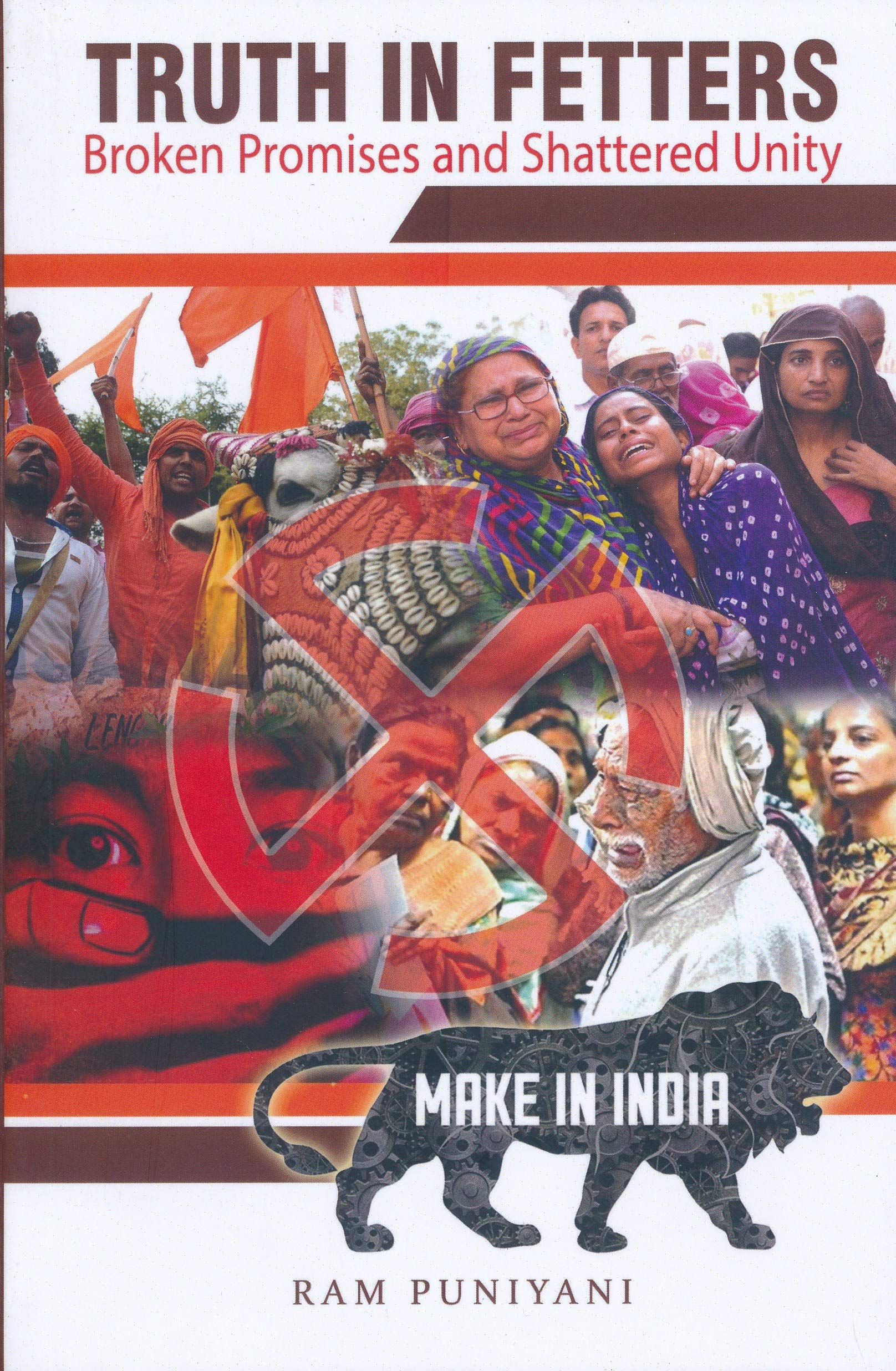
Review of ‘Truth in Fetters : Broken Promises and Shattered Unity’

Image result for media house ram puniyani truth in fetters

“Change is in the air”!

A retired academic who had his last assignment as Vice Chancellor of a leading university said to me the other day, while we were discussing the contemporary political scenario. Frankly admitting that he had supported Modi’s candidature then and had even discreetly campaigned for him, during 2014 elections, he said that what a ‘disaster’ it has been these last four and half years to our polity with him at the helm of affairs.

What surprised me more was that he was from Eastern UP and belonged to one of the dominant upper castes in the region. Continue reading Bharatiya Janata Party or Bharatiya Jumla Party !

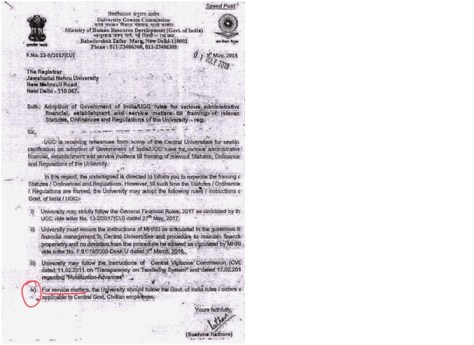
The Imposition of CCS Rules in Central Universities: Statement by JNU faculty

THIS IS A STATEMENT PREPARED BY JNU FACULTY

In the wake of the protests in universities about a number of disastrous policy level changes — huge fund cuts for the University Grants Commission, state governed divestment from the higher education in the name of graded autonomy, tampering with reservation policy in both drawing up recruitment and in college administration, casualisation and reduction of employment in universities, widespread corruption, as well as authoritarian clampdown on free speech and thought — the government has now sought to muzzle teachers voices through the induction of the Central Civil Service (Conduct) Rules to govern the conduct of faculty in Central Universities.


Continue reading The Imposition of CCS Rules in Central Universities: Statement by JNU faculty

Rehana Fatima and the Goons: A comment on the good-cop-bad-cop game that’s on in Kerala

Yesterday’s high drama at Sabarimala told us quite a lot about the games that politicians play in Kerala. Rehana Fatima, a young woman activist who decided to take the challenge (it is now a challenge, since the trekking path to the shrine is in effect controlled by Hindutva goons heaping verbal abuse, threatening open violence, and using children as shields) had to face not only the naked threats of the so-called bhakths and the vandalisation of her home at Kochi by the same elements, she had also to swallow the Kerala Minister Kadakampally Surendran’s jibe that Sabarimala was not a playground for ‘activists’! By saying so, he hinted that only ‘pure’, ‘untainted’ women believers who are apparently by definition not activists, can be helped by the Kerala Police to reach the shrine. So much for Pinarayi Vijayan’s evocation of Kerala’s legacy of enlightened Hinduism!

This is a piece I wrote in the TOI today on the issue.


Keep Calm and Carry On: Dealing with Patriarchal Carpet Bombing in Kerala

For all women in India, what is happening in Kerala should be an eye-opener.  This is how Indian society rewards you for reaching the top, aspiring seriously to be on top, and actually asking questions to authorities about why they keep drawing on women’s energies and resources while simultaneously undermining the very ground on which they survive. In Kerala, two things are going on: there is on the one hand, a vicious gang led by Rahul Easwar which is openly threatening women who would dare to enter Sabarimala with the worst kinds of violence, on the other, the horrid misogyny of the press was revealed at the press conference held by the Women in Cinema Collective who expressed their deep disquiet at the way in which the organization of cinema actors, AMMA, and its president Mohanlal, were eager to protect oppressors and ignore survivors. Also, even male intellectuals who have been very supportive of feminist and gender justices causes have been named in the MeToo campaign among journalists in Kerala.

Kerala is a society where, in the past twenty years, we have seen women come up everywhere — in journalism, literature, academics, cinema, architecture, engineering, art, management, sports, trade unionism, activism. Women in Kerala have been the force of social democratizing as evident from the struggles ranging from the Munnar tea garden workers’ struggle to the brave nuns protesting against sexual violence. For sure, a very large number of women in Kerala are ultra-conservative, and that is apparent both in their presence in the muck that Easwar and his gang are raking up in Kerala, as well as in the shameless way in which some of them were emboldened to hurl caste insults at the Chief Minister of Kerala. This is therefore reminiscent not so much of the Battle of Britain in World War II, but for the Battle of Stalingrad — which was heavily bombed by the Luftwaffe, even as there was hand-to-hand combat on the ground for control of the tiniest slices of the city, and where the city residents were often subject to the terrors of both the Nazi and the Soviet sides alike.

If you want to see male hubris overflowing, please take a look at this video, of https://www.facebook.com/plugins/video.php?href=https%3A%2F%2Fwww.facebook.com%2FWomeninCinemaCollectiveOfficial%2Fvideos%2F249328929064857%2F&show_text=0&width=267“>the press conference held by the Women in Cinema collective. All I can tell us all is, Keep Calm and Carry on. After all, unlike in the World War II, the ammunition of these creeps need not hurt us at all; it can make it only more powerful.


സ്ത്രീവാശിയുടെ ആവശ്യകത :ശബരിമലപ്രശ്നം, സ്ത്രീകൾ, സാമൂഹ്യജനാധിപത്യം

അഭിനവ അച്ചിയാകാൻ എനിക്കു സമ്മതമില്ല. അതുകൊണ്ട് രാഹുൽ ഈശ്വറെ എന്തുവില കൊടുത്തും ഞാൻ എതിർത്തു തോൽപ്പിക്കും.

കുറേ സ്ത്രീകളെ തെരുവിൽ കൊണ്ടുവന്ന് ആചാരസംരക്ഷണത്തിൻറെ പേരിൽ സ്വന്തം താത്പര്യങ്ങൾക്കെതിരെ സംസാരിപ്പിക്കുക, അവരുടെ പൊതുജീവിതപരിചയമില്ലായ്മയുടെ ഫലങ്ങൾ കൊയ്തെടുക്കുക (പിണറായിയെ ജാതിത്തെറി വിളിച്ച ആ വിഡ്ഢിസ്ത്രീ തന്നെ ഉദാഹരണം), ബ്രാഹ്മണമൂല്യങ്ങൾ തങ്ങൾക്കു സമ്മാനിക്കുന്ന അപമാനഭാരത്തെ ആത്മീയസായൂജ്യമായി എണ്ണുന്ന അഭിനവ അച്ചി-സ്ഥാനത്തെ ഉത്തമസ്ത്രീത്വമായി ചിത്രീകരിക്കുക –ഇതൊക്കെയാണ് ശബരിമലപ്രശ്നത്തിൽ കേരളത്തിലെ ഹിന്ദുത്വശക്തികൾ ചെയ്തുകൊണ്ടിരിക്കുന്നത്. Continue reading സ്ത്രീവാശിയുടെ ആവശ്യകത :ശബരിമലപ്രശ്നം, സ്ത്രീകൾ, സാമൂഹ്യജനാധിപത്യം

നായർസമുദായാഭിമാനികളോട്: ശബരിമലപ്രശ്നം ഉയർത്തുന്ന ചില ചോദ്യങ്ങൾ

നായർ സർവീസ് സൊസൈറ്റി ശബരിമലപ്രശ്നത്തിൽ പുനഃപരിശോധനാഹർജി സമർപ്പിച്ച സ്ഥിതിയ്ക്ക് ആ പ്രസ്ഥാനത്തോട് നായർസമുദായത്തിൽ ജനിക്കാനിടയായ ഒരു സ്ത്രീയെന്ന നിലയ്ക്ക് എനിക്ക് ചില ചോദ്യങ്ങളുന്നയിക്കാനുണ്ട്. Continue reading നായർസമുദായാഭിമാനികളോട്: ശബരിമലപ്രശ്നം ഉയർത്തുന്ന ചില ചോദ്യങ്ങൾ

The BabriMasjid/Ayodhya Judgement of 2010 – Some questions for today


Babri Masjid before its demolition. It was still a mosque in 1992 when Hindutva mobs demolished it, and namaz was offered there until 1949 when under growing pressure from Hindutva forces, it was locked and made out of bounds for the public. However, Hindu puja was permitted there once a year.

This post is an analysis of the Allahabad High Court judgement of September 2010, on the BabriMasjid /Ayodhya issue. The final judgment ruled that the disputed land would be divided into three parts, one third going to the Hindu Maha Sabha which represented Ram Lalla, one third to Sunni Waqf Board and the rest to Nirmohi Akhada including Ram Chabutara and Sitaki Rasoi.

This essay was written at the time, and published in Economic and Political Weekly. Two of the key issues of this case arose in two of the recent judgments of the Supreme Court on other matters.

One, the status of ‘Next Friend’, which is central to the Ayodhya case, was brought up in the judgement on the Bhima- Koregaon Five. Regarding  the PIL filed by historian Romila Thapar and four other eminent persons challenging the alleged-unlawful arrest of these five activists,

the court assumed that the writ petition has now been pursued by the accused themselves and was of the opinion that the petition, at the instance of the next friend of the accused for an independent probe or a court-monitored investigation cannot be countenanced, much less as a PIL as the petitioners cannot be heard to ask for the reliefs which otherwise cannot be granted to the accused themselves.

Two, the status of the deity as a person in law came up centrally in the judgement on Sabarimala.

Apologies for posting this long piece, which is not a blog post but an analytical essay closely examining the 2010 judgement by Allahabad High Court. I have not updated it in any way, as that is the judgement that currently stands. The  case is currently in the Supreme Court.

The Ayodhya judgement: what next?

 Published in Economic and Political Weekly Vol 46 No. 31 July 30 – August 05, 2011

Since the Allahabad High Court judgement on the Ayodhya dispute was delivered on September 30, 2010, a substantial body of reflection upon it has emerged. Historians, political commentators, legal scholars and lawyers have all produced serious and engaged critiques of the judgement, pointing out flaws in reasoning and flaws in law. In an engagement with the debate so far, particularly with the critical voices, of which I am one, I hope here to develop a composite picture of the problems with the judgement, currently under appeal in the Supreme Court. And to ask, what are its weakest links?

Continue reading The BabriMasjid/Ayodhya Judgement of 2010 – Some questions for today

The Impossible Gandhian Project and its Limits – Remembering the Mahatma Today

Gandhi, Nehru and Azad, Wardha 1935, image courtesy Governance Now

Majboori ka naam Mahatma Gandhi (Roughly: Compulsion thy name is Mahatma Gandhi)

I have grown up hearing this expression and have often wondered about its meaning and at the almost proverbial status acquired by it. Whose majboori or compulsion was Gandhi really? Well, at one level, everybody’s, for practically every current within the anti-colonial struggle was uncomfortable with his presence and his leadership. Jawaharlal Nehru had even remarked once that after independence, his fads would have to be kept in check. All nationalists who fought for independence from colonial rule (as opposed to the pseudo-nationalists who tried to convert it into a cow-protection movement) had their gaze fixed on the state. They wanted control of that coveted instrument – that was the crux of their anticolonial struggle. There were others like BR Ambedkar, who too invested a lot in the state but realized that the state in the hands of the nationalists would be a disaster for his people. But no one among them (poet-thinkers like Tagore apart) was prepared to look beyond the state. And Gandhi’s disavowal of the state – and of politics as such – was something that no one could digest. More than anything else, that was what made him a majboori for this set of people who could only lay their hands on their object of desire as long as Gandhi was in the leadership – for he alone could move millions like no one among his contemporaries could.

But my hunch is that these were not the people who coined this expression. Gandhi was a bigger majboori for another set of people who were, ironically, equally disinterested in the state and its ‘capture’ – at least till recently. Yes, these were the different currents of the Hindutva Brigade (VD Savarkar of the Hindu Mahasabha and his followers and the Rashtriya Swayamsevak Sangh). They had to tolerate Gandhi – that is exactly what their majboori meant – till they could finally eliminate him. And it was one Nathuram Godse, with connections to both Savarkar and the RSS, who eventually killed him. There were earlier attempts too on Gandhi’s life – all from upper caste Hindus (one lot being Chitpavan Brahmins). Continue reading The Impossible Gandhian Project and its Limits – Remembering the Mahatma Today

Sewer Workers Deaths – The Meaning of Dalit for Bhartiya Janta Party

Guest post by PRAVEEN VERMA

If Prime Minister Narendra Modi were to write about the recent deaths of sewer workers in India, the headline would be:

Some people attained moksha (nirvana) while experiencing spirituality,

Protest against deaths in sewers, photo courtesy The Hindu

In his casteist book Karmayog, he wrote that manual scavenging is a spiritual experience, hence if some people die during cleaning sewers manually, that would be attaining moksha! In a caste Hindu society this should have been a matter of joy, that even in Kaliyuga, there are still some ‘pious’ soul who could give up all moh-maya and do this punya karma! How true this depiction/ description, one feels like saying: why not make the umpteen godmen-led spiritual movements in India take this route to spiritual moksha? This would perhaps have saved the many rapist-rioter babas from arrest and they could truly do their prayaschit (atonement) in these various, very Indian jails. This is after all the real world of this ‘spiritual experience’ of manual scavenging/sewer cleaning, where ‘Moksha’ means institutional killing!

Continue reading Sewer Workers Deaths – The Meaning of Dalit for Bhartiya Janta Party