Category Archives: Capitalism

Agony of COVID-19 and the Lockdown – Who is Afraid of ‘Class’? Maya John

Guest post by MAYA JOHN

This essay is the second part of a two-part series on Society in the Time of Covid 19. The first part appeared in Kafila on 5 April and can be read here.

The ideas of the ruling class are in every epoch the ruling ideas…Karl Marx, The German Ideology (1845)

The Bolshevik slogans and ideas on the whole have been confirmed by history; but concretely things have worked out differently; they are more original, more peculiar, more variated than anyone could have expected. – V.I. Lenin, Letters on Tactics (1918)

रहिमन विपदा हू भली, जो थोरे दिन होय हित अनहित या जगत में, जान परत सब कोय

Crisis of a few days is better/ For it reveals who is friend and who is foe. – Khanzada Mirza Khan Abdul Rahim Khan-e-Khana, ‘Rahim’      (1556 – 1627)

Looking at what transpires each day of this epidemic coupled with lock-down, people appear to be plucked out of heterogeneous circumstances and placed in the homogenous time of “Corona”, putting all things in abeyance. The battered housewife whose alcoholic husband grows restless with every day; mourning relatives who’ve lost a loved one and struggle to make it to the last rites; the live-in ‘maids’ whose workday begins at the crack of dawn; the municipal worker who continues to de-clog our sewer lines to prevent the chance of reverse flow in our commodes; the young, newly-wed construction worker who’s anxious about his wife in the village; the tired nurse who fears she’s contracted the wretched infection; among many other circumstances of life are part of this moment, the epidemic-cum-lock-down. The coupling of epidemic and lock-down has created confusion for some people in terms of which of the two is deadlier. For many this is an unprecedented, exceptional time. But for others this moment is not new but rather a repetition of the similar course of life, with the addition of just another fear. Many are puzzled by how, among all the life-threatening contagious diseases and illnesses in circulation, “Corona” gained prominence.

Continue reading Agony of COVID-19 and the Lockdown – Who is Afraid of ‘Class’? Maya John

E-commerce platforms: Corona Warriors or Disaster Capitalists?

This is a Guest Post by ANITA GURUMURTHY and NANDINI CHAMY


In 2007, in her book, ‘Shock Doctrine’, Naomi Klein argued that history is a chronicle of “shocks” – the shocks of wars, natural disasters, and economic crises, but more importantly, of their aftermath characterised by disaster capitalism, calculated, free-market “solutions” to crises that exploit and exacerbate existing inequalities. This is why Big-Tech-to-the-rescue in times of the virus does not strike the right chord. It started with the lockdown order issued by the central government on March 24 with the exemption for essential services and supplies getting extended to delivery of foods, pharma products and medical equipment through e-commerce channels. The upper classes had to be assured that their means of shopping would not be affected. Notably, the order issued no such explicit exemption on the movement of foodgrains through Food Corporation of India channels, integral to the Public Distribution System. The lockdown order was a candid admission that e-commerce companies have now become infrastructural utilities indispensable to India’s aspirational middle class.

Continue reading E-commerce platforms: Corona Warriors or Disaster Capitalists?

Life After Capitalism and the New ‘al Shatir-Copernicus’ Revolution – Manifesto of Hope II

[This is the second of a four-part series. Other parts can be accessed Part I here, Part III here and Part IV here]

In the previous instalment of this series in Parapolitics, I had discussed the situation arising out of the Covid 19 pandemic in terms of the possible implications of the global lockdown and ‘quarantine of consumption’, for post-capitalist futures. In this part, I will discuss (a) the conditions that make such futures not just imaginable but possible and (b) indicate certain directions that such futures are already taking – for the paths that we tread now are the ones that lead to the future.

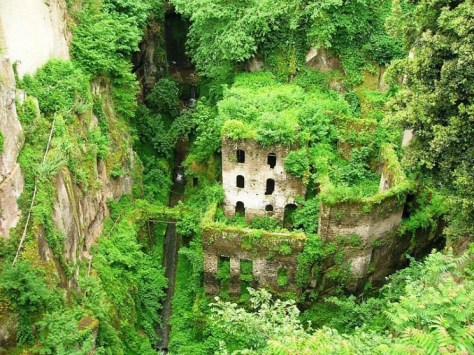
Sorrento Abandoned Mill near Naples, Italy Source: Mentnafunangann/Wikimedia Commons

Theory/ Concept/ Discourse

Since all talk of post-capitalist futures only sounds outlandishly utopian and out of sync with what we see around us with the ‘naked eye’ as it were, it is necessary to first clear our field of vision a little. And, let us be very clear here that this ‘clearing of the field of vision’ is not, in the first instance, about practices on the ground but about the field of knowledge – and theory in general. And before any hard-boiled hysterical-materialist tries to tell us that all this is idealism and that the ‘real’ stuff is materiality and things only happen in practice, I want to make three general points here. First, for the more theologically oriented: it was Lenin who said repeatedly that ‘without revolutionary theory, there cannot be any revolutionary movement.’ (What is to be Done?) Not only that, he also insisted (after Kautsky) that left to its own, the working class movement could only produce ‘trade union consciousness’ and that ‘socialist theory’ had to be imported from outside (basically bourgeois intellectuals) into the working class movement. This understanding was to lead to all kinds of problems including vanguardism but we will let that be for now.

Continue reading Life After Capitalism and the New ‘al Shatir-Copernicus’ Revolution – Manifesto of Hope II

After Covid-19, We Should All Be Cuba

The pandemic has exposed wealthy states’ neglect of healthcare. A new medical internationalism is needed.

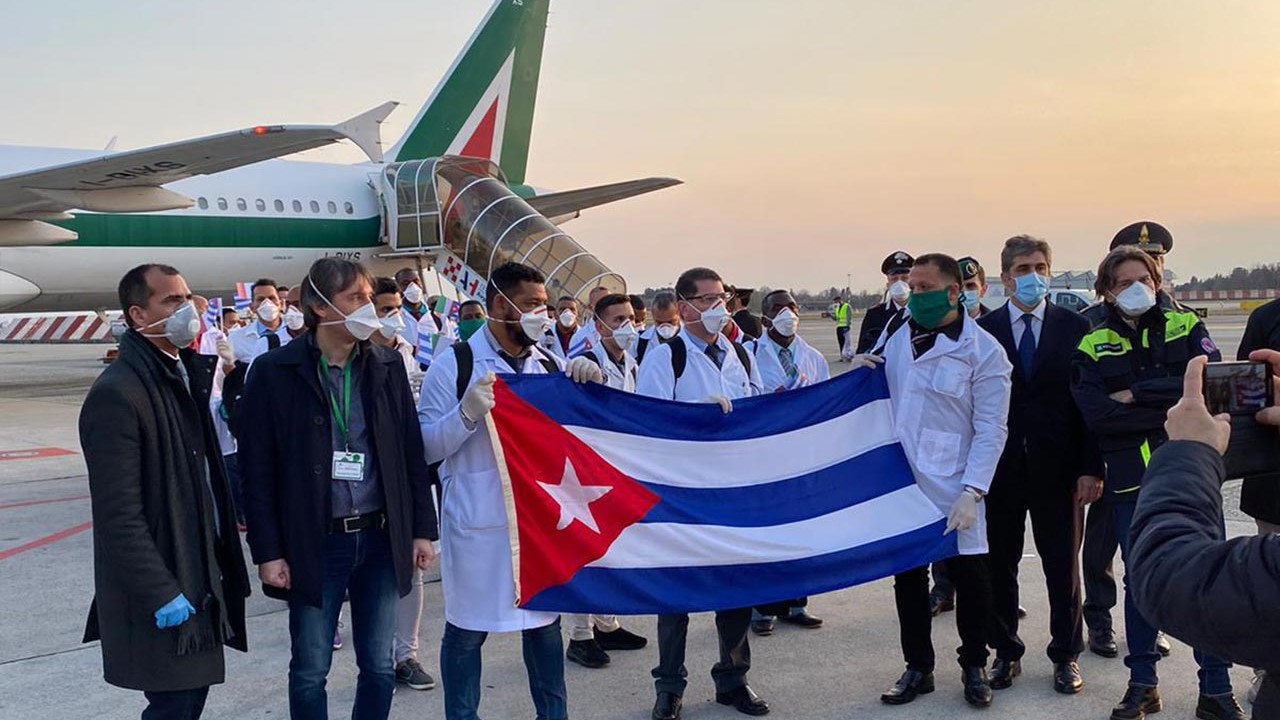
Cuban doctors prepare to leave for Italy to provide medical aid.

Image Courtesy: Malpensa airport website

Rare are those photographs which can be declared iconic right after they are taken, without awaiting the approval of the connoisseurs, critics or people. It is an ordinary-looking photo, of a large team of people, dressed in white robes, disembarking from a plane and being welcomed by someone wearing a white coat too. Take a closer look at the frame and you will note a mood of jubilation among the people who are watching them from the airport’s lounge.

The photo is of Malpensa airport at Milan, an alpha-global city recognised so far as one of the world’s four fashion capitals and the capital of North Italy’s Lombardy region. Today, it has also come to be known as a hotspot of Covid-19 infections, a site where thousands have died of the infection. The picture we are talking about is of 52 doctors and nurses from Cuba who arrived in Italy on invitation from the regional Italian minister of health and welfare, Giulio Gallera.

Italy, ironically, has been party for a long time to the economic sanctions imposed by the United States on this tiny Caribbean nation with a population of around 1 crore (10 million). The sanctions have been declared “illegal” by the United Nations time and again. But the anti-humanitarian attitude of the Italian ruling classes could not stop Cuba from sending its medical team there to combat Covid-19. Media reports tell us that Italy happens to be the sixth country—after Venezuela, Nicaragua, Jamaica, Suriname and Grenada—on the current itinerary of Cuban medical teams flying around to fight the pandemic.

( Read the full article here : https://www.newsclick.in/After-Covid-19-We-Should-All-Be-Cuba)

Corona, Capitalism and Civilisation : Ravi Sinha

Guest Post by Ravi Sinha

“Who do you blame it on? For a while it was China, until the most favourite target for the Indians appeared on the scene – you know who. When it comes to the business of blaming, Indians (a large percentage of them) would have loved it if the virus had originated somewhere in the Middle East or in Pakistan.

But new viruses have always appeared in human history, some more deadly than others. This one is the newest such calamity. Sure enough, humanity will be found standing on the other side of this crisis. But, how shall we count the losses after this mayhem is over?

Continue reading Corona, Capitalism and Civilisation : Ravi Sinha

करोना के कुछ ज़रूरी सबक़ : राजिंदर चौधरी

Guest post by RAJINDER CHAUDHARY

एक छोटे से वाइरस ने तीन बाते दोबारा याद दिला दी हैं. सब से पहली तो यह कि इन्सान कुदरत का एक छोटा हिस्सा ही है. भले ही यह बहुत प्रभावी हिस्सा है; कुदरत को तोड़ मरोड़ सकता है, मरुस्थल को हराभरा कर सकता है.  फिर भी यह कुदरत से ऊपर नहीं है, उस का मालिक नहीं है; यहे हरे भरे को मरुस्थल भी बना सकता है. कई वैज्ञानिकों के अनुसार घटते जंगलों और बढ़ती इंसानी बस्ती के चलते ही हमें करोना सरीखे वाइरस का इतना बड़ा डंक लगा है. भले ही आज सब का ध्यान करोना के कहर पर केन्द्रित है, और आशा है देर-सवेर उस का इलाज भी ढूंढ लेंगे, टीका बना लेंगे, पर जलवायु परिवर्तन और तेज़ी से ख़त्म होते पेट्रोल सरीखे नवीनीकरण-अयोग्य संसाधनों को भी न भूलें. यह भी न भूलें सारी वैज्ञानिक प्रगति के बावज़ूद प्रदूषण से बचने के लिए वाहनों पर सम-विषम का नियम लगा कर बनी हुई कार को चलाने पर रोक लगानी पड़ती है,  संयम अपनाना पड़ता है. उद्योग और निर्माण गतिविधि पर रोक लगानी पड़ती है.

Continue reading करोना के कुछ ज़रूरी सबक़ : राजिंदर चौधरी

Knowability and Unknowabiility of COVID-19 – Is There ‘Class’ in the Coronavirus Panic? Maya John

Guest post by MAYA JOHN

[This is the first part of a two-part series on ‘society at the time of Covid-19’]

‘An elephant was attacked by a house cat. Frustrated and trying to avoid the cat, the elephant accidentally jumps off a cliff in panic and dies.’ – Anonymous

‘The idea of the self-sufficient character of science (“science for science’s sake”) is naive: it confuses the subjective passions of the professional scientist, working in a system of profound division of labour, in conditions of a disjointed society, in which individual social functions are crystallised in a diversity of types, psychologies, passions …. The fetishising of science, as of other phenomena of social life, and the deification of the corresponding categories is a perverted ideological reflex of a society in which the division of labour has destroyed the visible connection between social function, separating them out in the consciousness of their agents as absolute and sovereign values.’ – Nikolai Bukharin, 1931

The specter of Covid-19 is haunting India and many other countries in the world. As the fear of the novel Coronavirus (SARS-CoV-2) grips India, and draconian state measures unleash havoc on the poor, it is imperative to trace back the clock so as to fully comprehend the underlying thrust of the current paranoia. Who have been carriers of the disease into India and what was done to identify and contain them? Whose paranoia is determining state policy? And are we possibly witnessing an ‘over-reaction’ shaped by the anxiety of upper classes? These questions imply the need, in class terms, for a closer scrutiny of the reasons behind the declaration of the pandemic.

Continue reading Knowability and Unknowabiility of COVID-19 – Is There ‘Class’ in the Coronavirus Panic? Maya John

Covid-19, the Climate Crisis and Lockdown – an opportunity to end the war with nature: Vishwas Satgar

This post written by VISHWAS SATGAR was first published in Daily Maverick

With the coronavirus, we are really trying to mitigate the revenge blow from nature. It’s a moment to be humble and realise our finitude in a wondrous and infinite natural order.

Covid-19 has pushed an already weak and crisis-ridden global economy over the edge. Massive value has been erased from crashing stock market prices. Many commentators are talking about the return of economic conditions similar to the great financial crash of 2007-2009. The most powerful countries in the world from China to the US have ground to a halt.

This pathogen, possibly from delicate creatures like a pangolin or a bat, has engendered the worst global pandemic since the Spanish flu (1918-1920), which killed 100-million people. Death rates are going up globally. Right-wing nationalists in Europe and the USA have been confused as this virus has jumped racist border regimes, and infected all populations. Citizens are no longer concerned about their racist messages, but rather about how to survive.

Continue reading Covid-19, the Climate Crisis and Lockdown – an opportunity to end the war with nature: Vishwas Satgar

Corona Biopolitics and Life After Capitalism – A Manifesto of Hope I

[This essay eventually became the first of a four-part series. The subsequent parts can be accessed Part II here, Part III here and Part IV here]

‘It seems we are massively entering a quarantine of consumption where we will learn how to be happy just with a simple dress, rediscovering old favourites we own, reading a forgotten book and cooking up a storm to make life beautiful. The impact of the virus will be cultural and crucial to building an alternative and profoundly different world.’ – Li Edelkoort, trend forecaster and fashion advisor

As large parts of the world reel under the impact of a lockdown that has prompted several people to recall the great lockdowns during the early twentieth century Spanisht flu and even the 14th centry plague, my thoughts in fact strayed in another direction. With international and national air traffic down to the barest minimum, with arenas of conspicuous consumption shut down, zillions of cars of the roads and construction activity to a halt, I was suddenly struck by a not-so-crazy thought: with all the suffering that a lockdown necessarily entails for the poorer sections of the population in particular, there might still be a silver lining here. Perhaps the temperature of the earth will have come down a few notches by the time we are done with this crisis and what is more, it might initiate a different mode of being in the world. It might give the world an opportunity to see what is continuously being denied by climate-deniers (as Naomi Klein recorded, backed by huge funds from right-wing US based foundations and  corporations). It might – it just might – reconnect us with what we have long left behind and have been longing for – a different pace of life where slow is beautiful, as it were.

Continue reading Corona Biopolitics and Life After Capitalism – A Manifesto of Hope I

The Need for a New Political Platform


[Beginning this week, ‘Parapolitics’ will be a fortnightly column appearing on the second and fourth Thursday of every month.]

We were never so helpless, never so bereft, never more in need of a platform of struggle. The need for a new political formation is acutely felt today as never before. And by a new formation I do not mean a party of the Left in any traditional sense but a different kind of left-wing formation that can act resolutely in defense of democracy.

Two developments of the past week – the crisis of Yes Bank and the defection of 22 Congress MLAs, led by Jyotiraditya Scindia, to the BJP – signal the deep crisis that we are in today. Reports suggest that each MLA was offered something like Rs 100 crore by the BJP to defect. These developments come close on the heels of a horrendous anti-Muslim carnage in Delhi where we have been witness to the the total collapse of all institutions. From the complete paralysis of the elected AAP government in the state and a Supreme Court that simply pretends not to see what’s going on, to a lapdog ‘media’ actively engaged in promoting violence – this collapse was perhaps never so evident in our history.

Continue reading The Need for a New Political Platform

CAA-NPR-NRC’s Impact on Urban Poor : National Coalition for Inclusive and Sustainable Urbanisation (NCU)


Guest Post by National Coalition for Inclusive and Sustainable Urbanisation (NCU)

The National Coalition for Inclusive and Sustainable Urbanisation (NCU) unequivocally condemns the unconstitutional and anti-constitutional CAA-NPR-NRC being unilaterally imposed by the National Democratic Alliance (NDA) government. The NCU is a network of activists, researchers, urban practitioners, lawyers, informal sector workers, collectives and individuals who, for the past two years have been involved with issues of urban class and caste inequalities and is continually monitoring this acutely dangerous social condition in our cities. Therefore, are working for an alternative paradigm of urbanization. These inequalities are brought to light when basic rights such as the right to housing, participation in governance mechanisms, right to livelihood and most importantly, equal right to the city, are denied to the urban poor.

India has been going through tumultuous times. The massive inequities in Indian cities are best highlighted by a recent Oxfam report. Shockingly, just 63 billionaires have more money than the entire budget of the government of India. This disparity is mirrored in asset holdings in cities. The difference between the top 10 per cent and the bottom ten per cent is 50,000 times in Indian cities! This is further accentuated by the huge informality that exists in urban India-93 per cent.This exposes the extreme vulnerabilities faced by urban population. Continue reading CAA-NPR-NRC’s Impact on Urban Poor : National Coalition for Inclusive and Sustainable Urbanisation (NCU)

കേരളത്തിൽ ജനാധിപത്യത്തിൻ്റെ ഭാവിയും അരാഷ്ട്രീയതയുടെ പിണറായിശൈലിയും

കേരളത്തിലങ്ങോളമിങ്ങോളം നടക്കുന്ന സിഏഏ-എൻ ആർ സി വിരുദ്ധസമരങ്ങൾക്കിടയിൽ നമ്മുടെയെല്ലാം   ഉള്ളുപൊള്ളയായ രാഷ്ട്രീയ അവബോധങ്ങളിലും സുഖസ്ഥലങ്ങളിലും നീറുപോലെ കടിച്ചുപറിക്കുന്ന ഒരു യാഥാർത്ഥ്യം — താഹയും അലനും സഹിക്കുന്ന അനീതി. യുഏപിഏ അറസ്റ്റുകൾ മുൻപ് മുസ്ലീംയുവാക്കളെ ഉന്നംവച്ചപ്പോൾ അവർ തീവ്രവാദികളാണെന്ന് – പലപ്പോഴും കാര്യമായ തെളിവൊന്നുമില്ലാതെ — വിശ്വസിച്ചു മനഃസാക്ഷിയെ  നാം പാട്ടുപാടി ഉറക്കിയതാണ്. പക്ഷേ ഇന്നത് പറ്റുന്നില്ല, കാരണം ഈ ചെറുപ്പക്കാരെ നേരിട്ടറിയാവുന്ന പാർട്ടിവിശ്വാസികൾക്കെല്ലാം അറിയാം, അവർ നിരപരാധികളാണെന്ന്. Continue reading കേരളത്തിൽ ജനാധിപത്യത്തിൻ്റെ ഭാവിയും അരാഷ്ട്രീയതയുടെ പിണറായിശൈലിയും

CAA-NRC: Turning India Into a Warzone of ‘Peace’

Is the Indian state turning into a religious dystopia, like some of its neighbours?

CAA-NRC: Turning India Into a Warzone of ‘Peace’

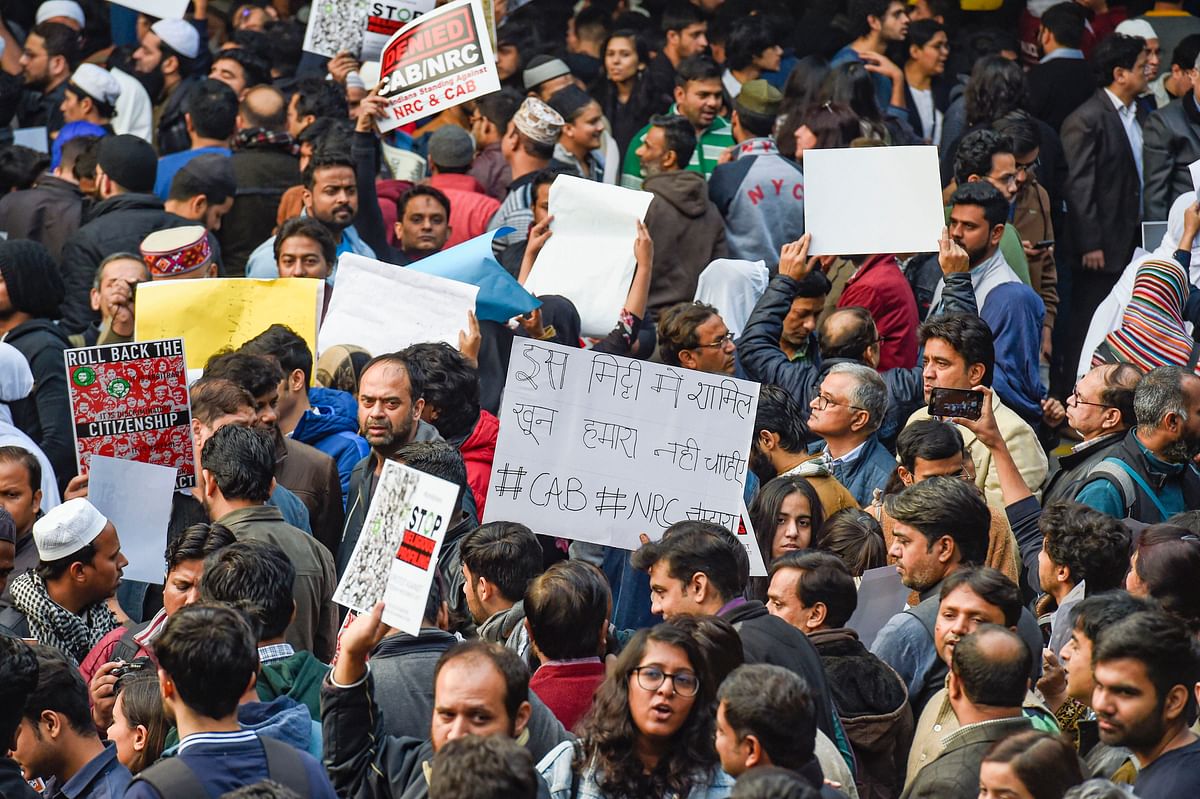
Image Courtesy: Free Press Journal

The Bharatiya Janata Party-led central government has pushed the Citizenship Amendment Act through, but it is struggling to manage its fallout and the national outrage that a related proposal to create a National Register of Indian Citizens or NRIC has generated. At first, BJP leaders desperately assured those who were excluded in the NRC, or national register of citizens, that was finalised in October this year for the people of Assam. Its pleas were meant to reassure the Hindus who were excluded in the state’s citizen-count that it would hold a fresh all-India count of citizens, in which they will be included. The reason for the BJP’s desperation was the outcome of the Assam NRC, which turned out to be contrary to its expectations: out of 19 lakh found “illegal” in the state, only about 5 lakh are Muslim, almost all the rest are Hindu.

Yet, the fears of the citizenship law, combined with the resistance to an all-India NRC, have now given rise to tremendous mass resistance across India. There have been massive marches and rallies in many places, some of them culminating in aggressive confrontations with police and security forces. There is an ongoing massive crackdown on several universities, including in Lucknow, Aligarh, and Delhi where students were agitating against the new citizenship law and the all-India listing of citizens or NRIC.

( Read the full story here : https://www.newsclick.in/CAA-NRC-turning-india-earzone-peace)

Why the JNU #FeesMustFall is a Mass Intersectional Movement: Paresh Hate

Guest Post by PARESH HATE

It has been more than a month that students in JNU have been protesting against the new IHA Hostel Manual. The fight had initially begun against the exorbitant fee hikes, introduction of curfew timings and dress codes, lack of reservations and deprivation points in the manual, and the undemocratic manner in which the manual was passed. At this juncture, the movement has become broader, and articulates its resistance to the National Education Policy and its defence of the idea of public university and what it stands for.

While there have been many attempts to characterize the students’ movement as anti-national and free-loading as usual by the right-wing media, it is clear that the political articulation of students has managed to transcend these limited dimensions offered by the discourse set by the public perception. Even the propagandists are this time at a loss as to how to demonise the movement. All they have been able to come up with is that the protests ‘disrupted traffic’ and that the protests are ‘political’. One is unable to understand how the latter is a jibe, when protests are obviously always political in nature, especially this one. The demonization of JNU is not simply about the social sciences, or left-oriented student politics, but also a manufacturing of consent toward the commercialization and a legitimizing of this government’s agenda to destroy public avenues of welfare. However, due to the developments that have taken place in the last few weeks, politics itself of the campus is churning, wherein what is emerging is a cultivated intersectional discourse that has resulted in the breathing of new life into the campus. Continue reading Why the JNU #FeesMustFall is a Mass Intersectional Movement: Paresh Hate

कितनी आज़ाद है ग्रामीण पत्रकारों की कलम? : पी. साइनाथ

Guest Post by P Sainath

(बनारस के पराड़कर स्मृति सभागार में 29 नवंबर, 2019 को “पत्रकारों पर हमले के विरुद्ध समिति” CAAJ द्वारा आयोजित कार्यक्रम में दिया गया व्याख्यान)

मैं पांच भाषाओं में बराबर खराब बोल सकता हूं। यहां मैं मुंबइया हिंदी में बोलूंगा। आप लोगों ने सम्मान दिया, किताब रिलीज करने को बुलाया, यह मेरे लिए सम्मान की बात है क्योंकि ग्रामीण भारत के बारे में बहुत कम छपता है। इस किताब में दस राज्यों से रिपोर्टें हैं। ये वे दस राज्य हैं जहां देश की आधी आबादी, करीब साठ−सत्तर करोड़ लोग रहते हैं। इसलिए ये बहुत अहम है। इसकी अहमियत समझने के लिए आप ये आंकड़े देखिए।

हिंदुस्तान के नेशनल अखबारों में ग्रामीण खबरें कितना छपती हैं, इसके लिए इनके फ्रंट पेज लीजिए। दिल्ली में एक संस्था है सेंटर फॉर मीडिया स्टडीज़। एन. भास्कर राव की। वो तीस साल से रिसर्च कर रहे हैं मीडिया के ऊपर। अभी उनका आपरेशन कमती हो रहा है क्योंकि मीडिया में रिसर्च को लेकर इंटरेस्ट नहीं रह गया है। अब मीडिया वाले मार्केट रिसर्च एजेंसी के पास जाते हैं, इनके पास नहीं जाते। सीएमएस की स्टडी में ग्रामीण खबरों पर एक रिसर्च निकला था। ये नेशनल डेली का पांच साल का डेटा है। नेशनल डेली का मतलब वे अखबार जिनका एक एडिशन दिल्ली से निकलता हो। हो सकता है कि एक ही एडिशन निकलता हो कुल दिल्ली से, लेकिन वो भी नेशनल डेली है। बाकी सब एंटी-नेशनल डेली हैं। तो नेशनल डेली के फ्रंट पेज पर पांच साल का एवरेज ग्रामीण खबर का स्पेस है 0.67 परसेंट। ग्रामीण इलाके में जनसंख्या क्या है? 69 परसेंट, 2011 के सेंसस में। 69 परसेंट आबादी को आप देते हैं 0.67 परसेंट जगह। अगर जनसंख्या के 69 परसेंट को आप 0.67 परसेंट जगह अखबार के फ्रंट पेज पर देते हैं तो बाकी पेज किस पर जाते हैं? फ्रंट पेज का 67 परसेंट नर्इ दिल्ली को जाता है। और यह 0.67 परसेंट भी एग्ज़ैग्जरेशन (अतिरेक) है। ऐसा क्यों दिखा रहा है? क्योंकि पांच साल का यह एवरेज है। इसमें एक साल चुनाव का साल है। अगर चुनाव का साल निकाल दें, तो डेटा 0.20 परसेंट आता है।

एक पत्रकार जो काम करता है, बिना इनसेंटिव के करता है। अपने आदर्शवाद के चलते करता है। आपको ग्रामीण पत्रकारिता से कोर्इ प्रमोशन नहीं मिलने वाला है। कोर्इ रिकग्नीशन नहीं मिलने वाला है। मैंने जब “एवरीवन लव्ज़ अ गुड ड्रॉट” किताब लिखी, तब ज़माना बदल रहा था। तब मुझे थोड़ा रिकग्नीशन मिला। इस किताब का नाम मैंने नहीं दिया। एक छोटे से किसान ने मुझे ये नाम दिया था। वो मेरे साथ गया था पलामू, डालटनगंज। लातेहार में हम पहुंचे एक दिन। मैंने सोचा सर्किल आफिस में जाएंगे। किसान का नाम था रामलखन। वो मेरे साथ गया। सरकारी आफिस में एक आदमी नहीं बैठा था। सर्किल अफसर नहीं, बीडीओ नहीं, कुछ नहीं था। वहां बीडीओ को बीटीडीओ कहते हैं। ब्लॉक द डेलपमेंट अफसर। मैंने पूछा− रामलखन, ये लोग कहां गया यार। उसने बोला, सब तीसरी फसल लेने के लिए गया है। आइ फेल्ट अ लिटिल स्टुपिड… ये तीसरी फसल क्या चीज़ है। मैंने बोला− मैं जानता हूं रबी, खरीफ़। डेढ़ सौ साल पहले एक तीसरी फसल थी जायद। ये तीसरी फसल क्या है मैं नहीं समझ पा रहा। उसने बोला− ये तीसरी फसल है ड्रॉट रिलीफ (सूखा राहत)। उसने कहा− यहां बड़े लोग इस तीसरी फसल को बहुत पसंद करते हैं। ये लोग अकाल को बहुत पसंद करते हैं। इस तरह मेरी किताब का नाम पड़ा।

( Read the full text here : https://www.mediavigil.com/event/how-free-are-rural-journalists-sainath-lecture-in-varanasi/)


Solidarity Statement by TISS Alumni with Students of JNU

We the undersigned, are alumni of the Tata Institute of Social Sciences.

We are appalled at the complete lack of sensitivity shown by the JNU administration and concerned government officials to the issues raised by the students on the recent proposal of irrational 999% hike in their fee structure. We also strongly condemn the inappropriate use of brute force by the police officials towards the peaceful protest of university students when they were demanding a roll back of this policy to keep higher education accessible for all, and to oppose imposing of regressive restrictions on the clothing and movement of students in the university.

Not just insensitive, the state has also used condemnable tactics to deal with the legitimate demands of the protesting students. Instead of using questionable means to stop students from peacefully protesting and approaching the policymakers, the government should have facilitated a dialogue with the students and paid heed to their demands. Continue reading Solidarity Statement by TISS Alumni with Students of JNU

Everyday Tips for Surviving Tyranny: Anonymous

Guest Post by ANONYMOUS

Suspected Banksy mural in London in support of environmentalist protest. 

As authoritarian right-wing populist leaders across the world unleash a reign of tyranny and hate, there is a need to think together about everyday strategies of survival. As an individual, it can get a bit overwhelming. Everything could look pointless. Many friends talk about how they find it impossible to write or work in an atmosphere of hate and violence. However, it is important to remember that what might look invincible today may not last for even half a decade. But while it lasts, how does one live under tyranny and what are the ways of building non-violent resistance? Continue reading Everyday Tips for Surviving Tyranny: Anonymous

Two Reports and Many Strategic Agents: Post-Disaster Thinking in Kerala

Two massive calamities, tremendous losses, continuing signs of serious ecological destruction impending — yet all we Malayalis seem to have produced in response: two reports, and even more frenzied strategic calculation. There is little doubt that the disasters happened in the first place at least partially because of the latter, but there seems to be no rethinking. Instead, we have strategic agents refurbishing their strategies to the new circumstances.

What else explains the Kerala government’s  Rebuilding Kerala Development Programme Report (RKDPR)? It popped up all of a sudden around the end of last year, after the UN-led Post-Disaster Needs Assessment Report (PDNAR), and even members of the Chief Minister’s Advisory Council were caught unawares.  The economist K P Kannan, whose life’s work has been focused on Kerala’s economy, a member of the Council, remarked in a recent interview in the Sastragathy that they did not know of it until the third meeting of the council. None knew who put it together, and there is no mention of this in the report itself. It draws heavily but selectively on the PDNAR, but also perhaps on the projects that were prepared for World Bank funding – and Kannan reaffirms this impression. The draft report was made available online for comments but there is no clear idea about these experts or the public consultations. Continue reading Two Reports and Many Strategic Agents: Post-Disaster Thinking in Kerala

Healing Kerala: Thoughts after the Second Warning


Everywhere the talk is still about rebuilding Kerala: I say, we need to talk about healing Kerala. The change in phrasing is not trivial. When we admit that we need to heal, rather than rebuild, we are admitting much that we did not care to own up till now. That is, we would be agreeing that the problem at hand is a human one and not just one that can be resolved through technical intervention; that, as a complex process, it will take its time and quick-fixes will not suffice.  Thankfully, there is a widespread discussion on the recommendations of the Gadgil Committee Report and the Post-disaster needs assessment report of last year; quarrying has been stopped all over the state. Maybe we will heal, indeed. What do we need to do to heal, and not just rebuild? Continue reading Healing Kerala: Thoughts after the Second Warning

After Kavalappara: Is the Future that of Ecological Patriotism?

I guess bad habits in development take a very long time to unlearn. Even in the face of the direst of warnings.

I know that last year, when taken completely by surprise, Kerala rose to the occasion. It appeared that a new civil society had come to being around the flood rescue and relief work, and that promised a new lease of life for our flagging-if-still-working project of people’s planning and political decentralization. It appeared that there was a real chance to stop the bureaucratic-technocratic coterie from shoving this ecologically-fragile area down the path of utterly destructive infrastructure-obsessed growth. It seemed that we could now seriously expose the depredations of the predatory capitalists, especially in the construction sector. Continue reading After Kavalappara: Is the Future that of Ecological Patriotism?

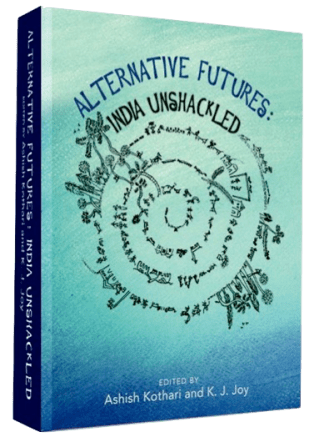
Alternative Futures – India Unshackled

Alternative Futures
Alternative Futures – India Unshackled

After the Berlin wall fell in 1989 and the Soviet Union collapsed in 1991, many consigned ideologies and alternatives to the rubble of history. The end of the cold war was explained as the victory, not just of liberal ethos and individual freedom, but of dynamic, market-driven capitalism championed by likes of Ronald Reagan, Margaret Thatcher and Manmohan Singh. India’s left also embraced this belief in practice, promoting foreign and national capitals and capitalist-led industrialization. They hoped market miracles would generate employment and wealth. Women such as MedhaPatkar, a social activist and a fierce opponent of the globalized developmental model and Sudha Bhardwaj, a trade union activist in Chhattisgarh seemed as thoroughly on the wrong side of the history as it was possible to be. Continue reading Alternative Futures – India Unshackled