Category Archives: Government

Gendering the Pandemic in the Prison: Pratiksha Baxi, Navsharan Singh

Excerpts from an article published in The India Forum. Link to whole article given below.

A powerful analysis of the injustice of the prison system in India (in which 70 percent of the incarcerated are under trial), the authors PRATIKSHA BAXI and NAVSHARAN KAUR make an argument for recognizing women, as well as gender and sexual minorities, as ‘custodial’ minorities.   

We argue that all women inmates may be defined “custodial” minorities. As per the 2020 statistics we collated, there are 68 persons incarcerated under the category “others”. No grave threat is posed to society by UTPs belonging to sexual and gender minorities that non-custodial alternatives cannot be found for them, while they wait for investigations and trials to be over. And alternatives to prison system need to be innovated for all convicted women, and gender and sexual minorities. There does not seem to be an attempt to recognise that their right to health and life is made far more precarious in a transphobic prison-medical complex. They must be counted and accounted for…

All women in prisons without distinction of charge, crime or sentence, whether pregnant, lactating, menstruating or menopausal, differently abled or ailing may be thought of as “custodial” minorities. Muslim women face terrible targeting and blame, as do Dalit women who face intolerable discrimination and bear the brunt of misuse of law against them. Similarly, Muslim and Dalit male undertrials are also subjected to sexualised forms of torture in police and judicial custody. And policies that exclude foreigners from interim bail position them as custodial minorities, who face institutionalised racism. However, the law has difficulty in “seeing” these prison inmates, especially undertrials, as custodial minorities.

Continue reading Gendering the Pandemic in the Prison: Pratiksha Baxi, Navsharan Singh

बिहार चुनाव आते ही प्रतिबंधित रणवीर सेना को एक बार फिर कौन हवा दे रहा है?

रणवीर सेना, जिस पर बहुत पहले पाबंदी लगायी जा चुकी है, नए सिरे से सुर्खियों में है।

पिछले दिनों उसने अपने सोशल मीडिया पेज पर भीम आर्मी के बिहार प्रमुख गौरव सिराज और एक अन्य कार्यकर्ता वेद प्रकाश को खुलेआम धमकाया है। उसने अपने ‘सैनिकों’ को आदेश दिया है कि उन्हें ‘जिन्दा या मुर्दा’ गिरफ्तार करें। बताया जाता है कि इस युवा अम्बेडकरवादी ने ब्रह्मेश्वर मुखिया- जो रणवीर सेना के प्रमुख थे और 2012 में किसी हत्यारे गिरोह के हाथों मारे गए थे- के बारे में जो टिप्पणी की, वह रणवीर सेना के लोगों को नागवार गुजरी है।

प्रश्न उठता है कि इस तरह खुलेआम धमकाने के लिए, मारने पीटने की बात करने के लिए क्या ‘सेना’ पर कार्रवाई होगी? अगर इतिहास को गवाह मान लिया जाए तो इसकी संभावना बहुत कम दिखती है। Continue reading बिहार चुनाव आते ही प्रतिबंधित रणवीर सेना को एक बार फिर कौन हवा दे रहा है?

Shadow of Laxmanpur Bathe on Bihar Election

An unpredictable element has found a new lease of life thanks to the coming Assembly election.

Laxmanpur Bathe on Bihar Election

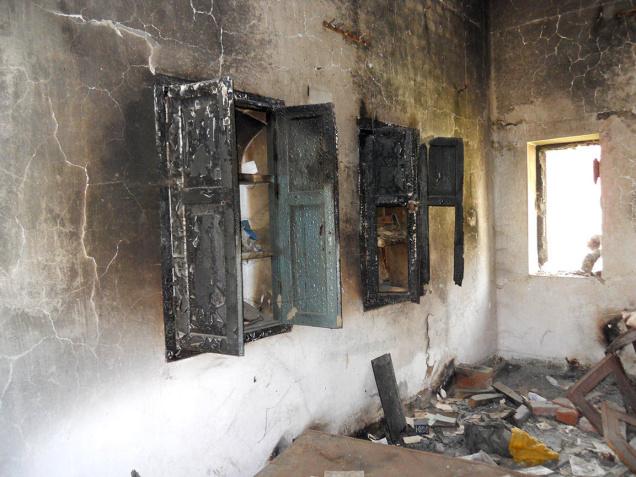
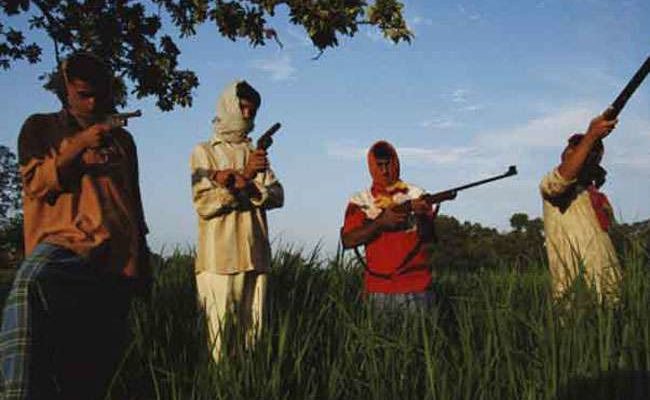
The outlawed Ranvir Sena—the private army of upper caste landlords of Bihar—is in the news again. It recently threatened the Bihar chief of the Bhim Army, Gaurav Siraj, and one of its activists, Ved Prakash, through a Facebook post. The so-called army has “ordered” its “sainiks” to “arrest” him dead or alive. The sena is apparently peeved over how the young dynamic leader of the Ambedkarite organisation has described Brahmeshwar Singh, their slain “Mukhiya” who was killed in 2012.

Will there be any action against those who have threatened the young leader? If history is any guide then there is little possibility of this.

Merely two years ago, Nawal Kishor Kumar, Editor Hindi, Forward Press was targeted by this “sena”. The aggrieved journalist had lodged a police complaint but there has been no progress in the investigation.

It is not that there is no law to punish such miscreants. Social media posts of the threatening kind relate to various offences under the Indian Penal Code, from criminal intimidation punishable under section 503 to section 505 related to creating mischief in public, to section 506 which awards punishment for criminal intimidation and section 153A which relates to penalties for promoting enmity between different groups and so on. In fact, based on its activities, the Ranvir Sena is also liable to be prosecuted under section 3 of the Bihar Control of Crimes Act, section 3 of the Arms Act and section 3 of the Scheduled Castes and Scheduled Tribes (Prevention of Atrocities) Act, 1989.”

( Read the full text here)

कोविड-19 संकट के दौरान मिसाल बनकर उभरा क्यूबा

मार्च महीने में इटली के मिलान में मालपेंसा एयरपोर्ट पर क्यूबाई डॉक्टर्स का दल. (फोटो: रॉयटर्स)

मार्च महीने में इटली के मिलान में मालपेंसा एयरपोर्ट पर क्यूबाई डॉक्टर्स और स्वास्थ्यकर्मियों का दल. (फोटो: रॉयटर्स)

हेनरी रीव, इस नाम से कितने लोग परिचित हैं?

यह अलग बात है कि इस युवा की याद में बनी एक मेडिकल ब्रिगेड की दुनिया भर की सक्रियताओं से तो सभी परिचित हैं, जिसने कोविड महामारी के दिनों में भी अपने चिकित्सा के कामों में- जो अंतरराष्ट्रीयतावाद की भावना को मजबूती देते हुए आगे बढ़ी है, कहीं आंच नहीं आने दी है, जिसका निर्माण क्यूबा ने किया है.

मालूम हो कि हेनरी रीव के बारे में इतना ही हम जानते हैं कि 19 साल का यह अमेरिकी नौजवान था, जो न्यूयॉर्क के ब्रुकलिन स्थित अपने घर को छोड़ते हुए 19वीं सदी के अंतिम दौर में स्पेनिश हुक्मरानों के खिलाफ क्यूबाई संघर्ष से जुड़ गया था.

और क्यूबा ने अपने इस अनूठे स्वतंत्राता सेनानी की याद में मेडिकल ब्रिगेड का गठन किया है जो आज की तारीख में 22 मुल्कों में सक्रिय है.

आप को याद होगा वह दृश्य, जो कैमरे में कैद होते वक्त ही कालजयी बने रहने का संकेत दे रहा था. जब मिलान, जो इटली के संपन्न उत्तरी हिस्से का मशहूर शहर है, वहां अपने डॉक्टरी यूनिफॉर्म पहने एक टीम मालपेंसा एयरपोर्ट पर उतर रही थी और उस प्रसिद्ध एयरपोर्ट पर तमाम लोग खड़े होकर उनका अभिवादन कर रहे थे. (18 मार्च 2020)

यह सभी डॉक्टर तथा स्वास्थ्य पेशेवर हेनरी रीव ब्रिगेड के सदस्य थे, जो इटली सरकार के निमंत्रण पर वहां पहुंचे थे. एयरपोर्ट पर खड़े लोगों में चंद ऐसे भी थे, जिन्होंने तब अपने सीने पर क्रॉस बनाया, अपने भगवान को याद किया क्योंकि उनके हिसाब से क्यूबा के यह डॉक्टर किसी ‘फरिश्ते’ से कम नहीं थे. Continue reading कोविड-19 संकट के दौरान मिसाल बनकर उभरा क्यूबा

Break the Chain, Break the (Unconventional) Family?

My earlier posts on the Kerala Left’s inability to forge an adequate and democratizing response to the ‘societal emergencies’ that have challenged Malayali society in the 21st century, and on the completely-unjustified attack on the body artist Rehana Fathima seem to have irritated, even angered, many supporters of the CPM on Facebook.

These people are not youngsters, a detail that is really important. Indeed, they largely belong to the upper-middle-class professional elite, indeed, perhaps among the best-off sections of Malayali society, which include medical professionals, male and female. Their responses reveal very interesting details about how the pandemic shapes our understanding of ‘useful expertise’:  at this moment, we are told, just listen to medical professionals, and not just their views on issues pertaining to health, but also to ‘social health’.  Many of these professionals believe that the brazen violence unleashed against Rehana Fathima’s family — her mother-in-law has been denied free dialysis simply because she is Rehana Fathima’s mother-in-law, and BSNL has ordered the eviction of the family on completely ridiculous grounds – is a minor diversion, an irritating, trivial one, compared to the task of controlling the pandemic on the ground, which of course, brings the medical professional (even when he/she works in Kerala’s private hospitals, which are surely not the epitome of altruism) to the centre of public discourse as the ‘hero’ that everyone should be eternally grateful to. And if such heroes tell you that Rehana Fathima is just a child-abusing publicity-seeker, then you have to just say yes. And, as as the artist Radha Gomathy put it, participate in the Break-the-Chain-and-Break-the-Family campaign — or punish Rehana’s supportive family for not being freakishly conservative, like good Malayali families.

Bolstering their claim to be the only ‘real experts’ to talk about Malayali society at the moment is their implicit understanding that medical professionals are somehow more ‘scientific’ than others. Yet I was amazed — indeed, alarmed — by the carelessness with which they dealt with empirical information and their easy abandonment of logic.  The tendency to equate technical training with scientific is very strong in these Facebook debates, as also the idea that social science and history are some airy-fairy romance that lacks scientific basis.

I am mentioning these features not to put these people down — and I am also aware of, and grateful to, many other medical professionals who expressed unease at these acts of hubris. I wish only to flag what seems to me an emerging axis of power in post-pandemic Kerala. A form in which the state’s apparatus of biopower is projected insistently as the sole benevolent source of human sustenance that must engage us constantly; it is not that critical discourse should be abolished, but it must focus, and gently, on this pre-given object. In it, the biological body is the object on which the state builds its new protectionism; the only kind of body it is bound to protect. The ‘new expert’ wields power on it, and their technical interventions will henceforth be recognized as ‘scientific’  — and the significance of the gap between the two will be ignored. The suspension of neoliberal logic during the pandemic has indeed allowed the Left to behave, even think, like the left — this emerging protectionism seems to be actually riding on it.

It is not surprising at all then that for some of these experts, those of us who contested the purportedly ‘scientific claim’ that Rehana’s children will be necessarily harmed psychologically by the sight of their mother’s exposed torso, or the equally-shaky idea that they necessarily lack the psychological strength the resist the taunts of society, seem dangerous to society.  Rehana’s use of the body is aimed at the long-term; it signals the possibility of seeing the body as the site of aesthetic play and creativity; its androgynous appearance and breaking of stereotypes about the maternal body make it defy gendered classification (so necessary for the state). Her husband deserves punishment because he had abandoned the role of Reformer-Husband so central to the twentieth-century reformist discourse. Our experts’ ‘scientific temperaments’ do not allow them to perceive the fact that the Reformer-Husband carried the burden of ushering his wife into (a gendered) modernity, while in twenty-first century Kerala, women no longer need such ushering — there is data that shows that more women than men complete their education and enter higher education; that they outperform men in most examinations and have entered most modern professions; that in marriages, the bride is now likely to be more educated than the groom. The family needs to be punished as a whole for allowing such explorations of the body.

I still repose faith in the democratizing possibilities that this window of time gives us, but that does not make me blind to this wilful shutting out of the long-term and the agency of citizens. It is as if future society may be imagined by citizens only with or after the state. The state sees a vague and uncertain future, and therefore all citizens should, therefore, limit themselves to the immediate and present. Nothing should be allowed to disrupt the Left’s hegemony-building through pandemic-control exercises. Even if that requires that we turn a blind eye to the fact that the refurbishing of this hegemony may not be antithetical to the further entrenchment of biopower and the reign of these new experts.

 

साझी शहादत-साझी विरासत: वसंत राव और रजब अली को याद करना क्यों जरूरी है ?

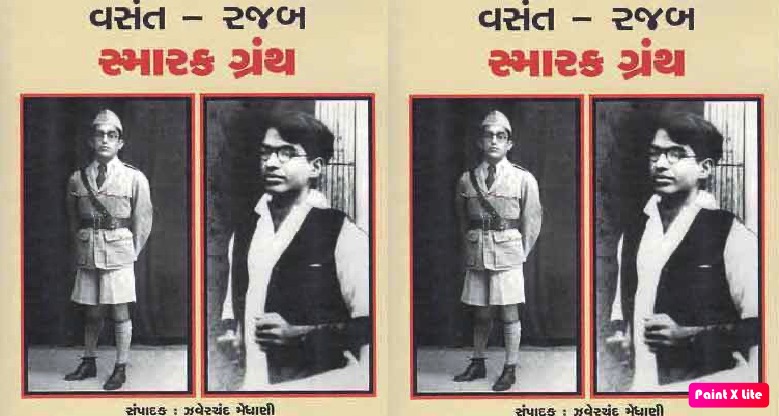
वसंतराव और रजब अली। साभार-इंडियन एक्सप्रेस

अहमदाबाद के जमालपुर के पास स्थित वसन्त-रजब चौक कितने लोगों ने देखा है? देखा तो कइयों ने होगा, और आज की तारीख में उससे रोज गुजरते भी होंगे, मगर अंगुली पर गिनने लायक लोग मिलेंगे जिन्होंने चौराहे के इस नामकरण का इतिहास जानने की कोशिश की होगी। मुमकिन है गुजरने वाले अधिकतर ने आज के इस इकहरे वक्त़ में- जबकि मनुष्य होने के बजाय उसकी खास सामुदायिक पहचान अहम बनायी जा रही है- इस ‘विचित्र’ नामकरण को लेकर नाक भौं भी सिकोड़े होंगे।

वह जून 1946 का वक़्त था जब आज़ादी करीब थी, मगर साम्प्रदायिक ताकतों की सक्रियता में भी अचानक तेज़ी आ गयी थी और उन्हीं दिनों यह दो युवा साम्प्रदायिक ताकतों से जूझते हुए मारे गए थे। वसंत राव हेगिश्ते का जन्म 1906 में अहमदाबाद के एक मराठी परिवार में हुआ था तो रजब अली लाखानी एक खोजा मुस्लिम परिवार में कराची में पैदा हुए थे (27 जुलाई 1919) और बाद में उनका परिवार अहमदाबाद में बस गया था। हमेशा की तरह उस साल रथयात्रा निकली थी और उसी बहाने समूचे शहर का माहौल तनावपूर्ण हो चला था।

कांग्रेस सेवा दल के कार्यकर्ता रहे इन जिगरी दोस्तों ने अपने ऊपर यह जिम्मा लिया कि वह अपने-अपने समुदायों को समझाएंगे कि वह उन्मादी न बनें, इसी काम में वह जी जान से जुटे थे, छोटी बैठकें कर रहे थे, लोगों को समझा रहे थे। 1 जुलाई को एक खांड नी शेरी के पास एक उग्र भीड़ ने – जो जुनूनी बन चुकी थी – उन्हें उनके रास्ते से हटने को कहा और उनके इन्कार करने पर उन दोनों को वहीं ढेर कर दिया। Continue reading साझी शहादत-साझी विरासत: वसंत राव और रजब अली को याद करना क्यों जरूरी है ?

महिला आन्दोलनकारियों की गिरफ्तारियां और भारत सरकार की पितृसत्ता : अमन अभिषेक

Guest Post by Aman Abhishek

Big Brother's Patriarchal Authoritarianism

गुलफीशा फ़ातिमा, सफुरा जरगर, देवांगना कलिता और नताशा नरवाल

दुनिया के जाने-माने प्रोफ़ेसर और पत्रकार डॉक्टर लेता होन्ग फ़िंचर अपनी किताब “बिट्रेइंग बिग ब्रदर: दी फेमनिस्ट अवेकनिंग इन चाइना” में लिखती हैं कि किस तरह चीनी सरकार के द्वारा मार्च 2015 में पांच कार्यकर्तायों की गिरफ्तारी ने चीनी नारीवादी आन्दोलन को एक नया मोड़ दे दिया | जिन पांच महिलाओं को गिरफ्तार किया गया था वे विश्वमहिला दिवस के मौके पर यौन उत्पीडन के खिलाफ बसों और ट्रेनों में पर्चे बाँट रही थी | परन्तु चीनी सरकार ने झगड़े उसकाने के आरोप लगाकर गिरफ्तारी कर ली | इसका परिणाम यह हुआ कि ये पांच महिलाएं “फेमस फाइव” यानी “पांच प्रसिद्ध” के नाम से जानी गई | इन गिरफ्तारियों ने चीनी नारीवादी आदोंलन को कमजोर करने के बजाए एक नयी उर्जा प्रदान की और गिरफ्तारियों के विरोध में बड़े पैमाने पर आन्दोलन शुरू हो गए|

अब भारत में हाल की परिस्थितियों पर गौर करें | दिसम्बर 2019 से मार्च 2020 तक देश के सैकड़ों सार्वजनिक स्थानों पर हजारों आन्दोलनकारियों ने, महिलाओं के नेतृत्व में, सीएए के विरोध में सशक्त और शांतिपूर्ण आन्दोलन किया और लगातार धरना चला | शाहीनबाग जैसे जगहों पर रात दिन धरने चले | देश भर के आन्दोलनकारी उसी सीएए का विरोध कर रहे थे जिसे संयुक्त्त राष्ट्र संघ और और अनेकों मानवाधिकार संगठनों ने मुस्लिम विरोधी और घोर पक्षपातपूर्ण करार दिया है| महिलाओं के नेतृत्व और भागीदारी की वजह से सीएए विरोधी आन्दोलन केवल नागरिकता के सवालों तक सीमित न रहकर भारतीय नारीवादी आन्दोलन के इतिहास में एक अहम कड़ी बन गया |

अप्रैल से भारत सरकार ने सीएए विरोधी आन्दोलन के महिला नेतृत्व की गिरफ्तारियां शुरू कर दी | इन महिलाओं की गिरफ्तारियों की वजह हिंसा भड़काने से लेकर आतंकवाद तक बताई गई | गिरफ्तार लोगों में शामिल गुलफीशा फ़ातिमा मुस्लिम समुदाय की नेता हैं, सफुरा जरगर जामिया मिलिया की छात्रा हैं तथा गिरफ्तारी के वक्त तीन माह से गर्भवती थी | देवांगना कलिता और नताशा नरवाल , पिंजड़ा तोड़ आन्दोलन की संस्थापक हैं (पिंजड़ा तोड़ समूह के कार्यकर्ताओं ने शैक्षणिक संस्थाओं में लैंगिक भेद-भाव और पितृसत्ता के खिलाफ आन्दोलन किया है) | यह गिरफ्तारियां एक वैश्विक महामारी के दौरान की गई है, जो इस महिलाओं की जिन्दगी के लिए घातक साबित हो सकता है | Continue reading महिला आन्दोलनकारियों की गिरफ्तारियां और भारत सरकार की पितृसत्ता : अमन अभिषेक

Why does the Left in Kerala fear Rehana Fathima and not COVID- 19?

Before I start, a request:    Friends who are reading this, if you are close to Noam Chomsky, Amartya Sen, or Soumya Swaminathan, or the other left-liberals who appear in the Kerala government-sponsored talk series from outside Kerala, please do forward this to them? I hope to reach them.


The Left government in Kerala is gathering its international intellectual-activist support base to cash on its commendable  — ongoing — success in dealing with the COVID-19 pandemic.  This is not new — it has always been part of the dominant Left’s hegemony-bolstering exercises, especially after the 1990s, when its unquestionable hegemony in Kerala began to face a series of challenges. It has also been forced to pay attention to the oppositional civil society which relentlessly questions the dominant Left’s fundamental understanding of social justice and forces it to take seriously such ideas as freedom, autonomy, as well as identities not reducible to class. Continue reading Why does the Left in Kerala fear Rehana Fathima and not COVID- 19?

Treacherous Road to Make Manu History

Even today the attempt is to whitewash Manusmriti, not shun it. But all is not lost as the ripples of Black Lives Matter have reached Indian shores.

manusmiriti ambedkar hindutva

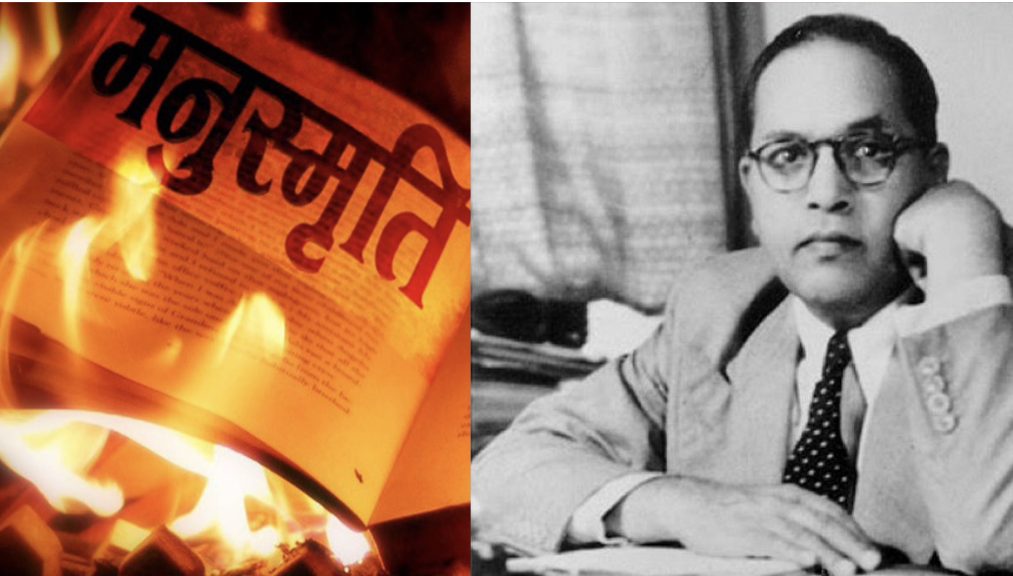
It was 1927, the second phase of the historic Mahad Satyagrah was on, and Dr. Bhimrao Ambedkar led thousands of people in burning the Manusmriti, an act he compared with the French Revolution of 1789. Time and again, in speeches and writings, he categorically opposed the world-view of Manu, the legendary figure to whom are attributed the tenets of the Manusmriti, said to be dated to around 100 CE.

In the book written by scholar and activist Anand Teltumbde, Mahad: The Making of the First Dalit Revolt, published by Navayana in 2017, is recorded the resolution which was proposed by the social activist Gangadhar Sahasrabuddhe, and then read out at the Mahad Satyagrah. It states that the firm opinion of this conference is that the Manusmriti, “taking into consideration its verses which undermined the Shudra caste, thwarted their progress, and made their social, political and economic slavery permanent…is not worthy of becoming a religious or a sacred book. And in order to give expression to this opinion, this conference is performing the cremation rites of such a religious book which has been divisive of people and destroyer of humanity.”

Twenty three years later, Dr Ambedkar marked the promulgation of the Constitution of India as the “end of the rule by Manu”. And yet, 70 years thereafter, a significant section of Indians are still fascinated by Manu and have no qualms in venerating him. Even the Black Lives Matter protests in the United States and large parts of Europe, in which statues of slave-owners and colonialists are being knocked down or disfigured, the Indian followers of Manu have no regrets about deifying him.

( Read the full article here)

कोविड संक्रमण की चेन तोड़ने के लिए मलप्पुरम ने नई ज़मीन तोड़ी है

आज जब पूरे देश में धार्मिक स्थलों को खोला जा रहा है, तब बीते दिनों ‘सांप्रदायिक’ होने का इल्ज़ाम झेलने वाले केरल के मलप्पुरम ज़िले ने अपनी अलग राह चुनी है. कोरोना के बढ़ते मामलों के मद्देनज़र वहां की पांच हज़ार मस्जिदों को अनिश्चितकाल तक बंद रखने समेत कई धार्मिक स्थलों को न खोलने का फ़ैसला लिया गया है.

Minara masjid wears a deserted look on the first day of the holy fasting month of Ramzan, amid unprecedented circumstances due to the coronavirus pandemic and a nationwide lockdown, in Mumbai. PTI

लॉकडाउन के दौरान बंद एक मस्जिद. (फाइल फोटो: पीटीआई)

मलप्पुरम, केरल के एकमात्र मुस्लिम बहुल जिले, जहां उनकी आबादी 75 फीसदी है, ने एक इतिहास रचा. तय किया गया है कि जिले की 5,000 मस्जिदें अनिश्चितकाल के लिए बंद रहेंगी.

इस निर्णय के पीछे का तर्क समझने लायक है. क्योंकि राज्य में कोरोना वायरस संक्रमण के मामले बढ़ते दिख रहे हैं, इसलिए यह तय करना मुनासिब समझा गया कि उसके दरवाजे श्रद्धालुओं के लिए बंद ही रहें.

जाने-माने इस्लामिक विद्वान पनक्कड सययद सादिक अली शिहाब थंगल, जो इंडियन यूनियन मुस्लिम लीग के जिला अध्यक्ष हैं, उन्होंने इस खबर को मीडिया के एक हिस्से में साझा किया.

इस तरह जबकि बाकी मुल्क में प्रार्थनास्थल, धार्मिक स्थलों को खोला जा रहा है, मलप्पुरम ने अपनी अलग राह चुनी है.

इस बात पर जोर देना जरूरी है कि आठ मुस्लिम संप्रदायों (denomination) की उस बैठक में, जहां 9 जून के बाद प्रार्थनास्थलों को खोलने के सरकारी निर्णय पर विचार करना था, यह फैसला एकमत से लिया गया.

सभी इस बात पर सहमत थे कि उन्हें इस छूट का इस्तेमाल नहीं करना चाहिए. एक ऐसे वक्त में जबकि कोविड-19 के मामले सूबे में बढ़ रहे हों, मस्जिद कमेटियों और धार्मिक नेताओं ने यह जरूरत महसूस की कि उन्हें सतर्कता बरतनी चाहिए.

खबरें यह भी आ रही हैं कि न केवल मस्जिदें बल्कि इलाके के कई मंदिरों और चर्च ने भी उन्हें तत्काल खोलना नहीं तय किया है.

मिसाल के तौर पर, श्री कदमपुजा भगवती मंदिर जो मलप्पुरम में है तथा श्री तिरूनेल्ली मंदिर जो वायनाड में है, वह बंद रहेंगे.

नायर सर्विस सोसायटी से संबंधित मंदिर भी 30 जून तक नहीं खुलेंगे. एर्नाकुलम-अंगमाली आर्चडाओसिस ऑफ सिरो मलबार चर्च ने भी तय किया है कि उसके मातहत चर्च 30 जून तक बंद रहेंगे.

निस्संदेह इस बात को लेकर इलाके के लोगों में गहरा एहसास दिख रहा है कि राज्य ने जिन भी सावधानियों को बरतने की बात की हो, स्पेशल ऑपरेटिंग प्रोसिजर्स का ऐलान किया है, हकीकत में उन पर अमल करना नामुमकिन होगा लिहाजा कोविड-19 के समुदाय आधारित संक्रमण की संभावना बनी रहेगी.

( Read the full article here)

Online Education, the Latest Stage of Educational Apartheid: Maya John

Guest post by MAYA JOHN

Given the rampant social and economic inequalities in our society, education has been seen by majority of the common masses as a tool for moving up the social ladder. Their aspirations for higher segment jobs and status constitute the largest component of the growing demand for higher education.Nevertheless, the opinion of the dominant classes that the state cannot pay for the education of all has come to enjoy hegemonic status, resulting in the lack of adequate development of educational infrastructure to meet the rapidly growing demand.In response to the widening gap between the demand and supply for education, successive governments have pushed through measures that allow for greater penetration of private capital in higher education, and its corollary, the persistent decline in per capita government allocation of funds towards education. Consequently, private colleges and universities have mushroomed across the country. Likewise,the expansion of the open and distance learning (ODL) mode and mainstreaming of e-learning have been consistently projected by policy makers as credible alternative routes to accessing higher education when higher educational institutions (HEIs) are not within reasonable distance, or when students do not have the marks or financial condition to enroll in formal education.

Continue reading Online Education, the Latest Stage of Educational Apartheid: Maya John

Statement against the arrest of Pinjra Tod Activists, Devangana Kalita and Natasha Narwal: Students Against Fascism, Johns Hopkins University

Statement by Students Against Fascism, Johns Hopkins University, USA. Students Against Fascism is a group of international students at Johns Hopkins University (Baltimore, USA), which aims to build solidarities against fascism across borders.

We have been deeply saddened by the recent arrests of Natasha Narwal and Devangana Kalita, the founding members of the Feminist group, Pinjra Tod. At a time, when the entire country has been dealing with the pandemic of COVID-19 and the economic hardships of the lockdown, it is of extreme concern to see that the Indian state is selectively targeting the human rights activists who have been raising their voices against the pro-Hindutva fascist policies of the Indian state.

It is abundantly clear that these arrests are a part of the series of the crackdown on the activists, who have particularly been vocal against the CAA and anti-Muslim violence in north-east of Delhi, including Umar Khalid, being threatened with sedition charges alongside other protestors like Shifa-ur-Rahman, President of Jamia Alumni Association and Zafarul Khan, Chairman of Delhi Minorities Commission. In connection with this, it is also extremely disturbing to see the arrest of student activists Safoora Zargar, Meeran Haider and Asif Iqbal Tanha of Jamia Milia Islamia University and activists Gulfisha Fatima, Khalid Saifi and Ishrat Jahan, under the Unlawful Activities Prevention Act. This arbitrary branding of students and activists, particularly Muslim and women student activists, as “terrorists”, instead of investigating into the anti-Muslim violence in north-east Delhi and bringing the perpetrators to justice indicates the deepening of authoritarian tendencies in the Indian state. Pinjra Tod’s Natasha and Devangana’s arrests are the latest examples of this dangerous trajectory. Continue reading Statement against the arrest of Pinjra Tod Activists, Devangana Kalita and Natasha Narwal: Students Against Fascism, Johns Hopkins University

असहमति के दमन के लिए मानवाधिकार-कर्मियों और लेखकों-पत्रकारों की गिरफ्तारियों का सिलसिला बंद करो! 

राजनीतिक उत्पीड़न और साम्प्रदायिक ध्रुवीकरण के लिए तालाबंदी के इस्तेमाल के ख़िलाफ़ सांस्कृतिक-सामाजिक संगठनों का संयुक्त आह्वान

महामारी से मुक्ति के लिए जनएकजुटता का निर्माण करो!

तालाबंदी के दौरान जेलबंदी

महामारी और तालाबंदी के इस दौर में समूचे देश का ध्यान एकजुट होकर बीमारी का मुक़ाबला करने पर केन्द्रित है.

लेकिन इसी समय देश के जाने माने बुद्धिजीवियों, स्वतंत्र पत्रकारों, हाल ही के सीएए-विरोधी आन्दोलन में सक्रिय रहे राजनीतिक कार्यकर्ताओं और अल्पसंख्यक समुदाय के युवाओं की ताबड़तोड़ गिरफ़्तारियों ने नागरिक समाज की चिंताएं बढ़ा दी हैं.

बुद्धिजीवियों और राजनैतिक कार्यकर्ताओं की गिरफ़्तारियां सरकारी काम में बाधा डालने (धरने पर बैठने) जैसे गोलमोल आरोपों में और  अधिकतर विवादास्पद यूएपीए क़ानून के तहत की जा रही हैं. यूएपीए कानून आतंकवाद से निपटने के लिए लाया गया था. यह विशेष क़ानून ‘विशेष परिस्थिति में’ संविधान  द्वारा नागरिकों को दिए गए मौलिक अधिकारों को परिसीमित करता है. जाहिर है, इस क़ानून का इस्तेमाल केवल उन्हीं मामलों में किया जाना चाहिए जिनका सम्बन्ध आतंकवाद की किसी वास्तविक परिस्थिति से हो. दूसरी तरह के मामलों में इसे लागू करना संविधान के साथ छल करना है. संविधान लोकतंत्र में राज्य की सत्ता के समक्ष नागरिक के जिस अधिकार की गारंटी करता है, उसे समाप्त कर लोकतंत्र को सर्वसत्तावाद में बदल देना है.

गिरफ्तारियों के लगातार जारी सिलसिले में सबसे ताज़ा नाम जेएनयू की दो छात्राओं, देवांगना  कलिता और नताशा नरवाल के हैं. दोनों शोध-छात्राएं प्रतिष्ठित नारीवादी आन्दोलन ‘पिंजरा तोड़’ की संस्थापक सदस्य भी हैं.  इन्हें पहले ज़ाफ़राबाद धरने में अहम भूमिका अदा करने के नाम पर 23 मई को गिरफ्तार किया गया. अगले ही दिन अदालत से जमानत मिल जाने पर तुरंत अपराध शाखा की स्पेशल ब्रांच द्वारा क़त्ल और दंगे जैसे आरोपों के तहत गिरफ़्तार कर लिया गया ताकि अदालत उन्हें पूछ-ताछ के लिए पुलिस कस्टडी में भेज दे. आख़िरकार उन्हें दो दिन की पुलिस कस्टडी में भेज दिया गया है. Continue reading असहमति के दमन के लिए मानवाधिकार-कर्मियों और लेखकों-पत्रकारों की गिरफ्तारियों का सिलसिला बंद करो! 

प्रार्थना स्थलों पर लाउडस्पीकर पर प्रतिबंध

news on judiciary

कांकर पाथर जोरि कै मस्जिद लई बनाय.
ता चढि मुल्ला बांग दे क्या बहरा हुआ खुदाय

क्या अपने ‘खुदा’ को आवाज़ देने के लिए बांग देने की जरूरत पड़ती है ?

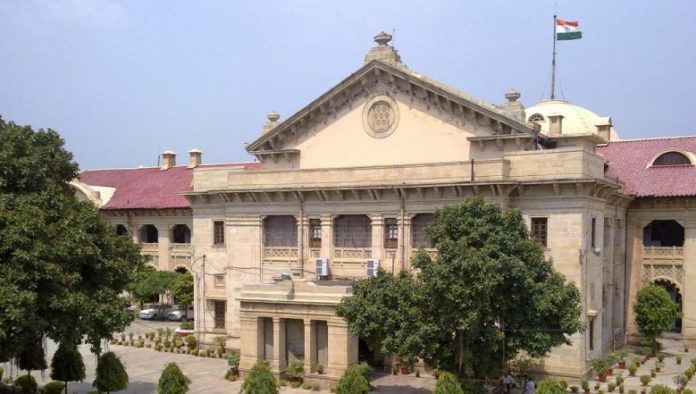
आज से छह सदी पहले ही कबीर ने यह सवाल पूछ कर अपने वक्त़ में धर्म के नाम पर जारी पाखंड को बेपर्दा किया था. पिछले दिनों यह मसला नए सिरे से उछला जब इलाहाबाद उच्च न्यायालय ने इस बारे में एक अहम फैसला सुनाया. अदालत ने कहा कि अज़ान अर्थात प्रार्थना के लिए आवाज़ देने की बात इस्लाम का हिस्सा है लेकिन वही बात लाउडस्पीकर के इस्तेमाल के बारे में नहीं कही जा सकती, लिहाजा रात 10 बजे से सुबह 6 बजे तक किसी भी ध्वनिवर्द्धक यंत्र का इस्तेमाल के इजाजत नहीं दी जा सकती.

अदालत के मुताबिक मुअज्जिन मस्जिद की मीनार से अपनी मानवीय आवाज़ में अज़ान दे सकता है और उसे महामारी रोकने के लिए राज्य द्वारा लगायी गयी पाबंदियों के तहत रोका नहीं जा सकता, अलबत्ता उसके लिए लाउडस्पीकर का इस्तेमाल वर्जित रहेगा.

ध्यान रहे कि अदालत यूपी पुलिस द्वारा जगह-जगह मनमाने ढंग से अज़ान पर लगायी गयी पाबंदी के खिलाफ दायर याचिका पर विचार कर रही थी. हाथरस, अलीगढ़ आदि स्थानों पर महामारी के कानूनों का हवाला देते हुए पुलिस वालों ने अज़ान देने पर ही पाबंदी लगायी थी, जिसके खिलाफ याचिकाकर्ताओं ने अदालत का दरवाज़ा खटखटाया था.

उम्मीद है कि अदालत के फैसले के मद्देनज़र यूपी पुलिस मनमाने तरीके से अज़ान पर नहीं रोक लगाएगी, निश्चित ही यह सुनिश्चित करेगी कि इसके लिए किसी ध्वनिवर्द्धक यंत्र का इस्तेमाल तो नहीं हो रहा है.

गौरतलब है कि अदालत ने संविधान के तहत प्रदत्त बुनियादी अधिकारों में शामिल आर्टिकल 19/1/ए का हवाला देते हुए जो इस बात को सुनिश्चित करता है कि‘किसी को भी यह अधिकार नहीं है कि वह अन्य लोगों को बन्दी श्रोता (captive listeners) बना दें’ यह निर्देश दिया.

निश्चित ही मस्जिदों में जहां बिना अनुमति के लाउडस्पीकरों के इस्तेमाल पर पाबंदी रहेगी, वही बात मंदिरों, गुरुद्धारों या अन्य धार्मिक स्थलों पर भी लागू रहेगी ताकि आरती के बहाने या गुरुबाणी सुनाने के बहाने इसी तरह लोगों को ‘बन्दी श्रोता’ मजबूरन न बनाया जाए. ( Read the full article here :https://hindi.theprint.in/opinion/allahabad-high-court-ban-loudspeakers-at-prayer-places-exposes-hypocrisy-in-the-name-of-faith/140765/)

Covid-19 and the Idea of India: Manish Thakur and Nabanipa Bhattacharjee

Guest post by MANISH THAKUR and NABANIPA BHATTACHARJEE

Much has already been said and written about the plight of the migrants during the lockdown necessitated by the current Covid-19 outbreak in India. The visual images of their endless walk – which reminds us of the flight of Partition refugees – in their desperate bid to reach home in the scorching summer heat on almost empty stomachs with throats parched (women in tow with the children on men’s shoulders and their meagre belongings on the heads) is heart-wrenching to say the least. Whatever be the cause, it is a living testimony to the entrenched structures of poor governance that define our polity. It is also revealing of the class character of the Indian state, a term that has for long left the public discourse of our republic. One need not invoke Marx or be a communist to see the glaring contrast in the ways say, for instance, state functionaries conduct themselves at airports in Delhi or Kochi and railway stations at Barkakana in Jharkhand or Bapu Dham, Motihari in Bihar.

Continue reading Covid-19 and the Idea of India: Manish Thakur and Nabanipa Bhattacharjee

Community-Based Mapping of Covid: Nothing Official About it

No doubt the clarification that India will not map Covid-19 infections on the basis of religion has many heaving sighs of relief. But will the peace last?

Community-Based Mapping of Covid: Nothing Official About it

Image Courtesy: AP

Move for community-based mapping of coronavirus?” a recent news item in a prestigious daily asked, getting tongues wagging about “closed-door meetings at the highest level”, though no “official” decision had been taken in themThe Ministry of Health declared that any such news is “baseless, incorrect and irresponsible”. Lav Agarwal, the top bureaucrat in the ministry—who interacts with the media on Covid-related developments—called such news reports “…very irresponsible”. “The virus does not see people’s caste, creed or religion,” he said, quoting the Supreme Court’s directions on controlling non-factual or fake news.

No doubt the official clarification has many heaving sighs of relief.

The relief is understandable, because it was only last month—when the Novel Coronavirus pandemic had started taking a toll—that Muslims were being stigmatised as “super-spreaders” of the disease.

Taking a grim view of the situation, in its press conference o6 April, the World Health Organisation had given the Indian government some simple advice. The WHO said, in response to an India-specific question, that countries should not profile Covid-19 infections in religious, racial or ethnic terms. The WHO Emergency Programme Director Mike Ryan also underlined that every positive case should be considered a victim.

( Read the full article here)

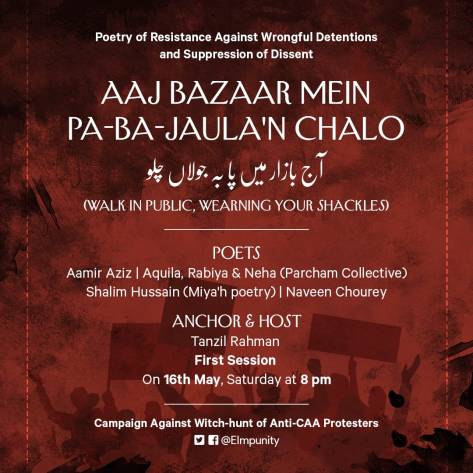
Poetry of resistance against the suppression of dissent

On 16th May 2020, the Campaign against Witch-hunt of Anti-CAA Activists inaugurates its Poetry Week.  

Poetry bears witness. It records, it remembers. Resistance, indeed life itself, has long been sustained and nourished by the words of poets.
So, it is with poetry that we celebrate the inspiring movement against the Citizenship Amendment Act, and with the power of words fight the wrongful arrests and malicious prosecution of anti-CAA activists.
The first session will feature poets Aamir Aziz, Aquila, Neha and Rabiya of the Parcham Collective, Miya’h poet Shalim Hussain & Naveen Chourey
Host and anchor: Tanzil Rahman
FIRST SESSION
On 16th May | Saturday | 8 pm onwards
Register using this link

https://forms.gle/iUwV6FimHsWd6ZLY7

निरंकुशता के स्रोत, प्रतिरोध के संसाधन : रवि सिन्हा

Guest Post by Ravi Sinha

राजनीति का आम सहजबोध यह है कि सत्ता की निरंकुशता लोकतंत्र का निषेध है। लोकतंत्र राजनीतिक सत्ता का गठन तो करता है, लेकिन उसे निरंकुश नहीं होने देता। यदि किसी लोकतांत्रिक व्यवस्था के अंतर्गत निरंकुश सत्ता का उद्भव होता है तो उसे लोकतंत्रा की दुर्बलता, उसके विकार या उसमें किसी बाहरी अलोकतांत्रिक शक्ति के हस्तक्षेप के रूप में देखा जाता है। यदि लोकतंत्र का अर्थ यह है कि सत्ता के स्रोत लोक में स्थित हैं तो यह स्वयंसिद्ध है कि लोकतांत्रिक सत्ता निरंकुश नहीं हो सकती।

इसी तरह राजनीति का सहजबोध यह भी है कि सत्ता की निरंकुशता प्रतिरोध को जन्म देती है और प्रतिरोध की जड़ें लोक में स्थित होती हैं। निरंकुशता यदि लोकतंत्र का निषेध है तो यह भी स्वयंसिद्ध है कि लोक या जन ही प्रतिरोध के मूल आधार और उसके प्रमुख संसाधन हैं। यह दूसरी मान्यता पहली के साथ जुड़ी हुई है। यदि पहली मान्यता टिकती है तो दूसरी की सत्यता भी साबित होती है। यदि पहली संदेह के घेरे में आती है तो दूसरी के स्वयंसिद्ध होने पर भी प्रश्न खड़े होते हैं।

और, प्रश्न तो खड़े होते हैं। वास्तविकता की प्रकृति ही ऐसी होती है कि वह मान्यताओं की परवाह नहीं करती – बहुप्रचलित और स्वयंसिद्ध प्रतीत होने वाली मान्यताओं की भी नहीं। दूसरी तरफ़, मान्यताओं की – ख़ास तौर पर बहुप्रचलित मान्यताओं की – बनावट और उनकी ज़मीन ऐसी होती है कि वास्तविकताओं के उलट होने के बावजूद वे चलन में बनी रहती हैं। ऐसी स्थिति में पहले तो यह देखना होता है कि वास्तविकता क्या है और संबंधित मान्यताओं से उसकी संगति बैठती है या नहीं। फिर यह अलग से देखना होता है कि मान्यताएं जब ग़लत होती हैं, तब भी उनके चलते रहने के कारण कहां पर स्थित हैं। एक तरह से यह सहजबोध की जांच-पड़ताल का समय होता है। और कभी-कभी नये सहजबोध के निर्माण का समय भी होता है।

भारत की आज की हक़ीक़त यह तो है ही कि मौजूदा सरकार के अधीन राज्य और राजनीतिक सत्ता निरंकुश हो चले हैं। संवैधानिक, संस्थागत तथा लोकतांत्रिक नियमों, नियंत्रणों और परंपराओं को रौंदा जा रहा है और व्यवस्था तथा समाज, दोनों क्षेत्रों में मनमानी की जा रही है। कश्मीर से कन्याकुमारी तक, असम से गुजरात तक, संसद से और भीमा कोरेगांव से तीस हज़ारी तक और तिहाड़ तक नंगी निरंकुशता के उदाहरण सभी के सामने हैं। लेकिन क्या सभी को यह सब दिखायी दे रहा है? Continue reading निरंकुशता के स्रोत, प्रतिरोध के संसाधन : रवि सिन्हा

Colours of Trolls and Harassment :Vatya Raina

Guest Post by Vatya Raina

The fight for half the Earth and half the sky is never at rest around the globe. Women of the world are constantly fighting their oppressors in different colours. The debate around #BoisLockerRoom stories on Instagram and the trolls concerned about the marital status of a pregnant woman in jail, for practising her right to protest are of similar nature.

In 2017, The Jawaharlal Nehru University’s administration under the command of Vice-Chancellor M Jagadesh Kumar arbitarily dismantled the GSCASH (Gender Sensitization Committee Against Sexual Harassment). At the same time, women of Banaras Hindu University (BHU) were leading the movement against sexual harassment.

Today, when a pregnant student activist is fighting for her rights inside the jail, some women are continuing to resist and expose a group of young boys, by revealing the screenshots of an Instagram chat screen, where the participants of the group named ‘Bois Locker Room’ shared some non-consensual pictures of women as well as underage girls. After the screenshots went viral, these boys expressed their anger by suggesting gang-rape of all the women who shared it. On the other hand, Safoora Zargar, a research scholar of Jamia Millia Islamia, who was associated with the Jamia Coordination Committee (JCC), and was part of the anti-Citizenship Amendment Act protests organised by university students in December and January has been charged under Unlawful Activities (Prevention) Act (UAPA) and is send behind the bars. She has been arrested for allegedly leading the anti-CAA protest at Jaffrabad metro station in February.  Turning a blind eye to the medical condition of the student, the trolls are busy assassinating her character. Continue reading Colours of Trolls and Harassment :Vatya Raina

Public Statement on Alternate Cures

Since the beginning of the COVID-19 epidemic, several statements have been propagated about “immunity boosting” substances such as mustard oil, hydroxychloroquine and tea; alternative remedies claiming to provide either immunity or cure; and remedial effects of cow urine or even taweez. Some of these assertions were also supported by a few government functionaries at the centre and in various states. We, the undersigned, wish to put the following scientific facts in the public domain.

–> As of now, no scientific studies show that any substance boosts the immune system specifically against COVID-19, be it modern medicines like hydroxychloroquine or homeopathic solutions like Arsenicum Album D30 or Ayurvedic preparations.

–> Scientific evidence for the efficacy of any of these substances can only be obtained by rigorous testing through randomized clinical trials with COVID-19 patients, and additional laboratory analyses. Anecdotes of cure or temporary relief from symptoms or usefulness against similar diseases are not scientific proof of efficacy against COVID-19.

–> Specific immunity against a bacterium or a virus can only arise in two ways. Either we were infected and recovered from the illness, or we are vaccinated; in either case we develop antibodies that can target the specific virus or bacterium.

Continue reading Public Statement on Alternate Cures

Data, New Data, Different kinds of Data, and Covid 19: Bharati Jagannathan

Guest post by BHARATI JAGANNATHAN

“There are three kinds of lies: lies, damned lies and statistics”, quoth Mark Twain. We could add a fourth, pretence of statistics in the absence of it. So, there’s data, more data, and the immensely useful pretend data about COVID-19. And almost all of it liable to totally dissimilar interpretations. In fact, this has been the best lesson, for those who in general find statistics challenging and humbly retreat in the face of data-based proofs in any argument, that the same set of data can serve completely opposite ends. However, I digress.

There was speculation in early March that India had fewer cases of infection owing to 1) exposure to malaria and sometime ingestion of quinine (in medical formulations like hydroxychloroquine), or 2) BCG vaccinations in childhood, or 3) warm weather hindering the spread of COVID-19 like many other influenza viruses. Till we realized that it was the effect of abysmal levels of testing. Continue reading Data, New Data, Different kinds of Data, and Covid 19: Bharati Jagannathan