
The nauseatingly patriarchal attack by the CITU State Secretary K N Gopinath on the striking ASHA workers sets a new low, but it is not unexpected. K N Gopinath’s ugly, sexually-coloured remark was about the BJP MP Suresh Gopi’s visit to the protest site. After the police pulled down the did not allow the tarpaulin shelters, the striking workers continued the strike in the pouring rain. The MP distributed umbrellas to the workers. Gopinath said that he knew that the MP distributed umbrellas, but he did not know if “he distributed kisses” there. When questioned, he admitted that the reference was to a sexual harassment complaint against the MP. The man kept defending his offensive remark, in his own admittance a sexually-coloured one, even when questioned strongly by journalists.
Continue reading Women’s Work is the Central Issue in Kerala today, from Cine-workers to ASHA workersCategory Archives: Politics
Who’s Lying? Condemn the Brazen Attack on S Mini: Althea
As the ASHA workers’ resolve continues to remain unbroken in the third week of their struggle, the CITU leadership in general and the CPM cyber spokesmen in particular are losing their cool completely. S Mini is a familiar figure to people in Thiruvananthapuram in the many battles for justice that we have witnesses over the past twenty years . She is among the few women in Kerala who have embraced a full public life without desire for power, status, or visibility. The organisation she is part of, the SUCI, has long suffered ridicule. The big bully of left politics in Kerala, the CPM, has long tried to pick on them. Like all bullies, the latter keeps talking of how small they are.
Continue reading Who’s Lying? Condemn the Brazen Attack on S Mini: Althea‘Anarchists’? ‘Tin-pan fund collectors’ Movement’? What is the Kerala Asha Health Workers’ Association?
In the past few weeks, the CPM ministers, CITU leaders like Ilamaram Kareem and CPM cyber propagandists have been relentless in their attack against the SUCI, heaping on them insult after insult. The preferred insults have been ‘anarchists’ and ‘tin-pan fund collectors’. The SUCI is a small group of committed people who have however produced significant political impact. They have indeed been a thorn in the flesh of the local CPM for quite some time — from at least the anti-waste dumping struggle at the panchayat of Vilappilsala in 2012 to the K-Rail protests, the SUCI’s intrepid persistence was important in forcing the government to back off. These insults are not new either; we have been hearing them since back in 2012 or earlier. But the Kerala Asha Health Workers’ Association has been especially targeted for slander, as though they were just a tool of the SUCI.
Continue reading ‘Anarchists’? ‘Tin-pan fund collectors’ Movement’? What is the Kerala Asha Health Workers’ Association?This is NOT a law and order problem: The ASHA Workers’ Strike in Kerala– Althea
Now that the ASHA workers’ strike in Thiruvananthapuram has entered its third week and public support for the workers is growing, the Kerala government, instead of trying to solve the issue, is resorting to an age-old tactic: of turning this into a law-and-order issue. Provoked by the sizeable support the workers have garnered from civil society, the police have issued notices to fourteen public intellectuals and activists who participated in the mahasangamam meeting two days back, which was a massive success despite all the threats. They have been ordered to appear at the police station within 48 hours, and accused of disturbing order and obstructing traffic.
Continue reading This is NOT a law and order problem: The ASHA Workers’ Strike in Kerala– AltheaThe Fight is Not Just About Better Pay: Solidarity with the Striking ASHA Workers of Kerala : TTCU
The Tamil Nadu Textile and Common Labour Union (TTCU) stands in solidarity with the ASHA workers of Kerala, whose strike has now entered its third week. As a women’s trade union we understand how difficult it is for women workers to step away from their responsibilities and take to the streets. It is never an easy decision, but one that becomes necessary when all other avenues to have their voices heard are exhausted.
Continue reading The Fight is Not Just About Better Pay: Solidarity with the Striking ASHA Workers of Kerala : TTCU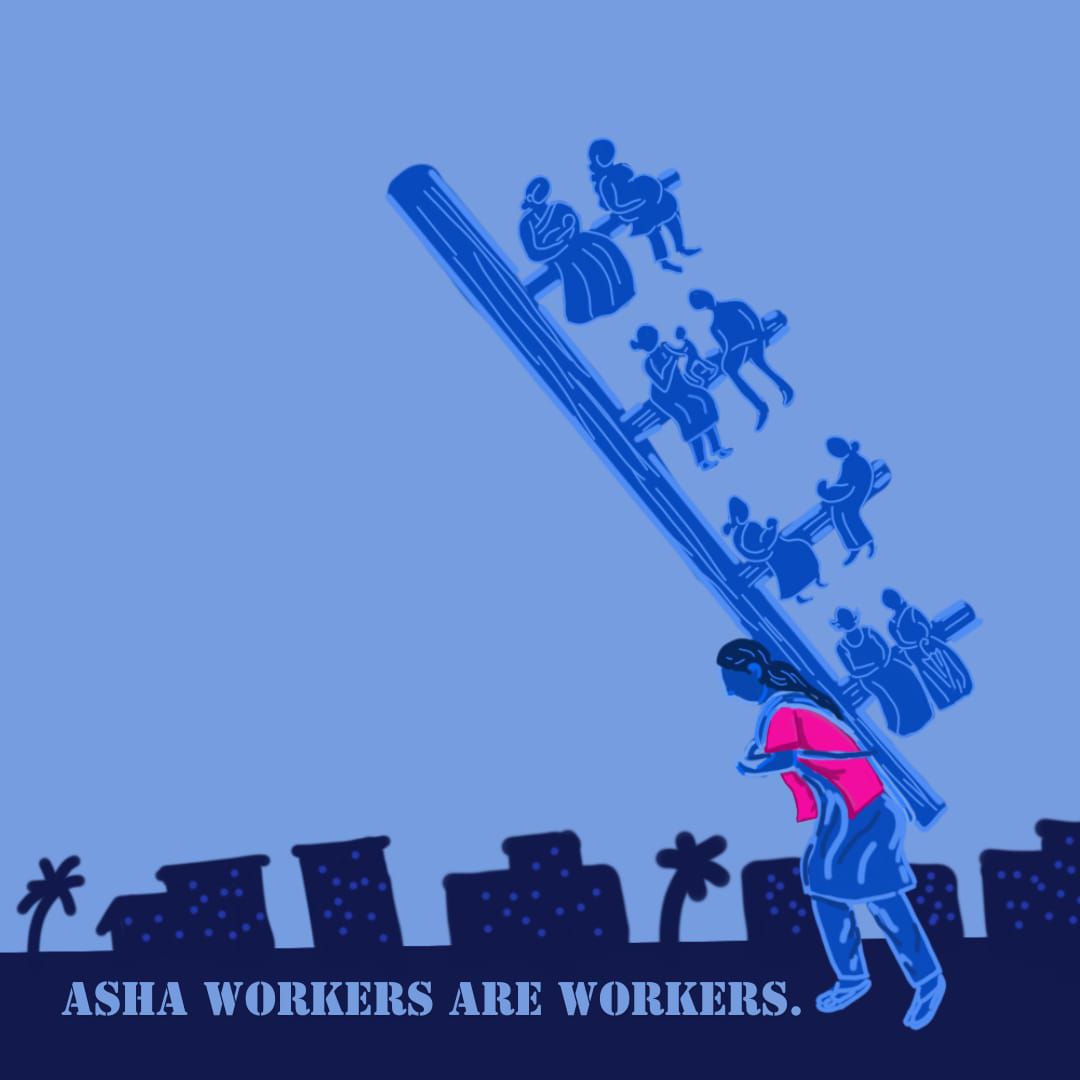
Support the ASHA Workers’ Strike in Kerala: An Appeal to Women’s Organisations, Trade Unions, and Malayalis around the World : Althea
The ASHA workers’ strike in Kerala is entering its third week. We are appalled by the CPM-led government’s apathy and the disgusting ignorance of the CPM’s own history of trade unionism displayed by their spokespersons in the media. Maybe the forgetfulness of history is deliberate, because the CPM can no longer continue to nurture even minimally the ‘party of the poor’ image that it built in the middle decades of the twentieth century. While the ASHA workers were on strike in front of the State Secretariat and an ASHA Workers’ mass meet called by the striking association drew a very large number of such workers to the capital city, the government was busy holding an investors’ meet. Such a government cannot be expected to be attentive to the needs and rights of the workers, perhaps.
Continue reading Support the ASHA Workers’ Strike in Kerala: An Appeal to Women’s Organisations, Trade Unions, and Malayalis around the World : AltheaWhether AAP’s Defeat Can Become a Wake Up Call for New Cheerleaders of Hindutva Lite Politics!
Time for Ideological Politics Now !
“ Do Not Put Each Foot in a Different Boat.”
– Chinese Proverb
A defeat in elections should not be The End of politics for a political party.
There are examples how parties who were humbled in one election could bounce back with huge majority in next elections.
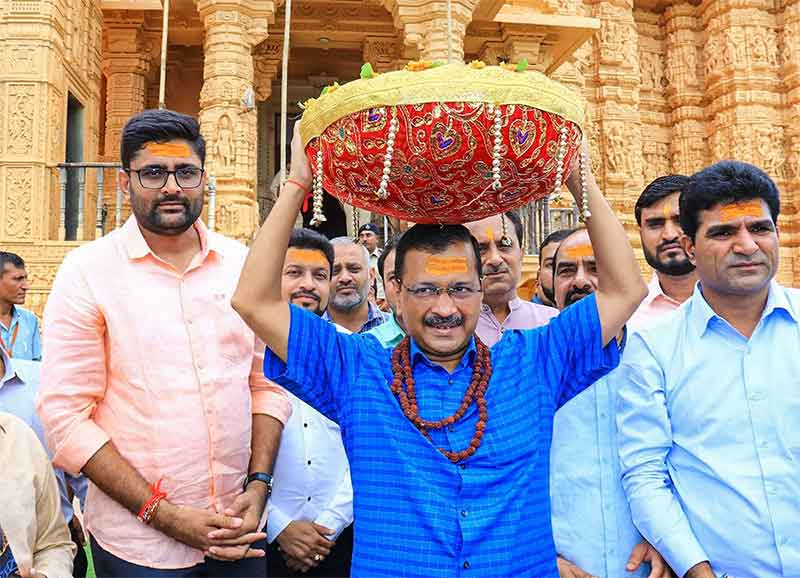
It is a different matter that with AAP ( Aam Aadmi Party) things seem to be unfolding in rather unpredictable ways, thanks to its rather unceremonious exit from the citadels of power in Delhi and defeat of all its top leaders in the recently held elections to the assembly.
Nobody would have imagined that its Supreme Leader would feel so insecure after the loss that he will summon all MLAs of his party – which is leading the government in neighbouring Punjab – to the national capital the very next day for consultation or may be sweet talk.
No doubt it did give way to speculations about increasing disgruntlement within his party and its legislators and their being in search of greener pastures.It also rekindled debate about the personality centric functioning of the AAP or how a close confidante of Kejriwal was appointed on a key post under Bhagwant Mann – Chief Minister of Punjab – last year itself which was construed as clipping of his wings by the opposition. ( Read the full article here : https://countercurrents.org/2025/02/whether-aaps-defeat-can-become-a-wake-up-call-for-new-cheerleaders-of-hindutva-lite-politics/
WHO CAN HATE THE ‘OTHER’ MORE!
CLASH OF TITANS ! REALLY ?
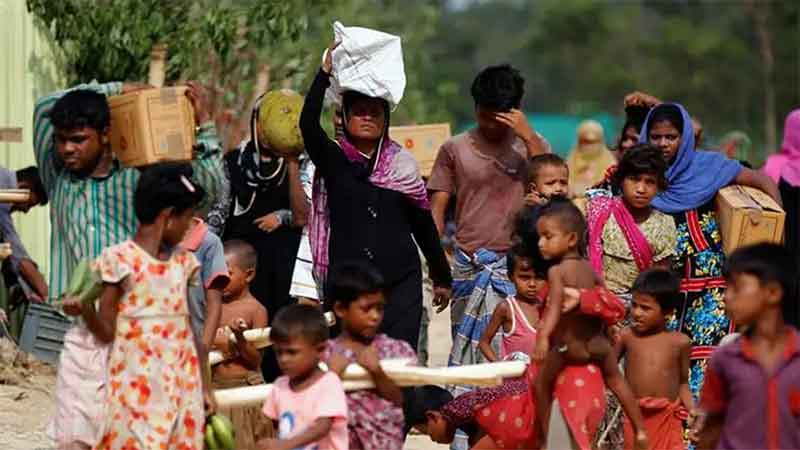
Aisha, a 7 year old girl living in Khajuri Khas Colony of Delhi, is yearning for a day when like her elder sister Asma, she would also be admitted to a nearby government school.(1)
This possibility is growing dimmer by the day, as the school has refused her admission and asked for Indian documents like Aadhar – which refugees do not possess.
Aisha is the younger daughter of Ahmad, a Rohingya refugee who has finally reached Delhi and has duly received his UNHCR card – which refers to the document issued by the UN refugee agency.
Thanks to the circular issued by Delhi government ( Dec 24) led by AAP asking schools to ensure strict guidelines during admissions perhaps Aisha will have to remain satisfied with the same private school which lacks facilities.With a drive underway to ensure that children of “illegal Bangladeshi immigrants” are not allowed enrolment, Aisha knows very well that her fate is sealed. (2)
It is difficult for her father to explain that while Asma got admission on the UNHCR card but why the rules have been suddenly changed ? ( Read the full article here : https://countercurrents.org/2025/02/clash-of-titans-really-who-can-hate-the-other-more/)
Road to Kumbh: Paved With Hindu Rashtra Intentions?
The Mahakumbh has provided Hindu Supremacist forces an opportunity to further marginalise and invisibilise Muslims, and further push for a ‘Hindu Constitution’.
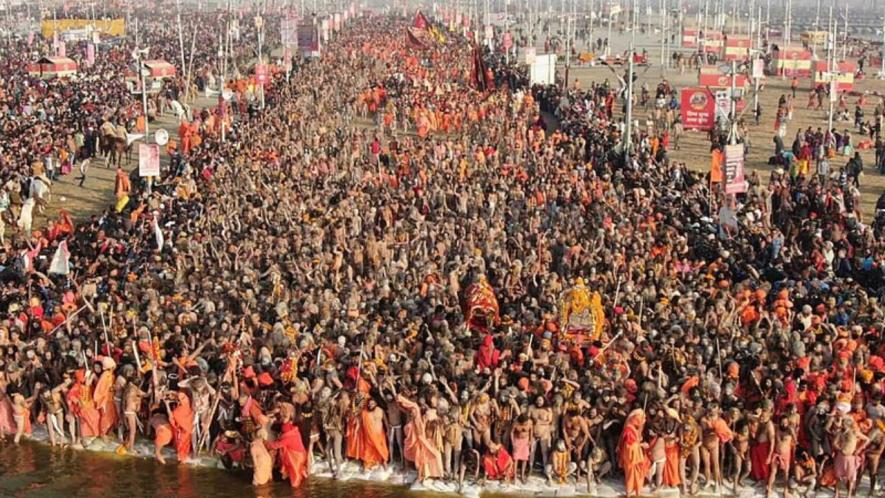
Whether Uttar Pradesh Chief Minister Yogi Adityanath will be able to recover his image after the tragedy at Mahakumbh, which officially killed more than 30 people and wounded many, many more, is a question being raised in hushed voices in the corridors of power in Delhi.
Obviously, questions are also being raised about the great hiatus between the massive propaganda undertaken around the Mahakumbh and the level of preparations for this ‘biggest congregation on earth’….
For Chief Minister Adityanath, who had ‘positioned himself as the ‘host of the biggest congregation on earth’, the path ahead looks challenging, with the tremendous ineptness of the administration led by him on full display. Much has been reported about conscious attempts made allegedly to downplay the tragedy and how it continued for the whole day. A UP minister, supposed to be close to the Chief Minister, even made a controversial statement that “such small events keep happening in large gatherings.” The statement caused so much uproar that he had to issue an apology. The mainstream media added another page of shame to its track record when it continued to publish government handouts, and did not even deem it necessary to report the tragedy. ( Read the full article here : https://www.newsclick.in/road-kumbh-paved-hindu-rashtra-intentions)
Democratic Dogmas and Disquiets
Democracy Dialogues Series 36
Organised by New Socialist Initiative
Theme :Democratic Dogmas and Disquiets
Speaker : Prof Niraja Gopal Jayal
Avantha Chair, Professor of Politics,
King’s India Institute , King’s College London
Livestreamed on : facebook.com/newsocialistinitiative.nsi
Abstract:
The erosion of democracy worldwide has placed all those who self-identify as democrats in a conundrum. We are loath to recognise the inherent imperfections of democracy because it is by championing democracy that we seek to challenge authoritarian rule. However, the failure to acknowledge the potential distortions of democracy has consequences, obliging us to confront the question of the ways in which democracy must be safeguarded, if necessary against itself.
About the Speaker :
Niraja Gopal Jayal joined King’s India Institute as Avantha Chair in October 2021. She was formerly Professor at the Centre for the Study of Law and Governance at the Jawaharlal Nehru University, New Delhi and presently also Centennial Professor (2019-23) at The London School of Economics, in the Department of Gender Studies.She has also held visiting appointments at, among others, Princeton University, King’s College, London, and the EHESS, Paris.
Her book Citizenship and Its Discontents (Harvard University Press and Permanent Black, 2013) won the Ananda Kentish Coomaraswamy Prize of the Association of Asian Studies in 2015. She is also the author of Representing India: Ethnic Diversity and the Governance of Public Institutions (Palgrave Macmillan, 2006) and Democracy and the State: Welfare, Secularism and Development in Contemporary India (OUP, 1999). She has co-edited The Oxford Companion to Politics in India, and edited, among several others, Democracy in India (OUP, 2001) and Re-Forming India: The Nation Today. (Penguin Random House, 2019) Her most recent book is Citizenship Imperilled: India’s Fragile Democracy (Permanent Black).
Bhagwat Puran of a Different Kind
How to denigrate India’s historic freedom struggle and humiliate the sacrifices of martyrs, and keep sermonising happily ever after

Image Courtesy: Wikimedia Commons
‘Though this be madness yet there is method in it…’
–‘Hamlet’, Shakespeare I.
The search for the real Independence Day has perhaps become longer in the Hindutva supremacist circles.
Close on the heels of the likes Kangana Ranaut, film actress and ruling Bharatiya Janata Party (BJP) Member of Parliament, who had (in)famously said that “India attained freedom in 2014 and 1947 was ‘bheek’”, or alms and Vikram Massey, another flop Bollywood hero, questioning the freedom of 1947 as “so-called” Independence, has come the news that the numero uno of the Sangh Parivar, Mohan Bhagwat, has joined the ranks.
Speaking on the first anniversary of the Ram Temple inauguration day in Indore (as per the Hindu calendar), the Rashtriya Swayamsevak Sangh (RSS) chief underlined that this day of consecration should actually be celebrated as “true independence” of Bharat, which faced enemy attacks “parachakra” for several centuries.
As expected, Bhagwat’s remarks have received widespread condemnation in Opposition circles. Congress leader Rahul Gandhi has even called it an act of “treason” and asserted that they were an affront to every Indian. He even underlined that the “[R]SS chief would have been arrested in any other country” for such controversial remarks.
Looking at the fact that Bhagwat happens to be the supremo of the ‘biggest cultural organisation in the world’, whose ideology drives India today, who has the complete liberty of sharing his pearls of wisdom whenever he deems it necessary, at times even boomeranging on the organisation, it is difficult to imagine that any action would be taken against him, or whether he will be censured for his controversial remarks, which are an attack on the sacrifices and historic legacy of the freedom fighters as also on the Constitution. ( Read the full text here :https://www.newsclick.in/bhagwat-puran-different-kind)
Reflections on the Kafila Journey: Seventeen Years of ‘Beyonding’
[This is the third of the “Reflection on the Kafila Journey” series. The first post in this series by Subhash Gatade can be read here and the second by Aditya Nigam can be read here.]
I started writing on Kafila in 2007. I met Nivedita at a conference in Delhi where she listened to my research on sexuality and development in Kerala; she took me by the arm gently, persuaded me to start writing in a non-academic but rigorous style, and showed me the possibilities of the new medium.
Continue reading Reflections on the Kafila Journey: Seventeen Years of ‘Beyonding’Stop Arbitrary Detentions and Intimidation, Save Ecology & Uphold Democratic Rights in J&K and entire Himalayan Region: Statement by 250 organizations and individuals
Following is a statement issued by 250 organizations and individuals, including the National Alliance of People’s Movements (NAPM) against arrests and intimidation of activists raising concerns regarding the ecological impact of so-called “developmental” projects. The statement was issued on 13 November 2024
Stop Arbitrary Detentions and Intimidation of Social & Environmental Activists in Jammu & Kashmir
Save Ecology & Uphold Democratic Rights in J&K and entire Himalayan Region
National Alliance of People’s Movements (NAPM), along with other people’s organizations and concerned citizens from across India strongly condemns the arbitrary detention of social and environmental activists in Jammu & Kashmir under the Public Safety Act (PSA). Those detained under the provisions of J&K Public Safety Act, 1978, include Mohammad Abdullah Gujjar (resident of Sigdi Bhata), Noor Din (resident of Kakerwagan), Ghulam Nabi Choppan (resident of Trungi – Dachhan), Mohammad Jaffer Sheikh (resident of Nattas, Dool) and Mohammad Ramzan (resident of Dangduroo – Dachhan), trade union leaders from Kishtwar district.
Continue reading Stop Arbitrary Detentions and Intimidation, Save Ecology & Uphold Democratic Rights in J&K and entire Himalayan Region: Statement by 250 organizations and individualsDemocracy and the Logic of Capitalism: The recent Indian Experience – Professor Jayati Ghosh
Democracy Dialogues Lecture 34 :
Speaker:
Professor Jayati Ghosh
Professor of Economics at the University of Massachusetts Amherst
Time and Date:
Sunday, 17 th November 2024l, at 6 PM (IST)
Topic : ‘Democracy and the logic of capitalism: The recent Indian experience
Abstract :
Many analyses of the recent erosion of democracy in India have dwelt on political and social forces. I will examine the role of economic forces unleashed by a particular form of capitalist development, and how they may have contributed to this process in recent decades.
About the Speaker
Professor Jayati Ghosh, Professor of Economics at the University of Massachusetts Amherst, a member of the Club of Rome’s Transformational Economics Commission and Co-Chair of the Independent Commission for the Reform of International Corporate Taxation, Formerly a Professor with the Centre for Economic Studies and Planning, JNU, Delhi, has also worked as a Consultant with the Planning Commission of India. Recipient of many awards including UNDP Award for Excellence in Analysis 2005, she has authored- co edited around twenty books on Economics.
Here is a list of a few of her recent books :
-Women, Gender and Work (Volume 2): Social choices and inequalities, (volume coedited with Mark Lansky, Dominique Meda and Uma Rani, 2016, Geneva: International Labour Office.
-Interpreting the World to Change It: Essays for Prabhat Patnaik (volume co-edited with C. P. Chandrasekhar), New Delhi: Tulika books, 2017.
– Demonetisation Decoded (with Prabhat Patnaik and C. P. Chandrasekhar) New Delhi: Routledge Taylor and Francis India, 2017.
– Indian Banking: Current challenges and alternatives for the future, AIBOC, Chennai, 2018.
– Informal Women Workers in the Global South: Policies and Practices for the Formalisation of Women’s Employment in Developing Economies, (edited volume) Routledge, 2020
– The making of a catastrophe: The Covid-19 pandemic and the Indian economy, New Delhi: Aleph Book Publishing, Forthcoming 2021.
– Development: A collection of articles from the International Labour Review, ILO Centenary Volumes, Geneva: ILO, forthcoming 2021 (co-edited with Uma Rani)
न्यायपालिका और हिन्दुत्व वर्चस्ववादी परियोजना
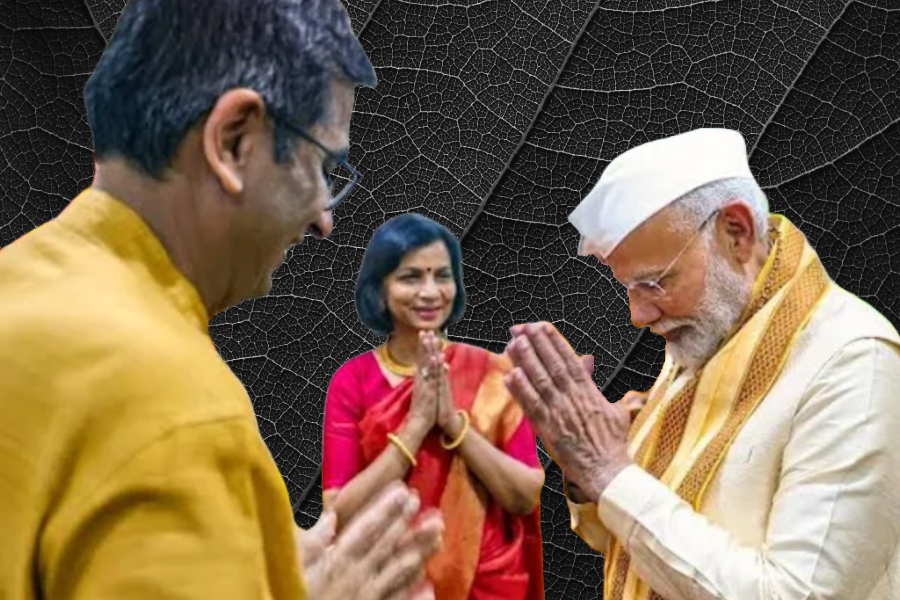
दुनिया में जनतंत्र पर मंडराते खतरों की तरफ हाल के समय में बार-बार लिखा गया है। जानकारों ने इस बात को साफ किया है कि किस तरह जनतंत्र का कवच साबित होने वाली उसकी संस्थाओं को अंदर से कमजोर करके, कार्यपालिका, विधायिका या न्यायपालिका को अंदर से खोखला करके या इन सुरक्षा कवच ( guardrails of democracy) का अपहरण करके भी इसे बखूबी अंजाम दिया जा सकता है।
भारत में जहां हम कार्यपालिका का, अर्थात उसकी विभिन्न संस्थाओं को प्रभावहीन बनाने या उन्हें सत्ताधारी पार्टियों के मातहत करने की परिघटना को बारीकी से देख रहे हैं, मगर अभी तक न्यायपालिका में आ रहे बदलावों की तरफ हमारी निगाहें कम गई हैं।
गौरतलब है कि भारत में ऐसे बहुत कम कानून के विद्वान हैं या वकील हैं जिन्होंने भारत की न्यायपालिका के गति विज्ञान को बारीकी से देखा है और उसके रास्ते हमारे सामने रफ्ता-रफ्ता नमूदार हो रहे ख़तरों की तरफ इशारा किया है। जनाब डॉ. मोहन गोपाल, का नाम ऐसे लोगों में शुमार है।
कानून के यह आलिम और प्रैक्टिशनर हिन्दुत्व वर्चस्ववादी ताकतों के नज़रिये के बारे में और उनकी रणनीतियों के बारे में बारीक समझ रखते हैं और संविधान के हिसाब से एक धर्मनिरपेक्ष, लोकतांत्रिक, समाजवादी और संप्रभु भारत को हिन्दू राष्ट्र में तब्दील करने के उनके इरादों के बारे में बताते हैं कि ‘वह संविधान को उखाड़ फेंक कर नहीं बल्कि सर्वोच्च अदालत द्वारा उसकी एक हिन्दू दस्तावेज के रूप में व्याख्या करके’ अमल में लाना चाहते हैं।
कुछ वक्फ़ा पहले ‘लाईव लॉ’ द्वारा आयोजित एक प्रोग्राम में बोलते हुए उन्होंने उसके गतिविज्ञान को साफ किया था। ( Read the full article here : https://janchowk.com/beech-bahas/judiciary-and-scheme-of-hindu-dominance/)
Beyond ‘Islamists vs Awami League’ – The Political Reality of July Uprising of Bangladesh: Sohul Ahmed
Guest post by SOHUL AHMED

Sheikh Hasina, often labelled as fascist and autocratic leader in Bangladesh, was forced to flee the country following a popular uprising in July-August 2024. Many writings have appeared exploring the character of the movement and the consequent developments. Recently, renowned Indian historian and journalist Vijay Prashad published an article titled ‘Will Bangladesh be another Egypt?’, where he expressed the concern that Bangladesh could follow a path similar to Egypt’s. Vijay presents the popular uprisings as both a continuation and, to some extent, a counter-response to the Shahbagh movement, while drawing parallels to the Arab Spring. However, his disregard for certain political realities in Bangladesh—such as the country’s long tradition of democratic movements and the presence of major centrist parties like the BNP—makes his comparison uneven and incomplete in some respects.
Continue reading Beyond ‘Islamists vs Awami League’ – The Political Reality of July Uprising of Bangladesh: Sohul AhmedWho is Entitled to Hurt Religious Statements ?
The judiciary in Karnataka is once again the focus of discussion in the national media.
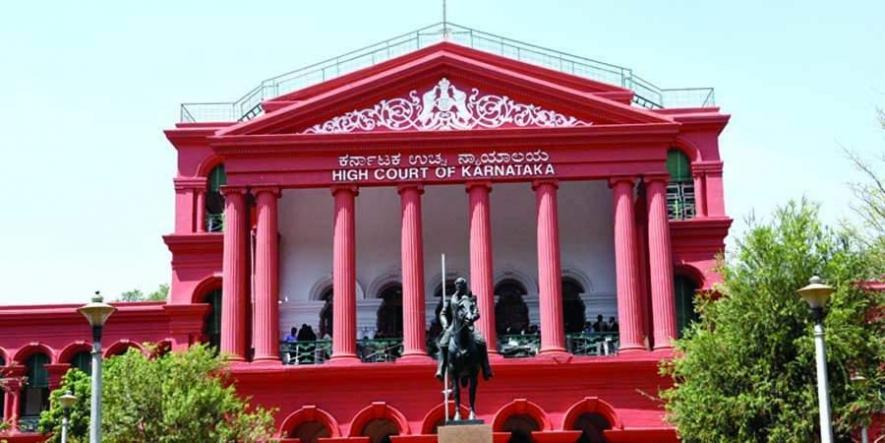
The judiciary in Karnataka is once again in the news.
The latest case in a series of such cases is the Karnataka High Court’s recent judgment saying that shouting ‘Jai Shri Ram’ inside a mosque does not outrage religious feelings.
In an ambience where Right-Wing forces are hell bent upon creating more discord in the society, this judgement can easily be used by those who wish to further vitiate the atmosphere in the country. There are instances galore when such elements have tried to mount atop religious places of ‘other’ communities and deliberately create tension.
There is a feeling of sadness and surprise that despite the incident being caught live on CCTV, where the duo was seen entering a mosque late at night on their motorcycle, the courts did not look into the intention behind their act.
No doubt legal eagles in the country or civil liberty activists would be looking into the Karnataka HC judgement to formulate a suitable response and possibly challenge it at higher levels. For example, at the immediate level, it is being argued by analysts that the single-judge bench’s comparison of this issue with the highest court’s ruling in ‘Mahendra Singh Dhoni vs. Yerraguntla Shyamsundar’ case was notably different. ( Read the full article here : https://www.newsclick.in/who-entitled-hurt-religious-sentiments)
Goodbye Welfare State ? Welcome ‘Labharthis’
Ahead of Maharashtra Assembly polls, announcement of schemes like the Ladki-Bahin scheme reduce citizens to being ‘subjects’ rather than persons with basic constitutional rights.
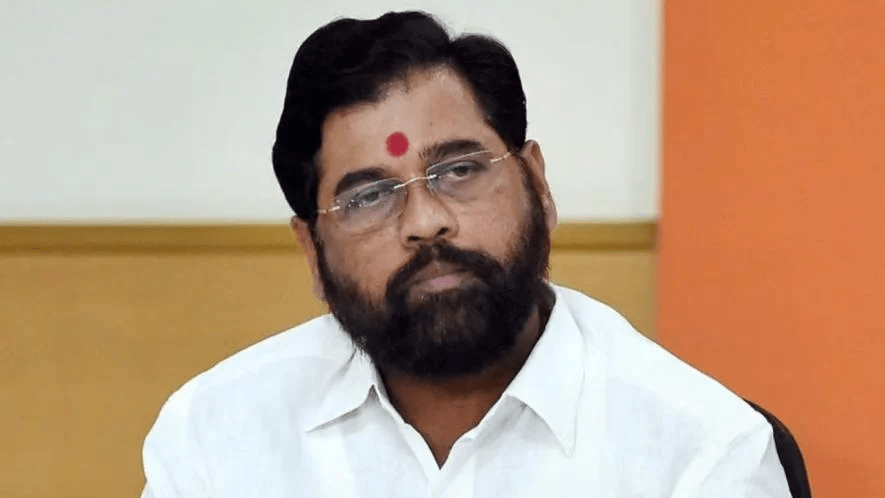
Image Courtesy: PTI
Times have definitely changed.
There was a time earlier when a postcard sent by an ordinary citizen had spurred the judiciary into action, not any more.
One does not know whether the legal notice sent by a conscientious journalist to the Maharashtra government will similarly have any impact or not.
The focus of this legal notice is on the recent scheme launched by the Maharashtra government, called Ladki Bahin, under which women will be given Rs 1,500 per month. Launched on the eve of the elections to the state, the notice raises issues of the scheme’s timing, the claim that Rs 1,500 given to women would be sufficient; how such doles create a dependency culture and how it effectively punctures the whole idea of a welfare state. (Read the full article here :https://www.newsclick.in/goodbye-welfare-state-welcome-labharthis)—————————-
Here is a Hindi version of this write-up :https://janchowk.com/pahlapanna/citizens-as-beneficiary-the-achievement-of-the-amrit-kaal-of-the-republic/
हिंदुत्व की दक्षिण की नई प्रयोगशाला !
नरम हिन्दुत्व या ‘सेकुलर’ दलों की लड्डू पॉलिटिक्स?
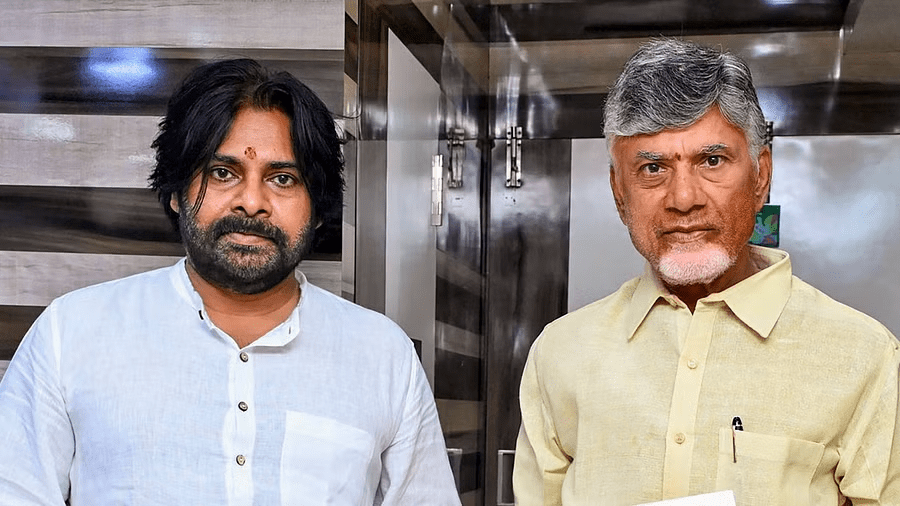
Credit: PTI photo
(क्या आंध्र प्रदेश दक्षिण में हिंदुत्व प्रयोग की नई प्रयोगशाला बनाने जा रहा है। दक्षिण के अग्रणी अख़बार डेक्कन हेराल्ड ने पिछले दिनों इस मसले पर विशेष सामग्री पेश की थी ा गौरतलब है कि इस सूबे की आंतरिक गतिविधियों पर शेष मुल्क की तब निगाह पड़ी, जब तिरुपति के लड्डू के मसले को सुर्खियां मिली . मगर ‘हिंदुत्व लाइट’ का यह सम्मोहन महज वहीं तक सीमित नहीं है )
सियासत भी अजीब होती है। अकसर इस बात का अंदाजा भी नहीं लग पाता कि कैसे वह शैतानों के सन्त में रूपांतरण को मुमकिन बना देती है और कैसे अन्य समुदायों के जनसंहारों को अंजाम देने वालों को ‘अपने लोगों’ के हृदयसम्राट या रक्षक के तौर पर स्थापित कर देती है।
शायद इसी विचित्रता की यह निशानी है कि अमेरिका के पूर्व राष्ट्रपति डोनाल्ड ट्रम्प द्वारा हैती से आए आप्रवासियों को लेकर फैलायी जा रही झूठी ख़बरें कि वे कुत्तों का भक्षण करते हैं, अमेरिका की आबादी के अच्छे-खासे हिस्से को अविश्वसनीय नहीं लग रही- जिनका लगभग अस्सी फीसदी हिस्सा साक्षर है। इन झूठी और नफरती ख़बरों को लेकर हैती से जुड़े समूहों को ही अदालत का दरवाजा खटखटाना पड़ रहा है।
जहां दुनिया का सबसे ताकतवर जनतंत्र कुत्तों को लेकर पैदा किए गए एक विवाद में उलझा दिखता है, वहीं खुद को दुनिया में डेमोक्रेसी की माता कहलाने वाले भारत में लड्डू के इर्द-गिर्द खड़े किए गए इसी किस्म के एक फर्जी विवाद में पिछले दिनों लचीले हिन्दुत्व की राजनीति के नए रणबांकुरे उलझे दिखे थे । ( Read the full article here : https://junputh.com/open-space/soft-hindutva-and-laddoo-politics-of-naidu/)
The New Janus of Sri Lanka: Revolution at the Gate? Maya John
Guest post by MAYA JOHN
[Maya John has been part of the Left Movement for the past two decades and this piece is in response to ongoing dialogues with Sri Lankan comrades.]

The recent presidential election has installed Anura Kumara Dissanayake (“AKD”) from the Janatha Vimukthi Peramuna (JVP)-led National People’s Power (NPP) alliance as the new president of Sri Lanka. This victory is seen as a result of rising popular hostility towards mainstream parties and rogue dynasts. Consequently, we find that AKD garnered an overwhelming share of the votes from those same electoral constituencies which had earlier voted in bulk for the corrupt Rajapaksas. Prior to this presidential election, the frustrated Sri Lankan masses, plagued by growing economic and political crises, generated the powerful people’s movement – the janatha aragalaya – that ushered in a huge legitimacy crisis for the ruling elites.
Continue reading The New Janus of Sri Lanka: Revolution at the Gate? Maya John KAFILA - COLLECTIVE EXPLORATIONS SINCE 2006