संसद राजनीति और लोकतंत्र पर स्कूली किताबों में कार्टून नहीं चाहती है. इस मसले को लेकर संसद के दोनों ही सदनों में सारे राजनीतिक दलों में अभूतपूर्व मतैक्य देखा गया. एक राजनीतिक दल, जिसका नाम नेशनल कान्फरेंस है, इस दमनकारी बहुमत से अलग स्वर में बोलने की कोशिश करता रह गया, उसे क्रूर बहुमत ने बोलने नहीं दिया. आखिर वह एक बहुत छोटे से इलाके का था! मुख्य भूमि में बन रही सहमति में विसंवादी स्वर पैदा करने की अनुमति उसे दी ही कैसे जा सकती थी? उसे उसकी लघुता के तर्क से नगण्य माना जा सकता था. यह स्वर कश्मीर से आ रहा था जिसे भारत का अंग बनाए रखने के लिए देश के क्रूरतम क़ानून की मदद लेनी पड़ती है.
यह विवरण यहाँ अप्रासंगिक लग सकता है.लेकिन मुझे इसमें एक तरह की प्रतीकात्मक संगति दिखलाई पड़ती है. वह संगति असहिष्णुताजन्य अधैर्य के तत्व से निर्मित होती है जो हमारे सामाजिक और सांस्कृतिक जीवन को परिभाषित करता है और इसीलिए सरलीकरण की पद्धति उसके चिंतन की दिशा तय करती है. Continue reading पाठ्यपुस्तक का संघर्ष
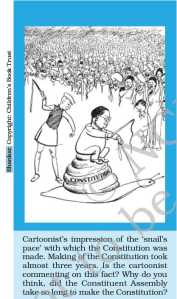 The uproar over what is being referred to as the ‘Ambedkar cartoon’ in the class XI textbook prepared by NCERT first began over a month ago, that is to say, almost six years after the books have been in circulation, been taught and received high praise for their lively style and a critical pedagogical approach (more on this below). It was a political party – one of the factions of the Republican Party of India – that decided to kick up a ruckus over ‘the issue’ – that is, the ‘affront’ to Dr Ambedkar that the cartoon in question supposedly constitutes, and the resultant ‘hurt sentiments’ that it has caused. Very soon everyone began to fall in line, and practically every member of our august Parliament was vying with one other to prove that they were indeed more hurt than their colleagues. One of them, Shri Ram Vilas Paswan has even demanded that the
 Not that we needed any evidence of the prevalence of caste in India – even amongst the elites who like to pretend caste doesn’t exists when it comes to the reservation debate. The Times of India reports from Mumbai:
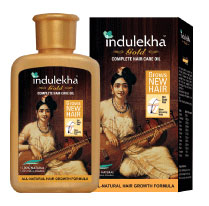 Well, the truth is that I care two hoots for Indulekha Hair Oil, their stupid ads, and the wide-eyed chubby-cheeked teenage girls who they usually cast as epitomes of Malayalee feminine grace. All of Mallu FB world is agog with discussion about a brainless ad for the Indulekha Hair Oil, in which a fiery-looking woman whose dress-style follows the dress conventions of our Malayalee AIDWA Stars, bursts with indignation over the terrible harassment that women with long hair face on buses, how we are all forced to cut off “the hair that we have” (‘Ulla mudi’) and go about with short hair “like men” because of this horrible injustice, and finally, how we all ought to grow our hair long (and let it down, possibly) and hit back at such harassers. This stupid ad is actually only one among other stupid ads for this hair-oil which uses currently-common ideas like ‘women’s collectives’ (stree koottaimakal). All of them are jarring since the concepts they use, and what they aim at, simply don’t mix.Part of the outrage has been fueled by the fact that the ad uses as a model Sajitha Madathil, who is well-known as a feminist theatre activist in Kerala.
 This statement has been put out by NIGAH