The excerpt below is translated by DARSHAN SUBRAMANIAM. The note that follows is by J Devika.
Category Archives: Religion
Against Aachaaram: A Dossier from Malayalam – Announcement
This is to announce a new series of postings I will be doing, relating to aachaaram in Kerala.
Aachaaram is loosely translated as ‘customary practices’ or ‘customary rituals’, but in 19th century Malayali society, it referred to a massive, inter-connected, all-pervading web of practices, rituals, and ideas which bolstered the domination of the upper-castes — in Kerala’s context, this meant the Brahmin-sudra nexus — over the lower castes. It touched the most intimate and personal aspects of a person’s life; through it, the allegiances and the labour of lower caste communities were extracted to benefit the upper castes. The lower-caste assertions of the late 19th and early 20th centuries here, through which modern democracy became a possibility at all, were directed against this web. Aachaaram, however, survived this phase through shrinking its spatial presence to savarna homes and temples; later, after the re-consolidation of brahmin-sudra power, towards the end of the 20th century, the rise of spiritual capitalism had led to aacharam’s resurrection as the vehicle of gendered savarna power — and as the provider of opening gambits for the Hindu fundamentalists — in Kerala .
In this series, I will post translations of selections/excerpts from the writings of the critics of aachaaram from early 20th century Kerala, with short reflections on each for the present. The many different readings of Hinduism that arose in that period when the Brahmin-sudra nexus was thrown into confusion, as well as the many different dreams of social liberation from different parts of the world that entered Malayali society then — from C Krishnan’s Buddhism to Marxism — produced powerful critical exposures that revealed aachaaram to be nothing but a vehicle and instrument of the power of certain groups over others. The effort made by these voices to point to the danger that it posed to a dream of a just society was largely ignored by the mainstream, especially the mainstream left.
The first of these is an excerpt from a conversation between the well-known social revolutionary, the avarna-born seer, spiritual leader, and philosopher, Srinarayana Guru and his disciples in which the annual pilgrimage to Sivagiri was planned, which I will post separately.
How Many More ‘Halal’ Ponzi Schemes?
It is important to note that the very idea of Islamic banking and promoting it as a parallel to conventional banking – which is being portrayed as un-Islamic – and which has caught the imagination of a section of god-fearing Muslims, is a clear manifestation of shifts in Muslim politics over the world.

Image for representational use only.Image Courtesy : Business Today
Afzal Pasha, a 55-year-old labourer, is dead. He died of a heart attack a few days back.
The news that the attractive scheme in which he had invested his life’s savings worth Rs 8 lakh went bust proved unbearable for him.
While Afzal’s tragic death could catch headlines, we will never know the plight of the thousands of investors – all of them belonging to the Muslim community – who had similarly invested their hard-earned savings in the said investment scheme launched by Mohammed Mansoor Khan in 2006 through his firm I Monetary Advisory (IMA).
The scheme was declared ‘Shariah-compliant’ and worked on ‘“no interest” policy of Islamic banking. A section of the clergy had even certified this scheme as “halal”, which means “lawful” or “permitted” in Arabic, which helped it easily earn the trust of the Muslim community. Small investors from across the state of Karnataka had flocked to it with their investments ranging from a few thousand rupees to a few lakhs.
A few days back, the promoter of IMA just disappeared from Bengaluru and is supposed to have fled to Dubai.
God in the Classroom!
Unfolding Debate about Secularising Education
( To be published in ‘Indian Journal of Secularism)
“There is in every village a torch – the teacher; and an extinguisher – the priest.”
-Victor Hugo
Introduction
“Keep the words God, Jesus and the devil out of the classroom.”
A school teacher’s message on the first day of the school for first-grade students had caused tremendous consternation among a section of the parents.
She had a simple rationale to present her proposal. With their being a public school with children coming from different religions and beliefs joining it, she did not “[w]ant to upset a child/parent because of these words being used,” In her letter she had also advised them to talk to the children when they go to the church/temple/synagogue – whatever might be the case – or discuss the issue at home at an appropriate time and place of talking about it.” (https://www.indystar.com/story/news/education/2017/08/30/teacher-tells-first-graders-dont-talk-god-classroom/612118001/)
Well, instead of the discussion getting fixed on the slow imposition of the concept of God or closing of child’s minds it turned into a debate on students’ free speech rights. It did not take much time for the management of the school to rescind this proposal.
There is nothing new about this dilemma faced by a teacher who has welfare of students at the center of her/his concerns. Continue reading God in the Classroom!
Modi’s Meditation ‘Tour’
The art of legitimising religiosity in a secular country and live happily ever after.
Religion is regarded by the common people as true, by wise people as false and by the rulers as useful. — Seneca (4 BC-AD65)
A picture is worth a thousand words.
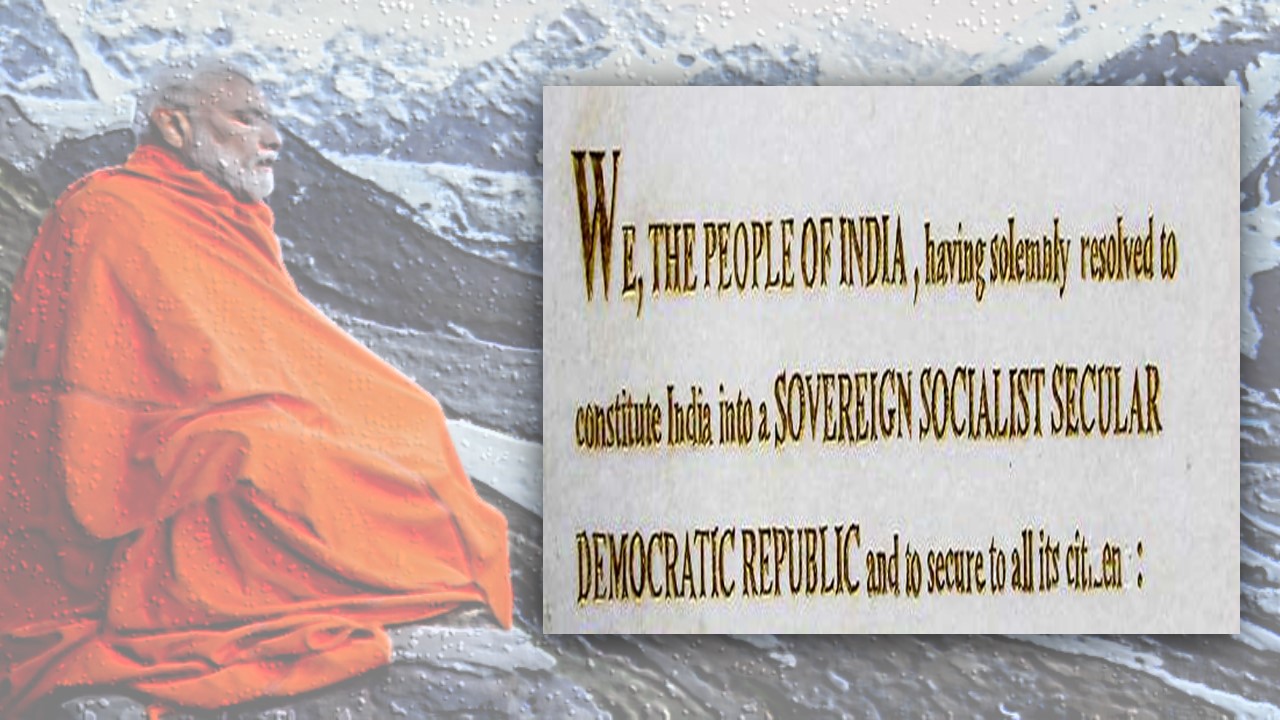
An outgoing Prime Minister of the ‘world’s biggest democracy’ seen meditating under the glare of cameras in a cave specially opened for the occasion and with a dress stitched for the event, conveys many things simultaneously.
First and foremost, it tells us that the present incumbent to the post would at least be remembered for his varied sartorial tastes among the galaxy of PMs who headed the republic earlier. It appears that either all the others lacked the sense to dress for the occasion or found it a mundane job not befitting the post and the responsibilities they held then. Continue reading Modi’s Meditation ‘Tour’
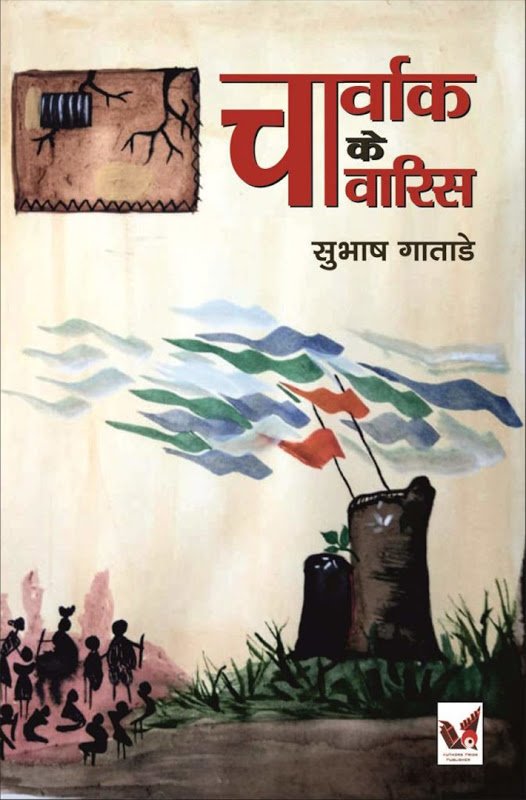
‘विश्व गुरु का सत्य’ और ज्ञान की दूसरी परम्परा : धीरेश सैनी
Guest Post by Dheeresh Saini – Review of ‘Charvak ke Vaaris’

`चार्वाक के वारिस` को पढ़ते हुए ही मुझे हिंदी के आलोचक और जेएनयू के रिटायर्ड प्रोफेसर नामवर सिंह के निधन की ख़बर मिली। एक ऐसी किताब को, जो भारतीय समाज-संस्कृति में अतीत से लेकर आज तक ज्ञान-विज्ञान की विभिन्न प्रगतिशील, विवेकवादी, तर्कवादी और विद्रोही धाराओं के प्रति वर्णवादी-ब्राह्मणवादी शक्तियों के हिंसक रवैये की पड़ताल करती हो, पढ़ते हुए विचलित होते चले जाना स्वाभाविक था। Continue reading ‘विश्व गुरु का सत्य’ और ज्ञान की दूसरी परम्परा : धीरेश सैनी
The Triumph of Streevaashi! Women break the wall of caste at Sabarimala
Out of the dark, seemingly never-ending night, a streak of light! Two women of menstruating ages, Bindu and Kanakdurga, finally entered Sabarimala, breaking the concerted walls built against them by brahmanical-Hindutva male authorities on the right and left. Continue reading The Triumph of Streevaashi! Women break the wall of caste at Sabarimala
Scrap the Citizenship (Amendment) Bill, 2016, It is Unconstitutional, Illegal and Immoral : 70 People’s Organizations of Assam
Guest Post by 70 People’s Organizations of Assam

( Photo Courtesy : AISA)
Protestors from various democratic organisations in Assam have began an indefinite dharna in Jantar Mantar from today 9 Dec. This includes KMSS and peasant leader Akhil Gogoi, AJYCP, Tai Ahom Satra Sontha, Asom Moran Sabha, All Asam Motok Sonmilon, All Asam Minority Students Union, and 70 other organizations of indigenous population of Assam, who are part of an umbrella platform against the Citizenship (Amendment) Bill 2016. This Bill seeks to change the very definition of a Citizen of the country and include a religious dimension to it as part of the RSS’s ideological project. The effects of this Bill can be seen in starkly in Assam – which has been to fuel ethnic and religious anxieties and conflict. Protests against it has also taken unprecedented forms in recent months with participation of millions of indigenous people, including Assam bandhs, and so on.Find below the text of the Leaflet issued by them. Please forward and Join in the Solidarity.
An Open Letter to Brinda Karat about Rehana Fathima: Why are we being hunted in Kerala?
Dear Comrade
Last year, around this time, I wrote you an open letter about the plight of Hadiya Asokan who was being hunted down by the Hindutva groups for her choice of faith and partner while the CPM and its cyber force was either actively abetting the violence or watching passively. I wrote in joy, because you had taken a firm stand and despite angry howls of protest against you from your own party. However, this time, I write in sheer despair at your silence; not just yours, but of the AIDWA in Kerala in general, in the wake of the twisted machinations of the Hindutva forces around the Supreme Court’s order permitting the entry of women of menstruating ages to the Sabarimala temple. Continue reading An Open Letter to Brinda Karat about Rehana Fathima: Why are we being hunted in Kerala?
One month at an Indian Yoga Centre: Dhruv Ramnath
Guest post by DHRUV RAMNATH
“When you are in India, you must follow Modi. When you are in America, you must follow Trump,” said the semi-literate Odia instructor to a batch of 70-odd students at Swami Vivekananda Yoga Anusandhana Samsthana (S-VYASA), a university which received crores from our prime minister not so long ago. 30 kms from Bangalore, its Vice-Chancellor, Dr. H. R. Nagendra (“Guruji” to his devotees), went further. “Thanks to Modi, we are now taking yoga to the world,” he said on the first day. Both the Odia speaker and Guruji told us to “have a smile on our face all the time”. Repeated so often whilst we performed our asanas, it became patently corny and destroyed any sense of feeling welcome and of enjoying a simple, one-hour class.
Continue reading One month at an Indian Yoga Centre: Dhruv Ramnath
Time to Dump Blasphemy Laws

Mera azm itna bulund hae, Parae sholon se dar nahin.
Mujhe dar hae tu atish e gul se hae, Ye kahin chaman ko jala na dein
(my confidence in self is strong, I’m unafraid of foreign flames
I’m scared those sparks may ignite, that in the blossom’s bosom lay )
— Shakeel Badayuni’s couplet which was very dear to Salman Taseer who was assassinated by Islamists
Know Meilana, a 44-year-old ethnic Chinese Buddhist from Indonesia, whose conviction under Indonesia’s controversial blasphemy laws, caused an uproar in the country, merely few months ago. The only ‘offence’ registered against her was that this woman from Sumatra had merely complained about ‘the volume of adzan or call to prayer, from her local mosque’. Her complaint was considered ‘blasphemous’ and even triggered an anti-Chinese riot in which several Buddhist temples were burnt.
(Read the full article here : https://www.newsclick.in/time-dump-blasphemy-laws)
Rehana Fatima and the Goons: A comment on the good-cop-bad-cop game that’s on in Kerala
Yesterday’s high drama at Sabarimala told us quite a lot about the games that politicians play in Kerala. Rehana Fatima, a young woman activist who decided to take the challenge (it is now a challenge, since the trekking path to the shrine is in effect controlled by Hindutva goons heaping verbal abuse, threatening open violence, and using children as shields) had to face not only the naked threats of the so-called bhakths and the vandalisation of her home at Kochi by the same elements, she had also to swallow the Kerala Minister Kadakampally Surendran’s jibe that Sabarimala was not a playground for ‘activists’! By saying so, he hinted that only ‘pure’, ‘untainted’ women believers who are apparently by definition not activists, can be helped by the Kerala Police to reach the shrine. So much for Pinarayi Vijayan’s evocation of Kerala’s legacy of enlightened Hinduism!
This is a piece I wrote in the TOI today on the issue.
സ്ത്രീവാശിയുടെ ആവശ്യകത :ശബരിമലപ്രശ്നം, സ്ത്രീകൾ, സാമൂഹ്യജനാധിപത്യം
അഭിനവ അച്ചിയാകാൻ എനിക്കു സമ്മതമില്ല. അതുകൊണ്ട് രാഹുൽ ഈശ്വറെ എന്തുവില കൊടുത്തും ഞാൻ എതിർത്തു തോൽപ്പിക്കും.
കുറേ സ്ത്രീകളെ തെരുവിൽ കൊണ്ടുവന്ന് ആചാരസംരക്ഷണത്തിൻറെ പേരിൽ സ്വന്തം താത്പര്യങ്ങൾക്കെതിരെ സംസാരിപ്പിക്കുക, അവരുടെ പൊതുജീവിതപരിചയമില്ലായ്മയുടെ ഫലങ്ങൾ കൊയ്തെടുക്കുക (പിണറായിയെ ജാതിത്തെറി വിളിച്ച ആ വിഡ്ഢിസ്ത്രീ തന്നെ ഉദാഹരണം), ബ്രാഹ്മണമൂല്യങ്ങൾ തങ്ങൾക്കു സമ്മാനിക്കുന്ന അപമാനഭാരത്തെ ആത്മീയസായൂജ്യമായി എണ്ണുന്ന അഭിനവ അച്ചി-സ്ഥാനത്തെ ഉത്തമസ്ത്രീത്വമായി ചിത്രീകരിക്കുക –ഇതൊക്കെയാണ് ശബരിമലപ്രശ്നത്തിൽ കേരളത്തിലെ ഹിന്ദുത്വശക്തികൾ ചെയ്തുകൊണ്ടിരിക്കുന്നത്. Continue reading സ്ത്രീവാശിയുടെ ആവശ്യകത :ശബരിമലപ്രശ്നം, സ്ത്രീകൾ, സാമൂഹ്യജനാധിപത്യം
നായർസമുദായാഭിമാനികളോട്: ശബരിമലപ്രശ്നം ഉയർത്തുന്ന ചില ചോദ്യങ്ങൾ
നായർ സർവീസ് സൊസൈറ്റി ശബരിമലപ്രശ്നത്തിൽ പുനഃപരിശോധനാഹർജി സമർപ്പിച്ച സ്ഥിതിയ്ക്ക് ആ പ്രസ്ഥാനത്തോട് നായർസമുദായത്തിൽ ജനിക്കാനിടയായ ഒരു സ്ത്രീയെന്ന നിലയ്ക്ക് എനിക്ക് ചില ചോദ്യങ്ങളുന്നയിക്കാനുണ്ട്. Continue reading നായർസമുദായാഭിമാനികളോട്: ശബരിമലപ്രശ്നം ഉയർത്തുന്ന ചില ചോദ്യങ്ങൾ
The BabriMasjid/Ayodhya Judgement of 2010 – Some questions for today
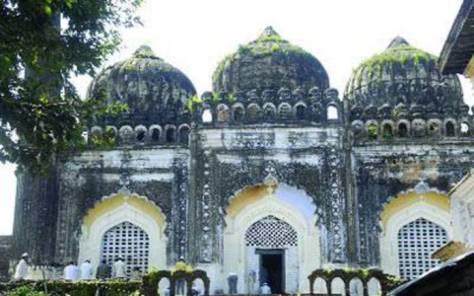
Babri Masjid before its demolition. It was still a mosque in 1992 when Hindutva mobs demolished it, and namaz was offered there until 1949 when under growing pressure from Hindutva forces, it was locked and made out of bounds for the public. However, Hindu puja was permitted there once a year.
This post is an analysis of the Allahabad High Court judgement of September 2010, on the BabriMasjid /Ayodhya issue. The final judgment ruled that the disputed land would be divided into three parts, one third going to the Hindu Maha Sabha which represented Ram Lalla, one third to Sunni Waqf Board and the rest to Nirmohi Akhada including Ram Chabutara and Sitaki Rasoi.
This essay was written at the time, and published in Economic and Political Weekly. Two of the key issues of this case arose in two of the recent judgments of the Supreme Court on other matters.
One, the status of ‘Next Friend’, which is central to the Ayodhya case, was brought up in the judgement on the Bhima- Koregaon Five. Regarding the PIL filed by historian Romila Thapar and four other eminent persons challenging the alleged-unlawful arrest of these five activists,
the court assumed that the writ petition has now been pursued by the accused themselves and was of the opinion that the petition, at the instance of the next friend of the accused for an independent probe or a court-monitored investigation cannot be countenanced, much less as a PIL as the petitioners cannot be heard to ask for the reliefs which otherwise cannot be granted to the accused themselves.
Two, the status of the deity as a person in law came up centrally in the judgement on Sabarimala.
Apologies for posting this long piece, which is not a blog post but an analytical essay closely examining the 2010 judgement by Allahabad High Court. I have not updated it in any way, as that is the judgement that currently stands. The case is currently in the Supreme Court.
The Ayodhya judgement: what next?
Published in Economic and Political Weekly Vol 46 No. 31 July 30 – August 05, 2011
Since the Allahabad High Court judgement on the Ayodhya dispute was delivered on September 30, 2010, a substantial body of reflection upon it has emerged. Historians, political commentators, legal scholars and lawyers have all produced serious and engaged critiques of the judgement, pointing out flaws in reasoning and flaws in law. In an engagement with the debate so far, particularly with the critical voices, of which I am one, I hope here to develop a composite picture of the problems with the judgement, currently under appeal in the Supreme Court. And to ask, what are its weakest links?
Continue reading The BabriMasjid/Ayodhya Judgement of 2010 – Some questions for today
Do Not Ride the Tiger of Hindtuva: Sabarimala Entry and Hindutva Women
The Supreme Court judgment on women’s entry into Sabarimala has got Hindutva women in Kerala into a hand-wringing, hair-tearing frenzy, and that is to put it lightly. I say ‘Hindutva women’ deliberately, to refer to a sub-set of Hindu women, who (1) believe, like the RSS chief, that the Hindu(tva) lion is under threat from dogs (guess who the dogs are in this case) (2) identify craven submission to Hindutva commonsense about gender as ‘Indian tradition’ (3) are willing to sacrifice all public decency for the sake of upholding that common sense. Continue reading Do Not Ride the Tiger of Hindtuva: Sabarimala Entry and Hindutva Women
The Poverty of Politics and Pre-Requisites of an Anti-Hindutva Front: Moggallan Bharti
Guest post by MOGGALLAN BHARTI
Going by the track record of past four years of Narendra Modi’s government, the only definitive political narrative today is that of the ruling party, characterized by its brand ideological vehemence/ aggression and paralleled by corresponding ideological ennui in the opposition camp. The fact that there is an astronomical rise in hate crimes against Muslims, Dalits, Women and other minorities, silently supported by large numbers of people, underlines the onset of an ideology, conceptualized by the caste Hindus and institutionalized as Rashtriya SwayamSevak Sangh (RSS).
The electoral success of BJP – the political wing of RSS – only points to a reality which is the logical outcome of the political processes, wherein the Hindu right has been handled with the customary albatross of secularism around all of our necks – defying the social reality of India. In a predominantly caste society, secularism tends to obfuscates real social cleavages and gives preeminence to an idea shaped by the literate elites. That is not to say there is something inherently misplaced with the idea of secularism in this country. Certainly not! On the contrary, it is the dishonesty and the utter insincerity of the India’s political class for whom the politics of secularism remains a mere means to claim political power. Nothing wrong with that too, as long as, this means was directed to its logical end of making an India actually secular. Alas, India’s attempt at constructing a sincere secular society have been halfhearted at its best and nonexistent at its worst, regardless of the secular nostalgia that some people – very sincere and honest people – find themselves attached to.
Beware of Poisoning-Eating Maggots in Flood-Hit Kerala
In Malayalam, the usual way of referring to virulence that feeds on negative experience is paashaanathil krmi — or the maggot that is fattened by poison, instead of getting killed by it. Over the past few days, many of us have lived completely on the edge, bereft of sleep or ease, tossing about in a seemingly-unending nightmare, as the rain, floods, and landslides uproot not just our physical world, but the very culture of smugness and complacency that took over our deepest selves over the past twenty years or so. Continue reading Beware of Poisoning-Eating Maggots in Flood-Hit Kerala
Who feeds whom? Reflections on the Left responses to the Abhimanyu murder case
The recent murder of an SFI activist, Abhimanyu, at the Maharajah’s College, Ernakulam, allegedly by activists of another student organization, the Campus Front, has once again triggered a series of intense campaigns against the Popular Front of India (PFI), which is accused of having terror links, even with the ISIS. This last claim has become commonsense almost impossible to contest.
Continue reading Who feeds whom? Reflections on the Left responses to the Abhimanyu murder case
അഭിമന്യുവധം ഉയർത്തുന്ന കാതലായ പ്രശ്നം
സത്യം പറഞ്ഞാൽ അഭിമന്യു എന്ന വിദ്യാർത്ഥിയുടെ ഞെട്ടിക്കുന്ന കൊലപാതകത്തിനു ശേഷം ആ ചെറുപ്പക്കാരൻറെ മാതാവിൻറെ വിലാപം മാത്രമാണ് ഇപ്പോഴും മുഴങ്ങിക്കേൾക്കുന്നത്. ആ ശബ്ദം മനസ്സിൽ നിന്ന് മായുന്നതേയില്ല.
The Monks Who Spew Hate
Why Jailing of Gnanasara Did Not Become News in This Part of Asia

“Ordered disorder, planned caprice, And dehumanised humanity…”
– Bertolt Brecht in The Exception and the Rule (quoted in The Sunday Leader)
“I have done my duty towards the country,” Gnanasara told reporters as he boarded the bus taking him to prison. Why should I regret?”
Rarely does Sri Lanka convict Buddhist monks.
But few days back a court in Sri Lanka made history when it convicted Galagoda Aththe Gnanasara, the controversial leader of Bodu Bala Sena (Buddhist Power Force) who is referred to as ‘Thero’, The Venerable, and sent him to jail. Scores of his followers, mainly Buddhist monks, were reciting Buddhist prayers when he was being arrested and packed in to the police vehicle.
Reports tell us that Sri Lanka is still facing mini-turmoil over this conviction.
Marches were organised in different cities of Sri Lanka demanding that President pardons him using his special powers. Protesters have also asked that this revered monk should not be forced to wear jail uniform and be allowed to wear saffron robes only.
For people outside Sri Lanka, it would be rather difficult to understand why a Buddhist monk has suddenly become such a polarising figure in the society there.
( Read the full article here : https://newsclick.in/monks-who-spew-hate)