Statement against the wrongful arrest of students and the use of the pandemic as a political emergency: Faculty Feminist Collective JNU

We, members of Faculty Feminist Collective JNU, stand in solidarity with all wrongfully arrested students, and in particular with JNU students Devangana Kalita and Natasha Narwal who were arrested on 23rd May 2020 by the Delhi Police. We demand the immediate release of all those wrongfully accused of playing a role in the anti-Muslim pogrom in northeast Delhi in February 2020.

It is clear to us that this spate of arrests during the lockdown is an attempt by the government to punish the voices raised in peaceful protest against the unconstitutional CAA and proposed NPR and NRC, all of which are meant to destroy the very idea of India as a democracy.

While forces close to and constituting the current regime openly called for violence against Muslims in the days leading up to the horrific incidents of February 2020, their role has not been investigated. Instead a large number of arrests (according to media reports, 800 arrests), mostly of Muslims, has been carried out, supposedly for their responsibility for the violence in which the larger number of deaths and injuries have in fact been suffered by Muslims. Many of those arrested are students, including Safoora Zargar, Meeran Haider and Asif Iqbal Tanha of Jamia Milia Islamiya. Earlier, JNU student Sharjeel Imam was arrested for sedition for a speech at an anti- CAA protest, and the draconian UAPA has been slapped on him as well.

Continue reading Statement against the wrongful arrest of students and the use of the pandemic as a political emergency: Faculty Feminist Collective JNU

असहमति के दमन के लिए मानवाधिकार-कर्मियों और लेखकों-पत्रकारों की गिरफ्तारियों का सिलसिला बंद करो! 

राजनीतिक उत्पीड़न और साम्प्रदायिक ध्रुवीकरण के लिए तालाबंदी के इस्तेमाल के ख़िलाफ़ सांस्कृतिक-सामाजिक संगठनों का संयुक्त आह्वान

महामारी से मुक्ति के लिए जनएकजुटता का निर्माण करो!

तालाबंदी के दौरान जेलबंदी

महामारी और तालाबंदी के इस दौर में समूचे देश का ध्यान एकजुट होकर बीमारी का मुक़ाबला करने पर केन्द्रित है.

लेकिन इसी समय देश के जाने माने बुद्धिजीवियों, स्वतंत्र पत्रकारों, हाल ही के सीएए-विरोधी आन्दोलन में सक्रिय रहे राजनीतिक कार्यकर्ताओं और अल्पसंख्यक समुदाय के युवाओं की ताबड़तोड़ गिरफ़्तारियों ने नागरिक समाज की चिंताएं बढ़ा दी हैं.

बुद्धिजीवियों और राजनैतिक कार्यकर्ताओं की गिरफ़्तारियां सरकारी काम में बाधा डालने (धरने पर बैठने) जैसे गोलमोल आरोपों में और  अधिकतर विवादास्पद यूएपीए क़ानून के तहत की जा रही हैं. यूएपीए कानून आतंकवाद से निपटने के लिए लाया गया था. यह विशेष क़ानून ‘विशेष परिस्थिति में’ संविधान  द्वारा नागरिकों को दिए गए मौलिक अधिकारों को परिसीमित करता है. जाहिर है, इस क़ानून का इस्तेमाल केवल उन्हीं मामलों में किया जाना चाहिए जिनका सम्बन्ध आतंकवाद की किसी वास्तविक परिस्थिति से हो. दूसरी तरह के मामलों में इसे लागू करना संविधान के साथ छल करना है. संविधान लोकतंत्र में राज्य की सत्ता के समक्ष नागरिक के जिस अधिकार की गारंटी करता है, उसे समाप्त कर लोकतंत्र को सर्वसत्तावाद में बदल देना है.

गिरफ्तारियों के लगातार जारी सिलसिले में सबसे ताज़ा नाम जेएनयू की दो छात्राओं, देवांगना  कलिता और नताशा नरवाल के हैं. दोनों शोध-छात्राएं प्रतिष्ठित नारीवादी आन्दोलन ‘पिंजरा तोड़’ की संस्थापक सदस्य भी हैं.  इन्हें पहले ज़ाफ़राबाद धरने में अहम भूमिका अदा करने के नाम पर 23 मई को गिरफ्तार किया गया. अगले ही दिन अदालत से जमानत मिल जाने पर तुरंत अपराध शाखा की स्पेशल ब्रांच द्वारा क़त्ल और दंगे जैसे आरोपों के तहत गिरफ़्तार कर लिया गया ताकि अदालत उन्हें पूछ-ताछ के लिए पुलिस कस्टडी में भेज दे. आख़िरकार उन्हें दो दिन की पुलिस कस्टडी में भेज दिया गया है. Continue reading असहमति के दमन के लिए मानवाधिकार-कर्मियों और लेखकों-पत्रकारों की गिरफ्तारियों का सिलसिला बंद करो! 

Lockdown 4.0 – A Tribute to Labourers by Navchintan Kala Manch

नवचिंतन कला मंच द्वारा – बीते दिनों में अपनी ही धरती पे बेगानेपन का अहसास कर हज़ारों किलोमीटर दूर अपने घरों की उम्मीद के निकले लोगों के साथ हुए हादसों की दास्तान ज़रूर देखें।

प्रार्थना स्थलों पर लाउडस्पीकर पर प्रतिबंध

news on judiciary

कांकर पाथर जोरि कै मस्जिद लई बनाय.
ता चढि मुल्ला बांग दे क्या बहरा हुआ खुदाय

क्या अपने ‘खुदा’ को आवाज़ देने के लिए बांग देने की जरूरत पड़ती है ?

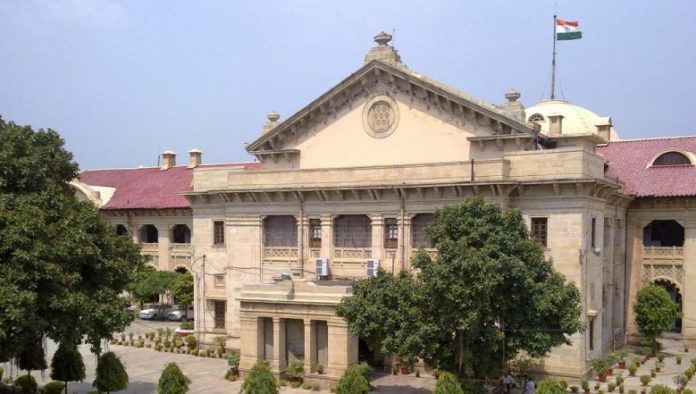
आज से छह सदी पहले ही कबीर ने यह सवाल पूछ कर अपने वक्त़ में धर्म के नाम पर जारी पाखंड को बेपर्दा किया था. पिछले दिनों यह मसला नए सिरे से उछला जब इलाहाबाद उच्च न्यायालय ने इस बारे में एक अहम फैसला सुनाया. अदालत ने कहा कि अज़ान अर्थात प्रार्थना के लिए आवाज़ देने की बात इस्लाम का हिस्सा है लेकिन वही बात लाउडस्पीकर के इस्तेमाल के बारे में नहीं कही जा सकती, लिहाजा रात 10 बजे से सुबह 6 बजे तक किसी भी ध्वनिवर्द्धक यंत्र का इस्तेमाल के इजाजत नहीं दी जा सकती.

अदालत के मुताबिक मुअज्जिन मस्जिद की मीनार से अपनी मानवीय आवाज़ में अज़ान दे सकता है और उसे महामारी रोकने के लिए राज्य द्वारा लगायी गयी पाबंदियों के तहत रोका नहीं जा सकता, अलबत्ता उसके लिए लाउडस्पीकर का इस्तेमाल वर्जित रहेगा.

ध्यान रहे कि अदालत यूपी पुलिस द्वारा जगह-जगह मनमाने ढंग से अज़ान पर लगायी गयी पाबंदी के खिलाफ दायर याचिका पर विचार कर रही थी. हाथरस, अलीगढ़ आदि स्थानों पर महामारी के कानूनों का हवाला देते हुए पुलिस वालों ने अज़ान देने पर ही पाबंदी लगायी थी, जिसके खिलाफ याचिकाकर्ताओं ने अदालत का दरवाज़ा खटखटाया था.

उम्मीद है कि अदालत के फैसले के मद्देनज़र यूपी पुलिस मनमाने तरीके से अज़ान पर नहीं रोक लगाएगी, निश्चित ही यह सुनिश्चित करेगी कि इसके लिए किसी ध्वनिवर्द्धक यंत्र का इस्तेमाल तो नहीं हो रहा है.

गौरतलब है कि अदालत ने संविधान के तहत प्रदत्त बुनियादी अधिकारों में शामिल आर्टिकल 19/1/ए का हवाला देते हुए जो इस बात को सुनिश्चित करता है कि‘किसी को भी यह अधिकार नहीं है कि वह अन्य लोगों को बन्दी श्रोता (captive listeners) बना दें’ यह निर्देश दिया.

निश्चित ही मस्जिदों में जहां बिना अनुमति के लाउडस्पीकरों के इस्तेमाल पर पाबंदी रहेगी, वही बात मंदिरों, गुरुद्धारों या अन्य धार्मिक स्थलों पर भी लागू रहेगी ताकि आरती के बहाने या गुरुबाणी सुनाने के बहाने इसी तरह लोगों को ‘बन्दी श्रोता’ मजबूरन न बनाया जाए. ( Read the full article here :https://hindi.theprint.in/opinion/allahabad-high-court-ban-loudspeakers-at-prayer-places-exposes-hypocrisy-in-the-name-of-faith/140765/)

Fears and Furies of Online (Mis)education – Lockdown and Beyond: Maya John

Guest post by MAYA JOHN

Under the condition of lockdown while we are confronted with images and accounts of the suffering of the labouring poor, and all around us there appears to be a pervasive social chaos, in our universities students and teachers are supposed to return to an atomized life condition, and essentially pursue academic work as if all is normal. Teachers and students are expected to simply ignore wider public responsibilities and recoil to their private window to online teaching-learning. The diktats of university bureaucracies that have been issued in the midst of tremendous socio-economic crisis reduce teachers to a role akin to those of musicians who continued to entertain on the sinking Titanic. Now, after the formalities of so-called online education have been fulfilled, a specter of online examinations haunts the wider student community.

Disappearance of education in the online mode

The pronouncements of Delhi University (DU) regarding online examinations for its final year students of undergraduate and postgraduate (Masters) courses, have added to the anxieties of large number of students and teachers, who have been grappling with a disrupted semester in the wake of the lockdown, and the stupendous challenges of online teaching-learning. More or less, institutions of higher education across the country are facing this predicament. The grim situation warrants a close scrutiny of the concerns of teachers and students about e-learning and online examinations.

Continue reading Fears and Furies of Online (Mis)education – Lockdown and Beyond: Maya John

The Ferocious Face of Class War – Rekindling the Revolutionary Imagination


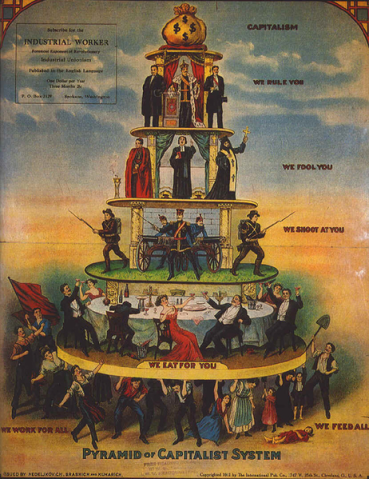
Pyramid of Capitalist System, 1911 image from Industrial Worker (paperof Industrial Workers of the World)

Face of Class War in Contemporary India

It is time again to state one thing absolutely clearly. ‘Class struggle’ or ‘class warfare’ were not invented by Karl Marx, for he and his predecessors merely identified and named the beast. It is something that the rich and the powerful always did and continue to do as we speak. Look at the way the Indian lumpenbourgeoisie has bared its fangs, even as the country is reeling under the deadly impact of COVID 19; look at the way it is sharpening its knives, waiting for its opportunity to make a kill – and you will know what class war is all about. Look at them and it will be crystal clear that it is not the hapless migrant worker and the poor – or the peasant who silently commits suicide – who  indulge in this thing called class war, but they who prey on the weak and the dispossessed. They are once again preparing to make good their losses by yoking in workers as slaves, not allowing them to travel safely back to their homes, keeping them hostage to lumpencapital and ready with  their plans to make them work for 12 hours a day. There isn’t even a pretense – barring an Azim Premji here or an Asian Paints there – of recognizing workers as partners or stakeholders in business.

In a sense, ‘lumpencapitalism’ and the ‘lumpenbourgeoisie’ are the general form of Indian capital, pioneered by Dhirubhai Ambani and his Reliance Industries (interested readers can  read The Polyester Prince by Hamish McDonald) and its arrival with Gautam Adani whose recent rise to front ranks is generally understood to be linked to his closeness to the present regime. And in between, we have conglomerates like Sahara India, whose ‘primitive accumulation’ is alleged to have come almost entirely through chit fund theft.

Continue reading The Ferocious Face of Class War – Rekindling the Revolutionary Imagination

MIGRANT WORKERS’ RESISTANCE MAP: Migrant Workers Solidarity Network

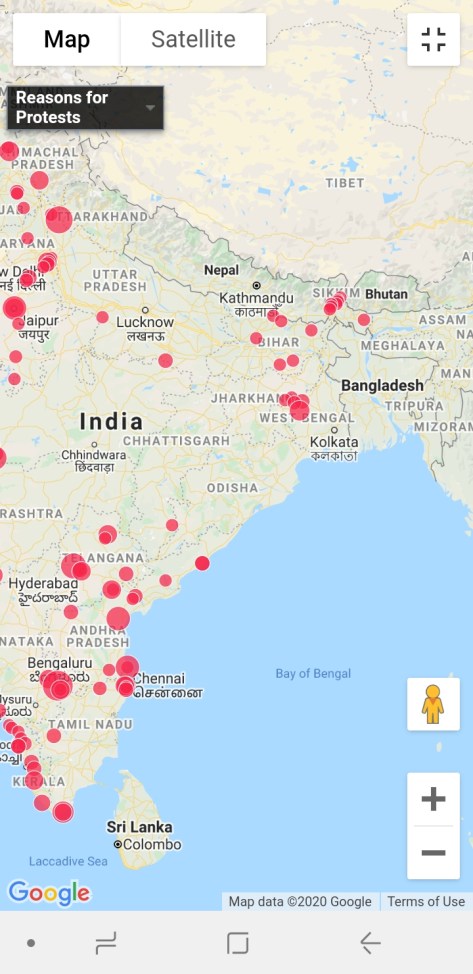
The Migrant Workers Solidarity Network has documented migrant workers’ resistance across India in an interactive map. Below is a screen-shot of the map.

For the interactive map, visit the MWSN site.

From the MWSN site:

The COVID-19 crisis in India has made the migrant workers visible in public discourse. But the dominant narratives have made them visible as subjects of compassion, as perpetual victims seeking help of others and not as active makers of our society, not as rightful citizens, not as resisting political subjects who can challenge the oppressive conditions surrounding them.

The ‘Migrant Workers’ Resistance Map’ is an attempt to document acts of resistance by migrant workers since the beginning of the lockdown. Within our limited human and technical capacity, we have collated information and designed this map. While we launch the map, we acknowledge that it is far from giving a fully representative picture of the nature and spread of migrant workers protests both geographically and temporally and the possibility of bias in collecting information and understanding what qualifies as ‘resistance’. Let us collaborate.

Add new information of resistance to the map: Fill this form.

Also, for any comments, suggestions, technical or otherwise, send us an email at migrantresistance.mwsn@gmail.com or contact +91 9445419894

Kerala: People’s Planning Once Again, Please

For Kerala, the new millennium has been the century of development emergencies. The effects of climate change and rapid urbanization and globalization have had rapid and drastic visible state-wide impact on people’s lives here, much of which in the form of development emergencies like epidemics, devastating floods, landslides, and now, the pandemic (and if the worst health predictions for monsoon come true, the syndemic). In other words, the new millennium seems to be setting a host of challenges for Kerala’s  welfarism, which we seem to be meeting well for the time being at least. Continue reading Kerala: People’s Planning Once Again, Please

Covid-19 and the Idea of India: Manish Thakur and Nabanipa Bhattacharjee

Guest post by MANISH THAKUR and NABANIPA BHATTACHARJEE

Much has already been said and written about the plight of the migrants during the lockdown necessitated by the current Covid-19 outbreak in India. The visual images of their endless walk – which reminds us of the flight of Partition refugees – in their desperate bid to reach home in the scorching summer heat on almost empty stomachs with throats parched (women in tow with the children on men’s shoulders and their meagre belongings on the heads) is heart-wrenching to say the least. Whatever be the cause, it is a living testimony to the entrenched structures of poor governance that define our polity. It is also revealing of the class character of the Indian state, a term that has for long left the public discourse of our republic. One need not invoke Marx or be a communist to see the glaring contrast in the ways say, for instance, state functionaries conduct themselves at airports in Delhi or Kochi and railway stations at Barkakana in Jharkhand or Bapu Dham, Motihari in Bihar.

Continue reading Covid-19 and the Idea of India: Manish Thakur and Nabanipa Bhattacharjee

भारत की कोरोना नीति के चंद नुक्सानदेह पहलू: राजेन्द्र चौधरी

Guest post by RAJINDER CHAUDHARY

कोरोना से हमारा वास्ता अभी लम्बे समय तक चलने वाला है. काफिला पर छपे पिछले आलेखों में (यहाँ एवं यहाँ) में हम ने इस के सही और गलत, दोनों तरह के सबकों की चर्चा की थी पर भारत की करोना नीति की समीक्षा नहीं की थी.  आपदा और युद्ध काल में एक कहा-अनकहा दबाव रहता है कि सरकार को पूरा समर्थन दिया जाए और उस की आलोचना न की जाय पर कोरोना के मुकाबले के लिए भारत में अपनाई गई रणनीति की समीक्षा ज़रूरी है; यह समीक्षा लम्बे समय तक चलने वाली इस आपदा में रणनीति में सुधार का मौका दे सकती है. कोरोना से कैसे निपटना चाहिए इस में निश्चित तौर पर सब से बड़ी भूमिका तो कोरोना वायरस की प्रकृति की है- ये गर्मी में मरेगा या सर्दी में या नहीं ही मरेगा; बूढों को ज्यादा मारेगा या बच्चों को, इन तथ्यों का इस से निपटने की रणनीति तय करने में सब से बड़ी भूमिका है. इस लिए भारत में कोरोना की लड़ाई के मूल्यांकन से पहले हमें वायरस की प्रकृति के बारे में उपलब्ध जानकारी को रेखांकित करना होगा.

कोरोना वायरस के नए स्वरूप की बुनियादी प्रकृति

कोरोना किस्म के वायरस वैज्ञानिकों के लिए नए नहीं हैं. ये पहले भी उभरते रहे हैं और वैज्ञानिक इन का लगातार अध्ययन करते रहे हैं. परन्तु हाल में कोरोना किस्म के वायरस का एक नया स्वरूप सामने आया है, जिस से उत्पन्न होने वाली नयी बीमारी को कोविड नाम दिया गया है.  इस लिए कोरोना के इस नए वायरस के बारे में अभी सब कुछ पक्के तौर पर नहीं कहा जा सकता. अभी इस की पड़ताल चल रही है.  फिर भी दुनिया भर के वैज्ञानिकों के मिले जुले काम से और कोरोना के पहले से उपलब्ध वायरसों के जीवन चक्र को ध्यान में रखते हुए कुछ बाते काफी हद तक स्पष्ट हैं.  इन के बारे में आम तौर पर वैज्ञानिकों में सर्वानुमति है. हालाँकि विश्व स्वास्थ्य संगठन को सर्वज्ञानी तो नहीं माना जा सकता परन्तु काफी हद तक इस द्वारा प्रदत जानकारी पर भरोसा किया जा सकता है.

Continue reading भारत की कोरोना नीति के चंद नुक्सानदेह पहलू: राजेन्द्र चौधरी

Hari Vasudevan, the Soviet Archives and the Left Establishment: Sobhanlal Datta Gupta

This tribute to Prof HARI VASUDEVAN by Prof SOBHANLAL DATTA GUPTA, who passed away in Kolkata recently, is being reproduced here, courtesy Mainstream Weekly.

Thereafter, as we proceeded in our work on the publication of the texts of the documents, we began to face insurmountable resistance, quite surprisingly, from a section of the Left establishment in West Bengal. We were threatened, maligned and discouraged not to proceed with this work any further and ridiculed for our research on documents which were described as “fake” and “doctored”.

It was May, 1995, exactly 25 years ago. Hari Vasudevan (Calcutta University), Purabi Roy (Jadavpur University) and I myself (Calcutta University) were in Moscow for two months, working as a team sent by The Asiatic Society, Calcutta in connection with a project of collection of documents from the newly opened Soviet archives on Indo-Russian Relations : 1917-1947. This project was the result of a Protocol signed between The Asiatic Society, Calcutta and Moscow’s Institute of Oriental Studies. With extremely limited funding we were expected to prepare catalogues of as many documents as possible and bring home photocopies/microfilms of those documents which we considered most important, depending, of course, upon their accessibility. It was a Herculean job, since we had no idea of the materials we had to handle. Working on hundreds and hundreds of documents, catalouging and copying them (in many cases because of paucity of funds and since we had no laptop, quite often we had to take down a document by hand) demanded a division of labour. While Purabidi worked in the State Archives of the Russian Federation (GARF), Archives of the Ministry of External Affairs (MID), Russian State Military Historical Archive (RGVIA), Hari and I worked in the former Central Party Archives, Institute of Marxism-Leninism (now known as Russian State Archive for Social and Political History or RGASPI ). Continue reading Hari Vasudevan, the Soviet Archives and the Left Establishment: Sobhanlal Datta Gupta

Community-Based Mapping of Covid: Nothing Official About it

No doubt the clarification that India will not map Covid-19 infections on the basis of religion has many heaving sighs of relief. But will the peace last?

Community-Based Mapping of Covid: Nothing Official About it

Image Courtesy: AP

Move for community-based mapping of coronavirus?” a recent news item in a prestigious daily asked, getting tongues wagging about “closed-door meetings at the highest level”, though no “official” decision had been taken in themThe Ministry of Health declared that any such news is “baseless, incorrect and irresponsible”. Lav Agarwal, the top bureaucrat in the ministry—who interacts with the media on Covid-related developments—called such news reports “…very irresponsible”. “The virus does not see people’s caste, creed or religion,” he said, quoting the Supreme Court’s directions on controlling non-factual or fake news.

No doubt the official clarification has many heaving sighs of relief.

The relief is understandable, because it was only last month—when the Novel Coronavirus pandemic had started taking a toll—that Muslims were being stigmatised as “super-spreaders” of the disease.

Taking a grim view of the situation, in its press conference o6 April, the World Health Organisation had given the Indian government some simple advice. The WHO said, in response to an India-specific question, that countries should not profile Covid-19 infections in religious, racial or ethnic terms. The WHO Emergency Programme Director Mike Ryan also underlined that every positive case should be considered a victim.

( Read the full article here)

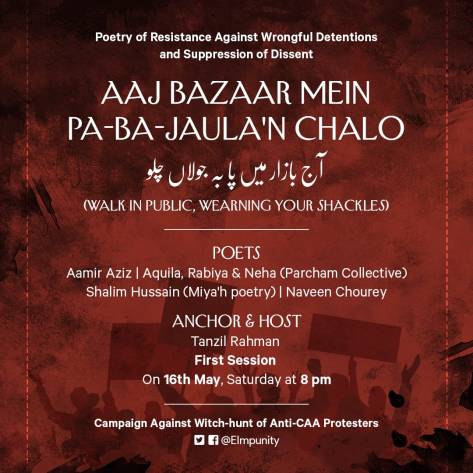
Poetry of resistance against the suppression of dissent

On 16th May 2020, the Campaign against Witch-hunt of Anti-CAA Activists inaugurates its Poetry Week.  

Poetry bears witness. It records, it remembers. Resistance, indeed life itself, has long been sustained and nourished by the words of poets.
So, it is with poetry that we celebrate the inspiring movement against the Citizenship Amendment Act, and with the power of words fight the wrongful arrests and malicious prosecution of anti-CAA activists.
The first session will feature poets Aamir Aziz, Aquila, Neha and Rabiya of the Parcham Collective, Miya’h poet Shalim Hussain & Naveen Chourey
Host and anchor: Tanzil Rahman
FIRST SESSION
On 16th May | Saturday | 8 pm onwards
Register using this link

https://forms.gle/iUwV6FimHsWd6ZLY7

Paean – A Song for Triumphs, For Usha Ganguly and Irrfan Khan: The Mocking Birds

Guest Post by the group THE MOCKING BIRDS

आज की रात न फ़ुट-पाथ पे नींद आएगी
सब उठो, मैं भी उठूँ तुम भी उठो, तुम भी उठो
कोई खिड़की इसी दीवार में खुल जाएगी
ये ज़मीं तब भी निगल लेने पे आमादा थी
पाँव जब टूटती शाख़ों से उतारे हम ने
उन मकानों को ख़बर है न मकीनों को ख़बर
उन दिनों की जो गुफाओं में गुज़ारे हम ने ( कैफ़ी आज़मी )
              सच है इस लॉक डॉउन में हमने लगभग गुफाओं में दिन गुजारे है, कुछ आब ला पा सड़क पर दर ब दर है, कुछ ऐसे है जो इस फानी दुनिया से चले गए, ऐसा लगता है जैसे उनको इस आगत का इलहाम हो गया था आज के ग़म का, और जल्द ही चले गए …. फ़ैज़ से कुछ पंक्तियां लेकर

Continue reading Paean – A Song for Triumphs, For Usha Ganguly and Irrfan Khan: The Mocking Birds

निरंकुशता के स्रोत, प्रतिरोध के संसाधन : रवि सिन्हा

Guest Post by Ravi Sinha

राजनीति का आम सहजबोध यह है कि सत्ता की निरंकुशता लोकतंत्र का निषेध है। लोकतंत्र राजनीतिक सत्ता का गठन तो करता है, लेकिन उसे निरंकुश नहीं होने देता। यदि किसी लोकतांत्रिक व्यवस्था के अंतर्गत निरंकुश सत्ता का उद्भव होता है तो उसे लोकतंत्रा की दुर्बलता, उसके विकार या उसमें किसी बाहरी अलोकतांत्रिक शक्ति के हस्तक्षेप के रूप में देखा जाता है। यदि लोकतंत्र का अर्थ यह है कि सत्ता के स्रोत लोक में स्थित हैं तो यह स्वयंसिद्ध है कि लोकतांत्रिक सत्ता निरंकुश नहीं हो सकती।

इसी तरह राजनीति का सहजबोध यह भी है कि सत्ता की निरंकुशता प्रतिरोध को जन्म देती है और प्रतिरोध की जड़ें लोक में स्थित होती हैं। निरंकुशता यदि लोकतंत्र का निषेध है तो यह भी स्वयंसिद्ध है कि लोक या जन ही प्रतिरोध के मूल आधार और उसके प्रमुख संसाधन हैं। यह दूसरी मान्यता पहली के साथ जुड़ी हुई है। यदि पहली मान्यता टिकती है तो दूसरी की सत्यता भी साबित होती है। यदि पहली संदेह के घेरे में आती है तो दूसरी के स्वयंसिद्ध होने पर भी प्रश्न खड़े होते हैं।

और, प्रश्न तो खड़े होते हैं। वास्तविकता की प्रकृति ही ऐसी होती है कि वह मान्यताओं की परवाह नहीं करती – बहुप्रचलित और स्वयंसिद्ध प्रतीत होने वाली मान्यताओं की भी नहीं। दूसरी तरफ़, मान्यताओं की – ख़ास तौर पर बहुप्रचलित मान्यताओं की – बनावट और उनकी ज़मीन ऐसी होती है कि वास्तविकताओं के उलट होने के बावजूद वे चलन में बनी रहती हैं। ऐसी स्थिति में पहले तो यह देखना होता है कि वास्तविकता क्या है और संबंधित मान्यताओं से उसकी संगति बैठती है या नहीं। फिर यह अलग से देखना होता है कि मान्यताएं जब ग़लत होती हैं, तब भी उनके चलते रहने के कारण कहां पर स्थित हैं। एक तरह से यह सहजबोध की जांच-पड़ताल का समय होता है। और कभी-कभी नये सहजबोध के निर्माण का समय भी होता है।

भारत की आज की हक़ीक़त यह तो है ही कि मौजूदा सरकार के अधीन राज्य और राजनीतिक सत्ता निरंकुश हो चले हैं। संवैधानिक, संस्थागत तथा लोकतांत्रिक नियमों, नियंत्रणों और परंपराओं को रौंदा जा रहा है और व्यवस्था तथा समाज, दोनों क्षेत्रों में मनमानी की जा रही है। कश्मीर से कन्याकुमारी तक, असम से गुजरात तक, संसद से और भीमा कोरेगांव से तीस हज़ारी तक और तिहाड़ तक नंगी निरंकुशता के उदाहरण सभी के सामने हैं। लेकिन क्या सभी को यह सब दिखायी दे रहा है? Continue reading निरंकुशता के स्रोत, प्रतिरोध के संसाधन : रवि सिन्हा

Colours of Trolls and Harassment :Vatya Raina

Guest Post by Vatya Raina

The fight for half the Earth and half the sky is never at rest around the globe. Women of the world are constantly fighting their oppressors in different colours. The debate around #BoisLockerRoom stories on Instagram and the trolls concerned about the marital status of a pregnant woman in jail, for practising her right to protest are of similar nature.

In 2017, The Jawaharlal Nehru University’s administration under the command of Vice-Chancellor M Jagadesh Kumar arbitarily dismantled the GSCASH (Gender Sensitization Committee Against Sexual Harassment). At the same time, women of Banaras Hindu University (BHU) were leading the movement against sexual harassment.

Today, when a pregnant student activist is fighting for her rights inside the jail, some women are continuing to resist and expose a group of young boys, by revealing the screenshots of an Instagram chat screen, where the participants of the group named ‘Bois Locker Room’ shared some non-consensual pictures of women as well as underage girls. After the screenshots went viral, these boys expressed their anger by suggesting gang-rape of all the women who shared it. On the other hand, Safoora Zargar, a research scholar of Jamia Millia Islamia, who was associated with the Jamia Coordination Committee (JCC), and was part of the anti-Citizenship Amendment Act protests organised by university students in December and January has been charged under Unlawful Activities (Prevention) Act (UAPA) and is send behind the bars. She has been arrested for allegedly leading the anti-CAA protest at Jaffrabad metro station in February.  Turning a blind eye to the medical condition of the student, the trolls are busy assassinating her character. Continue reading Colours of Trolls and Harassment :Vatya Raina

Operation Eklavya in Action at Premier Institutes

India is neglecting caste-based discrimination in higher educational institutions at its own peril.

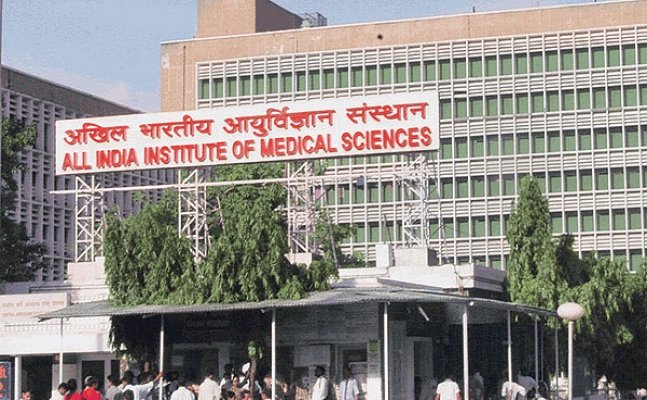
AIIMS Caste Discrimination

It was exactly 13 years back that the Thorat Committee, constituted in September 2006 to enquire into allegations of differential treatment of Scheduled Caste and Scheduled Tribe students at the premier medical institute, AIIMS—was released.

The first of its kind in independent India, this three-member committee led by then chairman of the University Grants Commission, Sukhdeo Thorat, had looked deeply into the many shades of discrimination faced by students of non-elite castes in the institute.

What it discovered after talking to students and faculty was, to say the least, shocking. Some 72% of SC/ST students mentioned facing some discrimination during the teaching sessions. Second, caste-based discrimination was prevalent in the hostels, for instance around 88% students reported experiencing of social isolation in various forms. The committee’s report also outlined the discrimination faced by SC/ST professors.

This context frames the alleged suicide attempt of a female doctor a fortnight ago in the same institute. The doctor, who worked at the Dental Research Centre of AIIMS, was allegedly facing sexual harassment and caste discrimination. This is another reminder that there has not been a qualitative change in the institute in the long years since the Thorat Committee report.

( )Read the full article here)

Beyond the ‘Employment’ Paradigm and Life After Capitalism – Manifesto of Hope IV


[This is the final instalment of the series on ‘Life After Capitalism – Manifesto of Hope’. Earlier parts can be accessed Part I here, Part II here and Part III here.]

Democratizing access to resources, Image courtesy AWID, created by Ana Abelenda

The Employment Paradigm

In this final instalment of the series, I want to discuss the vexed question of employment and what can be called the ’employment mindset’.  The mindset has dominated politics and the discipline of economics for the last century and a half for sure.  Before that youthful capitalism simply put people uprooted from their habitats and traditional occupations (the artisans and peasants) into ‘poor houses’ and enacted the most vicious laws to force the dispossessed poor work for it. Marxists give this violent pillage the scientific- sounding name of ‘primitive accumulation’ (or primary accumulation). ‘Scientific’ because it was seen by Marx as the ‘historical process of the separation of producer from “his” means of production’ – as if it was an objective process that was in some sense inevitable. Marx’s chapter on ‘primitive accumulation’ in Capital Vol I, certainly shows that he was revolted by the plunder and robbery that this phenomenon entailed but in a manner of speaking, by giving it an aura of historical inevitability, he could displace the solution to some future. There is also no doubt that the sections of Capital where Marx deals with the enactment of Poor Laws in Britain are full of passion and anger at what capitalism was doing – but then, what can you do with a process that is historically inevitable? Remember too that it was the same logic of ‘objectivity’ of ‘historical inevitability’ that was used to justify colonialism as the ‘unconscious tool of history’. The British Marxist historian, E.P. Thompson wrote of precisely these populations that perished in ‘the storm of industrialization’. He was so moved by their predicament that he wanted to ‘rescue them from the enormous condescension of posterity’. Yet, Thompson believed, like a good Marxist, that the artisan or the handloom weaver that he was writing about were ‘obsolete’ (Thompson’s term). Thus, he wrote, Continue reading Beyond the ‘Employment’ Paradigm and Life After Capitalism – Manifesto of Hope IV

Public Statement on Alternate Cures

Since the beginning of the COVID-19 epidemic, several statements have been propagated about “immunity boosting” substances such as mustard oil, hydroxychloroquine and tea; alternative remedies claiming to provide either immunity or cure; and remedial effects of cow urine or even taweez. Some of these assertions were also supported by a few government functionaries at the centre and in various states. We, the undersigned, wish to put the following scientific facts in the public domain.

–> As of now, no scientific studies show that any substance boosts the immune system specifically against COVID-19, be it modern medicines like hydroxychloroquine or homeopathic solutions like Arsenicum Album D30 or Ayurvedic preparations.

–> Scientific evidence for the efficacy of any of these substances can only be obtained by rigorous testing through randomized clinical trials with COVID-19 patients, and additional laboratory analyses. Anecdotes of cure or temporary relief from symptoms or usefulness against similar diseases are not scientific proof of efficacy against COVID-19.

–> Specific immunity against a bacterium or a virus can only arise in two ways. Either we were infected and recovered from the illness, or we are vaccinated; in either case we develop antibodies that can target the specific virus or bacterium.

Continue reading Public Statement on Alternate Cures

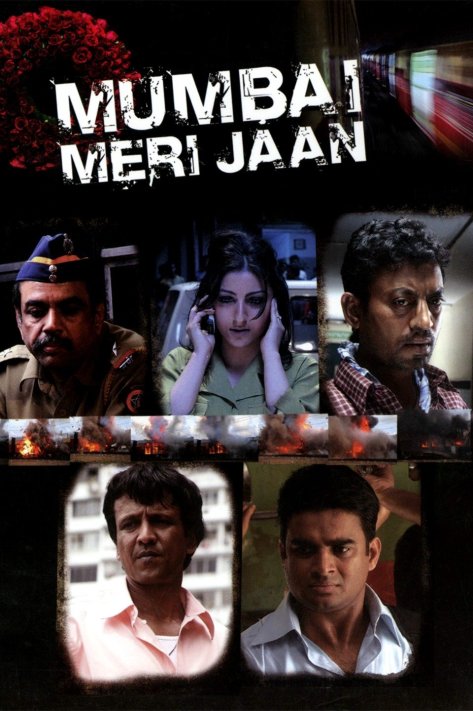
Playing the subaltern – Irrfan Khan as the migrant worker in Mumbai Meri Jaan: Umang Kumar

Guest post by UMANG KUMAR
 

Irrfan Khan reads the iconic poem, “Thakur ka Kuan”, by Dalit writer Om Prakash Valmiki, at the 2014 Jaipur Literary Festival.

While Irrfan Khan essayed a diverse range of roles, his hauntingly powerful cameo appearance in Mumbai Meri Jaan stands out for its intensity in the portrayal of working-class realities, especially those of migrant workers.

Mumbai Meri Jaan, a 2008 film, revolves around the tragedy of the 2006 Mumbai local-train blasts. Khan plays Thomas, a Tamil coffee-vendor who sells coffee from a roadside cart, and speaks minimum, Tamil-accented Hindi. His wife works as a domestic help.

Asif Kapadia, the British filmmaker, who worked with Irrfan on the movie The Warrior, recently shared what he had initially thought about Irrfan: “He looks like someone who’s killed a lot of people, but feels really bad about it.” While that probably had something to do with Khan’s brooding, prominent eyes, it does point to the deep volcano of emotions that Khan seemed to be harboring with perfect equanimity all the time.

Continue reading Playing the subaltern – Irrfan Khan as the migrant worker in Mumbai Meri Jaan: Umang Kumar

Data, New Data, Different kinds of Data, and Covid 19: Bharati Jagannathan

Guest post by BHARATI JAGANNATHAN

“There are three kinds of lies: lies, damned lies and statistics”, quoth Mark Twain. We could add a fourth, pretence of statistics in the absence of it. So, there’s data, more data, and the immensely useful pretend data about COVID-19. And almost all of it liable to totally dissimilar interpretations. In fact, this has been the best lesson, for those who in general find statistics challenging and humbly retreat in the face of data-based proofs in any argument, that the same set of data can serve completely opposite ends. However, I digress.

There was speculation in early March that India had fewer cases of infection owing to 1) exposure to malaria and sometime ingestion of quinine (in medical formulations like hydroxychloroquine), or 2) BCG vaccinations in childhood, or 3) warm weather hindering the spread of COVID-19 like many other influenza viruses. Till we realized that it was the effect of abysmal levels of testing. Continue reading Data, New Data, Different kinds of Data, and Covid 19: Bharati Jagannathan

DISSENT, DEBATE, CREATE