Still Life, Aflutter – Harold Bloom and an Old Incantation: Prasanta Chakravarty

Guest post by PRASANTA CHAKRAVARTY

Harold Bloom had made it clear many times that his investment in the Greek literary critic Dionysius Longinus, writing in the first century AD, was a way to address and revisit the fundamental encounter of the sublime in our living. Commentators have noticed a remarkable ‘agon’ being played out in Bloom’s career: between his idealizing enthusiasm in romantic-messianic visions and his equal investment in gnostic wisdom and stoic classicism. This agon, or contestation, was his way of addressing a certain space of the uncanny in dealing with art and literature, in contrast to the modernizers and tropologists who, he believed, rejected subjectivity itself as a fallacy. Not Bloom—who had always claimed that the ‘strong critic’ is a kind of poet. As he saw it, literary criticism is an ongoing tussle between the pathos of the heroic will and the ‘literalizers’ who deal in tropes and textual juggleries. But has he been successful in strictly distinguishing the daemonic from the analytic? Are the uncanny and surpassing moments entirely separable from the sensory and the figurative? 

Here is a singular song, penned and sung by Suman Chattopadhyay (now Kabir Suman) decades ago. Continue reading Still Life, Aflutter – Harold Bloom and an Old Incantation: Prasanta Chakravarty

सावरकर को भारत रत्न देना आज़ादी के नायकों का अपमान है

क्या ऐसा शख़्स, जिसने अंग्रेज़ सरकार के पास माफ़ीनामे भेजे, जिन्ना से पहले धर्म के आधार पर राष्ट्र बांटने की बात कही, भारत छोड़ो आंदोलन के समय ब्रिटिश सेना में हिंदू युवाओं की भर्ती का अभियान चलाया, भारतीयों के दमन में अंग्रेज़ों का साथ दिया और देश की आज़ादी के अगुआ महात्मा गांधी की हत्या की साज़िश का सूत्रसंचालन किया, वह किसी भी मायने में भारत रत्न का हक़दार होना चाहिए?

Narendra Modi Savarkar Facebook

वक्त की निहाई अक्सर बड़ी बेरहम मालूम पड़ती है. अपने-अपने वक्त के शहंशाह, अपने-अपने जमाने के महान रणबांकुरे या आलिम सभी को आने वालों की सख्त टीका-टिप्पणियों से रूबरू होना पड़ा है.

बड़ी से बड़ी ऐतिहासिक घटनाएं- भले जिन्होंने समूचे समाज की दिशा बदलने में अहम भूमिका अदा की हो- या बड़ी से बड़ी ऐतिहासिक शख्सियतें- जिन्होंने धारा के विरुद्ध खड़ा होने का साहस कर उसे मोड़ दिया हो – कोई भी कितना भी बड़ा हो उसकी निर्मम आलोचना से बच नहीं पाया है.

यह अकारण ही नहीं कहा जाता कि आने वाली पीढ़ियां पुरानी पीढ़ियों के कंधों पर सवार होती हैं. जाहिर है वे ज्यादा दूर देख सकती हैं, पुरानी पीढ़ियों द्वारा संकलित, संशोधित ज्ञान उनकी अपनी धरोहर होता है, जिसे जज्ब कर वे आगे निकल जा सकती हैं.

समाज की विकास यात्रा को वैज्ञानिक ढंग से देखने वाले शख्स के लिए हो सकता है यह बात भले ही सामान्य मालूम पड़े, लेकिन समाज के व्यापक हिस्से में जिस तरह के अवैज्ञानिक, पश्चगामी चिंतन का बोलबाला रहता है, उसमें ऐसी कोई भी बात उसे आसानी से पच नहीं पाती.

घटनाओं और शख्सियतों का आदर्शीकरण करने की, उन्हें अपने दौर और अपने स्थान से काटकर सार्वभौमिक मानने की जो प्रवृत्ति समाज में विद्यमान रहती है, उसके चलते समाज का बड़ा हिस्सा ऐसी आलोचनाओं को बर्दाश्त नहीं कर पाता.

वैसे बात-बात पर आस्था पर हमला होने का बहाना बनाकर सड़कों पर उतरने वाली हुड़दंगी बजरंगी मानसिकता भले ही ऐसी प्रकट समीक्षा को रोकने की कोशिश करे, लेकिन इतिहास इस बात का साक्षी है कि कहीं प्रकट- तो कहीं प्रच्छन्न रूप से यह आलोचना निरंतर चलती ही रहती है और उन्हीं में नये विचारों के वाहक अंकुरित होते रहते हैं, जो फिर समाज को नये पथ पर ले जाते हैं.

फिलवक्त विनायक दामोदर सावरकर- जिन्हें उनके अनुयायी ‘स्वातंत्रयवीर’ नाम से पुकारते हैं, जो युवावस्था में ही ब्रिटिश विरोधी आंदोलन की तरफ आकर्षित हुए थे, जो बाद में कानून की पढ़ाई करने के लिए लंदन चले गए, जहां वह और रैडिकल राजनीतिक गतिविधियों में जुड़ते गए थे- इसी किस्म की पड़ताल के केंद्र में है.

( Read the full article here : http://thewirehindi.com/98705/vd-savarkar-bharat-ratna-indian-freedom-movement/)

History as Storytelling

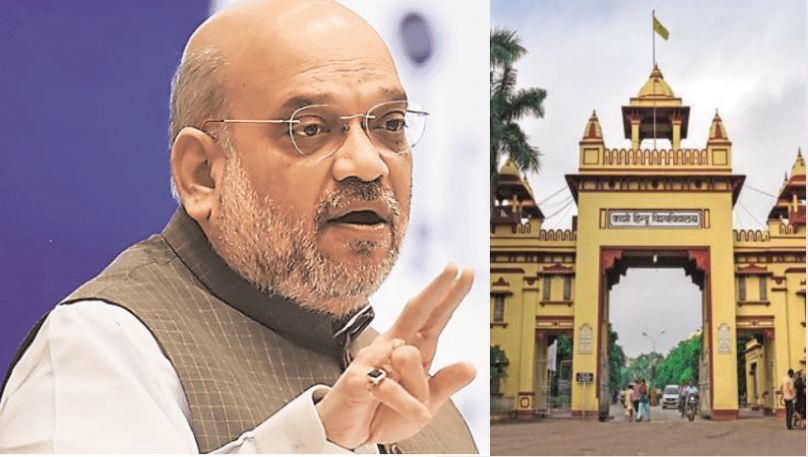
Home Minister Amit Shah, while inaugurating a two-day seminar at Banaras Hindu University, emphasised that Indian historians should “rewrite history from an Indian perspective”.

Home Minister Amit Shah

There is one thing unique about the present dispensation holding reins of power at the Centre. What one witnesses that the cabinet ministers—who go by the principle of collective responsibility—follow the dictum in letter and spirit. Thus, it is not considered unusual when a minister holding X portfolio shares their opinion about an urgent issue before Y ministry and vice versa. This process has been so normalised that when recently Home Minister Amit Shah, who according to his followers is the new ‘Iron Man’ of India—thanks to the abrogation of Article 370—shared his views on need for ‘rewriting history’, no eyebrows were raised.

No commentator even asked why the home minister—a graduate in bio-chemistry who has also worked as a stockbroker and in co-operative banks [Sheela Bhatt, “What Amit Shah’s fall really means”, July 28, 2010]—was found the most apt person to inaugurate a two-day seminar on a subject of history at Banaras Hindu University where he shared his pearls of wisdom. His emphasis was that Indian historians should “rewrite history from an Indian perspective”. The focus of the seminar was on Skandagupta Vikramaditya, the fifth-century AD emperor.

(Read the complete article here – https://www.newsclick.in/History-Storytelling)

Savarkar, India’s ’Ratna’ of a Different Kind!

BJP’s poll promise of Bharat Ratna for Savarkar, who inspired a wide spectrum of fanatic individuals and violent organisations, shows the moral vacuousness of the Hindutva project

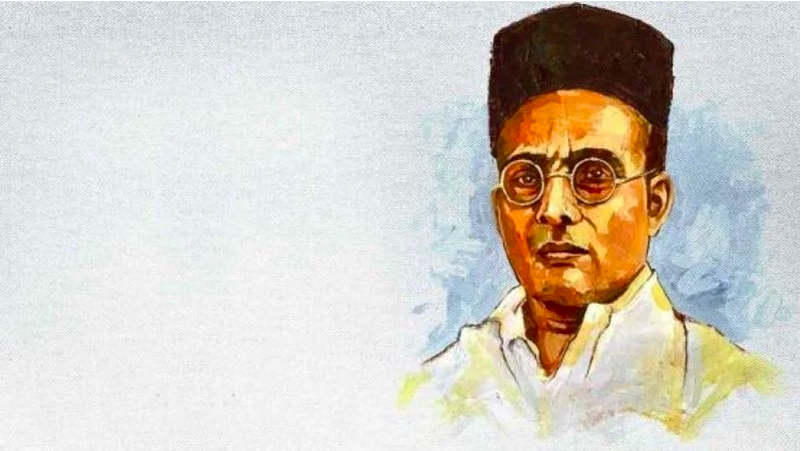
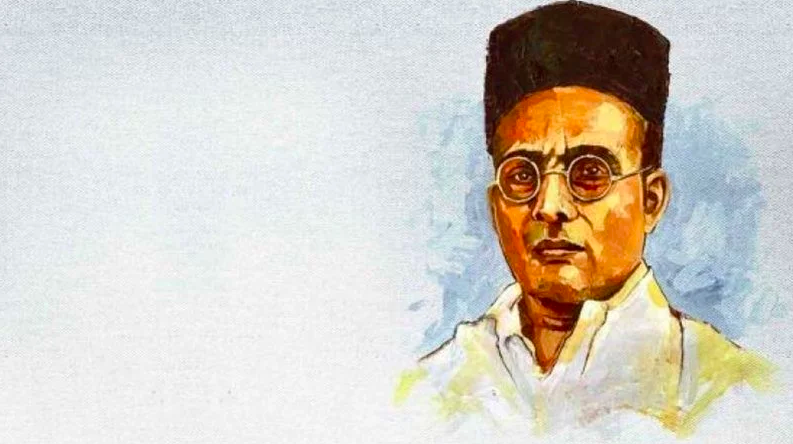
Savarkar

“The curious fact is that as we move into the 21st century, historians have become central to politics. We historians are the monopoly suppliers of the past. The only way to modify the past that does not sooner or later go through historians is by destroying the past….Mythology is taking over from knowledge”.

It was in the wee hours of dawn of the 21st century that renowned scholar and historian, Eric Hobsbawm, had talked about the process of  “destroying the past” to “modify” it or how “mythology is replacing knowledge” in his speech at Columbia University in New York City.

Much water has flown down the Ganges, the Rheins, the Yangtzes of the world and as we stand at the cusp of the third decade of the 21st century, one realises that how this process — both literally and metaphorically — has advanced to different corners of the globe.

With the ascent of Hindutva supremacist forces in polity and society in this part of the world, perhaps this process has reached its extreme, so much so that every other saffronite seems to have gathered enough confidence to claim legitimacy to any weird thing. The news that the Bharatiya Janata Party (BJP), in its election manifesto (for the Maharashtra Assembly) has promised that it would confer Bharat Ratna, the country’ topmost honour, on VD Savarkar if voted to power, should be seen in this light.

( Read the full text here : https://www.newsclick.in/Savarkar-India-Ratna-of-a-Different-Kind)

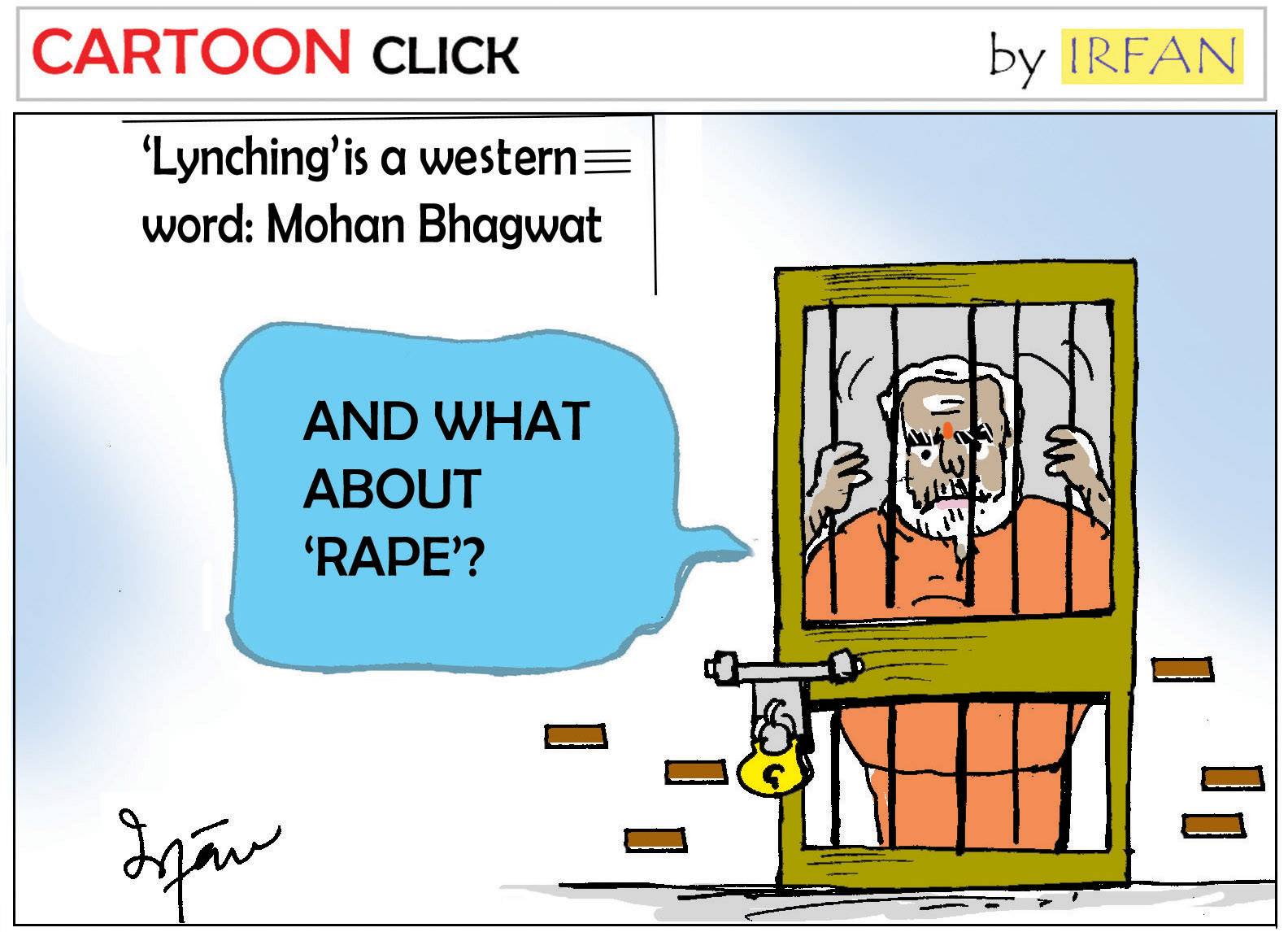
Will Lynching in Bharat Be Called Vaddh?

The Sangh’s obsession with vocabulary is not innocent.

Will Lynching in Bharat

The speech by Rashtriya Swayamsevak Sangh (RSS) supremo Mohan Bhagwat on its foundation day (Dusshera) has now become an event, watched with interest. The speech itself has a long tradition within the organisation, which all its affiliated (anushangik) bodies look upon as a guiding light.

This year was no different. Donning the Sangh’s uniform, the top echelons of its organisations attended the event. Union Minister Nitin Gadkari, Maharashtra Chief Minister Devendra Fadnavis attended too, and wore the black cap and Sangh “uniform”.

Yet, the speech by Bhagwat itself had nothing seemingly strategic. Some analysts even felt that he could not show any new direction to the RSS and its affiliates; that it seemed to have made a weak defence of the Bharatiya Janata Party (BJP) government that is ruling at the Centre and several states. “Have the tables turned on the Sangh Parivar?,’ The Wire asked, in its analysis of Bhagwat’s speech.

( Read the full text here : https://www.newsclick.in/Lynching-Bharat-Called-Vaddh)

शौचालय: एक हत्यारी कथा 

Guest Post : Fact finding team of Communist Party of India ( CPI)

[पिछले सितम्बर की 25 तारीख़ को मध्य प्रदेश के शिवपुरी ज़िले के एक गाँव भावखेड़ी में दो बच्चों की नृशंस हत्या कर दी गयी थी।  मीडिया में कारण यह आया था कि उन्हें खुले में शौच करते देख उसी गाँव  व्यक्ति को गुस्सा आ गया और उसने बच्चों को मार डाला। 

सीपीआई का एक छः सदस्यीय जाँच दल मामले की तहक़ीक़ात के लिए 1 अक्टूबर 2019 को शिवपुरी और भावखेड़ी गया था।  ग्रामीणों और पीड़ित परिवार से तथा अन्य कर्मचारियों, शिक्षकों व बच्चों से बात करने पर हमारे सामने जो तस्वीर उभरी, उसके आधार पर तैयार यह रिपोर्ट]

The Open is No Place for India's Children to Go

मृतक बच्चे (फाइल फोटो दि वायर से साभार) Continue reading शौचालय: एक हत्यारी कथा 

India’s Answer to Brazil’s Ustra

The Hindu Right is analogous to Right-wing regimes elsewhere.

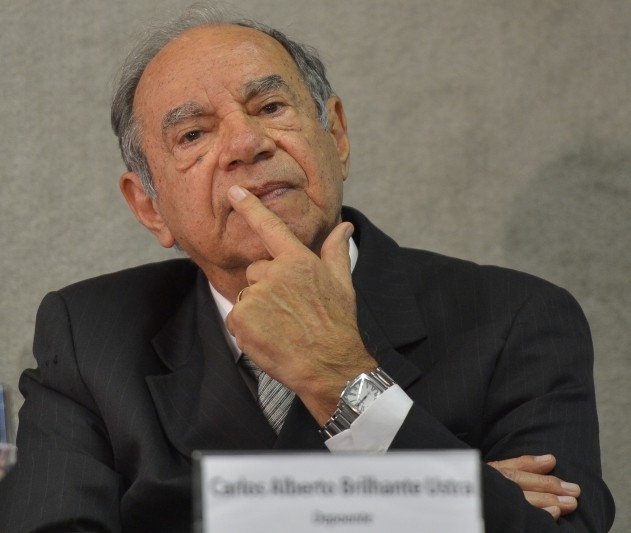
UstraComissao

As Brazil’s Far Right rises, army man Ustra (who died in 2015), who tortured hundreds, is becoming a cult figure of a kind. Image Courtesy: Wikipedia

The popularity of Good Night Stories for Rebel Girls, which present female role models before young readers, has proved rather phenomenal. Within a span of three years, it has been published in 47 languages around the world and has sold more than a million copies.

The plan to render a Turkish version has met with a big roadblock. A board for the protection of minors from obscene publications of the Turkish government has found them offensive. It recently ruled that these books should be partially banned and treated like pornography.

The reason—they could have a ‘detrimental influence’ on young minds.

It is beyond comprehension what “negative impact” a book that promotes equality can have on impressionable minds, other than the fact that they take the idea seriously and extend it to other arenas of life. Erdogan’s Turkey is no different from Right-wing regimes elsewhere that are very particular about what children should read or not.

Jair Bolsonaro, the controversial Far Right President of Brazil, who is also known as the Trump of the Tropics, was recently in the news for similar reasons.

( Read the full text here : https://www.newsclick.in/india-answer-brazil-ustra)

एन आर सी और उससे जुड़े चंद सवाल : सबीहा फ़रहत

Guest post by SABIHA FARHAT

[भारतीय-हिन्दू मिथकों और परम्परा पर लंबे समय से लिखते आ रहे  बुद्धिजीवी श्री देवदत्त  पट्टनायक  अपनी एक ट्वीट में  एक लाजवाब  बात  कही . उनहोंने कहा कि जहाँ हिन्दू धर्मं  का मतलब  वसुधैव  कुटुम्बकम है , उसके  लिए  अगर  समूची वसुधा , सारी एक कुनबा  है , वहीँ  हिंदुत्व  का मतलब  सिर्फ़  एन आर सी  (यानी नागरिकों की राष्हैट्रीय फेहरिश्त ) है. बिलकुल दो शब्दों में  , बड़ी खूबसूरती  से पट्टनायक साहब ने इन दोनों  फलसफों के बीच का फर्क़ खोल कर सामने रख दिया  है. इस  संक्षिप्त लेख में   डाक्यूमेंट्री  फ़िल्मकार  और पत्रकार  सबीहा फ़रहत  उसी एन आर सी  से पैदा हुए  चंद सवाल उठा रही हैं.]

आजकल अमित शाह केवल एनआरसी पर स्टेटमेंट दे रहे हैं। “घुसपैठियों ” को बाहर फेंक देंगे और हिन्दू, सिख, बौद्ध, जैन, ईसाई, पारसी को नागरिकता दे देंगें। फिर चाहे उसके लिये संविधान को तक पर रख  कर सिटीज़नशिप ऐक्ट ही क्यों ना बदलना पड़े!

उनकी इस बात से साफ़ ज़ाहिर है कि देश के 16 करोड़ मुसलमान ही “घुसपैठिये” हैं। “दीमक” हैं और उन्हें देश से बाहर खदेड़ने की ज़रूरत है। लेकिन सिर्फ़ मुसलमान से इतनी नफ़रत क्यों? मुसलमान ने इस देश का क्या बिगाड़ा है? क्या उसने किसी की रोटी छीनी, किसी की नौकरी छीनी, किसी का बिज़नेस हड़प लिया। नहीं! क्योंकि अगर वो ऐसा करता तो आर्थिक तौर पर सबसे ज़्यादा कमज़ोर नहीं होता।

Continue reading एन आर सी और उससे जुड़े चंद सवाल : सबीहा फ़रहत

Against Aachaaram : Kuttippuzha Krishna Pillai on the veneration of Parasurama

This is the fourth in a series titled Against Aachaaram: A Dossier from Malayalam on Kafila. The note below is by J Devika. The excerpt from the essay by Kuttippuzha Krishna Pillai is translated by UTHARA GEETHA.

The formation of the linguistic state of Kerala was the culmination of a long process of negotiation around Malayalam as a common cultural ethos for the new Malayali. It ultimately became a battle-ground on which the defenders and opponents of aachaaram clashed.  Aachaaram – and the brahmin-sudra nexus – had taken a sound beating when the avarna rose up against these in the late 19th and early 20th centuries. However, both these did not go under. Instead, they were transformed – aachaaram was put through the seive of Victorian values, and the part of it that survived this process was hailed as the ‘quintessence’ of Malayali Hindu culture. The brahmin-sudra social contract, long existent as the major axis of both exploitation and oppression in the Malayalam-speaking regions, was soon resurrected as ‘savarna Hindu’. This new elite defined itself in terms of the newly-recovered ‘ Malayali Hindu cultural essence’.

One important way this elite and this insidious cultural identity manoeuvred itself into public discourse was by depicting itself as the cultural core of the new United Kerala. However, the best of Malayali intellectuals of the time, especially the poets — Balamani Amma, Vailoppilly Sreedhara Menon, Edassery Govindan Nair, and even P Kunhiraman Nair – crafted a vision of Kerala that was still rooted in many ways in local culture, nature and ethos, but was removed from aachaaram and its despicable connotations. The degree to which they succeeded in this, and their level of commitment to the destruction of aachaaram varied, but there was a general effort to seek other cultural moorings for the New Kerala. The most prominent of the moves made in this direction was perhaps the resurrection of the myth of the Asura King Maveli and the reimagining of Onam around him, rather than Vamana.

In the excerpt below, Kuttippuzha Krishna Pillai (1900-1971), one of Malayalam’s finest modern intellectuals and champions of free thought and unfettered conscience, makes a scathing critique of the attempts to sneak aachaaram back into imagination of new Kerala during the discussion about it as a unified cultural entity. He takes unerring aim at an image of the father-figure of aachaaram in Kerala, Parasurama, which was mounted at the entrance to a major conference on United Kerala, held at Thrissur in 1947.

[Kuttippuzha Krishna Pillai, ‘Parasurama chithram’, Kuttippuzhayute Prabandhangal Vol.3, Thrissur: Kerala Sahitya Akademi, 1990, pp.85-88]

The Image of Parasuraman

The newspapers have reported that an image of axe-bearing Parasurama has been installed on the tower at the entrance to the Aikya Kerala Nagar. It would be useful if the organizers explained what they mean by this image. The myth of Parasuraman, in sum, is a tale about his act of gifting the land of Kerala which he created by throwing his axe into the sea to Brahmins, to atone for his sin of having murdered Kshetriyakings twenty-one times. Do the organizers assign any value to this grandmother’s tale? Does this picture or this story contain anything that could inspire the creation of United Kerala in the future? Whatever that may be, there may not be many in these times of the twentieth century who will passively suffer the sight of the coffin of such made-up stories carried out and put on display. This image will only be perceived as a black flag symbolizing superstition and slavery by those who desire freedom. If we confer significance to Parasuraman’s history today, that means accepting ideas that besmear the face of humanity, free conscience and modern science. Let us see what all makes up the story:

  1. A Brahmin with supernatural powers strong enough to create land by drying up the sea with just a throw of his axe lived in India.
  2. The whole of Kerala belongs to the Brahmins according to the heirship granted by the donor.
  3. Redemption from sin is possible through making offerings to Brahmins.
  4. You can be absolved of multiple murders through such offering to Brahmins.
  5. Brahmins are the highest and finest caste and their lives are most valuable.
  6. As the whole of the earth belongs to the Brahmins, other castes are their mere tenants.
  7. Due to the same reason, the ruling powers are also Brahmin.


How many of those celebrating the United Kerala celebrations today at Thrissur believe the notions listed above? We ought to introspect on how these kinds of superstitions have pushed Malayalis, especially Hindus, into utter degradation, and about the many ways in which they were reduced to mere menials of the Brahmins. So many are the aachaaram-procedures and blind beliefs well-established over centuries, that this disgusting servitude has permeated the blood of the Savarna and is now dried up into an ugly stain. The blind aacharam of making offerings to the brahmins has cost the savarna Hindus so many lakhs of rupees! [And yet] isn’t this idiotic practice still embraced by many? Brahmin landlordism has its roots in this story of Parasuraman. How many lakhs of Keralites were exploited by the economic system built upon this! Have they attained freedom from this economic exploitation even today?

Even today, it is upon the slogan Go brahminaibhya shubhamasthu nithyam that the Hindu kings wield their sceptre. Good things should befall the Brahmins and the cows which provide them with milk and butter; to hell with others! Look how deep the Brahminical roots have sunk! Can’t you see its dark shadows on all aspects of a Keralite’s life? This image of Parasurama is in actuality the very slavishness of the savarnas to brahmins sunk deep in their subconscious raising its head. It is a disgraceful self-espoused flag of slavery even to them. When that is the case of the savarna, not to speak of the avarna!  They cannot bear it even for a moment. It is the veritable caste-devil which has given rise of six or seven lakhs of abjected and oppressed people. And this is just about the Hindus. Think about another side. Does ‘Keralite’ only refer to Hindus? What worth does this image of Parasuraman hold for the people belonging to other religions? Do not Christians, Muslims, Jews and other communities have an equal status in United Kerala? The utter inappropriateness of an image of a Brahmin clutching his weapon belligerently, reiterating Brahmanical control over the whole world placed in front of a hall in which the United Kerala conference is held for all Keralites irrespective of religion and caste, is surely worth thinking about. Such images do not encourage friendship among different religious groups. Rather, they sow the seeds of disharmony and competition. Some might strain hard to reinterpret this picture and confer new meaning(s), attempting to connect it to modern ideas. They should understand that the common people would still comprehend it with reference to existing meaning conventions. It is impossible to uproot centuries-old deep-rooted meanings and channels of faith with a new interpretation. Is it not evident that Mahatma Gandhi is failing miserably in his attempts to reinterpret the Varna system and the chanting of Ram’s name as he strives to advocate the unity of all religions and to develop goodwill among Hindus and Muslims? Aren’t the bloodbaths of North India today a result of his journey through this dangerous path for well over twenty-five years? Religion, in its everyday meaning and tradition, would culminate in collective insanity. Gandhiji’s toils only helped to inflame it all the more.

We should particularly remember that people trying to dig up the Aryan culture under new names and forms are manuring religious fanaticisms dormant in humanity. The display of monsters from the past, like this image of Parasurama will result in such ugly outcomes. I think there are already disputes and clashes regarding the same in the newspapers. Only images that inspire brotherhood among over the one and a half crore of Keralites should be exhibited. This image of Parasuraman which proclaims Kerala’senslavementto brahmins and blind belief in religion should hereby be removed immediately. It would be amusing to know how the non-violent followers of Gandhi view this representation of a man who committed murder twenty-one times. As it is, they who are the chief trumpeters of United Kerala. It is also very amusing that the very first sight that will fall upon the Hallowed Eyes of the Rajah of Cochin, who will arrive in honour to inaugurate the conference, will be of a Kshatriya-slayer!!


Uthara Geetha is currently an Erasmus Mundus scholar at the Centre for Women Studies, University of York.

New India  – New Father of Nation?

Image result for mahatma gandhi

Ms. Amruta Fadanavis – wife of Maharashtra Chief Minister Devendra Fadanavis – found herself at the centre of controversy two weeks back. Her birthday greetings to PM Modi – whom she wished ‘Father of Our Country @narendramodiji a very Happy Birthday -…’ – on her twitter evoked reaction from twitterati. Her ‘height of ignorance’,  was pointed out and her attempt was called ‘sycophancy at its top’ (https://twitter.com/fadnavis_amruta/status/1173877700290678785)

Anyway, as one hoped that this chapter around ‘discovery of a new Father of Nation’ was over and one was attempting to turn a new leaf what one witnessed was rather unusual.

The debate around ‘Father of Nation” came back with a vengeance. Continue reading New India  – New Father of Nation?

Women Of The World Stand With Kashmir

Statement issued on 27 September 2019.
NEW DELHI. NEW YORK
 

On 30 August 2019,the United Nations’ International Day of the Victims of Enforced Disappearances, Parveena Ahangar, mother of Javaid, a 16 year old who was ‘disappeared’by paramilitary forces in Kashmir in 1990 mourned again.

Every year, the families of APDP (Association of Parents of Disappeared Persons) come together on 30 August. This is our way of reassuring each other that we are not alone in our grief. Yet this year we have been strangled, and there was no coming together because through its siege, India has denied us even the right to mourn.

Kashmir under siege. Kashmir caged. Kashmir imprisoned. Analogies abound for of the Indian Government‘s actions of August 5, 2019 when it unilaterally terminated the semi-autonomous Constitutional status granted to the region as a condition of its accession to India, and bifurcated it into two directly ruled Union Territories. This action was preceded in the previous week by a military blockade, a state of undeclared emergency, and an unprecedented media and communications clampdown. An estimated 4,000 Kashmiris have been arbitrarily detained including politicians, business leaders, lawyers, human rights defenders, chartered accountants, journalists, teachers, and students. Some are being held without charges or trial, under administrative detention laws such as the Public Safety Act, 1978 while the grounds of detention and whereabouts of a large number, including children as young as ten, remain unknown. An unknown number of people have been moved to prisons outside the state of Jammu & Kashmir.The Indian government continues to declare that all is ‘normal’ in the face of credible and mounting evidence of a healthcare and humanitarian crisis, civilian deaths and blindings and other injuries in pellet gun attacks by Indian security forces, torture, molestations, and the severe curtailment of freedom of opinion, expression, and information; assembly and movement; and religious freedoms. Continue reading Women Of The World Stand With Kashmir

Education on Education – Reclamation, and Other Mediations: Sasheej Hegde

Guest Post by SASHEEJ HEGDE

A thought is a tremendous form of excitement. [Alfred N. Whitehead]

We are concerned with the imagination, and the vaguely functionalist remarks we noticed before are not the sketch of an explanation, but an aid to the imagination, to make a different practice a more familiar idea to us, and hence to make us more conscious of the practice we have.  Seen in this light, … [t]he imagined alternatives are not alternatives to us; they are alternatives for us, markers of how far we might go and still remain, within our world – a world leaving which would not mean that we saw something different, but just that we ceased to see. [Bernard Williams]

This is an extended essay working off two official documents, and public ones at that: one, the voluminous draft of the National Education Policy 2019 (henceforth Draft NEP) authored by the K. Kasturirangan-led Committee appointed by the Ministry of Human Resource Development, (MHRD) Government of India and, second, the brief report on ‘Promoting and Improving the Quality of Research in Indian Universities/Colleges’ headed by P. Balaram under the auspices of the University Grants Commission (UGC) [accordingly, UGC-Balaram report].  My interest is as much with the former as with the latter; and, although they can be commented upon independent of each other, it is the combined resonance of these two policy suggestions that I am interested to examine (especially as they bear on the higher education [HE] space in India).

Continue reading Education on Education – Reclamation, and Other Mediations: Sasheej Hegde

Humko Savarkarich Mangta

Jinnah propounded his two-nation theory in 1939—exactly two years after Savarkar presented it.

Savarkar

Who could have been the best prime minister of independent India? 

Nehru or (Vallabhbhai) Patel?

For more than last five years, we have been a witness to this manufactured debate—courtesy Bharatiya Janata Party (BJP), which has tried all the tricks in its kitty to create a false binary between these leading stalwarts of independence movement, who called themselves ‘Gandhi’s sipahis’.

Anyway, thanks to the differences of perception within the saffron fraternity, a new competitor to Sardar Patel seems to have emerged from within the Hindutva Brigade who is being projected as someone who would have been a “better PM”.

Uddhav Thackreay, chief of Shiv Sena and at present, a junior ally of the BJP in Maharashtra, recently made his choice clear by stating that if Veer Savarkar would have become the prime minister, “Pakistan would not have come into existence”. At a book release event, he even refused to call Nehru a Veer (courageous), making a rather provocative statement: ‘I would have called Nehru brave if he would have survived jail for 14 minutes against Savarkar who stayed in the prison for 14 long years.’

Definitely, the fact that Nehru spent more than nine years in different jails of the colonialists without ever compromising his basic principles—whereas, the 14 years spent by Savarkar were interspersed with mercy petitions sent by him to the British, wherein he had even expressed his readiness to ‘serve the government in any capacity they like’—did not bother him at all.

( Read the full article here : https://www.newsclick.in/humko-savarkarich-mangta

‘ईश्वर नहीं है’ कहने का अधिकार

Image result for periyar
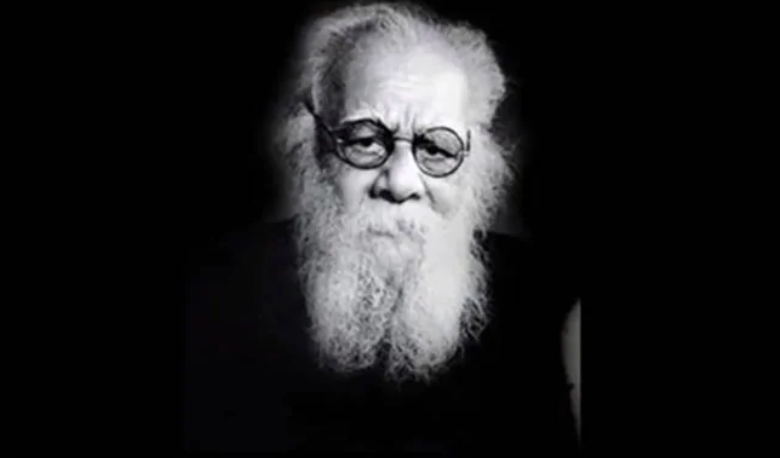
Periyar : Image – Courtesy velivada.com

क्या अभिव्यक्ति की स्वतंत्रता का अधिकार महज आस्थावानों के लिए ही लागू होता है ?

कभी कभी साधारण से प्रश्न का उत्तर पाने के लिए भी अदालती हस्तक्षेप की जरूरत पड़ती है।

मद्रास उच्च न्यायालय की – न्यायमूर्ति एस मनिकुमार और सुब्रहमण्यम प्रसाद की – द्विसदस्यीय डिवीजन बेंच को पिछले दिनो ंयह दोहराना पड़ा कि अभिव्यक्ति का अधिकार – जो भारत के संविधान के तहत मिले बुनियादी अधिकारों में शुमार है – सार्वभौमिक है और इसे समयविशेष के बहुमत के आंकड़ों के आधार पर तय नहीं किया जा सकता।

मालूम हो कि किन्ही दैवानायागम ने न्यायालय में यह जनहितयाचिका दाखिल की थी और कहा था कि तमिलनाडु के त्रिची में पेरियार की मूर्ति पर जो नास्तिकता के उद्वरण दिए गए हैं, वह ‘सार्विक ईश्वर’ को माननेवालों के लिए आपत्तिजनक हैं और उन्हें हटा दिया जाए। याद रहे रामस्वामी नायक / 17 सितम्बर 1879-24 दिसम्बर 1973/ जिन्हें ‘पेरियार’ नाम से जाना जाता है, वह आत्मसम्मान आन्दोलन के अग्रणी थे, द्रविड कझगम के संस्थापक पेरियार एक जुझारू किस्म के समाज सुधारक भी थे। याचिकाकर्ता ने मूर्ति पर लिखे उद्धरण के बारे में ‘‘कोई ईश्वर नहीं है, ईश्वर नहीं है और वाकई ईश्वर नहीं है..’ के पेरियार द्वारा कहे जाने पर भी सवाल खड़े किए थे। Continue reading ‘ईश्वर नहीं है’ कहने का अधिकार

Statement by Teachers and Academics in Support of Dr. Hany Babu

The following is a statement issues by teachers and academics in support of Dr Hany Babu, whose residence was raided early morning non 10 September by Pune Police

We, teachers and members of the academic community from across universities, are shocked to know of the illegal raid at the residence of Dr. Hany Babu, Associate Professor in the Department of English, University of Delhi on the morning of 10 September 2019. While the horrifying overreach of a search conducted without a warrant has become routine harassment for dissenting citizens, the attempt made by the Pune Police to forcefully detain Babu’s family for six hours and deprive them of any communication with lawyers or friends amounts to extreme duress. Finally, forcing Babu to change passwords and forfeit access to his email account and other personal online media clearly makes way for a possible planting of evidence, to concoct a case against an assumed ‘suspect’

Continue reading Statement by Teachers and Academics in Support of Dr. Hany Babu

There is no God And You Can Say so

Academics focus on secularism when secularisation can save the day.

There is no God And You Can Say so

Image Courtesy : NDTV

A simple query sometimes occasions judicial intervention: Does the right to freedom of expression apply merely to believers? On September 6, the Madras High Court dismissed a Public Interest Litigation filed by M Deivanayagam raising such a question. The petitioner wanted the atheistic inscriptions placed under the statue of Periyar, father of the Dravidian movement, installed in Tiruchirappalli, to be removed. He argued that the inscriptions are offensive to those who believe in a “universal god”.

The court upheld the right to freedom of expression—which is a part of the fundamental rights under India’s Constitution. It has reiterated that this right is universal and cannot be altered by numerical majority at any point of time.

Deivanayagam had also challenged the authenticity of the inscriptions attributed to Periyar. It reads as follows: “There is no god, no god, there really is no god/ He who created god is a fool/ He who preaches god is a scoundrel/ He who prays to god is uncivilised.”

The division bench of Justices S Manikumar and Subramonium Prasad dismissed the petition, emphasising that if a believer has the constitutional right under Article 19 to express her or his views on the existence of god and religion, then a non-believer has equal right to disagree and claim that there is no god.

Ramasamy Naicker, who is known as Periyar, pioneered the self-respect movement which sought equal status for the backward sections of in Tamil Nadu. He also founded the Dravida Kazhagham anti-caste movement and was a militant social reformer who died in 1978.

( Read the full text here :https://www.newsclick.in/There-no-God-You-Can-Say-so)

Everyday Tips for Surviving Tyranny: Anonymous

Guest Post by ANONYMOUS

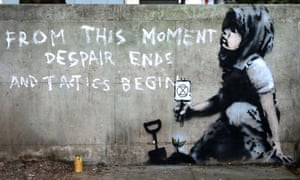
Suspected Banksy mural in London in support of environmentalist protest. 

As authoritarian right-wing populist leaders across the world unleash a reign of tyranny and hate, there is a need to think together about everyday strategies of survival. As an individual, it can get a bit overwhelming. Everything could look pointless. Many friends talk about how they find it impossible to write or work in an atmosphere of hate and violence. However, it is important to remember that what might look invincible today may not last for even half a decade. But while it lasts, how does one live under tyranny and what are the ways of building non-violent resistance? Continue reading Everyday Tips for Surviving Tyranny: Anonymous

Lynchistan

Southern trees bear a strange fruit,

Blood on the leaves and blood at the root,

Black bodies swinging in the southern breeze,

Strange fruit hanging from the poplar trees.

The word lynching conjures up images of a dark period in the history of the United States of America. Between 1877 and 1950, white supremacist gangs murdered 4,000 African Americans, while the government and the police looked the other way. James Baldwin, whose essays Dark Days captures the unfolding violence, wrote, ‘A mob is not autonomous. It executes the real will of the people who rule the State’. In 1888, white supremacists lynched seven African American men for drinking from a well – which they had said was for ‘white’s only’. Baldwin recounts that story and writes, ‘The blood is on the hands of the state of Alabama which sent those mobs into the street to execute the will of the State’.

The lyrics quoted above are from the iconic song – Strange Fruit – written by the communist artist Abel Meeropol and sung by Billie Holiday. Continue reading Lynchistan

Against Aachaaram: When is Your Cloth Clean/Pure/ Both?

This is the third in the series titled Against Aachaaram: A Dossier from Malayalam on Kafila. Both excerpts have been chosen and translated by HARIKRISHNAN S. The prefatory note below is by J Devika. They are about the notions of purity of clothing harboured by the traditional caste elite in Kerala, which were revised by the neo-savarna of twentieth century Kerala.

The neo-savarna refers to a twentieth-century social formation that comprises of the upper-caste elite of traditional Kerala – the sudras (nair and ambalavasi), the samanthas and kshathriyas (the members of erstwhile ruling houses, minor and major), and the brahmins. The richer sections of the ex-untouchable Ezhava caste-community who have in effect abandoned the teachings of their chosen Guru, Sree Narayana, now actively seek membership in the neo-savarna, but are yet to be accepted fully.

Continue reading Against Aachaaram: When is Your Cloth Clean/Pure/ Both?

A War For Scientists to Join

Scientists have barely offered resistance to pseudoscience. This must change—IIT students show how.

Ramesh Pokhriyal

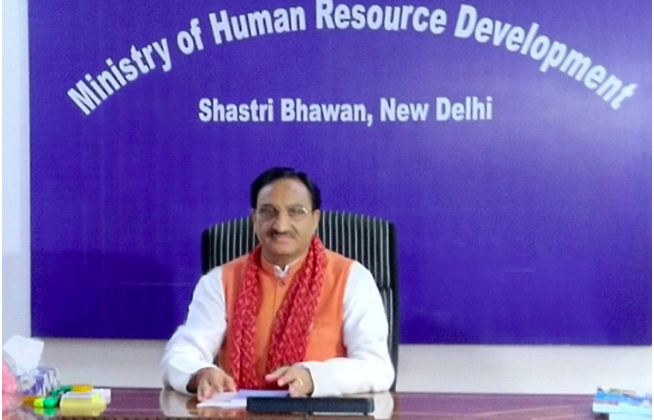
Surely India’s scientific community must be waking up to the realisation that their silence is detrimental to scientific development and allows many varieties of mischief to breed. In a rare show of gumption, students of the elite engineering institute, IIT Bombay, have slammed the recent decision to invite the Human Resources Development (HRD) Minister Ramesh Pokhriyal ‘Nishank’ to chair their graduation ceremony.

For too long India’s scientists have remained silent—even the credulous claims by Prime Minister Narendra Modi in a speech at the Ambani hospital in November 2014 was not challenged by them for a long time. A key role has to be played by the scientific community in the ongoing battle of ideas. Perhaps students of IIT Bombay show the way.

They have said in their in-house publicationInsight IIT Bombay, that a guest who “recognised, embodied and endorsed the scientific and moral values” of their institute should have been invited instead of the minister. Their problem is with Pokhriyal’s speech, pervaded by unscientific claims and “twisted facts”. They are under no illusion the speech tried to stoke “patriotic feelings”. To the IIT students, the speech was a “mild form of scientific blasphemy”.

( Read the full article here : https://www.newsclick.in/war-scientists-join)

Protest Prime Minister Modi’s visit to the United Nations: Coalition Against Fascism in India

Statement by the US-based COALITION AGAINST FASCISM IN INDIA

cafiusa2019@gmail.com Twitter @Hum_CAFI_hai)

Protest on Friday, September 27th at 10:30 am

United Nations Plaza, New York City

India’s Prime Minister Narendra Modi will visit the United States at the end of September. He will attend the United Nations General Assembly Session on September 28.  Please join us to protest Modi’s visit. Modi’s government has been orchestrating a pogrom of hate and violence against Muslims and Dalits in India. His government has been cracking down on all forms of dissent and all those who question its politics of hate. Its economic policies have resulted in escalating poverty and thehighest unemployment rate in half a century. We call upon all anti-fascist, anti-racist,secular, and environmentalist groups in the United States to join us in protesting his visit and exposing the retrograde, near-fascist politics of Modi’s government.

Continue reading Protest Prime Minister Modi’s visit to the United Nations: Coalition Against Fascism in India

DISSENT, DEBATE, CREATE