Category Archives: Bad ideas

लाइब्रेरी २४ घंटे खोलने की मांग पर बीएचयू छात्रों को मिला निलम्बन और जेल: अमरदीप सिंह

अतिथि पोस्ट: अमरदीप सिंह 

एक ओर जहाँ हमारे प्रधानमंत्री माननीय नरेन्द्र मोदी जी डिजिटल इंडिया की बात करते हुए देश के गाँव गाँव मे WI-FI लगाने की बात कर रहे है और साथ ही वाराणसी के  घाटो  का भी WiFi करण हो रहा है वही उनके  संसदीय क्षेत्र  के इतने बड़े सेंट्रल यूनिवर्सिटी  “काशी  हिन्दू  विश्वविद्यालय” के छात्र  इंटरनेट ,लाइब्रेरी और अन्य पढ़ाई के मूलभूत सुविधाओं  से वंचित है  । वर्तमान समय मे उच्च स्तरीय शिक्षा के लिए  इंटरनेट की उपलब्धता को नकारा नहीं जा सकता।

मामला साइबर लाइब्रेरी का है जो पहले 24 घंटे खुलती थी लेकिन नए वाईस चांसलर गिरीश चन्द्र त्रिपाठी के आने के बाद यह मात्र 15 घंटे के लिए खोला  जाने लगा (सुबह 8 से रात्रि 11बजे तक ) । आपको बता दे की BHU के 60 प्रतिशत  से अधिक छात्र विश्वविद्यालय के बाहर  रहते है जहां बिजली की एक बड़ी समस्या रहती है । बाहरी छात्रों के इस समस्या के समाधान के लिए साइबर लाइब्रेरी खोली गई थी जिसमे छात्र वातानुकूलित स्थान पर  इंटरनेट व कंप्यूटर की सुविधा के साथ अपना पठन पाठन का कार्य कर सकते है । परीक्षा के दिनो में इसकी जरुरत और बढ़ जाती है|

13262321_713126608789808_531771798_o

वाईस चांसलर का सम्बधित मामले में  कहना है की जब वे पढ़ा करते थे तो सब  सुविधाएं नहीं थी ,उनके क्लासरूम में AC  नहीं था न ही कंप्यूटर की सुविधा थी, फिर भी वे पढ़े । उन्होंने जोड़ते हुए यह भी कहा की स्नातक के छात्रों को लाइब्रेरी की क्या जरूरत  और आउट ऑफ सिलेबस पढ़ने  की क्या जरुरत है ।यहाँ जानकारी के लिए बता दे की आउट ऑफ सिलेबस न पढ़ने  की सलाह देने वाले कुलपति महोदय इकोनॉमिक्स के अध्यापक रहते हुए “शिव तेरे कितने रूप ” और ” मृत्यु के बाद क्या ?” के लेखक रह चुके है ।छात्र प्रतिनिधिमंडल 500 से अधिक छात्रों द्वारा हस्ताक्षर किये गए पत्र को लेकर कुलपति महोदय से मिले लेकिन कुलपति महोदय के बातचीत का लहजा एक गुरु-शिष्य की बातचीत से कोसों दूर था, साथ ही उन्होंने स्ट्रीट लाइट में पढ़ने की सलाह दी तथा आंदोलन करने पर विश्वविद्यालय से बाहर  फेंकने की धमकी भी दी ।

विश्वविद्यालय द्वारा लाठी ,डंडे  के  दम  पर लाइब्रेरी  से जबरदस्ती निकाले जाने के कारण  छात्र स्ट्रीट लाइट के नीचे पढ़ अपना विरोध दर्ज़ करा रहे थे।  छात्र रोज रात को लाइब्रेरी के मैदान अथवा स्ट्रीट लाइट पर पढाई कर रहे थे परन्तु रात को प्रॉक्टोरियल बोर्ड द्वारा छात्रों को बेवजह परेशान किया गया और छात्रों के आईकार्ड छीने गए एवं पीटा गया। यहाँ तक की साइबर लाइब्रेरी 24 घंटे कराने  के लिए  गाँधीवादी तरीके से रात कैंपस में पढाई कर अपने हक़ की आवाज़ को उठा रहे छात्रों में से २ छात्रों शांतनु सिंह गौर (सोशल साइंस द्वितीय वर्ष  छात्र) और विकास सिंह ( पोलिटिकल साइंस शोध छात्र  ) को कारण  बताओ नोटिस जारी  कर दिया ।

इसी क्रम में छात्रों ने  प्रधानमंत्री कार्यालय के स्ट्रीट लाइट के नीचे बैठ कर प्रतिनात्मक पढ़ाई की साथ ही  दिनांक 16.05.2016 को प्रधानमंत्री, राष्ट्रपति, एमएचआरडी, इत्यादि मंत्रालयों को इस सम्बन्ध में सूचना दी गयी लेकिन प्रशासन के कान पर ज़ू तक नहीं रेंगी । पिछले 17 दिनों से स्ट्रीट लाइट में पढ़ने  को विवश  BHU छात्र  विश्वविद्यालय प्रशासन के उदासीन तथा तानाशाहीपूर्ण रवैये के कारण निराश और हताश  होकर  दिनांक 18.05. 2016 से छात्र अनिश्चितकालीन भूख हड़ताल में बैठने को मज़बूर हुए ।

विद्यार्थी सत्याग्रह के नाम से शुरू इस आंदोलन के दूसरे दिन चीफ प्रॉक्टर समेत आला अधिकारियो का एक दल अपील समेत मिला जिसमे अनशन जारी  रखने पर अनुशासनात्मक करवाई की धमकी और एक कमेटी गठन की बात थी ।

कमेटी के रिपोर्ट आने  और कौन से प्रोफेसर को कमेटी मेंबर बनाया गया है सम्बंधित कोई भी सुचना छात्रों को नहीं दिया  गया यहाँ तक की कमेटी  में छात्रों को शामिल करना तो दूर उन्होंने छात्रों का सुझाव , सलाह तक नहीं लिया |

BHU प्रशासन ने  क्रूर आमनवीय व्यव्हार प्रदर्शित करते हुए आंदोलन स्थल पर उपलब्ध पानी ,बिजली,और शौचालय की सुविधा बंद कर दी । BHU  प्रशासन आंदोलन को कमज़ोर करने के लिए अनशनरत छात्रों के घर पर फ़ोन कर परिवारजनों को डरा धमकाने का काम भी शुरू कर दिया । छात्रों को निष्काषित करने , करियर बर्बाद करने , जेल भिजवाने , उठा लेने आदि  की  धमकियां दिया जाने लगा ।

“आपका लड़का भूख हड़ताल पर है और मरने वाला है “। “आप हमारे बिरादरी के है इसलिए चेता रहे है नहीं तो अब तक आपका लड़का जेल में होता“  आदि ये प्रॉक्टोरियल बोर्ड के शब्द परिवारजनों के साथ  फ़ोन वार्ता पर थे  |

यहाँ तक की मेरे  परिवार को बुलाया गया और तमाम मानसिक दबाव बना आंदोलन छोड़ने और आगे से किसी आंदोलन में भागी न होने का मुझसे लिखित लेने में वे सफल भी रहे । मुझे मेरे परिवार के सामने जलील किया गया । दाड़ी की तरफ इशारा करते हुए वाईस चांसलर ने कहा की ये लड़कियों के दुप्पटा खींचने और छेड़ने वालो की तरह दिख रहा है । आप का लड़का रात में पोर्न देखता है और इसे आंदोलन करने के लिए पैसे भी मिल रहे है ।  मेरे कहने पर की  आरोप साबित होने पर में खुद निष्कासन लिखने कर देने को तैयार हुँ , वाईस चांसलर ने कुतर्की और बहुत बोलने वाला कह बात दूसरी ओर मोड़ दी । मेरे परिवार ने दबाव में यह कहा की अगर वाईस चांसलर को लगता  है की तुम्हारे हटने से आंदोलन टूट जायेगा तो लिख कर दे दो क्योकिं यह आंदोलन एक छात्र का नहीं है न ही समस्या किसी व्यक्ति विशेष की है ,  इसमें सभी छात्रों की भागीदारी होने चाहिए , सिर्फ एक की नहीं ।

मेरे आन्दोलन छोड़ने की सुचना पर 10 भूख हड़ताली छात्रों की संख्या 22 हो गयी । यहाँ छात्र एकता की अनूठी मिशल दिखी । कमेटी ने अपनी रिपोर्ट में लाइब्रेरी की मांग को मनोरंजन और आराम का हवाला देते हुए प्रतिबंधित साइट देखने की भी बात कही । कमाल  की बात है की जब साइट प्रतिबंधित है तो छात्रों खोल कैसे लेते  है ??? और अगर छात्र खोल भी लेते है तो यह एक प्रशासनिक विफलता है  जिस पर प्रशासन को अपने सुरक्षा कर्मियों पर करवाई करनी चाहिए । मंदिर के बाहर से चप्पल चोरी होने पर चोर को दण्डित किया जाता है न की मंदिर बंद किया जाता है । कमेटी ने रात्रि में  छात्राओं का पढ़ना अव्यवहारिक बताया है । उसी दिन देर रात वाईस चांसलर ने अपने स्पेशल पावर का इस्तेमाल करते हुए 9 छात्रों को निलम्बित कर दिया । इससे ज्यादा दमनात्मक रवैया और क्या हो सकता है की पढ़ाई की मांग और शांति तरीके से खुद को पीड़ा देने वाले अनशनरत छात्रों को आगमी वर्ष समेत वर्तमान परीक्षा, हॉस्टल आदि सभी सुविधाओं से वंचित कर दिया ।

2 दिन बाद अनशन के 10वे दिन रात 12 :30  पर BHU की स्ट्रीट लाइट बंद कर दी गई । BHU  के आसपास के सारे मार्केट बंद करा दिए गए और वाराणसी के16 थानों की पुलिस की मदद से अनशनरत  12 भूखे छात्रों को गिरफ़्तार कर लिया गया वह भी उस समय जब छात्र सो रहे थे । शायद  भारतीय इतिहास में यह पहली बार हुआ होगा की पढाई के लिए लाइब्रेरी की मांग पर छात्रों को 10दिन अनशन करना पड़ा और इतने क्रूर तरीके से गिरफ्तार कर लिया गया हो । गिरफ़्तारी के समय पुलिस की संख्या हज़ारो में थी जैसे किसी आतंकवादी को पकड़ने आये हो । मेने अपने जीवनकाल में पुलिस को इतनी सतर्कता बरतते पहले कभी नहीं देखा ।

पुलिस ने रात भर अलग अलग तरीको से मानसिक दबाव बना कर अनशन तुड़वाने  की भी कोशिश की । अगले दिन दिनाक 26 को दोपहर में छात्रों को 5000रु  के निजी मुचलके पर छोड़ा गया । तबियत ख़राब होने पर छात्रों को BHU अस्पताल में भर्ती कराया गया । आंदोलनरत  छात्रों ने आपसी सहमति से गिरते  स्वास्थ को देखते हुए अनशन 72  घंटे के लिए स्थगित  करने का फैसला किया । छात्रों का कहना है की यह आंदोलन खत्म नहीं हुआ बल्कि यहाँ से शुरू  हुआ है , हम स्वस्थ हो कर फिर आएंगे और देश भर के सभी छात्र नेताओं,प्रोफेसर ,बुद्धजीवियों ,सामाजिक कार्यकर्ताओ से यह अपील करेंगे की वह पढ़ाई के लिए हमारे इस आंदोलन के समर्थन में खड़े हो । आज का छात्र पढ़ना चाहता है , वह किसी भी प्रकार का शोषण तथा दमन बर्दाश्त नहीं करेगा ।

अमरदीप सिंह बी.एच.यू  के छात्र है
Congratulations on the Completion of Two Years of Government: Reaction of JNU student, Bihu Chamadia

Guest Post by BIHU CHAMADIA

Congratulations on the completion of two years of government. But I just want to ask a simple one line question. Completion of two years but at what cost? At the cost of increase in the number of farmer suicides, at the cost of creating war-like situations in educational institutions, at the cost of acting as a catalyst of widening the gap between hindu-muslim, at the cost of increasing imports and decreasing exports. Celebration on such a large scale because of course it is the first ever government in the history of the world to complete 2 years of governance ! With on-going crisis in the country BJP spends 1000 crores on a programme for this celebration. We would have no problem if this money was yours but sadly it’s not its ours. So now to all the tax payers who had problem with JNU raising its voice I ask you have you people become blind and deaf or are suffering from amnesia and forgot how to read and write.

Well, you speak well Mr Modi but the problem is that you only speak. You and your whole cabinet knows that each and every student of these educational institutes can give you people a befitting reply to all your one liners but we choose not to. People laugh at what your ministers says and say what a fool but I have a completely opposite view. You people are not fool you people are smart, very smart indeed.  Your every policy and every one liner can have a nice reply. Continue reading Congratulations on the Completion of Two Years of Government: Reaction of JNU student, Bihu Chamadia

Statement of Solidarity with Kancha Ilaiah

[The following is a statement in support of scholar-activist Prof  Kancha Ilaiah, who is under attack from a number  of Hindutva organizations and  against whom the Hyderabad police recently registered a case for ‘hurting religious sentiments’. The tendency to  resort to police cases, in order to stifle any criticism of Hindutva and the regime has assumed menacing proportions, against which we stand  firmly with Kancha Ilaiah. Those who wish to add their names to the statement and express solidarity may do so by adding them as comments.]

We, the undersigned, strongly condemn the continued harassment, attacks on and intimidation of Prof Kancha Ilaiah at the hands of various Brahmin / brahminical organizations, police and the state administration of Telengana for his political writings and views.  We also hold responsible for this intimidatory environment, the Telugu media that reportedly published distorted and misleading reports of Prof Ilaiah’s speech.

While speaking at the Centre of Indian Trade Unions, a wing of the Communist Party of India (Marxist) on May 14, 2016, at Vijayawada (Amaravathi), Prof. Ilaiah had  said: “The Brahmins as a community have not contributed anything to the production process of the Indian nation. Even now their role in the basic human survival based productive activity is not there. On the contrary, they constructed a spiritual theory that repeatedly tells people that production is pollution.” Continue reading Statement of Solidarity with Kancha Ilaiah

बीएचयू में लाइब्रेरी को लेकर आंदोलन अभी भी जारी है: अनन्त प्रकाश नारायण

अतिथि पोस्ट: अनन्त प्रकाश नारायण

Guest Post by Anant Prakash Narayan

This is an urgent appeal from Banaras Hindu University (BHU) students to students, youth, intellectuals and journalists everywhere.  Please come to the support of BHU. Speak for BHU students. Students in BHU have been fighting for the right to study 24/7 in the BHU Library. The curtailing of the hours for which the library is open by the university authorities is a direct assault on the right to study. What else are students meant to do in an university? This is what has led students in BHU to agitate. Students even sat on an indefinite hunger strike for nine days in protest. Students have been assaulted and rusticated for their struggle to study in the library.  The hunger strike has been now lifted, because of the intense pressure of the university administration and the failing health of several students, but the struggle continues. BHU students are appealing to everyone to please send post cards in support of their demands to the Vice Chancellor of BHU.

You can also flood the VC with emails to his address  – vc@bhu.ac.in.

Bombard his office and email with messages in support of BHU students, in support of democracy and rights, for right to quality education and freedom of speech.

This slideshow requires JavaScript.

Students on Hunger Strike Were Forcibly Sent to Hospital by the University Authorities

‘बीएचयू में लडाई जारी है’

बीएचयू में लाइब्रेरी समेत 4 मांगो को लेकर 26 दिनों तक चला आंदोलन अभी भी जारी है। 9 दिनों तक चला अनिश्चितकालीन अनशन हमें प्रशासन के दबाव और साथियों की बिगडती तबीयत के कारण तोडना पडा लेकिन अपने सवालों  के साथ हम आज भी संघर्षरत है। इसलिए देश-दुनिया के सभी छात्रों, विश्वविद्यालयों और बुद्धिजीवियों से हम अपील करते हैं कि हमारे निम्न सवालों के समर्थन में आकर हमारे संघर्ष को मजबूत बनाएं और बीएचयू कैम्पस मे अभिव्यक्ति की लडाई में हमारी मदद करें
Continue reading बीएचयू में लाइब्रेरी को लेकर आंदोलन अभी भी जारी है: अनन्त प्रकाश नारायण

What the UGC Gazette Notification 2016 Portends for the State of Higher Education in India: Rina Ramdev and Debaditya Bhattacharya

This is a guest post by RINA RAMDEV AND DEBADITYA BHATTACHARYA

The much-debated API (Academic Performance Indicator) system, linking promotions of faculty members in Indian universities/colleges to a quantifiable assessment of their performance, was introduced by the University Grants Commission (UGC) in its 2010 Regulations. Since then, there has been mounting resistance and discontent among massive sections of the teaching community – forcing the UGC to withdraw the said assessment framework for a while in 2013, before reintroducing it across institutions of higher education. However, over the years, the ire of protesting teachers has translated into a sustained critique of the API system and its failure to account for the infrastructural inadequacies of public institutions as adversely impacting the promotion prospects of thousands of teachers across the country.

It was rightly argued that a point-based appraisal pattern reduces teaching as an adventure of ideas into a standardised set of visible-verifiable outcomes and deliverables, expending in this, the necessary surplus of every academic encounter. The clock-timed hours of classroom-teaching – convertible into digits and decimals – were not only incommensurate to the disaggregation of thought beyond workdays and work-hours, but also insisted on a corporate-model professionalism limiting the exact interface between the teacher[-as-service-provider] and the student[-as-client].

The perils of quantification notwithstanding, the API system practically sought to make teaching a redundant exercise in terms of ‘necessary qualifications’ for faculty promotions. With a lucrative price-tagging of the ‘value’ of research activities conducted by individual teachers outside of teaching-schedules and the consequent structures of waging intellectual productivity through the numbers of projects and publications, the API contributed to a voiding of the classroom in undergraduate colleges in many parts of the country. Forced to prove her/his levels of productivity as the most essential claim to survival and growth within the field, the teacher needed but little to do by way of engaging students. And yet, on the contrary, the government persisted with its policy of withdrawing research grants and forcing research organisations to look for alternative sources of funding to sustain their work. Consequently, teachers have been infrastructurally forced into producing dubious research in the cause of ‘career advancement’, self-funding their way into business-rackets parading as scholarly platforms.

Continue reading What the UGC Gazette Notification 2016 Portends for the State of Higher Education in India: Rina Ramdev and Debaditya Bhattacharya

Public Burdens of Religion and the Lightness of Atheism : Sanjay Kumar

Guest Post by Sanjay Kumar

Death evokes strongest of human emotions. However, exploring and finding reasons behind a death is also part of our humanity. Legal codes in all countries demand criminal investigations of deaths due to the so called ‘unnatural’ causes. Medical sciences have advanced largely due to explorations of the other, ‘natural’ causes of death. Deaths due to completely avoidable reasons fall in a category of their own. How a society deals with such deaths is a good indicator of how it treats its living.

One hundred and eight people died in an explosion during a fire cracker festival in a temple in Kollam, Kerala on 10th April. According to reports, the district administration had not given permission for the event, citing hazards of firing crackers close to a densely populated area, and the fact that the fire cracking festivities were actually in the form of a competition. Yet, pressure from the powerful temple trust meant that the programme was held amid full police presence. The accident happened in one of the better governed states of India, which also boasts of a vigilant citizenry. Continue reading Public Burdens of Religion and the Lightness of Atheism : Sanjay Kumar

Sahmat statement on intimidation and threats to scholars and activists

Guest Post : Sahmat statement on intimidation and threats to scholars and activists who investigated human rights abuses in Chhattisgarh

Date 24.5.2016

We strongly condemn the Chhattisgarh government and its police force for using intimidation and threats of a criminal case against academics and political activists investigating human rights abuses in the southern parts of the state, especially Bastar and Dantewada. A fact finding team consisting of Prof. Archana Prasad, Jawaharlal Nehru University (JNU), Prof. Nandini Sundar, Delhi University (DU) and Vineet Tiwari, researcher at CPI’s Joshi-Adhikari Institute recently visited the area for 5 days between 12-16 May 2016. They were accompanied by Sanjay Parate, Chhattisgarh State Secretary CPI-M.

After the visit the team was accused of spreading dissent against security agencies and supporting the ’Maoists’. The statement by the state home minister Ram Sewak Paikra in the Times of India reportedly calling the three reputed Delhi based academicians ‘anti-nationals’ and ‘Maoist’ is part of a recent and explicit trend to stifle the freedom of expression and movement through a state crackdown on political dissent. The threat of an FIR and further harassment looms large. The local contacts, escorts and villagers who hosted the team are being harassed and intimidated by the Police in order to fabricate evidence and ensure that they help no other study team in the future.

The Press Release by the team clearly indicts both the Chhattisgarh state and Maoist violence and reveals how ordinary Adivasis, struggling for a dignified existence and protesting against the violation of basic rights have little space to voice genuine grievances.

This is the latest in a long line of actions to criminalize dissent, free expression and movement, and stifle fair reportage of events which have become hallmarks of the Chhattisgarh government.

We appeal to all democrats to condemn this brazen attempt at intimidation by the State and its Security Agencies.

Bishnupriya Dutt, (JNU)
Ranjani Mazumdar, (JNU)
Surinder Jodhka, JNU)
Neeladri Bhattacharyya, (JNU)
Jaivir Singh, (JNU)
Vivek Kumar, (JNU)
Sachidanand Sinha, (JNU)

Continue reading Sahmat statement on intimidation and threats to scholars and activists

How We Destroy our Future by Proxy – On The Ruination of Ruins: Rahul Sharma

This is a guest post by RAHUL SHARMA

humayun-1-2

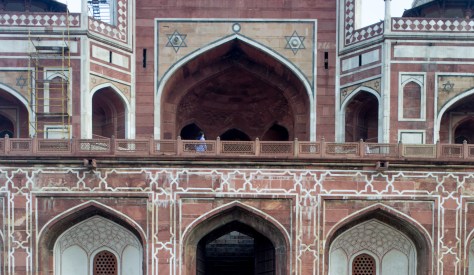
Why do we, if at all we do, really care about our material cultural heritage? Is it because it reminds us of what was, and is, good and great in humanity? Or is it the case that we look at a cultural objet and recognise that it is the Ozymandias complex materialized, that even the great and the mighty fail? Or is it that we may never attain the great heights in purity, simplicity, or other qualities we idolize and project on the remnants of the times past?

Or maybe we just want the tourism dollars and euros. Be that as it may, only someone obtuse, or with exaggerated tendency towards the behavior philistine, would say that our cultural heritage, our miniature paintings, our ruins, our tombs, forts, wall paintings, temples, mosques , books, manuscripts, and other things this essay is too short to quantify, are not worth preserving. Also note here that I said we, because we might be a bunch of separate kingdoms and separate principalities earlier, but deep down, we were one people, separated by religion and language, but united (willingly or unwillingly), by the plain and simple fact that you can’t chose your neighbor.

Continue reading How We Destroy our Future by Proxy – On The Ruination of Ruins: Rahul Sharma

कुल्हाडी की छाया में उम्मीद

‘शब्द हिरासत में हैं और हत्यारे खुलेआम घुम रहे हैं’

( Photo Courtesy : freethinker.co.uk, Martyr Rajib Haider who was killed by the Islamists on 15 th February 2013)

आम दिनों में ऐसे बयानों पर कोई गौर नहीं करता, मगर एक ऐसे समय में जबकि आप के कई साथी इस्लामिस्टों के हाथों मारे गए हों और उनके द्वारा जारी हिट लिस्ट में आप का नाम भी शुमार हो और उधर अपने आप को सेक्युलर कहलानेवाली सरकार भी  इन आततायियों के खिलाफ सख्त कदम उठाएगी ऐसी कोई उम्मीद नहीं दिखती तो, उस पृष्ठ भूमि में तीन ब्लागर्स द्वारा अपना नाम लेकर जारी किया गया एक बयान विद्रोह की आवाज़ को नए सिरेसे बुलन्द करना है। (http://sacw.net/article12741.html)

कुल्हाडी की छाया में उम्मीद’ यही शीर्षक है उस पत्र का जो बांगलादेश के युवा ब्लॉगर और लेखक आरिफ जेबतिक ने लिखा है। सरकार की समझौतापरस्ती की आलोचना करते हुए वह लिखते हैं कि ‘जब किसी नागरिक की हत्या होती है और राज्य की प्राथमिकता होती है कि पहले यह पता किया जाए कि उसने लिखा क्या न कि हत्यारों को पकड़ा जाए, तब स्पष्ट होता है कि इन ब्लागर्स के हत्यारों को पकड़ने में सरकार की कितनी दिलचस्पी है।’ ‘मेरे विचार चुपचाप रोते हैं’ शीर्षक से एक अन्य पत्र मारूफ रोसूल ने भी लिखा है जो लेखक हैं और ‘मुक्तो मोना’ (Mukto Mona ) नामक ब्लॉग के लिए नियमित लिखते हैं। वह लिखते हैं कि बुनियादपरस्त लोग पूरी दुनिया में उत्पात मचाए हुए हैं, अभिव्यक्ति की स्वतंत्रता, मुक्त चिंतन सभी खतरे में है और इसलिए यह संघर्ष अनथक जारी रहना चाहिए, इसके पहले कि यह शैतानी ताकतें हमारी स्वतंत्रता में एक और कील न ठोंक दे।’ तीसरा पत्र जानेमाने ब्लागर एवं कार्यकर्ता इमरान सरकार ने लिखा है जो ‘बांगलादेश ब्लागर्स एण्ड आनलाइन एक्टिविस्ट नेटवर्क‘ के अग्रणी हैं तथा, ‘गणजागरण मंच‘ जैसे सेक्युलर आन्दोलन के प्रवक्ता हैं। इमरान सरकार लिखते हैं कि ‘शब्द हिरासत में हैं और हत्यारे खुलेआम घुम रहे हैं।’ ..हत्यारे मुक्त चिन्तन के रास्ते में एक के बाद एक बैरिकेड खड़े कर रहे हैं। एक एक सहयोद्धा की मौत के साथ उनके शोक में निकले जुलसों में लोगों की तादाद बढ़ रही है और सरकार हत्यारों को पकड़ने के बजाय ब्लागर्स के लेखन पर ही सवाल खड़ा कर रही है और सूचना एवं सम्प्रेषण टेक्नोलोजी की धारा 57 का इस्तेमाल करते हुए ब्लागर्स को ही गिरफतार कर रही है।’ Continue reading कुल्हाडी की छाया में उम्मीद

Seven Years After the End of Sri Lanka’s Civil War: Mahendran Thiruvarangan

Guest post by MAHENDRAN THIRUVARANGAN

When the civil war came to an end in May 2009 I was still a final year undergraduate at the University of Peradeniya. Peradeniya was miles away from the war zone. The only venues that supplied us with details about the happenings in the war theatre were the television channels stationed in the South, self-censoring the civilian casualties incurred and feeding to the Sinhala nationalist jubilation of the times. And on the other side were websites like Tamilnet and Puthinam run by parties sympathetic to the LTTE releasing carefully filtered out reports singularly focusing on the deaths of civilians caused by the military leaving no trace about how the top leadership of the LTTE was recruiting children and adults, despite knowing so well they had already lost the battle or how the civilians who were trying to flee the war zone were shot down by the militants.

One had to work around these competing narratives to get at least a partial sense of the nature of the violence that the people ensnared in the No Fire Zone were exposed to. Some of us had friends whose relatives had been in the LTTE-controlled areas. When the guns breathed their last in Mullivaikal, some of them had already moved to hospitals and camps in Trincomalee and Vavuniya with their loved ones injured during the war. It was from these wounded men and women and their families that the harrowing experiences of the thousands of people inside the narrow battlefield trickled down to us in May 2009. The South erupted into celebrations when the re-unification of the island was announced via the media. As the former president in his televised address from Parliament was busy instructing the people of the country to annul the notions of ‘majority’ and ‘minority’ from their political discourses, fire crackers celebrating the military victory started to deafen the ears of those of us who were seated under the senate building of the University of Peradeniya—Tamils, Sinhalese, Muslims and Malays—pondering in groups what was awaiting us and the country in the days and years to come. Continue reading Seven Years After the End of Sri Lanka’s Civil War: Mahendran Thiruvarangan

जन आंदोलन-कला – रूप और अंतर्वस्तु की बहस

जवाहरलाल नेहरू विश्वविद्यालय के छात्रों के संघर्ष में एक विराम का बिंदु आया है.अभी उन्हें ज़रा साँस  लेने की,कुछ आराम करने की और कुछ ताकत वापस संजो लेने की ज़रूरत है क्योंकि यह कायदे से अर्धविराम भी नहीं है.हमलावर न तो सभ्य है,न किसी नियम का पाबंद,इसलिए अगला आक्रमण कैसे होगा,कहना मुश्किल है.

इस दौर की सबसे ख़ास बात रही छात्रों को अपने अध्यापकों का अनथक समर्थन.यह इस आन्दोलन का सबसे मार्मिक पक्ष भी था.दूसरा,सामाजिक समूहों का निरंतर साथ.तीसरा,मीडिया के एक बड़े हिस्से की सहानुभूति.

इन छह महीनों में कन्हैया ही नहीं,शेहला,अनिर्बान,उमर,रिचा सिंह और प्रशांत धोंढा को भारत की जनता ने ध्यान से सुनने की कोशिश की.इन नौजवानों की राजनीतिक परिपक्वता से प्रभावित होने वाले सिर्फ वामपंथी न थे.

पहली बार छात्र राजनीति,बल्कि परिसरों की राजनीति राष्ट्रीय चर्चा का विषय बनी थी.परिसर के भीतर क्या होता है,भीतर किस प्रकार का समाज है,वह बाहरी समाज से किस तरह जुड़ता है और किस तरह उसे चुनौती देता है,यह जानने में लोगों की दिलचस्पी थी.

संघर्ष के दौरान ही लेकिन बहस भी होती है. उन तरीकों पर जो इस दौरान अपनाए गए और उन चूकों पर जो इस क्रम में हुई होंगी. Continue reading जन आंदोलन-कला – रूप और अंतर्वस्तु की बहस

Why exoneration of Sadhvi Pragya should worry everyone who stands for justice

Why exoneration of Sadhvi Pragya should worry everyone who stands for justice

There are a few photographs which the bigwigs of the Hindutva Brigade/Sangh Parivar would like to be erased from public memory. One such photograph shows Sadhvi Pragya, an ex-member of the ABVP, sitting with Shivraj Singh Chouhan, Chief Minister of Madhya Pradesh, Rajnath Singh and few others. As it was later revealed they had gathered to console the widow of a BJP leader from MP, who had just died.

Public memory is very short but one can stretch it a bit to recollect the tremendous consternation in BJP/RSS circles when Sadhvi Pragya was arrested by the Anti Terrorist Squad led by the legendary police office Hemant Karkare on 23 October, 2008 for her alleged role in the 2008 Malegaon bomb blast. This photograph had suddenly gone viral when there were denials by many leaders of the saffron brigade that they had never met her.

Now that the NIA, the federal agency established by the government to combat terror in India, has given a ‘clean chit’ to Sadhvi Pragya and few of her accomplices, should one expect that all those photographs showing her proximity to various leaders of the saffron establishment would be prominently exhibited? It must be remembered that leaders of BJP have even claimed that it was an act of “treason” to arrest her.

(Read the remaining article here : http://www.catchnews.com/politics-news/why-exoneration-of-sadhvi-pragya-should-worry-everyone-who-stands-for-justice-1463399413.html)

Choice, Agency and the Naming of Names – The Trap of ‘Immediate Identities’ and the Vision of a Democratic Revolution: Chintu Kumari & Umar Khalid

Paired Guest Posts by CHINTU KUMARI and UMAR KHALID

[ Every struggle goes through highs and lows. The students who are part of the  movements that are spreading out of universities in India – Hyderabad Central University, Jawaharlal Nehru University and Jadavpur University have had their share of internal debates and disagreements, even as they have found moments of significant victory. and solidarity

Students at JNU who have recently concluded their hunger strike to give time to the university authorities to respond reasonably to the High Court directives on the HLEC punishments are now being criticized for having ‘abandoned the struggle’ by some sections who claim to play a role within the broader students movement, when, in fact, nothing of that sort has actually happened.

The majority of the students who were on hunger strike (including several JNUSU office bearers, and others) have said that they have given up the hunger strike against the HLEC recommendations in keeping with the court order.  In doing so, they have never said that they are suspending the agitation against the attempts by the JNU administration to weaken OBC reservation in admissions, hostel seats and deprivation points for women and oppressed sections of society.

In fact it is not as if the HLEC punishments issue has taken precedence over the other issues. It is actually the other way round. The students have decided to give priority to the struggle for ’social justice’ within the campus, while simultaneously giving time to the university authorities to respond adequately to the court directive on the HLEC punishment question.The call for a demonstration against the University Authorities by the JNUSU to continue the struggle on the social justice issues on the 16th of May is indicative of this fact.

13237814_1106943902682435_4288761213192298400_n

The attacks and insinuations against the majority of the students at JNU who were on hunger strike have also featured a deliberate attempt to create divisions within the unified ‘Red-Blue’ / ‘Jai Bhim-Lal Salaam’ dynamics of the movement on the grounds of identity. Activists, such as Umar Khalid, on the left have been singled out for being ‘Savarna-Syed’, if they happen to bear a Muslim name, and for being ‘sold out to the Savarna left’ if they are Dalit, as happened with Chintu Kumari and Rama Naga. This attack has come primarily from individuals representing organizations like BAPSA that claim to speak from a ‘Dalit’ position, and it is given traction by several other individuals eager to flaunt their disdain for the ‘left’ students on Facebook and social media.  Continue reading Choice, Agency and the Naming of Names – The Trap of ‘Immediate Identities’ and the Vision of a Democratic Revolution: Chintu Kumari & Umar Khalid

बांग्ला देश: इस्लामी राष्ट्र, धर्मनिरपेक्ष फाँसी

बांग्लादेश की जमाते इस्लामी के प्रमुख मोतिउर रहमान निजामी को फाँसी के बाद पाबना में दफना दिया गया है.निजामी पर 1971 के युद्ध के दौरान,जो बांग्लादेश के मुक्ति-संग्राम के नाम से प्रसिद्ध है, पाकिस्तानी सेना की मदद करने और बांग्लादेशियों की सामूहिक ह्त्या,औरतों के बलात्कार का आरोप है.निजामी कुख्यात अल-बद्र के नेता थे जिस पर उस वक्त पाकिस्तानी सेना के साथ मिलकर ,खासकर पाबना के लोगों के कत्लेआम का इल्जाम है.

निजामी की फाँसी  के बाद बांग्लादेश में तनाव है.एक तरफ जहाँ फाँसी की खबर सुनते ही शानबाग में खुशी का इजहार करते हुए लोग सडकों पर उतर आए, तो दूसरी ओर जमात से जुड़े छात्र संगठनों की पुलिस से झड़प हुई, बंद का आह्वान किया गया.जाहिर है, बांग्लादेश में निजामी के समर्थक बड़ी तादाद में मौजूद हैं. जमात पर पाबंदी की मांग उठ रही है लेकिन साथ ही निजामी के पक्ष में गुस्से के प्रदर्शन को कम करके आँकना भूल होगी.इसके पहले हसीना वाजेद की सरकार और चार लोगों को इसी तरह के आरोपों के आधार पर फाँसी दे चुकी है. Continue reading बांग्ला देश: इस्लामी राष्ट्र, धर्मनिरपेक्ष फाँसी

बेहद पोंगापंथी और जातिवादी हैं प्रवासी भारतीय

आम धारणा है कि एक भारतीय विदेश की सरजमीन पर पैर रखते ही जेंटलमैन बन जाता है। वह सभ्यता के नए मूल्यों से परिचित होता है, अपने देश की तमाम रूढ़ियों से नाता तोड़ लेता है और सही मायने में एक आधुनिक व्यक्ति बन जाता है। यह बात एक हद तक ही सही है। कुछ लोगों में भले ही परिवर्तन आ जाता हो पर एक बड़े हिस्से पर शायद उल्टा ही असर होता है। भारत के बाहर जहां-जहां भारतीय बसे हैं, वहां उन्होंने न केवल जाति आधारित संगठनों, संस्थाओं की स्थापना की है बल्कि वहां भी वे निम्न कही जानेवाली जातियों के साथ खुल्लमखुल्ला भेदभाव करने में संकोच नहीं करते। लेकिन उनके चरित्र के दोहरेपन का आलम यह है कि वे चाहते हैं कि ये बातें ढकी-छुपी रहें। वहां के लोग यह सब न जानें।

आजकल अमेरिका के एक बड़े राज्य कैलिफॉर्निया की पाठ्यपुस्तकों में संशोधन चल रहा है। यह एक रूटीन प्रोसेस है जिसके तहत सिलेबस में नए विषय या तथ्य शामिल किए जाते हैं। इस क्रम में वहां सिलेबस में हिंदुओं के बारे में भी कुछ सूचनाएं शामिल की जा रही हैं। लेकिन इस पर विवाद हो गया है कि जानकारियों को किस रूप में रखा जाए। भारतीयों का एक तबका चाहता है कि प्राचीन तथ्यों को नए सिरे से लिखा जाए और हिंदू समाज में मौजूद वर्ण व्यवस्था या छुआछूत की बात को साफ गोल कर दिया जाए। अमेरिका में रह रही दलित ऐक्टिविस्ट थेनमोझि सुंदरराजन ने पिछले दिनों ‘द हफिंग्टन पोस्ट’ में इस संबंध में एक लेख लिखा है जिसके मुताबिक प्रवासी भारतीयों के एक हिस्से में सक्रिय ‘धर्मा सिविलाइजेशन फाउंडेशन’ की तरफ से दलील दी जा रही है कि हिंदुओं में जाति एवं पुरुष सत्ता का जिक्र किया जाएगा तो इससे हिंदू बच्चे ‘हीन भावना’ से ग्रस्त हो जाएंगे। यह उनकी ‘प्रताड़ना’ का सबब बन सकता है, लिहाजा इस उल्लेख को टाल दिया जाए।

सुंदरराजन बताती हैं कि ऊपरी तौर पर आकर्षक लगने वाली यह दलील सच्चाई पर पर्दा डालने जैसी है क्योंकि वही तर्क नस्लवाद के संदर्भ में भी इस्तेमाल किया जा सकता है और किताबों से उसकी चर्चा भी गायब की जा सकती है। लेकिन इन कोशिशों का विरोध भी हो रहा है। विभिन्न धर्मों व नस्लों से जुड़े संगठनों ने एकजुट होकर पाठ्यपुस्तकों में ऐसे हेरफेर की मुहिम पर आपत्ति जताई है। उनका कहना है कि दक्षिण एशिया के इस हिस्से में जातिगत और धार्मिक असहिष्णुता या संस्थागत भेदभाव के प्रसंग को गायब करना न सिर्फ इतिहास को नकारने जैसा है बल्कि यह गैर लोकतांत्रिक भी है। Continue reading बेहद पोंगापंथी और जातिवादी हैं प्रवासी भारतीय

The HLEC and the Aporias of ‘Committeed’ Enquiries: Rina Ramdev and Debaditya Bhattacharya

This is a guest post by Rina Ramdev and Debaditya Bhattacharya

Students of JNU have been on an indefinite hunger-strike for over 15 days now, and the administration’s only official response so far had been the Vice Chancellor’s May 4 statement invoking the vocabulary of the ‘lawful’ and the ‘constitutional’ — in ambivalences closer to threat than appeal. The subsequent May 10 Academic Council meeting has been historic, both for its 53 members’ overwhelming denunciation of the HLEC report, as also for the indelible image of a fleeing VC now forever etched in campus folklore. Further, the Delhi High Court’s stay on the fine imposed upon one of the students lends hope for similar stays with the remaining beleaguered students’ cases. The VC has consequently been referring to the enquiry mandate as being sub-judice, only to grant it an interim legitimacy that may symbolically defeat the stridency of student resistance. Letters have been sent out to the parents of striking students, in an attempt to re-route intimidation and pressure through other non-official means of paternalism. Given the conditions of duress being thus created, until the HLEC’s report is revoked in entirety, there is every reason to believe that the administration’s vindictive punitive designs will leech into the future of university freedoms and campus democracy irreversibly.

Continue reading The HLEC and the Aporias of ‘Committeed’ Enquiries: Rina Ramdev and Debaditya Bhattacharya

Open Letter to Karate Kid aka JNU VC: Om Prasad

Guest Post by OM PRASAD

Open Letter to Karate Kid aka JNU Vice Chancellor, The Man Who Can Never Stop Smiling, Who Uses Photoshopped Images, Who Loves Running… Who Doesn’t Deserve to be Called Vice Chancellor

Mr. Vice Chancellor,

I have consciously decided to do away with the etiquette of using the word ‘Dear’ while addressing you because I have tried hard and failed to come up with a single reason to show any dearness towards you, for you have amply proved that you deserve none. The Hunger Strike has today enters its 15th Day and I am worried about my friends who are showing great courage and determination against the obduracy and insensitivity of your ‘team’ as you so love to call the coterie around you in the Pink Palace, but I am more worried about you and your team.

img_3079

Continue reading Open Letter to Karate Kid aka JNU VC: Om Prasad

Reading Foucault in Mahendragarh

history_of_sexuality2c_french_edition2c_volume_one

In March this year in a rural hamlet 3 hours by train from New Delhi, the local edition of Hari Bhoomi carried an unusual piece of news: Central University of Haryana (CUH) at Mahendragarh, had filed a police complaint against a Facebook page.

The story was short on specifics, but an email to the university registrar, Ram Dutt, elicited a reply:

“Yes, University has filed a complaint against the CUH Media page (anonymously administered unlawfully using acronym of the University) to trace the identity of the page. As the University is Autonomous Body and has the right to continuous vigil to maintain the reputation of the University on the Internet World …”

What was this page, “anonymously administered”, that had the administration so upset? Who were these students “unlawfully using the acronym of the university” to besmirch the university’s reputation “on the Internet World”?

At first glance, the CUH Media page was just like the millions of pages on Facebook visited by a small band of followers – at last count it had just 174 “Likes” – who trolled each other. But a closer look at the posts, the comments they attracted, and their ripples offline, since the page was started in September 2015, suggested the gradual emergence of a spiky student politics in one of India’s newest central universities. Read More


Degrees of Self-Deception: Rama Srinivasan

Guest post by RAMA SRINIVASAN

Modi and his double, image courtesy, IndiaTV news

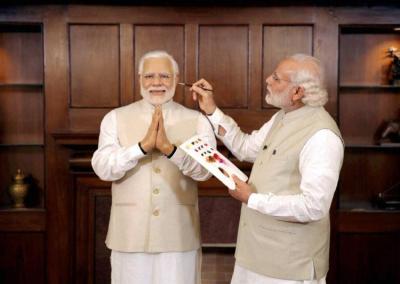
As the crisis of fake degrees blows over I want to be the one to ask the naïve question: Why would Narendra Modi lie? I know it is a naïve question because lies are the most banal political strategy ever. There is a man in US today who repeatedly states that he will make the Mexican government pay for a beautiful, great wall on the border of US and Mexico and people believe him with a degree of sincerity that is frightening. In 2014, at least 31 percent of eligible Indian voters believed in Modi’s promises of development and some of them still do. There may be some who, at the end of the five years, actually believe that Modi has delivered on those promises. But such lies are different. My question is simply: why would he lie on an affidavit which functions as a legally-binding oath?

In his previous election affidavit filed for 2012 Gujarat elections he had left the spouse’s name column empty but following ‘strict legal advice’ he agreed to mention his wife’s name on the affidavit filed for Lok Sabha elections. Technically he had withheld information in previous affidavits which amounts to a legal offence since he had not filed his papers to ‘the best of his knowledge’ but this is not the same as actively lying as it now turns out could be the case with his educational qualifications. Legal experts will determine what is tantamount to punishable crime but if Modi did have legal counsel, who advised him to “come clean on the marriage” as this Times of India article states, why would he continue to provide inaccurate information on other aspects of life?

One speculative answer could be that he knew he was being closely watched as he made his bid for the PM’s post and that his papers would be scrutinised and compared with previous drafts. So it made sense to remain consistent with some of the information even though he had obviously been cornered on the question of his marital status. And yet, as the story of how Modi came to acknowledge the existence of his wife Jashodaben proves, if he had to reveal inconsistencies in previous records, 2014 would have been the best time to do this. No amount of exposés could have hurt the man at that time – his bhakt army, on and offline, on Twitter, were efficiently managing the show and could provide a useful media spin/misdirection to take the focus away from the affidavit that declared to the world that Jashodaben’s repeated claims regarding her marriage and abandonment were not unfounded. Even as the Gujarat Congress urged the state Election Commission, unsuccessfully, to reject his application on the grounds that he had not provided information regarding his spouse’s assets or PAN card number, Modi cruised to victory since his deliberate inconsistencies seem to matter very little to voters.

At that point Modi, indeed, seemed invincible. He was giving explosive speeches and deftly avoiding uncomfortable questions from journalists. In an interview with Rajdeep Sardesai, Modi replied to an indirect question on 2002 with this classic deflection tactic: “My best wishes are with you, Rajdeep Sardesai. You have been living off this issue for the last 10 years … I have heard that those who curse Modi get Rajya Sabha seats or Padma awards. So you have my best wishes to continue this campaign (against Modi) and reach Rajya Sabha or win Padma awards with help of your friends.” What was apparent in the interview is now widely acknowledged as the process of constructing a larger-than-life image, where the man referred to himself in third person. Continue reading Degrees of Self-Deception: Rama Srinivasan

But She was a Law Student …


In a way that is perhaps unprecedented, today, a very large number of Malayalis feel connected to each other by a veritable tsunami of pain. No wonder perhaps, because the veils of our complacency have been ripped off too thoroughly. The immediate context is the gruesome murder of a young Dalit student in central Kerala, in the tiny, rickety squatter-shack that was her home, in full daylight.

At a single stroke, the incident fully exposed the dimensions of social exclusion in contemporary Kerala. Hers was an all-woman family among families deemed ‘properly gendered’, they were lower caste people trapped and isolated among upper and middle caste families, they were the working-class poor without property in an area full of propertied domestic-oriented bourgeois and petty-bourgeois families. Oppressed in all these ways, they were invisible to the state and the political parties. They possessed no form of capital that would have allowed them upward mobility. Yet, the young woman struggled on and reached the law college.

‘But she went to college’, some ask, ‘how could she have been so helpless?’

Read the rest of the article here 


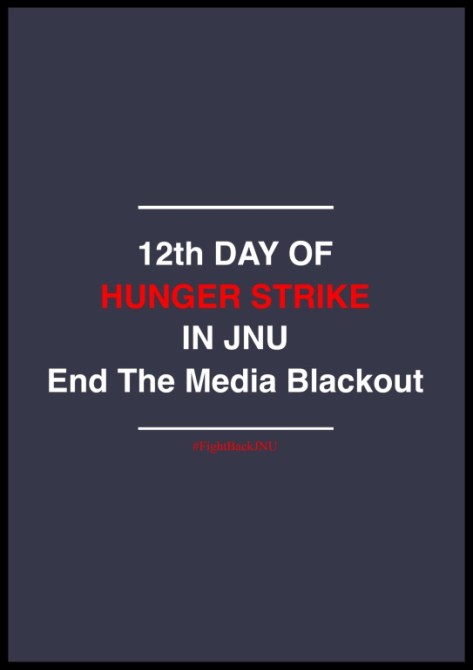
JNU Hunger Strike Day 12 : Game On – Students 1, Media, Authorities 0

The JNU Students’ Hunger Strike Enters Day 12. Ketone counts go up, Weight goes down, Morale stays miles high. Media fatigue shows that crusading news anchors are no match to hunger striking students when it comes to stamina, and, may we say, courage. The university authorities, the JNU VC and his gang, the government, the RSS-ABVP, remain what they are – losers.

(Images taken, with thanks, from the ‘We are JNU‘ Facebook Page, and the ‘Mothers Stand with JNU‘ Facebook Page.)

This slideshow requires JavaScript.

MEANWHILE, RADIOSILENCE CONTINUES (BESIDES RAVISH KUMAR’S SHOW) ON MAINSTREAM MEDIA

13177661_10153973732855546_8091436192653453340_n

This slideshow requires JavaScript.