Category Archives: Culture

रौशनी के बीज बोने का माददा – ‘अंधविश्वास उन्मूलन’ पुस्तकत्रयी के बहाने चन्द बातें 


(‘पहल’ के आगामी अंक हेतु )

Andhavishwas Unmoolan : Vichar - 1

1.

स्मशान में कवि सम्मेलन और वह भी अमावस की पूरी रात।

पिछले साल के अन्त में पुणे से आयी इस ख़बर की तरफ बहुत कम लोगों का ध्यान गया था। ( देखें इंडियन एक्स्प्रेस 14 नवम्बर 2015) उधर शहर में लोग दीपावली मना रहे थे और वहां सैकड़ों की तादाद मंे एकत्रित लोगों के बीच कविताएं पढ़ी जा रही थीं, एक कविता संग्रह का विमोचन भी हो रहा था, कुछ सांस्कृतिक  समूह भी बीच बीच में अपनी प्रस्तुतियां दे रहे थे। पुणे के उपनगर बोपोडी की स्मशानभूमि का परिसर उस अलग ढंग के कार्यक्रम का गवाह बना था।

‘अमावस्या की पवित्र रात में स्मशान में कवि सम्मेलन’ शीर्षक से आयोजित इस कार्यक्रम के मुख्य आयोजक थे , महाराष्ट्र अंधश्रद्धा निर्मूलन समिति – जिसके निर्माण में शहीद विचारक डा नरेन्द्र दाभोलकर ने पहल ली थी – तथा सिद्धार्थ संघ और सिद्धार्थ महिला संघ। समिति के सदस्यों द्वारा गाया एक गीत काफी चर्चित हुआ, जिसके बोल थे ‘बो रहे हैं हम प्रकाश बीज’। भूतों-प्रेतों के ‘अस्तित्व’ या उनके ‘विचरण’ को लेकर समाज में व्याप्त भ्रांत धारणाओं को चुनौती देने के लिए अंधश्रद्धा निर्मूलन समिति के बैनर तले आयोजित इस कार्यक्रम ने बरबस कुछ समय पहले कर्नाटक के बेलागावी सिटी कार्पोरेशन के अन्तर्गत आते वैंकुंठ धाम स्मशान में हुए एक अन्य आयोजन की याद ताजा कर दी थी,  जहां कर्नाटक के उत्पादनशुल्क/एक्साईज मंत्राी जनाब सतीश जरकीहोली ने सैकड़ों लोगों के साथ वहीं रात बीतायी थी अंौर वहां भोजन भी किया था। याद रहे कि महाराष्ट्र की तर्ज पर कर्नाटक विधानसभा में अंधश्रद्धा विरोधी बिल लाने में अत्यधिक सक्रिय रहे मंत्राीमहोदय दरअसल लोगों के मन में व्याप्त इस मिथक को दूर करना चाहते थे कि ऐसे स्थानों पर ‘भूत निवास’ करते हैं। Continue reading रौशनी के बीज बोने का माददा – ‘अंधविश्वास उन्मूलन’ पुस्तकत्रयी के बहाने चन्द बातें 

Ashley Tellis ko Gussa Kyun Aata Hai? What makes Ashley Tellis so Angry: Pallavi Paul

Guest Post by Pallavi Paul.

[ This is a response by Pallavi Paul to a post by Ashley Tellis titled ‘Indians are racist, but Africans are not nice either’ that was published recently on the Daily O]

Let me, at the outset state that I feel almost bad taking on such a soft target . I say soft because there is nothing redeemable about Ashley Tellis’ hatred towards ‘dangerous’, ‘morally corrupt’, ‘threatening’ and most importantly ‘unfriendly’ Africans. However, because we are dealing with someone who stakes claim in political-critical thought (or so I am told), this is important to do.

While Tellis cursorily signposts the odd murder and some statements made by a few ministers, he dedicates the rest of the article to creating a portrait of these “Africans” (an all subsuming term that can accommodate an entire continent). By having been a resident of Kishangarh, a colony in Delhi where some ‘Africans’ also happen to live, he takes on the role of the expert in ‘African’ behavior. He produces eye witness accounts of the depravity of these people.

Continue reading Ashley Tellis ko Gussa Kyun Aata Hai? What makes Ashley Tellis so Angry: Pallavi Paul

On the Need for Obscene and Offensive Humour: Rohit Revi

This is a guest post by ROHIT REVI

Tanmay Bhat, popular Stand Up Comic, recently released a video on the popular social networking platform SnapChat, imitating Sachin Tendulkar, the popular cricketer, and Lata Mangeshkar, the popular Musician. He called it ‘Sachin vs Lata Civil War’, where the two figures argue over who the better cricketer is, Tendulkar or Kohli. It was almost immediately picked by right-winged political groups, such as the BJP and the MNS, and over the course of the day, the few seconds long video became about ‘Tanmay vs Indian Culture’, ‘Comedians vs The Nation’ and so on. Mumbai Police consulted legal experts, in the meanwhile asking YouTube and Facebook to take the video down. The mainstream media, held hour long debates in relation to the video, and those who tuned in heard about ‘drawing lines’ and ‘crossing boundaries’, amidst drowning shrieks on, again, what ‘our’ culture is and what it is not. As customary, MNS Leader Ameya Kopkar, issued a quick threat to assault him, if he ever appeared in public. Sunil Pal, the comedian, called the young brand of comedians of which Tanmay is a part, a group “filled with lesbians and gays”. An effigy was burnt.

This article is not about whether the video was funny or not. It is about a certain brand of offensive humour and the need for it. Continue reading On the Need for Obscene and Offensive Humour: Rohit Revi

Ambedkar Cannot be Adopted or Appropriated by Hindutva: K Satyanarayana

Transcript and translation of lecture  by Prof. K.SATYANARAYANA, speaking at the launch of book, Ambedkar Can Neither Be Adopted Nor Appropriated by The Hindutva Elements. The book, authored by Bojja Tharakkam, K. Satyanarayana, K. Laxminarayana and K. Y. Ratnam. It was launched in Hyderabad in July last year and is a reply to RSS’ Organiser special edition on Ambedkar. The text and video of the original Telugu lecture received by us via DALIT CAMERA.

All the friends who gave me this opportunity, to the many Ambedkarites present in this hall and to the very senior members, activists and intellectuals, I thank you all. After Anand Teltumbde has spoken, there isn’t much left to speak because he covered all the information in this book and also described completely about a lot of aspects about Maharashtra, about Ambedkar’s like and his work. Therefore there might not be much new information in my speech, but while writing this book, the distortions they made, or the attempts of RSS in relation to Ambedkar, as there is a need for historical context, I will speak about some of those issues. Firstly what Respected Mr. Tarakam has said is, to read some of the names of essays in the Organiser as the book is not available to everybody. When this book Organiser came out, generally RSS-BJP, when they talk about Ambedkar or about Babri-masjid, what we think is that they speak lies, false words, and mistruths and therefore there isn’t any danger as nobody will believe in their load of rubbish and lies. We think that way and if people understand the lies and if they don’t follow those words, there is no danger, but with this same type of propaganda, they completely changed the normal common-sense of the people and today Modi, as a K.D (drawn from an old colonial police/ legal category, it has become a Telugu expression that suggests a person with undesirable traits), as our brother has sung, is sitting in power.

Continue reading Ambedkar Cannot be Adopted or Appropriated by Hindutva: K Satyanarayana

लाइब्रेरी २४ घंटे खोलने की मांग पर बीएचयू छात्रों को मिला निलम्बन और जेल: अमरदीप सिंह

अतिथि पोस्ट: अमरदीप सिंह 

एक ओर जहाँ हमारे प्रधानमंत्री माननीय नरेन्द्र मोदी जी डिजिटल इंडिया की बात करते हुए देश के गाँव गाँव मे WI-FI लगाने की बात कर रहे है और साथ ही वाराणसी के  घाटो  का भी WiFi करण हो रहा है वही उनके  संसदीय क्षेत्र  के इतने बड़े सेंट्रल यूनिवर्सिटी  “काशी  हिन्दू  विश्वविद्यालय” के छात्र  इंटरनेट ,लाइब्रेरी और अन्य पढ़ाई के मूलभूत सुविधाओं  से वंचित है  । वर्तमान समय मे उच्च स्तरीय शिक्षा के लिए  इंटरनेट की उपलब्धता को नकारा नहीं जा सकता।

मामला साइबर लाइब्रेरी का है जो पहले 24 घंटे खुलती थी लेकिन नए वाईस चांसलर गिरीश चन्द्र त्रिपाठी के आने के बाद यह मात्र 15 घंटे के लिए खोला  जाने लगा (सुबह 8 से रात्रि 11बजे तक ) । आपको बता दे की BHU के 60 प्रतिशत  से अधिक छात्र विश्वविद्यालय के बाहर  रहते है जहां बिजली की एक बड़ी समस्या रहती है । बाहरी छात्रों के इस समस्या के समाधान के लिए साइबर लाइब्रेरी खोली गई थी जिसमे छात्र वातानुकूलित स्थान पर  इंटरनेट व कंप्यूटर की सुविधा के साथ अपना पठन पाठन का कार्य कर सकते है । परीक्षा के दिनो में इसकी जरुरत और बढ़ जाती है|

13262321_713126608789808_531771798_o

वाईस चांसलर का सम्बधित मामले में  कहना है की जब वे पढ़ा करते थे तो सब  सुविधाएं नहीं थी ,उनके क्लासरूम में AC  नहीं था न ही कंप्यूटर की सुविधा थी, फिर भी वे पढ़े । उन्होंने जोड़ते हुए यह भी कहा की स्नातक के छात्रों को लाइब्रेरी की क्या जरूरत  और आउट ऑफ सिलेबस पढ़ने  की क्या जरुरत है ।यहाँ जानकारी के लिए बता दे की आउट ऑफ सिलेबस न पढ़ने  की सलाह देने वाले कुलपति महोदय इकोनॉमिक्स के अध्यापक रहते हुए “शिव तेरे कितने रूप ” और ” मृत्यु के बाद क्या ?” के लेखक रह चुके है ।छात्र प्रतिनिधिमंडल 500 से अधिक छात्रों द्वारा हस्ताक्षर किये गए पत्र को लेकर कुलपति महोदय से मिले लेकिन कुलपति महोदय के बातचीत का लहजा एक गुरु-शिष्य की बातचीत से कोसों दूर था, साथ ही उन्होंने स्ट्रीट लाइट में पढ़ने की सलाह दी तथा आंदोलन करने पर विश्वविद्यालय से बाहर  फेंकने की धमकी भी दी ।

विश्वविद्यालय द्वारा लाठी ,डंडे  के  दम  पर लाइब्रेरी  से जबरदस्ती निकाले जाने के कारण  छात्र स्ट्रीट लाइट के नीचे पढ़ अपना विरोध दर्ज़ करा रहे थे।  छात्र रोज रात को लाइब्रेरी के मैदान अथवा स्ट्रीट लाइट पर पढाई कर रहे थे परन्तु रात को प्रॉक्टोरियल बोर्ड द्वारा छात्रों को बेवजह परेशान किया गया और छात्रों के आईकार्ड छीने गए एवं पीटा गया। यहाँ तक की साइबर लाइब्रेरी 24 घंटे कराने  के लिए  गाँधीवादी तरीके से रात कैंपस में पढाई कर अपने हक़ की आवाज़ को उठा रहे छात्रों में से २ छात्रों शांतनु सिंह गौर (सोशल साइंस द्वितीय वर्ष  छात्र) और विकास सिंह ( पोलिटिकल साइंस शोध छात्र  ) को कारण  बताओ नोटिस जारी  कर दिया ।

इसी क्रम में छात्रों ने  प्रधानमंत्री कार्यालय के स्ट्रीट लाइट के नीचे बैठ कर प्रतिनात्मक पढ़ाई की साथ ही  दिनांक 16.05.2016 को प्रधानमंत्री, राष्ट्रपति, एमएचआरडी, इत्यादि मंत्रालयों को इस सम्बन्ध में सूचना दी गयी लेकिन प्रशासन के कान पर ज़ू तक नहीं रेंगी । पिछले 17 दिनों से स्ट्रीट लाइट में पढ़ने  को विवश  BHU छात्र  विश्वविद्यालय प्रशासन के उदासीन तथा तानाशाहीपूर्ण रवैये के कारण निराश और हताश  होकर  दिनांक 18.05. 2016 से छात्र अनिश्चितकालीन भूख हड़ताल में बैठने को मज़बूर हुए ।

विद्यार्थी सत्याग्रह के नाम से शुरू इस आंदोलन के दूसरे दिन चीफ प्रॉक्टर समेत आला अधिकारियो का एक दल अपील समेत मिला जिसमे अनशन जारी  रखने पर अनुशासनात्मक करवाई की धमकी और एक कमेटी गठन की बात थी ।

कमेटी के रिपोर्ट आने  और कौन से प्रोफेसर को कमेटी मेंबर बनाया गया है सम्बंधित कोई भी सुचना छात्रों को नहीं दिया  गया यहाँ तक की कमेटी  में छात्रों को शामिल करना तो दूर उन्होंने छात्रों का सुझाव , सलाह तक नहीं लिया |

BHU प्रशासन ने  क्रूर आमनवीय व्यव्हार प्रदर्शित करते हुए आंदोलन स्थल पर उपलब्ध पानी ,बिजली,और शौचालय की सुविधा बंद कर दी । BHU  प्रशासन आंदोलन को कमज़ोर करने के लिए अनशनरत छात्रों के घर पर फ़ोन कर परिवारजनों को डरा धमकाने का काम भी शुरू कर दिया । छात्रों को निष्काषित करने , करियर बर्बाद करने , जेल भिजवाने , उठा लेने आदि  की  धमकियां दिया जाने लगा ।

“आपका लड़का भूख हड़ताल पर है और मरने वाला है “। “आप हमारे बिरादरी के है इसलिए चेता रहे है नहीं तो अब तक आपका लड़का जेल में होता“  आदि ये प्रॉक्टोरियल बोर्ड के शब्द परिवारजनों के साथ  फ़ोन वार्ता पर थे  |

यहाँ तक की मेरे  परिवार को बुलाया गया और तमाम मानसिक दबाव बना आंदोलन छोड़ने और आगे से किसी आंदोलन में भागी न होने का मुझसे लिखित लेने में वे सफल भी रहे । मुझे मेरे परिवार के सामने जलील किया गया । दाड़ी की तरफ इशारा करते हुए वाईस चांसलर ने कहा की ये लड़कियों के दुप्पटा खींचने और छेड़ने वालो की तरह दिख रहा है । आप का लड़का रात में पोर्न देखता है और इसे आंदोलन करने के लिए पैसे भी मिल रहे है ।  मेरे कहने पर की  आरोप साबित होने पर में खुद निष्कासन लिखने कर देने को तैयार हुँ , वाईस चांसलर ने कुतर्की और बहुत बोलने वाला कह बात दूसरी ओर मोड़ दी । मेरे परिवार ने दबाव में यह कहा की अगर वाईस चांसलर को लगता  है की तुम्हारे हटने से आंदोलन टूट जायेगा तो लिख कर दे दो क्योकिं यह आंदोलन एक छात्र का नहीं है न ही समस्या किसी व्यक्ति विशेष की है ,  इसमें सभी छात्रों की भागीदारी होने चाहिए , सिर्फ एक की नहीं ।

मेरे आन्दोलन छोड़ने की सुचना पर 10 भूख हड़ताली छात्रों की संख्या 22 हो गयी । यहाँ छात्र एकता की अनूठी मिशल दिखी । कमेटी ने अपनी रिपोर्ट में लाइब्रेरी की मांग को मनोरंजन और आराम का हवाला देते हुए प्रतिबंधित साइट देखने की भी बात कही । कमाल  की बात है की जब साइट प्रतिबंधित है तो छात्रों खोल कैसे लेते  है ??? और अगर छात्र खोल भी लेते है तो यह एक प्रशासनिक विफलता है  जिस पर प्रशासन को अपने सुरक्षा कर्मियों पर करवाई करनी चाहिए । मंदिर के बाहर से चप्पल चोरी होने पर चोर को दण्डित किया जाता है न की मंदिर बंद किया जाता है । कमेटी ने रात्रि में  छात्राओं का पढ़ना अव्यवहारिक बताया है । उसी दिन देर रात वाईस चांसलर ने अपने स्पेशल पावर का इस्तेमाल करते हुए 9 छात्रों को निलम्बित कर दिया । इससे ज्यादा दमनात्मक रवैया और क्या हो सकता है की पढ़ाई की मांग और शांति तरीके से खुद को पीड़ा देने वाले अनशनरत छात्रों को आगमी वर्ष समेत वर्तमान परीक्षा, हॉस्टल आदि सभी सुविधाओं से वंचित कर दिया ।

2 दिन बाद अनशन के 10वे दिन रात 12 :30  पर BHU की स्ट्रीट लाइट बंद कर दी गई । BHU  के आसपास के सारे मार्केट बंद करा दिए गए और वाराणसी के16 थानों की पुलिस की मदद से अनशनरत  12 भूखे छात्रों को गिरफ़्तार कर लिया गया वह भी उस समय जब छात्र सो रहे थे । शायद  भारतीय इतिहास में यह पहली बार हुआ होगा की पढाई के लिए लाइब्रेरी की मांग पर छात्रों को 10दिन अनशन करना पड़ा और इतने क्रूर तरीके से गिरफ्तार कर लिया गया हो । गिरफ़्तारी के समय पुलिस की संख्या हज़ारो में थी जैसे किसी आतंकवादी को पकड़ने आये हो । मेने अपने जीवनकाल में पुलिस को इतनी सतर्कता बरतते पहले कभी नहीं देखा ।

पुलिस ने रात भर अलग अलग तरीको से मानसिक दबाव बना कर अनशन तुड़वाने  की भी कोशिश की । अगले दिन दिनाक 26 को दोपहर में छात्रों को 5000रु  के निजी मुचलके पर छोड़ा गया । तबियत ख़राब होने पर छात्रों को BHU अस्पताल में भर्ती कराया गया । आंदोलनरत  छात्रों ने आपसी सहमति से गिरते  स्वास्थ को देखते हुए अनशन 72  घंटे के लिए स्थगित  करने का फैसला किया । छात्रों का कहना है की यह आंदोलन खत्म नहीं हुआ बल्कि यहाँ से शुरू  हुआ है , हम स्वस्थ हो कर फिर आएंगे और देश भर के सभी छात्र नेताओं,प्रोफेसर ,बुद्धजीवियों ,सामाजिक कार्यकर्ताओ से यह अपील करेंगे की वह पढ़ाई के लिए हमारे इस आंदोलन के समर्थन में खड़े हो । आज का छात्र पढ़ना चाहता है , वह किसी भी प्रकार का शोषण तथा दमन बर्दाश्त नहीं करेगा ।

अमरदीप सिंह बी.एच.यू  के छात्र है

Condemn the Attack on Kancha Ilaiah for asking, ‘Is God a democrat?’

[We at Kafila condemn the repeated  attacks on scholar activist Professor Kancha Ilaiah by the Hindu Right and  the recent case registered against him by the Hyderabad police. According to a Times of India report, Ilaiah had on May 14 delivered a lecture in Vijayawada in a programme entitled `Nationalism and Divergent Views’ organised by CITU where he reportedly criticised Hindu gods and scriptures, according to the police. Following this an advocate filed a private petition in the court of the XI Metropolitan Magistrate court, Ranga Reddy , requesting to register an FIR under relevant sections of IPC. The court directed cops to register a case under sections 295 A (deliberate and malicious acts, intended to outrage religious feelings of any class by insulting its religion or religious beliefs),153 A (promoting enmity between different groups on grounds of religion) and 298 (uttering, words, etc. with deliberate intent to wound the religious feelings of any person) of IPC.”

Earlier, last year the  VHP had initiated a campaign against him which was followed by the filing of a case against him by the Hyderabad police. That was in relation to an article Kancha Ilaiah had written, asking ‘Is God a Democrat?’ The story by Ajaz Ashraf from Scroll.in linked below refers to last year’s case but due to an inadvertent mix-up, was initially extracted by us as the one in the eye of the current controversy. The error is seriously regretted and we thank one of our readers for pointing this out. The Times of India report linked to above gives refers to the speech that is currently in the eye of the storm.

Professor Ilaiah has now himself described the current attacks on him in this piece in Scroll.in, where he signs his article as Kancha Ilaiah Shepherd, recalling his caste name (translated into English, in order to mark his distance from the brahmans).

The attacks on  Professor Ilaiah are totally unacceptable. We have all read and long admired his writings. Many of us have hugely benefited and learnt a lot from them. The time has come for us to collectively put our heads together and fight this menace of Hindutva, which after hurting every living being’s dignity and sentiments, has now begun claim to be the perpetual and universal victim. Dalits today cannot speak of the indignities and oppression that they have suffered at the hands of the Hindus – even that has become a matter of ‘hurt sentiments’. The response has to be worked out politically and intellectually so that the law is not repeatedly turned into a surrogate of Hindutva politics.]

The Hyderabad police have registered a case against renowned social scientist Kancha Ilaiah, after Vishwa Hindu Parishad activists complained that an opinion piece he wrote in the Telugu newspaper Andhra Jyothi had hurt their religious sentiments.

They filed their complaint at Hyderabad’s Sultan Bazar Station was filed on May 9, the day Ilaiah’s article titled Devudu Prajasamya Vada Kada? (Is God a democrat?) was published.

VHP activists Pagudakula Balaswamy, Thirupathi Naik and two others accused Ilaiah of comparing Hinduism with Islam and Christianity, insulting Hindu Gods by comparing them to mortals, mocking their worship, and for attempting to trigger clashes between upper and lower classes (by which they presumably meant castes).

On the basis of their complaint, Inspector P. Shiva Shankar Rao wrote a letter to the Senior Assistant Public Prosecutor, who advised the police to register a case under Section 153 (A) and Section 295 (A), which empower the authorities to act against people who commit deliberate and malicious acts aiming at outraging religious sentiment and spreading enmity between groups.

Case under investigation

The public prosecutor’s legal opinion led to a case being filed on May 15 against Ilaiah, the management of the Andhra Jyothi newspaper, its editor and publisher. The case is currently under investigation, at the completion of which a decision will be taken to whether to chargesheet them.

A police officer at the station told Scroll that Ilaiah is in the habit of articulating provocative views in his articles, which can and do hurt the sentiments of people. “Why does he have to make comments against practices which are dear to people?” the officer said, declining to give his name.

Read the full article here

Public Burdens of Religion and the Lightness of Atheism : Sanjay Kumar

Guest Post by Sanjay Kumar

Death evokes strongest of human emotions. However, exploring and finding reasons behind a death is also part of our humanity. Legal codes in all countries demand criminal investigations of deaths due to the so called ‘unnatural’ causes. Medical sciences have advanced largely due to explorations of the other, ‘natural’ causes of death. Deaths due to completely avoidable reasons fall in a category of their own. How a society deals with such deaths is a good indicator of how it treats its living.

One hundred and eight people died in an explosion during a fire cracker festival in a temple in Kollam, Kerala on 10th April. According to reports, the district administration had not given permission for the event, citing hazards of firing crackers close to a densely populated area, and the fact that the fire cracking festivities were actually in the form of a competition. Yet, pressure from the powerful temple trust meant that the programme was held amid full police presence. The accident happened in one of the better governed states of India, which also boasts of a vigilant citizenry. Continue reading Public Burdens of Religion and the Lightness of Atheism : Sanjay Kumar

How We Destroy our Future by Proxy – On The Ruination of Ruins: Rahul Sharma

This is a guest post by RAHUL SHARMA

humayun-1-2

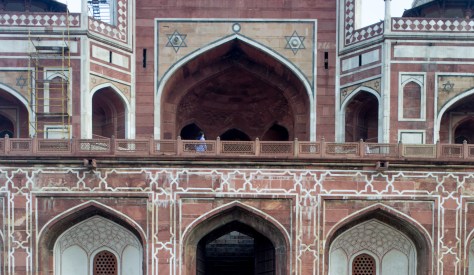
Why do we, if at all we do, really care about our material cultural heritage? Is it because it reminds us of what was, and is, good and great in humanity? Or is it the case that we look at a cultural objet and recognise that it is the Ozymandias complex materialized, that even the great and the mighty fail? Or is it that we may never attain the great heights in purity, simplicity, or other qualities we idolize and project on the remnants of the times past?

Or maybe we just want the tourism dollars and euros. Be that as it may, only someone obtuse, or with exaggerated tendency towards the behavior philistine, would say that our cultural heritage, our miniature paintings, our ruins, our tombs, forts, wall paintings, temples, mosques , books, manuscripts, and other things this essay is too short to quantify, are not worth preserving. Also note here that I said we, because we might be a bunch of separate kingdoms and separate principalities earlier, but deep down, we were one people, separated by religion and language, but united (willingly or unwillingly), by the plain and simple fact that you can’t chose your neighbor.

Continue reading How We Destroy our Future by Proxy – On The Ruination of Ruins: Rahul Sharma

कुल्हाडी की छाया में उम्मीद

‘शब्द हिरासत में हैं और हत्यारे खुलेआम घुम रहे हैं’

( Photo Courtesy : freethinker.co.uk, Martyr Rajib Haider who was killed by the Islamists on 15 th February 2013)

आम दिनों में ऐसे बयानों पर कोई गौर नहीं करता, मगर एक ऐसे समय में जबकि आप के कई साथी इस्लामिस्टों के हाथों मारे गए हों और उनके द्वारा जारी हिट लिस्ट में आप का नाम भी शुमार हो और उधर अपने आप को सेक्युलर कहलानेवाली सरकार भी  इन आततायियों के खिलाफ सख्त कदम उठाएगी ऐसी कोई उम्मीद नहीं दिखती तो, उस पृष्ठ भूमि में तीन ब्लागर्स द्वारा अपना नाम लेकर जारी किया गया एक बयान विद्रोह की आवाज़ को नए सिरेसे बुलन्द करना है। (http://sacw.net/article12741.html)

कुल्हाडी की छाया में उम्मीद’ यही शीर्षक है उस पत्र का जो बांगलादेश के युवा ब्लॉगर और लेखक आरिफ जेबतिक ने लिखा है। सरकार की समझौतापरस्ती की आलोचना करते हुए वह लिखते हैं कि ‘जब किसी नागरिक की हत्या होती है और राज्य की प्राथमिकता होती है कि पहले यह पता किया जाए कि उसने लिखा क्या न कि हत्यारों को पकड़ा जाए, तब स्पष्ट होता है कि इन ब्लागर्स के हत्यारों को पकड़ने में सरकार की कितनी दिलचस्पी है।’ ‘मेरे विचार चुपचाप रोते हैं’ शीर्षक से एक अन्य पत्र मारूफ रोसूल ने भी लिखा है जो लेखक हैं और ‘मुक्तो मोना’ (Mukto Mona ) नामक ब्लॉग के लिए नियमित लिखते हैं। वह लिखते हैं कि बुनियादपरस्त लोग पूरी दुनिया में उत्पात मचाए हुए हैं, अभिव्यक्ति की स्वतंत्रता, मुक्त चिंतन सभी खतरे में है और इसलिए यह संघर्ष अनथक जारी रहना चाहिए, इसके पहले कि यह शैतानी ताकतें हमारी स्वतंत्रता में एक और कील न ठोंक दे।’ तीसरा पत्र जानेमाने ब्लागर एवं कार्यकर्ता इमरान सरकार ने लिखा है जो ‘बांगलादेश ब्लागर्स एण्ड आनलाइन एक्टिविस्ट नेटवर्क‘ के अग्रणी हैं तथा, ‘गणजागरण मंच‘ जैसे सेक्युलर आन्दोलन के प्रवक्ता हैं। इमरान सरकार लिखते हैं कि ‘शब्द हिरासत में हैं और हत्यारे खुलेआम घुम रहे हैं।’ ..हत्यारे मुक्त चिन्तन के रास्ते में एक के बाद एक बैरिकेड खड़े कर रहे हैं। एक एक सहयोद्धा की मौत के साथ उनके शोक में निकले जुलसों में लोगों की तादाद बढ़ रही है और सरकार हत्यारों को पकड़ने के बजाय ब्लागर्स के लेखन पर ही सवाल खड़ा कर रही है और सूचना एवं सम्प्रेषण टेक्नोलोजी की धारा 57 का इस्तेमाल करते हुए ब्लागर्स को ही गिरफतार कर रही है।’ Continue reading कुल्हाडी की छाया में उम्मीद

माँ, तुझे सलाम! कविता कृष्णन

अतिथि पोस्ट : कविता कृष्णन

“Scout,” said Atticus, “nigger-lover is just one of those terms that don’t mean anything—like snot-nose. It’s hard to explain—ignorant, trashy people use it when they think somebody’s favoring Negroes over and above themselves. It’s slipped into usage with some people like ourselves, when they want a common, ugly term to label somebody.”

“You aren’t really a nigger-lover, then, are you?”

“I certainly am. I do my best to love everybody… I’m hard put, sometimes—baby, it’s never an insult to be called what somebody thinks is a bad name. It just shows you how poor that person is, it doesn’t hurt you.” (To Kill A Mockingbird, Chapter 11)

‘Now, there is a long and honourable tradition in the gay community and it has stood us in good stead for a very long time. When somebody calls you a name – you take it. And you own it.’ (Pride, 2014)

‘टू किल अ मॉकिंगबर्ड’ उपन्यास 1950 के दशक के अमेरिका के दक्षिणी राज्यों में नस्लवाद की कहानी है. उसमें एक वकील जिनका नाम एटिकस है, एक काले नस्ल के आदमी की पैरवी करते हैं जिस पर बलात्कार का गलत आरोप लगाया गया है. एटिकस की 8 साल की बेटी स्कौट कहती है की गाँव के लोग कह रहे हैं कि मेरे पिताजी ‘हब्शी-प्रेमी’ है. वह पूछती है कि इसका क्या अर्थ है, सुनकर लगता है कोई गाली है, जैसे किसी ने मुझे ‘बन्दर’ कहा हो, पर इसका क्या मतलब है?

Continue reading माँ, तुझे सलाम! कविता कृष्णन

Choice, Agency and the Naming of Names – The Trap of ‘Immediate Identities’ and the Vision of a Democratic Revolution: Chintu Kumari & Umar Khalid

Paired Guest Posts by CHINTU KUMARI and UMAR KHALID

[ Every struggle goes through highs and lows. The students who are part of the  movements that are spreading out of universities in India – Hyderabad Central University, Jawaharlal Nehru University and Jadavpur University have had their share of internal debates and disagreements, even as they have found moments of significant victory. and solidarity

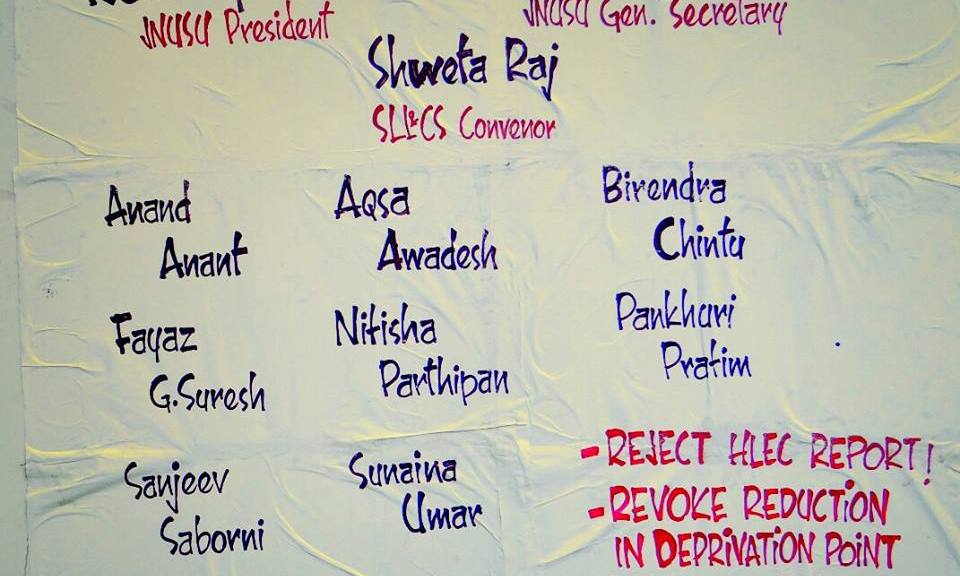
Students at JNU who have recently concluded their hunger strike to give time to the university authorities to respond reasonably to the High Court directives on the HLEC punishments are now being criticized for having ‘abandoned the struggle’ by some sections who claim to play a role within the broader students movement, when, in fact, nothing of that sort has actually happened.

The majority of the students who were on hunger strike (including several JNUSU office bearers, and others) have said that they have given up the hunger strike against the HLEC recommendations in keeping with the court order.  In doing so, they have never said that they are suspending the agitation against the attempts by the JNU administration to weaken OBC reservation in admissions, hostel seats and deprivation points for women and oppressed sections of society.

In fact it is not as if the HLEC punishments issue has taken precedence over the other issues. It is actually the other way round. The students have decided to give priority to the struggle for ’social justice’ within the campus, while simultaneously giving time to the university authorities to respond adequately to the court directive on the HLEC punishment question.The call for a demonstration against the University Authorities by the JNUSU to continue the struggle on the social justice issues on the 16th of May is indicative of this fact.

13237814_1106943902682435_4288761213192298400_n

The attacks and insinuations against the majority of the students at JNU who were on hunger strike have also featured a deliberate attempt to create divisions within the unified ‘Red-Blue’ / ‘Jai Bhim-Lal Salaam’ dynamics of the movement on the grounds of identity. Activists, such as Umar Khalid, on the left have been singled out for being ‘Savarna-Syed’, if they happen to bear a Muslim name, and for being ‘sold out to the Savarna left’ if they are Dalit, as happened with Chintu Kumari and Rama Naga. This attack has come primarily from individuals representing organizations like BAPSA that claim to speak from a ‘Dalit’ position, and it is given traction by several other individuals eager to flaunt their disdain for the ‘left’ students on Facebook and social media.  Continue reading Choice, Agency and the Naming of Names – The Trap of ‘Immediate Identities’ and the Vision of a Democratic Revolution: Chintu Kumari & Umar Khalid

बेहद पोंगापंथी और जातिवादी हैं प्रवासी भारतीय

आम धारणा है कि एक भारतीय विदेश की सरजमीन पर पैर रखते ही जेंटलमैन बन जाता है। वह सभ्यता के नए मूल्यों से परिचित होता है, अपने देश की तमाम रूढ़ियों से नाता तोड़ लेता है और सही मायने में एक आधुनिक व्यक्ति बन जाता है। यह बात एक हद तक ही सही है। कुछ लोगों में भले ही परिवर्तन आ जाता हो पर एक बड़े हिस्से पर शायद उल्टा ही असर होता है। भारत के बाहर जहां-जहां भारतीय बसे हैं, वहां उन्होंने न केवल जाति आधारित संगठनों, संस्थाओं की स्थापना की है बल्कि वहां भी वे निम्न कही जानेवाली जातियों के साथ खुल्लमखुल्ला भेदभाव करने में संकोच नहीं करते। लेकिन उनके चरित्र के दोहरेपन का आलम यह है कि वे चाहते हैं कि ये बातें ढकी-छुपी रहें। वहां के लोग यह सब न जानें।

आजकल अमेरिका के एक बड़े राज्य कैलिफॉर्निया की पाठ्यपुस्तकों में संशोधन चल रहा है। यह एक रूटीन प्रोसेस है जिसके तहत सिलेबस में नए विषय या तथ्य शामिल किए जाते हैं। इस क्रम में वहां सिलेबस में हिंदुओं के बारे में भी कुछ सूचनाएं शामिल की जा रही हैं। लेकिन इस पर विवाद हो गया है कि जानकारियों को किस रूप में रखा जाए। भारतीयों का एक तबका चाहता है कि प्राचीन तथ्यों को नए सिरे से लिखा जाए और हिंदू समाज में मौजूद वर्ण व्यवस्था या छुआछूत की बात को साफ गोल कर दिया जाए। अमेरिका में रह रही दलित ऐक्टिविस्ट थेनमोझि सुंदरराजन ने पिछले दिनों ‘द हफिंग्टन पोस्ट’ में इस संबंध में एक लेख लिखा है जिसके मुताबिक प्रवासी भारतीयों के एक हिस्से में सक्रिय ‘धर्मा सिविलाइजेशन फाउंडेशन’ की तरफ से दलील दी जा रही है कि हिंदुओं में जाति एवं पुरुष सत्ता का जिक्र किया जाएगा तो इससे हिंदू बच्चे ‘हीन भावना’ से ग्रस्त हो जाएंगे। यह उनकी ‘प्रताड़ना’ का सबब बन सकता है, लिहाजा इस उल्लेख को टाल दिया जाए।

सुंदरराजन बताती हैं कि ऊपरी तौर पर आकर्षक लगने वाली यह दलील सच्चाई पर पर्दा डालने जैसी है क्योंकि वही तर्क नस्लवाद के संदर्भ में भी इस्तेमाल किया जा सकता है और किताबों से उसकी चर्चा भी गायब की जा सकती है। लेकिन इन कोशिशों का विरोध भी हो रहा है। विभिन्न धर्मों व नस्लों से जुड़े संगठनों ने एकजुट होकर पाठ्यपुस्तकों में ऐसे हेरफेर की मुहिम पर आपत्ति जताई है। उनका कहना है कि दक्षिण एशिया के इस हिस्से में जातिगत और धार्मिक असहिष्णुता या संस्थागत भेदभाव के प्रसंग को गायब करना न सिर्फ इतिहास को नकारने जैसा है बल्कि यह गैर लोकतांत्रिक भी है। Continue reading बेहद पोंगापंथी और जातिवादी हैं प्रवासी भारतीय

But She was a Law Student …


In a way that is perhaps unprecedented, today, a very large number of Malayalis feel connected to each other by a veritable tsunami of pain. No wonder perhaps, because the veils of our complacency have been ripped off too thoroughly. The immediate context is the gruesome murder of a young Dalit student in central Kerala, in the tiny, rickety squatter-shack that was her home, in full daylight.

At a single stroke, the incident fully exposed the dimensions of social exclusion in contemporary Kerala. Hers was an all-woman family among families deemed ‘properly gendered’, they were lower caste people trapped and isolated among upper and middle caste families, they were the working-class poor without property in an area full of propertied domestic-oriented bourgeois and petty-bourgeois families. Oppressed in all these ways, they were invisible to the state and the political parties. They possessed no form of capital that would have allowed them upward mobility. Yet, the young woman struggled on and reached the law college.

‘But she went to college’, some ask, ‘how could she have been so helpless?’

Read the rest of the article here 


Where are we heading? A Bangladeshi feminist’s reflections: Khushi Kabir

Guest Post by KHUSHI KABIR

Very soon after Professor Rezaul Karim Siddque of Rajshahi Univeristy was hacked to death in the morning of April 23, 2016, I wrote my feelings, my frustrations, my concerns and my fears. From all the information we received, Professor Karim appeared to be a quiet man, a man who was of a peaceful nature, a lover of music and a committed teacher.  As is the case with most Bangalis, he loved music.  Cultural activities were in his bloodstream.  He tried to, or did set up a cultural hub in his home, where he lived, not too far from the University where he taught.  He was not a declared atheist, nor a blogger, not even an armchair or facebook activist.  Not one of the usual argumentative Bangalis, the usual picture of the intellectual.  Not one of those who were in the frontlines of activism, not a talk show star, not one who wrote long opinions and editorials about the state of affairs of the country.  Why would he be killed?

We read from the reports that we get from all the different forms of media that exists, that he was what I often describe as the typical example of a citizen of this land, the kind of people I grew up with, secular in his thinking by encouraging culture, music, playing his favourite sitar, reading books, yet sensitive and responsive to the practice of religion of the people he lived amongst, his family perhaps, certainly his neighbours.  We heard of his large donations to the building of the local mosque as a proof of this perception.  His daughter has been very vehement in stating that he was a believer.  I find it very telling on our current state of affairs that we have to insist that we are all believers.  Why should it matter?  A murder is a murder and a gruesome murder has to be taken in all seriousness no matter what one’s beliefs are or where one stands.  We all grew up learning to sing, dance, play an instrument, and write poetry, recite etc.  Where else do we find that recitation is considered a part of cultural practice, a part of the performing arts?  Was his fault that he embodied this very nature of the Bangali? Was he murdered so brutally simply to be used as an example of what not to be?  Was he simply targeted because he embodied the very spirit of 1952, of 1971 in the quiet nature of his being?

Continue reading Where are we heading? A Bangladeshi feminist’s reflections: Khushi Kabir

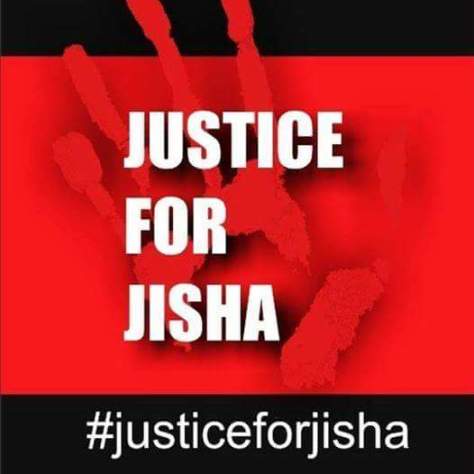
Do Not Rest in Peace, Jisha: Shehla Rashid

Guest Post by Shehla Rashid

(Pictures by Biju Ibrahim)

Dear Jisha, I never knew you, nor did you know me.

You were probably a “usual” student, pursuing your studies, dreaming of a better future for yourself and your country. You were probably someone like Rohith Vemula, who dreamed of stars and skies. I learnt that you were a Law student, but I regret to tell you that the Law of this country fails us miserably.

13133163_10153366003160194_2754795347866060882_n

It is because a Bhanwari Devi does not get justice that Bhagana happens. It’s because no one in Bhagana gets justice that a Delta Meghwal happens. It is because a Delta Meghwal does not get justice that a Jisha happens. And most painfully, I can predict that you may not get justice either.

This is because the Law that you studied is not the law that actually runs this country- this country runs according to a parallel law which is called Manusmriti. It is routinely quoted by judges in their judgments, but perhaps you wouldn’t have studied that in Law school. It is the law of Manusmriti that prescribes limits for women and limits for Dalits.

Continue reading Do Not Rest in Peace, Jisha: Shehla Rashid

‘The queer fight is against Western hegemony, not by its side’: Queer activists of Bangladesh

Received through Meena Seshu

Anindya Hajra, a friend and Queer activist in Kolkata posted this on FB.

The following letter was sent to me very early this morning over WhatsApp by a queer activist friend from Bangladesh with who I have been trying to establish contact over the past few days (and was successful only yesterday) and who wanted this to be shared as widely as possible. They said this letter was a joint one written by many persons, specifically ‘their comrades’. I have kept the original spellings. On asking them as to what this letter should be called if anything at all, they said, “Naam naai” (There is no name). Hence that is how I am sharing this letter – Anindya

“…while the West has hand-picked extremist Islam as its enemy (with the banner of ISIS) – speaking out against the violence of labor practices and money-making in third world nations is not high on their agenda.”

Dear all,

I am writing to you from a rather desperate place in the hope that you will heed my plea. I am sure that this is reaching you because you have posted something or the other about the two murders of the gay activists in Bangladesh. We are all outraged,shaken and deeply saddened by their untimely brutal deaths. Having said that please read this carefully. Let us honor the dead but not forget the living. Please stop circulating any content containing the following, especially if you are from the North America, Europe:

Xulhaz Mannan as the face of the entire LGBT movement

Roopbaan, or any other organization associated with the term “LGBT”

Bangladesh as an islamic fundamentalist country unsafe for secular bloggers, free thinkers or gender deviants.

“Freedom, diversity and tolerance are Bangladeshi values”.

You see, when you sit on powerful land and demand justice from a government, whether you are well-intentioned radical queers or people of color or marginalized activists who want to demand justice alongside us, sharing these contents, or making this news viral will not help right now. Putting pressure on your local/national governments will not help either. However, what will happen is that this will create a false image of an “islamic” fundamentalist country out to kill queers demanding that international wellwishers (read: Europe and USA) come and save them from the brown men. The deviants and queers are hiding but the international call for justice is making it difficult to avoid being visible. Continue reading ‘The queer fight is against Western hegemony, not by its side’: Queer activists of Bangladesh

Diary of a JNU Student on Hunger Strike: Pankhuri Zaheer

Guest Post by Pankhuri Zaheer

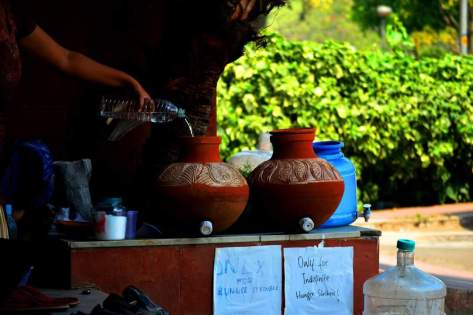
Water - A Gift for Hunger Strikers. Photo Courtesy, Azhar Amim
Water – A Gift for Hunger Strikers. Photo Courtesy, K. Fayaz Ahmed

“I wanted to bring you something but I didn’t know what to get you so I got you a bottle of water,” says a friend who would perhaps never identify herself as a student activist but since 9th February, like many like her, has been an integral part of the stand with JNU movement.

19 of us have decided to sit on an indefinite hunger strike till the time the farcical report of the High Level Enquiry is not rolled backed in its entirety. Today, April 30th, is the third day of our hunger strike.

Continue reading Diary of a JNU Student on Hunger Strike: Pankhuri Zaheer

Sanghis, Sex and University Students – What is it Really All About? Ayesha Kidwai

Guest Post by Ayesha Kidwai

[ The prurient fantasies contained in the ‘JNU Dossier’, produced by some right wing faculty members of JNU in or around October 2015, have been ‘outed’ by an excellent report by Ajoy Ashirwad Mahaprashasta in Wire.org. This comes exactly at the time when the JNU administration has shown its fangs by delivering a low blow by way of the measures outlined in the report of the ‘High Level Enquiry Committee’ appointed by the Vice Chancellor. An impartial examination of the HLEC document and the ‘Dossier’ in will reveal some startlingly resonant patterns. Clearly, the ‘Dossier’, which had been dismissed by the former Vice-Chanceller, Prof. Sopory, has been reincarnated at the express orders of the Nagpuri masters of the present dispensation. We are sharing below an excellent response to the ‘Dossier’ by Ayesha Kidwai, one of the professors – ‘named’ in the dossier. This is taken from Ayesha Kidwai’s status update on her Facebook Page.

For another take down of the ‘Dossier’ – see also – “Sex and sedition: What the JNU dossier tells us about the right-wing imagination” – in Scroll.in by Kavita Krishnan. Meanwhile, JNU Students have commenced on a ‘fast unto death’ in protest against the university administration’s senseless measures. Kafila]

Sanghi smut is in season again! For the authors of the Dirty Dossier, JNU nights are forever scented with musk, with couples draped on every bush, suitably fortified by free alcohol, thoughts of secession, and cash payments supplied by the Awesome Foursome. At its peak, the party can practically involve the whole university, because as per Shri Gyan Dev Ahuja’s estimates, the number of students frolicking this will be 7000 (3000 condom users X 2, plus 500 injectable walas X 2). (Assuming of course that the few hundred left over have gone to fieldwork, have exams, or are abstemious and/or abstinent in nature.)

Laugh as we may (and must) at these feverish imaginings, it’s also important to understand that the very notion of a free university challenges not only misogyny, but also the social apartheid produced by caste and exclusionary religion.

Continue reading Sanghis, Sex and University Students – What is it Really All About? Ayesha Kidwai

जी हाँ, हम राजनीति करते हैं : अनन्त प्रकाश नारायण

Guest Post by Anant Prakash Narayan

जे.एन.यू. में 9 फरवरी को एक घटना घटी. घटना क्या थी अब उसके बारे में बहुत सी चीजे स्पष्ट हो चुकी है. सरकार का दमन चला जिसके परिणामस्वरुप एक आन्दोलन चला. कहा ये जा रहा है कि आन्दोलन के कारण सरकार बैकफुट पर है. ये आन्दोलन अभी भी चल रहा है. जब ये मुद्दा पुरे देश में गरमाया जा रहा था  उस समय बहुत सारी चीजे डिबेट का हिस्सा बनी जैसे राष्ट्रवाद क्या है? अभिव्यक्ति की स्वतंत्रता (Right to Freedom of Speech and Expression) को कैसे देखा जाये? आज़ादी की सीमा क्या होगी? क्या टैक्स से पढने वाले स्टूडेंट्स को “इतना बोलना” शोभा देता है? क्या जब सीमा पर जवान मर रहे है तो “ये काम” किया जा सकता है? ये सारे मुद्दे बहुत ही जोर–शोर से सरकार के पक्ष से या फिर इसके उलट लोकतंत्र के पक्ष में बात रखने वालों की तरफ से भी की जा रही थी. लेकिन इसी बीच में एक खतरनाक अवधारणा सरकार के तरफ से बात रखने वाले और जाने अनजाने लोकतंत्र की तरफ से भी बात रखने वाले टी.वी. चैनलो, अखबारों, इंटेलेक्चुअल, राजनीतिज्ञों की तरफ से रखी जा रही थी. वो अवधारणा थी कि राजनीति बहुत बुरी चीज है और छात्र राजनीति तो बदतर. यहाँ तक कि हमारी पैरोकारी करने वाला पक्ष भी यह बार-बार साबित करने का प्रयास कर रहा था कि ये सामान्य से पढने लिखने वाले छात्र है इनका राजनीति से कोई मतलब नही है. ये लोग तो बस कभी कभी कुछ यू हीं करते रहते हैं. क्या अगर हमारे बारे में यह टैग लग जाता कि हम राजनीति करने वाले लोग है तो हमारे पक्ष से बात रखना इतना मुश्किल हो जाता. जबकि यह सर्वविदित है कि जिन कुछ छात्रो के नाम राजद्रोह के तहत लिए जा रहे है वे वामपंथ की सक्रिय राजनीति का हिस्सा है. आने वाले समय में हम आन्दोलन को किस हद तक जीतते है और आगे ले जा करके इसको इस फासिस्ट सरकार के लिए कितना खतरनाक बना पाते है ये अभी तय होना बाकी है लेकिन “मुख्याधारा” की राजनीति करने वाली पार्टियाँ, जिसको प्रोग्रेसिव छात्र-आन्दोलन ने हमेशा उनके जन –विरोधी रवैये के कारण चैलेंज दिया है, एक बार इस मौके को राजनीति, खासतौर से अगर छात्र करे तो, बहुत ही गलत चीज है इसको स्थापित करने में लगी हैं. छात्रों का काम काज सिर्फ पढना-लिखना है और इसके इतर वो अगर कोई और काम करते है तो वो अपनी “सीमा” लांघते है. बड़ी-बड़ी मल्टीनेशनल कंपनियों में छोटे-छोटे उम्र के कमाने वाले लोगों के साथ तुलना करके ये समझाने की कोशिश की गई कि आप जितनी कम उम्र में जितना ज्यादा कमा लेते है आप उतने ही सफल स्टूडेंट है. हम अभी लगभग बीस दिन के एक कैंपेन में थे. इस कैंपेन के तहत देश के विभिन्न हिस्सों खास तौर से उत्तर भारत के गाँवो और छोटे-छोटे कस्बो और कुछ शहरो में मेरा जाना हुआ. जिसमे जे. एन. यू. पर बात होती, भगत सिंह और डॉ. अम्बेडकर के विज़न पर बात होती. जब इन विषयों पर बात होती तो नैचुरली मोदी सरकार के ऊपर बात होती. उन कार्यक्रमों में कुछ ऐसे लोग भी मिलते जिनका कहना होता कि आप लोगों के साथ जो हुआ गलत हुआ लेकिन इस मैटर को लेकर अब आप लोग राजनीति कर रहे है. मोदी के खिलाफ आप लोग जो इतना बोल रहे है उससे अब आप लोग एक्सपोज हो गये है कि आप लोग राजनीति कर रहे है. क्या सच में राजनीति इतनी बुरी चीज है कि उससे स्टूडेंट्स को दूर रहना चाहिए? Continue reading जी हाँ, हम राजनीति करते हैं : अनन्त प्रकाश नारायण

Folk Singer Kovan Lampoons Jayalalitha’s Promise

Kovan, the Dalit-activist poet and singer and member of a revolutionary organisation PALA (People’s Arts And Literary Association), from Trichy district in Tamil Nadu, has been in the news lately. One of his anti-Jayalalitha songs earned him the ire of the state government, which slapped a Sedition case against him in December 2015.

In this video sent to us by Vinavu Thalam, Kovan lampoons Jayalalitha’s promise of “step by step prohibition” as “peg by peg de-addiction”!

Seduce the gullible voters with false promise/ File sedition cases against those who fight/ This is her game/ The game of a cheat/

In Chennai slang, “Bongu” means, a Cheat! She is the AMMA of all cheats!

Responding to the Challenges of Blue and Red – Reminiscences of a JNU-HCU Alumna: Shipra Nigam

This is a guest post by SHIPRA NIGAM

That the past few months have been cataclysmic is an understatement. Personal tragedies and political catastrophes have exploded within our most cherished spaces, and brought a churning in them.  What was truly transformative was the experience of both the emergence of broad solidarities against right-wing fascism, and of the reminders of multiple registers and contexts within them. These underline the need for multiple conversations to understand both our common struggles, as well as the contradictions within, and to renew a resolve for introspection through them as we move towards real ‘azaadi’.

There is of course an ongoing debate on this, and here I felt that some binaries being invoked in it are not very convincing, while others brought home stark truths that pose challenges to a patriarchal, majoritarian caste hindu ordering of society, within which we are all located at different levels of hierarchy, complicity, and engagement.

I have been part of both public universities under fire right now, and the present brings home the urgency of the dual task of defending the public university as a space for pushing the boundaries of critical thought, and confronting the very hierarchies and complicities with power that shape it. This is necessary even as processes of democratisation and affirmative action take root in public institutions . So these are some reminiscences from an alumna of both these public universities who has been wrestling with articulations and complexities which lie beyond institutional labels or binaries. Continue reading Responding to the Challenges of Blue and Red – Reminiscences of a JNU-HCU Alumna: Shipra Nigam