Are Central Universities Modern-Day Agraharams?

A caste-based society will overcome legal codes that make equality the norm unless people actively bring change.
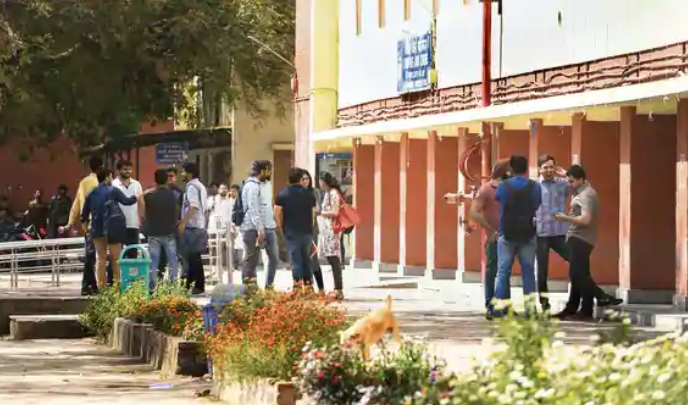
Are Central Universities

Will we ever know the category-wise distribution of vice chancellors of the forty central universities located across the country? Thanks to the rules governing these universities, and those of the University Grants Commission, there is no such record.

This form of “castelessness” at the top is coupled with marginal representation of teachers from socially and physically marginalised sections. Be it the Scheduled Castes, Scheduled Tribes the Other Backward Classes or persons with disabilities, they are hardly ever appointed to teaching posts in central universities. A marker of the invisibilisation of these social groups is the fact that up to 96.65% of the posts of professor meant for candidates from these categories were unfilled on 1 January 2020.

This was discovered by a Delhi University teacher, who sought the information from the UGC under the Right to Information Act. More than 82% posts of professors meant for Scheduled Caste candidates, 93.98% posts meant for Scheduled Tribes and 96.65% posts meant for OBCs still remain vacant. The situation for associate professors is equally dismal, though there are fewer vacant posts of assistant professors for OBCs.

Any news can go viral these days but this explosive disclosure, which raises questions about recruitment procedures and their inherent biases was barely noticed. An explanation is that such news has lost its novelty. Perhaps everybody is aware of the metamorphosis of central universities into a new kind of Agraharam or abode of elite castes.

( Read the full article here)

“There is no god in that temple”: Rabindranath Tagore/Translated by Banojyotsna Lahiri

Banojyotsna Lahiri shared her translation of some excerpts from  a poem by Rabindranath Tagore, written 120 years ago, titled “Deeno Daan”.

It is about a temple.

Original Bangla below the translation.

“There is no god in that temple”, said the Saint.

The King was enraged;
“No God? Oh Saint, aren’t you speaking like an atheist?
On that throne studded with priceless gems, beams the golden idol,
And yet, you proclaim that it is empty?”

“It is not empty; rather, it is full of royal pride.
You have bestowed yourself, oh King, not the God of this world”,
Remarked the saint.

The King frowned, “2 million golden coins
were showered on that grand structure that kisses the sky,
I offered it to the Gods after performing all the necessary rituals,
And you dare claim that in such a grand temple,
There is no presence of God”? Continue reading “There is no god in that temple”: Rabindranath Tagore/Translated by Banojyotsna Lahiri

क्या राम मंदिर की आड़ में अपनी विफलताएं छिपा रही है मोदी सरकार

यह मानने के पर्याप्त आधार हैं कि राम मंदिर के भूमि पूजन के लिए चुना गया यह समय एक छोटी रेखा के बगल में बड़ी रेखा खींचने की क़वायद है, ताकि नरेंद्र मोदी और उनकी सरकार की बढ़ती असफलताएं जैसे- कोविड कुप्रबंधन, बदहाल होती अर्थव्यवस्था और गलवान घाटी प्रसंग- इस परदे के पीछे चले जाएं.

Ayodhya: A hoarding of PM Narendra Modi and other leaders put up beside a statue of Lord Hanuman, ahead of the foundation laying ceremony of Ram Temple, in Ayodhya, Thursday, July 30, 2020. (PTI Photo)(PTI30-07-2020 000044B)

अयोध्या में राम मंदिर के भूमि पूजन से पहले लगा प्रधानमंत्री नरेंद्र मोदी और अन्य नेताओं का एक होर्डिंग. (फोटो: पीटीआई)

बीते दिनों जनाब उद्धव ठाकरे द्वारा अयोध्या में राम मंदिर के प्रस्तावित भूमि पूजन को लेकर जो सुझाव दिया गया है, वह गौरतलब है.

मालूम हो कि आयोजकों की तरफ से जिन लोगों को इसके लिए न्योता दिया गया है, उसमें महाराष्ट्र के मुख्यमंत्री का नाम भी शामिल है, उसी संदर्भ में उन्होंने इस बात पर जोर दिया है कि ‘ई-भूमि पूजन किया जा सकता है और भूमि पूजन समारोह को वीडियो कॉन्फ्रेंसिंग के जरिये भी अंजाम दिया जा सकता है.’

उनका कहना है कि इस कार्यक्रम में लाखों लोग शामिल होना चाहेंगे और क्या उन्हें वहां पहुंचने से रोका जा सकता है? कोरोना महामारी को लेकर देश-दुनिया भर में जो संघर्ष अभी जारी है और जहां धार्मिक सम्मेलनों पर पाबंदी बनी हुई है, ऐसे में उनकी बात गौरतलब है.

गौर करें कि ऐसा आयोजन जिसका लाइव टेलीकास्ट भी किया जाएगा, कोई चाहे न चाहे देश में जगह जगह जनता के अच्छे-खासे हिस्से को सड़कों पर उतरने के लिए प्रेरित करेगा.

और अगर दक्षिणपंथी जमातें इस बारे में अतिसक्रियता दिखा दें तो फिर जगह जगह भीड़ बेकाबू भी हो सकती है और केंद्र सरकार और गृह मंत्रालय द्वारा जारी गाइडलाइंस की भी धज्जियां उड़ सकती हैं.

( Read the complete article here)


गैर-दक्षिणपंथी विचारकों के आत्ममंथन का घोषणा पत्र है अभय दुबे की पुस्तक : अरविंद कुमार

Guest post by ARVIND KUMAR

अभय दुबे की पुस्तक हिन्दू एकता बनाम ज्ञान की राजनीति पर जारी बहस में एक योगदान।

दि प्रिंट में 8 जुलाई 2020 को  योगेंद्र यादव का लेख ‘भारतीय सेक्युलरिज्म पर हिन्दी की यह किताब उदारवादियों की पोल खोल सकती थी मगर नज़रअंदाज़ कर दी गई है’, अभय दुबे की पुस्तक को केंद्र मे रखकर लिखा गया है.  उन्होनें लिखा: “अगर अभय की किताब के तर्क उन सेकुलर बुद्धिजीवियों के कान तक टहलकर नहीं पहुंचे जिनके लिखत-पढ़त की उन्होंने आलोचना की है तो इसकी वजह को पहचान पाना मुश्किल नहीं. वजह वही है जिसे अभय ने अपनी किताब में रेखांकित किया है कि भारत के अँग्रेज़ीदाँ मध्यवर्ग की सेकुलर-लिबरल विचारधारा और देश के शेष समाज के बीच सोच समझ के धरातल पर एक खाई मौजूद है.” योगेंद्र के लेख के जवाब में, दि प्रिंट में ही 15 जुलाई को राजमोहन गांधी का लेख ‘भारत में धर्मनिरपेक्षता की विचारधारा पराजित नहीं हुई है, इसके पैरोकारों को आरएसएस  पर दोष मढ़ना बंद करना होगा’ पढ़कर संतोष और असंतोष दोनों हुआ. संतोष इसलिए कि योगेंद्र के आग्रह पर बुद्धिजीवियों ने बहस को आगे बढ़ाने की पहल तो की. इसी कड़ी में 16 जुलाई 2020 को काफ़िला में छपा आदित्य निगम का लेख ‘डिसकोर्स ऑफ हिन्दू युनीटी इन द स्ट्र्गल अगेन्स्ट द राइट’ को भी देखा जा सकता है.

Continue reading गैर-दक्षिणपंथी विचारकों के आत्ममंथन का घोषणा पत्र है अभय दुबे की पुस्तक : अरविंद कुमार

Release Prof Hany Babu – A Statement of Solidarity from his Students

We are publishing below a statement by about 350 current and former students of Hany Babu, condemning his arrest on cooked up charges, and expressing solidarity with him.  

Students’ Statement of Solidarity: Release Prof. Hany Babu

We, the undersigned former and current students of Prof Hany Babu M.T., condemn his arrest by the National Investigation Agency (NIA) on Tuesday and stand in firm solidarity with him. Prof. Babu is a noted academic, a well known anti-caste activist, and a member of the committee formed for the defence of G.N. Saibaba, a former Delhi University professor who is over 90% disabled, and wheelchair bound. Prof. Babu has maintained his innocence since the illegal raid at his Noida apartment last year in September by Pune police. The raid, which was conducted without a warrant, resulted in the Pune Police confiscating Prof. Babu’s laptop, mobile phones, two booklets printed for the G.N. Saibaba defence committee and two books which are publicly available in bookstores and libraries. The nature of his alleged ‘crime’ remains unclear because the NIA’s warrant is, in our opinion, deliberately vague with clearly fabricated accusations. According to news reports, the ‘evidence’ that has apparently led to Prof Babu’s arrest was based off of an e folder on his hard disk. He was, however, not given a hash value for his laptop. 

We believe this is a direct attack on education, activists and the academic space at large.     It is outrageous that on 23rd June Prof. Babu was summoned to Mumbai from Noida during a pandemic. His summon and arrest cannot be seen in isolation. Activists like Anand Teltumbde, Gautam Navlakha, Devangana Kalita, Natasha Narwal, Gulfisha Fatima and Sharjeel Usmani were also arrested during the ongoing pandemic which mandates social distancing. Overcrowded jails have now become the new Covid19 hotspots. Activists arrested earlier, like Sharjeel Imam, Akhil Gogoi, and Varavara Rao, and, according to recent news reports, many other prisoners, have also tested Covid positive.  

We demand Prof. Babu’s immediate release, and reaffirm our complete solidarity with our Professor, Dr. Hany Babu. We also demand the release of all political prisoners who were arrested in cases related to the Elgar-Parishad, as well as the anti-CAA protestors booked under the draconian Unlawful Activities and Prevention Act, which makes bail almost impossible under medical and humanitarian grounds despite the ongoing pandemic. Continue reading Release Prof Hany Babu – A Statement of Solidarity from his Students

Once Upon a Time There Was a Campus (and Why it is Still There) – A Fable: Hammersickle Rubberchappal

Guest post by HAMMERSICKLE RUBBERCHAPPAL

From the very title you can tell that it is a story with a happy end. It is also a true story.

Image courtesy Kevin Clancy Studio

Once upon a time there was a campus. In a slightly shabby postcolonial country. When they became post-colonial, they decided they needed somewhere to send their bright minds, so they could think, read, and learn to write. And since they were dusting themselves off after they had booted the colonisers out, they also knew that most people in that shabby country had nowhere they could send their kids to learn and grow because everyone lived in all kinds of faraway parts of the country, had no money, and had very difficult lives. Some enthusiastic, farsighted, and sensible people in their parliament decided to make this possible. They made the laws, they found the space, barren and brown, in a hot part of a sprawling northern town. Then they got the best minds from everywhere, to teach and to learn, so that together they could do their best to make everyone a citizen of a slightly less shabby postcolonial country.

For half a century, this campus flourished. It became green from brown, it had slightly rickety places for everyone to live in. There were many small and big places you could go for a hot meal. Yes, it cost the government some money, but not that much. There are people who say very tall buildings are phallic symbols. Interestingly though, the tallest building on the campus was the library. Slowly, the busy people on this campus took on the responsibility for how the shabby postcolonial country would think. Not everyone was happy, but all these people were so sincere and so committed and so good, that no one could really say they were wrong. They learned languages from all over so they could speak with the world, they learned about the past in history, about the present in sciences that were very talkative and social, and thought hopeful and sciencey thoughts about the future. Even the walls danced with poetry, purpose, and an abandon of colour.

Then came those years of frightening and radically evil people who began to take over entire countries. Not that this was entirely new, it had happened before. How that could happen again is being investigated to this day, but is dark matter for another story. And then this shabby postcolonial country fell to the same fate. Continue reading Once Upon a Time There Was a Campus (and Why it is Still There) – A Fable: Hammersickle Rubberchappal

Gramsci, the “Puranic” and Shekhar Gupta


Re-reading Antonio Gramsci lately, in preparation for a webinar organized by the Dean, School of Social Sciences, University of Hyderabad on “Gandhi, Ambedkar, Gramsci”, I was struck by an aspect of his thought that I had not really understood in all its dimensions earlier. This aspect is directly related to the relationship between subalternity and the political party, a  lifelong preoccupation for him, linked in turn to the problem of “philosophy” and “thought”.  Some of the reflections here on this question were also sparked off also by some questions that were raised during the discussion.

Skhekhar Gupta on Taali-Thaali and Diya

It was while searching for something related to the Indian government’s handling of the Covid-19 situation, that I hit upon this astonishing article by Mr Shekhar Gupta, which is my peg for the discussion that  follows. It is an older article (4 April 2020), for I must confess I had stopped reading him long ago given the  sheer predictability of what he had to say. But here he seems to have surpassed himself. The title itself first caught my attention: “Poke fun at taali, thaali, diya and mombatti all you want. Modi couldn’t care less“. Shekhar Gupta was one of those who had, in the run up to the 2014 elections, come out with brass band to clear the way for Narendra Modi’s accession to power. But hadn’t he lately – so I had heard – started expressing some criticisms of the regime? Tavleen Sigh certainly had. So what is Gupta saying? Well for one thing, I realized that his deep fascination with the Modi persona continues unabated but that is something I can’t blame him for. We can’t determine what our taste-buds like, can we? I am also not surprised that Gupta’s tone regarding his imagined secular-liberal adversaries is one of derision. What struck me was that all that he is basically saying in the article is that Modi knows who he should speak to and he is able to read the popular mind, but this banality is presented as one great insight of all times!

Continue reading Gramsci, the “Puranic” and Shekhar Gupta

आज़ाद जनतंत्र में सत्तर साल बाद भी वेल्लोर से विरमगाम तक श्मशान भूमि से वंचित हैं दलित

क्या कोई जानता है 21वीं सदी की शुरुआत में चकवारा के दलितों के एक अहम संघर्ष को? जयपुर से बमुश्किल पचास किलोमीटर दूर चकवारा के दलितों ने गांव के सार्वजनिक तालाब पर समान हक पाने के लिए इस संघर्ष को आगे बढ़ाया था। अठारह साल का वक्फा गुजर गया जब दलितों ने इस संघर्ष में जीत हासिल की थी, जिसमें तमाम मानवाधिकार संगठनों एवं प्रगतिशील लोगों ने भी उनका साथ दिया था। (सितम्बर 2002)

विश्लेषकों को याद होगा कि इस संघर्ष में तमाम लोगों को डॉ. अम्बेडकर द्वारा शुरू किए गए ऐतिहासिक महाड़ सत्याग्रह की झलक दिखायी दी थी जब मार्च 1927 में हजारों दलित एवं अन्य मानवाधिकारप्रेमी महाड़ के चवदार तालाब पर जुलूस की शक्ल में गए थे और वहां उन्होंने पानी पीया था। जानवरों को वहां पानी पीने से कोई मना नहीं करता था, मगर दलितों को रोका जाता था। (ज्‍यादा जानकारी के लिए देखें: Mahad – The Making of the First Dalit Revolt – Dr Anand Teltumbde, Navayana)

चकवारा में बाद में क्या हुआ इसके बारे में तो अधिकतर लोग नहीं जानते होंगे।

Continue reading आज़ाद जनतंत्र में सत्तर साल बाद भी वेल्लोर से विरमगाम तक श्मशान भूमि से वंचित हैं दलित

No End to Humiliation of Dalits Even After Death

The attitude of respect and reverence towards fellow men is yet to develop in India.

No End to Humiliation of Dalits

Does anybody still remember the Dalits of Chakwara, a village around 50km from Jaipur in Rajasthan, who had launched a struggle to gain access to the pond in their village? It is more than 18 years since the Dalits, supported by human rights organisations, won that fight for water. Their undertaking had echoes with the historic struggle launched by Dr BR Ambedkar in March 1927 at Chavdar tank at Mahad to assert the equal rights of Dalits to water. It is well known to most people that while animals were allowed to use the water of this tank in present-day Raigad district of the state, the Dalits were not. Anand Teltumbde has described the events of this satyagraha in his book, Mahad: The Making of the First Dalit Revolt, published by Navayana in 2016.

But what happened at Chakwara after the Dalits started using the village pond is hardly known: the upper castes slowly stopped using the water from the pond once the Dalits gained access to it, saying it had become “impure”. Enraged by the assertion of the Dalits and keen to humiliate them for it, they dug up the village sewer and directed the waste water to their own village pond. There is no change in the status quo there.

Around 700km away, in Viramgam near Ahmedabad in Gujarat, a village cemetery used by Dalits was recently flooded with sewer water, a stark reminder that the gap of two decades has not changed the caste scenario in the country. The executioners of this sinister plan in Viramgam were the residents of two housing societies in which the well-off and educated middle classes live. For more than the last six months, the graves of the socially-disadvantaged Vankar, Chamar, Rohit, Dangasia, Shetwa and other communities have been surrounded by dirty water. The district administration did not intervene on behalf of the Dalits despite their repeated complaints. The fact that dignity after death is being denied to marginalised communities did not seem to rouse the administration.

( Read the full text here)

Rest In Power John Lewis

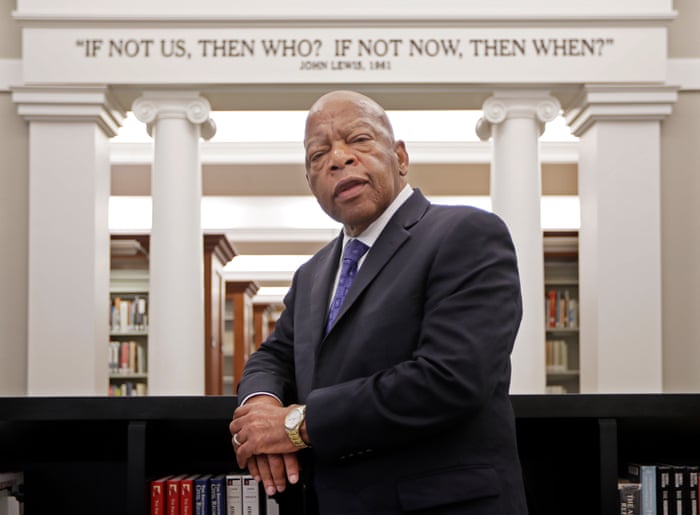
John Lewis ( 21 February 1940 – 17 July 2020)

Legendary Civil Rights leader John Lewis died on 17 th July 2020.

An analyst wrote ”Lewis, a titan of the civil rights movement, died on Friday at the age of 80, severing a vital link with the generation that rose in the 60s to resist the US’s version of racial apartheid. The news was met with a depth of grief normally reserved for former presidents. Lewis transcended party politics and was truly admired and beloved.”

A state trooper beats John Lewis with a club

A state trooper beats John Lewis (kneeling, right) with a club in Selma, Alabama, in 1965. Lewis sustained a fractured skull in the assault. Photograph: unknown/AP

A CNN documentary entitled John Lewis: Good Trouble, quotes him: “I tried to do what was right, fair and just. When I was growing up in rural Alabama, my mother always said, ‘Boy, don’t get in trouble … but I saw those signs that said ‘white’, ‘colored’, and I would say, ‘Why?’

“And she would say again, ‘Don’t get in trouble. You will be beaten. You will go to jail. You may not live. But … the words of Dr King and the actions of Rosa Parks inspired me to get in trouble. And I’ve been getting in trouble ever since. Good trouble. Necessary trouble.”


Imagining India for Contemporary Politics- What Should the Left Do? : Ravi Sinha


(Webinar – Sunday, July 19, 5 pm)

Shakespeare said, what is past is prologue. A simple-minded rationalist may be contented to assume that past is fixed as it has already gone into the making of the present. Nothing can be done to change it. The truth however is that past is being ‘remade’ every day. Imaginations of ancient glories or of humiliating defeats in the distant past are being deployed in contemporary politics all across the world. This phenomenon has been a key element behind the resurgence of rightwing in many countries. Contemporary India is a calamitous example where a perverse variant of mass-democratic politics has been fashioned through the political ideology of Hindutva resulting in serious damage to democracy and to people’s welfare.

Contemporary politics is driven more pressingly to such ideological re-imaginings in the conditions of vigorously competitive electoral democracies. The phenomenon is far more pronounced in countries with a significant minority (religious, racial, linguistic-cultural etc.) that can be portrayed as a historical villain. The majority can, then, be mobilized through the political process of polarisation in which some historical-civilizational-social tectonic plate is deployed in the service of electoral-political objectives. India is a pre-eminent example of this tragic phenomenon.

Invariably, left and progressive forces find themselves handicapped in these circumstances. Attempts to prove that such polarising strategies based on re-imagining the past are malignant turn out to be politically ineffective. A typical response from such forces has been to counter the emotive with the economic and to challenge cultural nationalism with anti-colonial, anti-imperialist nationalism. These strategies have failed miserably. Other social and resistance movements too have attempted partial re-imagining of India’s past from the standpoint of traditionally oppressed communities (Dalit, feminist, native-ist, etc.). While offering some resources to the respective movements, these efforts have failed equally miserably in challenging the Hindutva’s cultural nationalism. The efforts of some of the liberal bourgeois forces, on the other hand, to gain ground by partly imitating the Hindutva forces (variants of soft hindutva) have been no more than a laughing stock. Continue reading Imagining India for Contemporary Politics- What Should the Left Do? : Ravi Sinha

Statement on the Arrest of a Survivor of Sexual Assault in Araria, Bihar: Ambedkar University Delhi Faculty Association

15.7.2020

Ambedkar University Delhi Faculty Association (AUDFA is alarmed to hear of and strongly condemns the arrest of a survivor of gang rape along with two social workers (including former AUD student Tanmay Nivedita), at the office of the Judicial Magistrate (1st Class) in Araria, Bihar on 10 July 2020. The arrest was ordered during the course of recording of the survivors’ statement under section 164 CrPC in relation to a case of gang rape which took place just days earlier, on 6 July 2020.

It is further disturbing that the hon’ble court appears to have registered offence at the fact that the survivor sought the presence and support of two social workers prior to actually signing her statement under section 164 CrPC in the said case. The right of a survivor of sexual assault/rape to the presence of caregivers for psychological support is well established and is specifically noted in the Justice Verma Committee Report (2013, Appendix 8). Instead of recognising the right of the survivor to psychological support, the Judicial Magistrate, Araria District, thought it fit to order the arrest of the survivor and the two social workers under sections of the IPC, including 353 and 228, on grounds of “obstructing the work of public servants”.

The absence of sensitivity in dealing with cases of sexual assault, and the unfortunate use of power to discipline a survivor of gang rape for seeking psychological and social support at a time of deep trauma, lays bare the deeply worrisome reality of the functioning of the criminal justice system that survivors of sexual assault face on a regular basis. AUDFA unequivocally condemns these arrests and stands in solidarity with the arrested persons.

Discourse of Hindu Unity and Challenges in the Struggle Against the Right


In a recent book Hindu Ekta Banaam Gyan ki Rajneeti [Hindu Unity versus the Politics of Knowledge] (Vani 2019), my colleague and friend Abhay Kumar Dubey raises some extremely important issues that have now become central to the struggle for a more just and inclusive India. The book is in Hindi and written in the highly provocative and combative style that characterizes most of Abhay’s writings but there is something profundly disturbing – and enlightening – about the key point that  he has to make. In this brief piece I discuss it here for the benefit of the non-Hindi reader (which is not the same as ‘English-speaking’ or ‘English-educated’). However, those who understand Hindi and are interested can watch the 42-minute discussion between Abhay Dubey and myself (recorded in Janaury this year) for the Youtube book discussion channel Parakh run by Kamal Nayan Choubey. The video is embedded this post below.

The central concern of the book is with certain blindspots in what Abhay calls the ‘Centrist discourse’ [madhyamargi vimarsh] or interchangeably, ‘anti-majoritarian discourse’ [bahusankhyakvaad virodhi vimarsh] – which, for some reason, has been rendered as ‘secular ideology’ by Yogendra Yadav in a recent piece in The Print. (Yadav’s piece and Rajmohan Gandhi’s response in defense of ‘secular ideology’ can he read here and here). In keeping with Abhay’s usage, I will use the term ‘anti-majoritarian’ rather than ‘secular’ discourse for this specific configuration that emerges in the the 1990s, for as we will see, this is not a simple continuation of the secular discourse of the 1980s. For the earlier discursive formation, however, I will continue to use the term secular and we will see below how the two differ.

The blindspots that Abhay insistently and relentlessly draws the readers’ attention to, have to do with the very superficial and often hugely misleading understanding of the Rashtriya Swayamsevak Sangh (RSS) and its deeper connections with the much longer and larger history of the project of forging ‘Hindu unity’.

Continue reading Discourse of Hindu Unity and Challenges in the Struggle Against the Right

Trajectory of India’s Democracy and Contemporary Challenges : Prof Suhas Palshikar

[Inaugural Lecture of ‘Democracy Dialogues’ Series ( Webinar)
Organised by New Socialist Initiative, 12 th July 2020]

Join us on facebook.com/newsocialistinitiative.nsi for further updates


( Prof Suhas Palshikar, Chief Editor, Studies in Indian Politics and Co-director, Lokniti at the Centre for the Study of Developing Societies, delivered the inaugural lecture in the ‘Democracy Dialogues’ Series initiated by New Socialist Initiative.

In this lecture he attempted to trace the roots of the current moment of India’s democracy in the overall global journey of democracy, the extra-ordinarily ambitious and yet problematic foundational moment of Indian democracy and the many diversions India’s democracy has taken over time. He argued that unimaginative handling of the extra-ordinary ambition and Statist understanding of the ‘power-democracy’ dialectic formed the basis for easy distortions of democratic practice and that while populism and majoritarianism are the current challenges, they are by no means only special to the present and therefore, even as critique and course-correction of present political crisis is urgently required, a more long-term view of the trajectory of Indian democracy is necessary.

Here follows a detailed summary of his presentation prepared by Dr Sanjay Kumar)

Continue reading Trajectory of India’s Democracy and Contemporary Challenges : Prof Suhas Palshikar

Cisco Case Shows Indians Still Take Caste Where they Go

How discrimination is integrated into the daily lives of the Indian diaspora still needs to be understood.

Cisco Case Shows Indians

What happens to caste when Indians migrate to Western countries? Do their feelings of being born superior or inferior, their belief in the purity-pollution ethic, just melt away? The “model minority” has tried to avoid a conversation on this issue but it returns to haunt them time and again. Now the American state of California is at the centre of yet another caste controversy.

The last serious discussion around Indian-Americans and caste took place in 2015, when the California State Board of Education initiated a regular ten-year public review of the school curriculum framework. The conservative Hindu American Foundation (HAF) and the South Asian Histories for All Coalition (an interfaith, multi-racial, inter-caste coalition) clashed over HAF’s proposed interventions, which essentially sought to erase caste from the syllabus. The Coalition took the position that evidence and record of the injustices of caste and religious intolerance in South Asian must not be erased.

( Read the full article here)

वरवर राव को रिहा करो!

भीमा कोरेगाँव मामले तथा अन्य सभी मामलों में विचाराधीन लेखकों-मानवाधिकारकर्मियों को रिहा करो !

(न्यू सोशलिस्ट इनिशिएटिव, जन संस्कृति मंच, दलित लेखक संघ, प्रगतिशील लेखक संघ, जनवादी लेखक संघ, जन नाट्य मंच, इप्टा, प्रतिरोध का सिनेमा और संगवारी की ओर से जारी साझा  बयान )

State trying to kill Varavara Rao in jail, he needs immediate ...

( Photo Courtesy : New Indian Express)

‘…कब डरता है दुश्मन कवि से ?

जब कवि के गीत अस्त्र बन जाते हैं

वह कै़द कर लेता है कवि को ।

फाँसी पर चढ़ाता है

फाँसी के तख़्ते के एक ओर होती है सरकार

दूसरी ओर अमरता

कवि जीता है अपने गीतों में

और गीत जीता है जनता के हृदयों में।’

–वरवर राव, बेंजामिन मोलेस की याद में, 1985

देश और दुनिया भर में उठी आवाज़ों के बाद अन्ततः 80 वर्षीय कवि वरवर राव को मुंबई के जे जे अस्पताल में शिफ्ट कर दिया गया है। राज्य की असंवेदनशीलता और निर्दयता का इससे बड़ा सबूत क्या होगा कि जिस काम को क़ैदियों के अधिकारों का सम्मान करते हुए राज्य द्वारा खुद ही अंजाम दिया जाना था, उसके लिए लोगों, समूहों को आवाज़ उठानी पड़ी। Continue reading वरवर राव को रिहा करो!

तुर्की – गैर धर्मनिरपेक्ष रास्ते पर : मुशर्रफ अली

Guest Post by Musharraf AliThe Hagia Sophia Court Judgment — What Lies Beneath?  

क़ुव्वत ऐ फ़िकरो अमल पहले फ़ना होता है
फिर किसी क़ौम की शौकत पे ज़वाल आता है


(किसी क़ौम के दबदबे या रौब में तब गिरावट आती है, जब उसकी सोचने-विचारने की ताक़त खत्म हो जाती है)

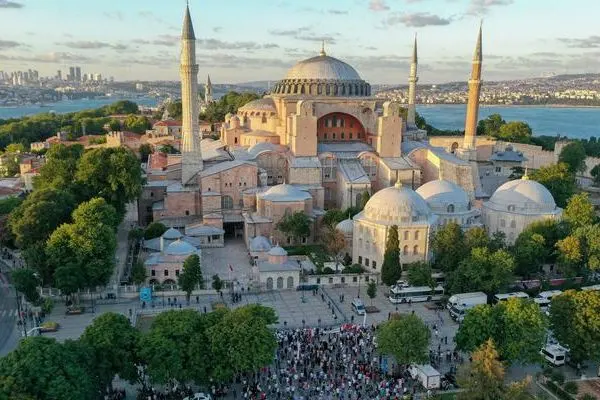
8 जुलाई 2020 को तुर्की के राष्ट्रपति तय्यप इरदुगान ने चर्च से मस्जिद फिर मस्जिद से म्यूजियम बना दी गयी ऐतिहासिक इमारत हय्या सोफ़िया को फिर से मस्जिद बनाने की घोषणा की इसके बाद 10 जुलाई को वहां के सुप्रीम कोर्ट ने इरदुगान के फैसले के पक्ष में फैसला दिया। इस घटना के बाद दुनिया भर के मुसलमानों में खुशी की लहर दौड़ गयी और पस्ती में डूबी हुई क़ौम को एक विजय का अहसास हुआ। इस घटना के बाद मैं इंटरनेट पर मुसलमानों की प्रतिक्रिया का अध्ययन करता रहा था। मैं इस तलाश में था कि इस घटना के विरोध में इसकी मज़्ज़मत में मुस्लिमो की तरफ़ से कोई तो आवाज़ सुनाई देगी लेकिन जहां तक इंटरनेट पर मैं ढूंढ पाया एक भी आवाज़ विरोध की नही मिल पायी जबकि समर्थन करती और खुशियां मनाती पोस्टें भरी पड़ी थी। मेरी नज़र में यह घटना वैसी ही है जैसी बाबरी मस्जिद ढहने की है और वहां के सुप्रीम कोर्ट का फैसला भी वैसा ही है जैसा नवम्बर 2019 में भारत के सुप्रीम कोर्ट ने बाबरी मस्जिद के संबंध में सुनाया। तुर्की में हय्या सोफिया को ढहाया नही गया लेकिन सांकेतिक रूप से माने तो यह ढहाने जैसा ही क़दम है। बाबरी मस्जिद, मंदिर तोड़कर बनाई गई अभी यह बात विवादित बनी हुई है लेकिन हय्या सोफिया 1453 से पहले चर्च था यह ऐतिहासिक रूप से प्रमाणित है। जब मुस्तफा कमाल अतातुर्क ने मस्जिद बना दिये गए चर्च को म्यूजियम में 1934 में बदला तब विवाद को समाप्त करने का उनका बहुत ही समझदारी भरा क़दम था मगर तुर्की राष्ट्रपति तय्यप इरदुगान ने कमाल अतातुर्क के सारे किये कराए पर अपने निजी स्वार्थ में पानी फेर दिया और दुनिया भर में मुसलमानों की जो खराब छवि बना दी गयी है उसको और खराब कर दिया। उनके इस काम से मुसलमानों की जो बुनियादी समस्याये हैं वो हल होने की जगह और बढ़ गईं। Continue reading तुर्की – गैर धर्मनिरपेक्ष रास्ते पर : मुशर्रफ अली

सलाह: मुरीद बरघूती/अनुवाद: आयेशा किदवाई

You can read the English translation by Radwa Ashour, of Palestinian poet Mourid Barghouti’s poem Counsel, below this translation into Hindustani by AYESHA KIDWAI

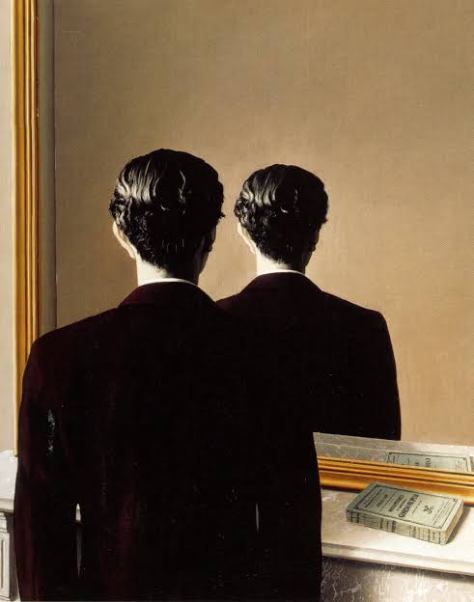
“La reproduction interdite” by Rene Magritte 1937.

सलाह 

हैरत ज़दा, असमंजस में,

उस ने हमें बुलवाया

और हम हाज़िर हुए.

उसकी संगेमरमर की बालकनी के तले खड़े हुए:

दुखी लग रहा था वो.

हाथ लरज़ रहे थे

जब से एक ज्योतिष ने उस से ये कह दिया था

किसी की सलाह नहीं लोगे, तो मौत पक्की है“. Continue reading सलाह: मुरीद बरघूती/अनुवाद: आयेशा किदवाई

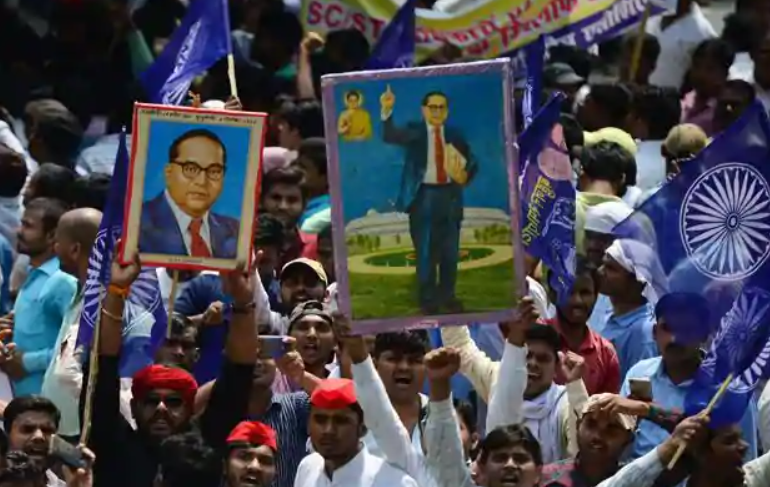
जातिगत भेदभाव को लेकर कब ख़त्म होगा भारतीयों का दोहरापन

भारतीयों के मन में व्याप्त दोहरापन यही है कि वह ऑस्ट्रेलिया में भारतीय छात्रों पर होने वाली ज़्यादतियों से उद्वेलित दिखते हैं, पर अपने यहां के संस्थानों में आए दिन दलित-आदिवासी या अल्पसंख्यक छात्रों के साथ होने वाली ज़्यादतियों को सहजबोध का हिस्सा मानकर चलते हैं.

(फोटो: रॉयटर्स)

(फोटो: रॉयटर्स)

‘जाति समस्या- सैद्धांतिक और व्यावहारिक तौर पर एक विकराल मामला है. व्यावहारिक तौर पर देखें तो वह एक ऐसी संस्था है जो प्रचंड परिणामों का संकेत देती है. वह एक स्थानीय समस्या है, लेकिन एक ऐसी समस्या जो बड़ी क्षति को जन्म दे सकती है. जब तक भारत में जाति अस्तित्व में है, हिंदुओं के लिए यह संभव नहीं होगा कि वह अंतरजातीय विवाह करें या बाहरी लोगों के साथ सामाजिक अंतर्क्रिया बढ़ाएं. और अगर हिंदू पृथ्वी के दूसरे हिस्सों में पहुंचते हैं, तो फिर भारतीय जाति विश्व समस्या बनेगी.’

– डॉ. बीआर आंबेडकर (1916)

वर्ष 1916 के मई महीने में कोलंबिया विश्वविद्यालय में मानव वंशशास्त्र विभाग में सेमिनार में डॉ. आंबेडकर ने ‘भारत में जाति- उनकी प्रणाली, उनका उद्गम और विकास’ (Castes In India- Their Mechanism, Genesis and Development) पर अपना पेपर पढ़ा था.

पेपर पढ़ते हुए उन्होंने इस बात की भविष्यवाणी की थी कि किस तरह एक दिन जाति विश्व समस्या भी बनेगी, उनके बोल थे, ‘अगर हिंदू दुनिया के दूसरे हिस्सों में पहुंचते हैं, तो फिर भारतीय जाति विश्व समस्या बनेगी.’

उनके इस वक्तव्य के 104 साल बाद उसी अमेरिका के कैलिफोर्निया से आई यह खबर इसी बात की ताईद करती है.

ध्यान रहे कैलीफोर्निया राज्य सरकार की तरफ से वहां की एक अग्रणी बहुदेशीय कंपनी सिस्को सिस्टम्स के खिलाफ दायर एक मुकदमे के बहाने यही बात नए सिरे से उजागर हुई है, जिसका फोकस वहां कार्यरत एक दलित इंजीनियर के साथ वहां तैनात दो कथित ऊंची जाति के इंजीनियर द्वारा जातिगत भेदभाव की घटना से है. Continue reading जातिगत भेदभाव को लेकर कब ख़त्म होगा भारतीयों का दोहरापन

लो मैं उठी: माया एंजलो/अनुवाद: निवेदिता मेनन

MAYA ANGELOU recites her iconic poem Still I Rise, followed by the translation into Hindustani by NIVEDITA MENON below.


चाहे लिख दो मेरी कहानी,

झूठी, विकृत, कडवी सी,

चाहे कुचलो   मिट्टी में,

उड़ जाऊंगी,  धूल जैसी।


मेरी गुस्ताखी से हो नाराज़?

क्या इतना दुःख है दिल में?

मेरी चाल का यह गुरूर,

मानो तेल के कुँए बैठक में।

Continue reading लो मैं उठी: माया एंजलो/अनुवाद: निवेदिता मेनन

Gendering the Pandemic in the Prison: Pratiksha Baxi, Navsharan Singh

Excerpts from an article published in The India Forum. Link to whole article given below.

A powerful analysis of the injustice of the prison system in India (in which 70 percent of the incarcerated are under trial), the authors PRATIKSHA BAXI and NAVSHARAN KAUR make an argument for recognizing women, as well as gender and sexual minorities, as ‘custodial’ minorities.   

We argue that all women inmates may be defined “custodial” minorities. As per the 2020 statistics we collated, there are 68 persons incarcerated under the category “others”. No grave threat is posed to society by UTPs belonging to sexual and gender minorities that non-custodial alternatives cannot be found for them, while they wait for investigations and trials to be over. And alternatives to prison system need to be innovated for all convicted women, and gender and sexual minorities. There does not seem to be an attempt to recognise that their right to health and life is made far more precarious in a transphobic prison-medical complex. They must be counted and accounted for…

All women in prisons without distinction of charge, crime or sentence, whether pregnant, lactating, menstruating or menopausal, differently abled or ailing may be thought of as “custodial” minorities. Muslim women face terrible targeting and blame, as do Dalit women who face intolerable discrimination and bear the brunt of misuse of law against them. Similarly, Muslim and Dalit male undertrials are also subjected to sexualised forms of torture in police and judicial custody. And policies that exclude foreigners from interim bail position them as custodial minorities, who face institutionalised racism. However, the law has difficulty in “seeing” these prison inmates, especially undertrials, as custodial minorities.

Continue reading Gendering the Pandemic in the Prison: Pratiksha Baxi, Navsharan Singh