Category Archives: Politics

राष्ट्रीय शिक्षा नीति 2020 – पिछले तजुर्बों से बेख़बर एक दस्तावेज़ : राजेन्द्र चौधरी

Guest post by RAJINDER CHAUDHARY

राष्ट्रीय शिक्षा नीति 2020 के दो मुख्य भाग हैं, स्कूली शिक्षा और उच्च शिक्षा. हम इन दोनों क्षेत्रों का मूल्यांकन करेंगे. किसी भी नीति की तरह इस शिक्षा नीति में भी कुछ स्वागत योग्य कदम हैं, कुछ कमियाँ हैं, कुछ बातें छूट गई हैं और कुछ खतरनाक पहलू हैं. हम तीनों पक्षों को चिन्हित करने का प्रयास करेंगे. दुर्भाग्य से इस नीति के दो अलग अलग अंग्रेजी प्रारूप सरकारी वेब साइटों पर उपलब्ध हैं. एक 60 पृष्ठों का और एक 66 पृष्ठों का है. दोनों की अंतर्वस्तु में भी महत्वपूर्ण अंतर है पर इन प्रारूपों में तिथि नहीं दी गई, इस लिए यह तय करना संभव नहीं है कि कौन सा नया है और कौन सा पुराना है. इस विमर्श हेतू हमने 66 पन्नों वाले दस्तावेज़ का प्रयोग किया है. 

काफी समय से एकविषयक कालेज जैसे बीएड कालेज, इंजीनियरिंग कालेज या बिना विज्ञान संकाय या केवल विज्ञान संकाय के +2 स्कूल तो चल ही रहे थे पर हाल ही में एक विषयक विश्वविद्यालयों का चलन बढ़ा है. जैसे स्वास्थ्य, खेल, संस्कृत, बागवानी विश्विविद्यालय इत्यादि. ऐसे एकविषयक संस्थानों में छात्रों को समग्र विकास का मौका नहीं मिलता. उनका दृष्टिकोण बहुत सीमित हो जाता है. इस लिए बहुविषयक शिक्षा संस्थान विषयों एवं छात्रों दोनों के समग्र विकास के लिये आवश्यक हैं. इस कमी को नयी शिक्षा नीति में रेखांकित किया है और दूर करने का निर्णय लिया गया है. यह स्वागत योग्य कदम है. स्कूल को छात्रों तक सीमित न रख कर एक ‘सामाजिक चेतना केंद्र’ के तौर पर विकसित करना, कम्पार्टमेंट परीक्षा के साथ स्कूली छात्रों को अंक सुधार हेतु मौका देना, सार्वजानिक एवं स्कूल पुस्तकालयों का विस्तार एवं इन के लिए आवश्यक कर्मचारियों की व्यवस्था, मातृभाषा में शिक्षा को बढ़ावा देने का संकल्प, छात्रों को अपनी रूचि के अनुसार ज़्यादा विविध विषयों में से चुनाव चुनाव का मौका, जैसे कदम स्वागत योग्य हैं. 

Continue reading राष्ट्रीय शिक्षा नीति 2020 – पिछले तजुर्बों से बेख़बर एक दस्तावेज़ : राजेन्द्र चौधरी

Secularism and the Myth of ‘Hindu’ Tolerance

‘Secularism’ has now become a bad word and it is quite fashionable to attack, criticize and ridicule it. Just about anyone, regardless of whether s/he has spent even a minute thinking about it, can attack it. A television channel  recently even decided to have a vote on whether we should ‘have’ secularism or not, I understand, after an utterly ill-informed debate. It is almost as if the blame for everything that is wrong with Indian society can be laid at the door of this monster called ‘Secularism’. Modern Hindu ideologues have of course, mastered this art of blaming every evil practice of Hindu society on to some ‘Other’: From untouchability and sati to child marriage, purdah and the everyday violence of caste oppression –  everything apparently happened because of ‘Islam’ and Christianity’. Later, Marxism and secularism were added to the list. And while we are at it, let us remember that the great Bal Gangadhar Tilak led what was perhaps the first mass nationalist anticolonial mobilization, against raising the  Age of Consent of girls for sexual intercourse from 10 to 12 years! Much of that righteous indignation continues to be the hallmark of the new defensiveness that the 21st century ‘raging Hindu’  exhibits.

For everything wrong in the behaviour of these adult men with walrus moustaches, an explanation exists in some founding childhood trauma for which their adulthood can never be held responsible! ‘Secularism’ now is the name of the insistence that wants to hold the modern Hindu responsible for his acts today, rather than let it remain suspended in a permanent state of childhood. I suspect, the term ‘secularism’ today, in Hindu Right discourse, is no longer about the ‘separation of religion and politics’ or ‘sarva dharma samabhava‘ (equal respect for all religions) and ‘dharma-nirpekshata‘ (neutrality between religions) at all, but the ghost-house where all the pathologies of this traumatized child(hood) are played out.

Continue reading Secularism and the Myth of ‘Hindu’ Tolerance

Statement by concerned citizens against Delhi Police’s conduct of the probe into Delhi riots 2020

DELHI POLICE – WE, THE CITIZENS OF INDIA, OBJECT TO THE MANNER OF THE DELHI RIOTS PROBE

RESTORE PUBLIC FAITH IN YOUR INVESTIGATION

 Stop coercing ‘confessional’ statements to manufacture evidence

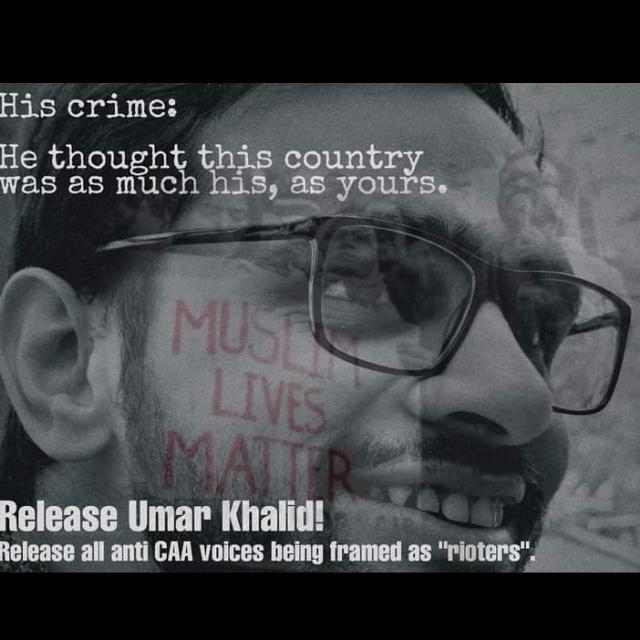
Stop falsely implicating people, including Umar Khalid

Stop wrongly invoking UAPA to give the colour of conspiracy against the state

Over 1000 citizens from all walks of life including, filmmaker Aparna Sen; former Culture Secretary culture Jawahar Sircar; Historian Ramchandra Guha; former Chairperson, Delhi Minority Commission Dr. Zafarul-Islam Khan; Former Governor, Margaret Alva; Academics –  Zoya Hasan, Partha Chatterjee, Jayati Ghosh, Poonam Batra, Sucharita Sen; former senior civil servants – Wajahat Habibullah, Madhu Bhaduri, Deb Mukherjee, Amitabha Pande, Sundar Burra, Aditi Mehta; feminists and trans rights activists – Meera Sanghamitra, Vani Subramanian, Chayanika Shah, Hasina Khan;  Journalists – Vidya Subrahmaniam, Geeta Seshu, Manoj Mitta, Anjali Mody, Antara Dev Sen, Priyanka Borpujari; political leaders, Brinda Karat, Annie Raja, Kavita Krishnan; Artists Kiran Sehgal, Shuddabrata Sengupta & Writer Aruna Vasudev; Social activists – Magsasay Awardees Aruna Roy and Sandeep Pandey; Democratic rights activists Jagdeep Chhokar, Henri Tiphane, Teesta Setalvad, John Dayal, Lara Jesani; Former Chief of Naval Staff, Admiral Ramdas; Scientist, Amitabha Basu, along with scores of others – have issued an urgent statement, strongly objecting to the manner in which Delhi Police has been conducting the probe into the riots cases, and calling on them to restore the public’s faith in the investigation.

Citing strong evidence of coerced ‘confessional’ statements and manufactured evidence, the signatories have sought assurances from the Delhi Police Commissionerate that these practices will be stopped, and have urged them to conduct a fair and impartial investigation to book the real culprits of the riots.

We are alarmed by the news that on Sept 1, 2020, Umar Khalid sent a letter to the Delhi Police Commissioner, Shri SN Shrivastava, with shocking evidence of the Delhi Police manufacturing evidence against him, through extorted statements. The letter reveals that a young man was interrogated by the Delhi Police (Special Cell) and a false confession against Umar Khalid, related to Delhi riots, was extracted and videotaped. The young man was threatened that he would be arrested under UAPA if he refused. He submitted to the coercion for he was scared, and yet his conscience allowed him to speak up about what had transpired.

Continue reading Statement by concerned citizens against Delhi Police’s conduct of the probe into Delhi riots 2020

The ‘Ecopolitical’ Imperative and the Janta Parliament


Janta Parliament, Environment session – courtesy Let India Breathe

A journey of a thousand miles begins with a single step, goes an old Chinese saying.  In the present context, that single step – and an absolutely essential step – for reclaiming the soul of India, is the coimng together of the social movements, non-party groups and the political parties – and this was accomplished in the six-day Janta Parliament held from 16-21 August as an online event. Organized by Jan Sarokar – a forum of 31 organizations and loose platforms ranging from Left aligned women’s organizations, National Alliance of People’s Movements (NAPM), National Campaign for Dalit Human Rights (NCDHR) and National Campaign for People’s Right to Information, to loose networks like Not In My Name – the people’s parliament managed to bring together many political parties together as well in the event. As a kind of base paper, Jan Sarokar had prepared a comprehensive 75-page document entitled ‘People’s Policy for Post-COVID 19 Times‘ covering important and urgent policy initiatives on practically every aspect of economic and social life. Attended by representatives of the Congress, the Left parties, the RJD and AAP among others, the people’s parliament session ended with the representatives of the parties present affirming support to the perspectives emerging out the resolutions adopted, which they felt could form the basis for a Common Minimum Programme not only for the political parties but also between parties and social / people’s movements. Continue reading The ‘Ecopolitical’ Imperative and the Janta Parliament

Corporate Social Media in India: Sell Hate, Enjoy Profit

The bias that social media platforms such as Facebook display reflects their own world-view as much as it does the regimes they support.

Corporate Social Media in India

A few gave the appearance of being truly psychopathic individuals. The mass of others were ragged and illiterate peasants easily roused to hatred of the Tutsi. Perhaps the most sinister people I met were the educated political elite, men and women of charm and sophistication who spoke flawless French and who could engage in long philosophical debates about the nature of war and democracy. But they shared one thing in common with the soldiers and the peasants: they were drowning in the blood of their fellow countrymen.

Fergal Kane, a journalist with the BBC, wrote these chilling lines in his book, Season of Blood: A Rwandan Journey, winner of the Orwell prize in 1995. The organised and planned killing in Rwanda, one of the darkest episodes of the 20th century, resulted in the death of eight lakh Tutsi.

It is a strange coincidence that a year and a half before these unfortunate developments, the biggest democracy in the world went through its own cataclysmic moment, when Hindutva supremacist forces demolished a 500-year-old mosque after a long and bloody campaign. Even after the demolition large-scale communal riots broke out all over India, in which thousands died and whose scars are still difficult to heal.

There is at least one thing in common between what Rwanda went through and what India witnessed in 1992: both tragedies demonstrated how the media can prepare and provoke ordinary people into unleashing untold miseries on their neighbours. Continue reading Corporate Social Media in India: Sell Hate, Enjoy Profit

To Sir, With Love – Birthday Greetings for Professor Hany Babu From His Students

Our Professor turned 54 on August 16, while in the custody of NIA. Prof. Hany Babu M.T. from the Department of English, University of Delhi was arrested on July 28 by the NIA in a series of ongoing harassment of academics, and activists who have been vocal against the government and its policies. This act of suppressing dissenting voices in academic spaces by the State threatens the very fabric of the Indian democracy. Prof. Babu has been a strong advocate for social justice, and has worked strenuously in the anti-caste movement. As a professor of linguistics, his classes have always been about demanding an equal space for the varying languages in India and looking at English as an emancipatory language. His teachings have made, and continue to make students critically approach caste supremacy hidden within the rubric of the Indian language structure. He has always highlighted the need for equality amongst language, and language speakers.
Continue reading To Sir, With Love – Birthday Greetings for Professor Hany Babu From His Students

Manufacturing Evidence – How the Police is framing and arresting constitutional rights defenders in India: The Polis Project

Artist Sarita  Pandey

This report is republished from The Polis Project

On the afternoon of 23 February 2020, communal violence broke out in Gokulpuri, a neighborhood in North-East Delhi. From there, it quickly spread to several other areas — including Seelapur, Shivpuri, and Jafrabad — raging on for four days before the situation was finally brought under control. In all, 53 people were murdered, a majority of them Muslim. Hundreds of families, mostly Muslim, were also displaced from their homes and are yet to return as it is still too dangerous. The attacks coincided with Donald Trump’s diplomatic visit to New Delhi on 24 February. This coincidence is one reason why the violence received widespread international media coverage. While large sections of the Indian domestic media have framed the violence as a “communal riot,” it is fairer to describe the events as a state-abetted pogrom against the Muslim community, that was not adequately protected — and, in some cases, was actively attacked — by the Delhi Police.

Time and again the Police have ignored mounting communal tensions, turned a blind eye to the gathering of arms by Hindu nationalist groups, and — once violence is unleashed — abandoned Muslims to their fate. Police complicity in anti-Muslim violence is an old story in India. Since Independence, countless enquiry commissions have indicted the Police for their partisan handling of sectarian conflict. Time and again the Police have ignored mounting communal tensions, turned a blind eye to the gathering of arms by Hindu nationalist groups, and — once violence is unleashed — abandoned Muslims to their fate. This cycle of violence and impunity is one major reason Hindu terror has not been stamped out in India. Yeh andar ki baat hai / police hamaare saath hai, (It’s an internal secret/ the Police are with us) as Hindu mobs chanted during the 2002 Gujarat pogrom. Continue reading Manufacturing Evidence – How the Police is framing and arresting constitutional rights defenders in India: The Polis Project

इलीना सेन – संघर्षों के बीज, संघर्षों के बीच : विमेन अगेन्स्ट सेक्शूअल वायलेंस एंड स्टेट रिपरेशन

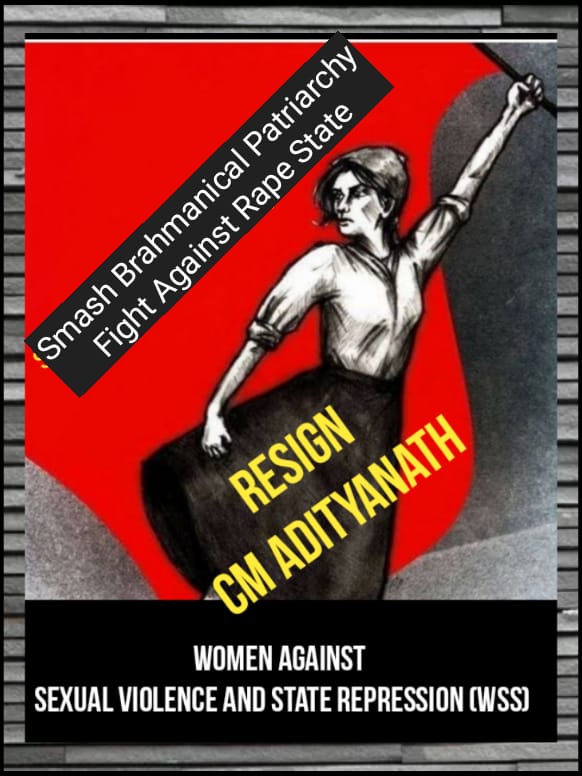
A tribute to Ilina Sen by WSS

Ilina and Binayak Sen, photo courtesy NewsLaundry

विमन अगेन्स्ट सेक्शूअल वायलेंस एंड स्टेट रिपरेशन’ (डब्लूएसएस) कोलकत्ता में 9 अगस्त को इलीना सेन के निधन पर अपना गहरा क्षोभ व्यक्त करती है.  69-वर्षीय इलीना एक नारीवादी कार्यकर्ता होने के साथसाथ एक शिक्षक, शोधार्थी और लेखिका भी थीं, जो देश भर के महिला आंदोलन के साथ दिलोजान से जुड़ी थीं. चाहे वह बतौर सामाजिकराजनीतिक कार्यकर्ता के रूप में हो या शिक्षाकर्मी होने के नाते. इलीना के मध्यप्रदेश तथा छत्तीसगढ़ के आंदोलनों एवं अन्य राज्यों के जनआंदोलनों से गहरे जुड़ाव और अपने सक्रिय समर्थन के कारण राज्य, पितृसत्ता और पूंजी के ख़तरों के खिलाफ संघर्षरत महिलाओं और अन्य कमज़ोर तबक़ों को निर्णायक प्रोत्साहन मिला.

अस्सी के दशक के शुरुआती सालों में, इलीना अपने जीवनसाथी बिनायक सेन के साथ आदिवासी क्षेत्र के लोगों और मज़दूर नेता शंकर गुहा नियोगी की अगुवाई में चल रहे आंदोलनों के साथ काम करने के लिए छत्तीसगढ़गईं. यहाँ एक डॉक्टर के रूप में बिनायक सेन ने बच्चों और उनके परिवार के साथ काम किया. आगे चलकर वे छत्तीसगढ़ खदान श्रमिक संघ (सीएमएसएस) के सदस्यों द्वारा निर्मित और संचालित शहीद अस्पताल में काम करने लगे. शुरु में, इलीना राज्य द्वारा प्रोत्साहित उग्र कृषि तकनीक से नष्ट हो रही धान की किस्मों और बीज संरक्षण वाले ‘सस्टेनेबल डेवेलप्मेंट’ के काम में डॉक्टर आर.आर. रिचारिया के साथ जुट गईं. शंकर गुहा नियोगी द्वारा गठित दल्ली राजहरा में शुरू की गई ट्रेड यूनियन में काम करते हुए, इलीना को महिला श्रम और उनके अधिकारों के लिए संगठित करने की अंतर्दृष्टि मिली. स्वायत्त महिला आंदोलनों के सम्मेलनों में वे अक्सर सीएमएसएस का छत्तीसगढ़ी गीत, ‘अनुसूया बाई, लाल सलाम’ गाया करती थीं. Continue reading इलीना सेन – संघर्षों के बीज, संघर्षों के बीच : विमेन अगेन्स्ट सेक्शूअल वायलेंस एंड स्टेट रिपरेशन

The Structural Contradictions of Indian Democracy and the Rise of the BJP : Prof Pratap Bhanu Mehta

[Democracy Dialogues Lecture Series ( Webinar)
Organised by New Socialist Initiative]

Date and Time: Sunday, August 16, 2020, at 6 PM IST (8.30 AM EST in the US)


Topic: The Structural Contradictions of Indian Democracy and the rise of the BJP

Abstract:

This talk explores the deep social transformations that have made the dominance of the BJP possible. It will take a longer view of the trajectory of Indian democracy and explore the profound changes in social and economic identities underway that have prepared a propitious ground for the rise of the BJP.

The Speaker: Prof Pratap Bhanu Mehta

Internationally renowned scholar and political scientist Prof Pratap Bhanu Mehta taught at Harvard, at New York University and at JNU. He was the Vice Chancellor of the Ashoka University till recently and served as the President of the premier think tank, Centre for Policy Research. Educated at Oxford and a Ph.D. from Princeton University, Prof Mehta is a columnist at Indian Express, a leading public intellectual and a bold and thoughtful voice for reason and justice. Among many honours and prizes to his credit, he is recipient of the Infosys Prize, the Adisheshiah Prize and the Amartya Sen Prize.

[New Socialist Initiative Presents
Democracy Dialogues – Lecture Series

The idea behind this series – which we call ‘Democracy Dialogues’ – is basically to initiate as well as join in the on-going conversation around this theme in academic as well as activist circles.

We feel that the very idea of democracy which has taken deep roots across the world, has come under scanner for various reasons. At the same time we have been witness to the ascendance of right-wing forces and fascistic demagogues via the same democratic route. There is this apparently anomalous situation in which the spread and deepening of democracy have often led to generating mass support for these reactionary and fascistic forces.

Coming to India, there have been valid concerns about the rise of authoritarian streak among Indians and how it has helped strengthen BJP’s hard right turn. The strong support for democracy here is accompanied by increasing fascination towards majoritarian-authoritarian politics. In fact, we would like to state that a vigorous electoral democracy here has become a vehicle for hindutva-ite counterrevolution.

The inaugural lecture in the series was delivered by Prof Suhas Palshikar on 12 th July 2020. The theme of Prof Palshikar’s presentation was  TRAJECTORY OF INDIA’S DEMOCRACY AND CONTEMPORARY CHALLENGES]


Nationwide condemnation of Delhi Police regarding their interrogation of Prof. Apoorvanand

We stand firmly with Apoorvanand, our friend and fellow member of the Kafila collective, as we do with all those being interrogated and framed by Delhi Police for the violence in Delhi. We also stand with all political prisoners of this  fascist regime. 

Before you read the statement below, endorsed by over a thousand people from different parts of India, take a look at this detailed expose of how the Delhi Police is trying desperately to cook up a conspiracy theory  that will leave the actual planners and executors of the anti Muslim pogrom in Delhi in January, to roam free, while arresting and intimidating hundreds of people who peacefully and non-violently protested the unconstitutional CAA.  Ajoy Ashirwad Mahaprashasta carefully dissects the anti CAA Whatsapp groups out of which the Delhi Police is trying to concoct a bizarre narrative, in The Wire.

Apoorvanand, Image courtesy Times of India

STATEMENT

On August 3, 2020 the Special Branch of the Delhi Police called in Prof. Apoorvanand, well-known writer, public speaker and Professor of Hindi at Delhi University, where he spent 5 hours, for an interrogation in connection with the Northeast Delhi riots. The police have seized his phone. This comes close on the heels of the interrogation of many other intellectuals and activists.

A day when authorities feel free to haul in the nation’s leading public voices to police stations, merely because they speak against the policies and ideology of the ruling government, is a day we must all be deeply concerned. Also, a day when we must overcome all fear, to stand up for each individual’s right to disagree, dissent, and thereby deepen our democracy. For this democracy today faces its most serious crisis since independence, far more critical than Indira Gandhi’s Emergency 45 years ago. As concerned citizens who love and value our democracy, and our country, we must speak out before it is too late and all voices of freedom are silenced forever.

Continue reading Nationwide condemnation of Delhi Police regarding their interrogation of Prof. Apoorvanand

Writing about Kalpana, writing about the times: Ranjana Padhi & Laxmi Murthy

Guest Post by RANJANA PADHI & LAXMI MURTHY

There is no cure for mortality, yet there is a lingering sadness and a sense of loss at the passing away of a fellow-traveler, a saheli and a comrade. Any reflection of such lives becomes a reflection of the times. The times when we as women, and as feminist collectives, dared to go against the grain.  The early years of the women’s movement were vastly different from the present reality where much is taken for granted and often celebrated ahistorically as individual achievement. The struggles of the 1980s made strident inroads into challenging the bastions of patriarchy in the form of collective resistance.  Making that vital link in what is a virtually unknown history for an entire generation of young women might help to make sense of the present. Because Kalpana was active to the end, commenting – and raving – even about recent events, through the lens of a sharp feminist politics. 

Kalpana Mehta, 67, a feminist activist of the autonomous women’s movement in India, breathed her last on May 27, 2020 at her residence in Indore, Madhya Pradesh.  Kalpana was diagnosed of the neuron disease called Amyotrophic lateral sclerosis (ALS) in mid 2017.  She gradually lost speech as well as mobility. Even then, she was tuned in to all events through the daily newspaper and communicated her thoughts and ideas through the application Tobii with friends who visited her during this time. Remaining engaged with news and sharing her political concerns and reflections helped her bravely cope with the symptoms of ALS. Also, her characteristic humor and witty rebukes directed at the powers that be were intact to her last breath.  Continue reading Writing about Kalpana, writing about the times: Ranjana Padhi & Laxmi Murthy

क्या राम मंदिर की आड़ में अपनी विफलताएं छिपा रही है मोदी सरकार

यह मानने के पर्याप्त आधार हैं कि राम मंदिर के भूमि पूजन के लिए चुना गया यह समय एक छोटी रेखा के बगल में बड़ी रेखा खींचने की क़वायद है, ताकि नरेंद्र मोदी और उनकी सरकार की बढ़ती असफलताएं जैसे- कोविड कुप्रबंधन, बदहाल होती अर्थव्यवस्था और गलवान घाटी प्रसंग- इस परदे के पीछे चले जाएं.

Ayodhya: A hoarding of PM Narendra Modi and other leaders put up beside a statue of Lord Hanuman, ahead of the foundation laying ceremony of Ram Temple, in Ayodhya, Thursday, July 30, 2020. (PTI Photo)(PTI30-07-2020 000044B)

अयोध्या में राम मंदिर के भूमि पूजन से पहले लगा प्रधानमंत्री नरेंद्र मोदी और अन्य नेताओं का एक होर्डिंग. (फोटो: पीटीआई)

बीते दिनों जनाब उद्धव ठाकरे द्वारा अयोध्या में राम मंदिर के प्रस्तावित भूमि पूजन को लेकर जो सुझाव दिया गया है, वह गौरतलब है.

मालूम हो कि आयोजकों की तरफ से जिन लोगों को इसके लिए न्योता दिया गया है, उसमें महाराष्ट्र के मुख्यमंत्री का नाम भी शामिल है, उसी संदर्भ में उन्होंने इस बात पर जोर दिया है कि ‘ई-भूमि पूजन किया जा सकता है और भूमि पूजन समारोह को वीडियो कॉन्फ्रेंसिंग के जरिये भी अंजाम दिया जा सकता है.’

उनका कहना है कि इस कार्यक्रम में लाखों लोग शामिल होना चाहेंगे और क्या उन्हें वहां पहुंचने से रोका जा सकता है? कोरोना महामारी को लेकर देश-दुनिया भर में जो संघर्ष अभी जारी है और जहां धार्मिक सम्मेलनों पर पाबंदी बनी हुई है, ऐसे में उनकी बात गौरतलब है.

गौर करें कि ऐसा आयोजन जिसका लाइव टेलीकास्ट भी किया जाएगा, कोई चाहे न चाहे देश में जगह जगह जनता के अच्छे-खासे हिस्से को सड़कों पर उतरने के लिए प्रेरित करेगा.

और अगर दक्षिणपंथी जमातें इस बारे में अतिसक्रियता दिखा दें तो फिर जगह जगह भीड़ बेकाबू भी हो सकती है और केंद्र सरकार और गृह मंत्रालय द्वारा जारी गाइडलाइंस की भी धज्जियां उड़ सकती हैं.

( Read the complete article here)


Imagining India for Contemporary Politics- What Should the Left Do? : Ravi Sinha


(Webinar – Sunday, July 19, 5 pm)

Shakespeare said, what is past is prologue. A simple-minded rationalist may be contented to assume that past is fixed as it has already gone into the making of the present. Nothing can be done to change it. The truth however is that past is being ‘remade’ every day. Imaginations of ancient glories or of humiliating defeats in the distant past are being deployed in contemporary politics all across the world. This phenomenon has been a key element behind the resurgence of rightwing in many countries. Contemporary India is a calamitous example where a perverse variant of mass-democratic politics has been fashioned through the political ideology of Hindutva resulting in serious damage to democracy and to people’s welfare.

Contemporary politics is driven more pressingly to such ideological re-imaginings in the conditions of vigorously competitive electoral democracies. The phenomenon is far more pronounced in countries with a significant minority (religious, racial, linguistic-cultural etc.) that can be portrayed as a historical villain. The majority can, then, be mobilized through the political process of polarisation in which some historical-civilizational-social tectonic plate is deployed in the service of electoral-political objectives. India is a pre-eminent example of this tragic phenomenon.

Invariably, left and progressive forces find themselves handicapped in these circumstances. Attempts to prove that such polarising strategies based on re-imagining the past are malignant turn out to be politically ineffective. A typical response from such forces has been to counter the emotive with the economic and to challenge cultural nationalism with anti-colonial, anti-imperialist nationalism. These strategies have failed miserably. Other social and resistance movements too have attempted partial re-imagining of India’s past from the standpoint of traditionally oppressed communities (Dalit, feminist, native-ist, etc.). While offering some resources to the respective movements, these efforts have failed equally miserably in challenging the Hindutva’s cultural nationalism. The efforts of some of the liberal bourgeois forces, on the other hand, to gain ground by partly imitating the Hindutva forces (variants of soft hindutva) have been no more than a laughing stock. Continue reading Imagining India for Contemporary Politics- What Should the Left Do? : Ravi Sinha

Statement on the Arrest of a Survivor of Sexual Assault in Araria, Bihar: Ambedkar University Delhi Faculty Association

15.7.2020

Ambedkar University Delhi Faculty Association (AUDFA is alarmed to hear of and strongly condemns the arrest of a survivor of gang rape along with two social workers (including former AUD student Tanmay Nivedita), at the office of the Judicial Magistrate (1st Class) in Araria, Bihar on 10 July 2020. The arrest was ordered during the course of recording of the survivors’ statement under section 164 CrPC in relation to a case of gang rape which took place just days earlier, on 6 July 2020.

It is further disturbing that the hon’ble court appears to have registered offence at the fact that the survivor sought the presence and support of two social workers prior to actually signing her statement under section 164 CrPC in the said case. The right of a survivor of sexual assault/rape to the presence of caregivers for psychological support is well established and is specifically noted in the Justice Verma Committee Report (2013, Appendix 8). Instead of recognising the right of the survivor to psychological support, the Judicial Magistrate, Araria District, thought it fit to order the arrest of the survivor and the two social workers under sections of the IPC, including 353 and 228, on grounds of “obstructing the work of public servants”.

The absence of sensitivity in dealing with cases of sexual assault, and the unfortunate use of power to discipline a survivor of gang rape for seeking psychological and social support at a time of deep trauma, lays bare the deeply worrisome reality of the functioning of the criminal justice system that survivors of sexual assault face on a regular basis. AUDFA unequivocally condemns these arrests and stands in solidarity with the arrested persons.

Trajectory of India’s Democracy and Contemporary Challenges : Prof Suhas Palshikar

[Inaugural Lecture of ‘Democracy Dialogues’ Series ( Webinar)
Organised by New Socialist Initiative, 12 th July 2020]

Join us on facebook.com/newsocialistinitiative.nsi for further updates


( Prof Suhas Palshikar, Chief Editor, Studies in Indian Politics and Co-director, Lokniti at the Centre for the Study of Developing Societies, delivered the inaugural lecture in the ‘Democracy Dialogues’ Series initiated by New Socialist Initiative.

In this lecture he attempted to trace the roots of the current moment of India’s democracy in the overall global journey of democracy, the extra-ordinarily ambitious and yet problematic foundational moment of Indian democracy and the many diversions India’s democracy has taken over time. He argued that unimaginative handling of the extra-ordinary ambition and Statist understanding of the ‘power-democracy’ dialectic formed the basis for easy distortions of democratic practice and that while populism and majoritarianism are the current challenges, they are by no means only special to the present and therefore, even as critique and course-correction of present political crisis is urgently required, a more long-term view of the trajectory of Indian democracy is necessary.

Here follows a detailed summary of his presentation prepared by Dr Sanjay Kumar)

Continue reading Trajectory of India’s Democracy and Contemporary Challenges : Prof Suhas Palshikar

वरवर राव को रिहा करो!

भीमा कोरेगाँव मामले तथा अन्य सभी मामलों में विचाराधीन लेखकों-मानवाधिकारकर्मियों को रिहा करो !

(न्यू सोशलिस्ट इनिशिएटिव, जन संस्कृति मंच, दलित लेखक संघ, प्रगतिशील लेखक संघ, जनवादी लेखक संघ, जन नाट्य मंच, इप्टा, प्रतिरोध का सिनेमा और संगवारी की ओर से जारी साझा  बयान )

State trying to kill Varavara Rao in jail, he needs immediate ...

( Photo Courtesy : New Indian Express)

‘…कब डरता है दुश्मन कवि से ?

जब कवि के गीत अस्त्र बन जाते हैं

वह कै़द कर लेता है कवि को ।

फाँसी पर चढ़ाता है

फाँसी के तख़्ते के एक ओर होती है सरकार

दूसरी ओर अमरता

कवि जीता है अपने गीतों में

और गीत जीता है जनता के हृदयों में।’

–वरवर राव, बेंजामिन मोलेस की याद में, 1985

देश और दुनिया भर में उठी आवाज़ों के बाद अन्ततः 80 वर्षीय कवि वरवर राव को मुंबई के जे जे अस्पताल में शिफ्ट कर दिया गया है। राज्य की असंवेदनशीलता और निर्दयता का इससे बड़ा सबूत क्या होगा कि जिस काम को क़ैदियों के अधिकारों का सम्मान करते हुए राज्य द्वारा खुद ही अंजाम दिया जाना था, उसके लिए लोगों, समूहों को आवाज़ उठानी पड़ी। Continue reading वरवर राव को रिहा करो!

जातिगत भेदभाव को लेकर कब ख़त्म होगा भारतीयों का दोहरापन

भारतीयों के मन में व्याप्त दोहरापन यही है कि वह ऑस्ट्रेलिया में भारतीय छात्रों पर होने वाली ज़्यादतियों से उद्वेलित दिखते हैं, पर अपने यहां के संस्थानों में आए दिन दलित-आदिवासी या अल्पसंख्यक छात्रों के साथ होने वाली ज़्यादतियों को सहजबोध का हिस्सा मानकर चलते हैं.

(फोटो: रॉयटर्स)

(फोटो: रॉयटर्स)

‘जाति समस्या- सैद्धांतिक और व्यावहारिक तौर पर एक विकराल मामला है. व्यावहारिक तौर पर देखें तो वह एक ऐसी संस्था है जो प्रचंड परिणामों का संकेत देती है. वह एक स्थानीय समस्या है, लेकिन एक ऐसी समस्या जो बड़ी क्षति को जन्म दे सकती है. जब तक भारत में जाति अस्तित्व में है, हिंदुओं के लिए यह संभव नहीं होगा कि वह अंतरजातीय विवाह करें या बाहरी लोगों के साथ सामाजिक अंतर्क्रिया बढ़ाएं. और अगर हिंदू पृथ्वी के दूसरे हिस्सों में पहुंचते हैं, तो फिर भारतीय जाति विश्व समस्या बनेगी.’

– डॉ. बीआर आंबेडकर (1916)

वर्ष 1916 के मई महीने में कोलंबिया विश्वविद्यालय में मानव वंशशास्त्र विभाग में सेमिनार में डॉ. आंबेडकर ने ‘भारत में जाति- उनकी प्रणाली, उनका उद्गम और विकास’ (Castes In India- Their Mechanism, Genesis and Development) पर अपना पेपर पढ़ा था.

पेपर पढ़ते हुए उन्होंने इस बात की भविष्यवाणी की थी कि किस तरह एक दिन जाति विश्व समस्या भी बनेगी, उनके बोल थे, ‘अगर हिंदू दुनिया के दूसरे हिस्सों में पहुंचते हैं, तो फिर भारतीय जाति विश्व समस्या बनेगी.’

उनके इस वक्तव्य के 104 साल बाद उसी अमेरिका के कैलिफोर्निया से आई यह खबर इसी बात की ताईद करती है.

ध्यान रहे कैलीफोर्निया राज्य सरकार की तरफ से वहां की एक अग्रणी बहुदेशीय कंपनी सिस्को सिस्टम्स के खिलाफ दायर एक मुकदमे के बहाने यही बात नए सिरे से उजागर हुई है, जिसका फोकस वहां कार्यरत एक दलित इंजीनियर के साथ वहां तैनात दो कथित ऊंची जाति के इंजीनियर द्वारा जातिगत भेदभाव की घटना से है. Continue reading जातिगत भेदभाव को लेकर कब ख़त्म होगा भारतीयों का दोहरापन

Farewell Kalpana Mehta – Remembering a Feminist Activist

The following is a statement Women against Sexual Violence and State Repression  on the passing away of leading feminist activist Kalpana Mehta. This English version was earlier published in Mainstream Weekly.

Women against Sexual Violence and State Repression (WSS) deeply mourns the passing away of Kalpana Mehta in Indore, Madhya Pradesh. The loss of a fellow traveller and a comrade at a time when we are going through a massive public health crisis and continuous clampdown on the right to dissent through arrests and detention is hard to bear. Kalpana has been with WSS ever since its inception in 2009.

Having done B. Tech in Aeronautical Engineering from IIT, Kanpur she had left for the US to pursue a degree in MBA. She came back to India in 1976, as it happened with many other fellow Indians who returned in those times, when the country was reeling under the clampdown of the National Emergency imposed by the Congress-led government in power at the centre. Within a few years in trade union work, she became part of a vibrant and powerful political current that brought to light women’s oppression and subordination in society and the need to organize as women, which was becoming well nigh impossible in the left and socialist movements of those years. Her life and politics have thus been shaped by the emergence of the autonomous women’s movement in the late 70s and early 80s. Kalpana was a co-founder of the autonomous feminist collective Saheli Women’s Resource Centre that was set up in 1981; she continued to remain at the forefront of the women’s movement ever since. Read the full statement here.

कोविड-19 संकट के दौरान मिसाल बनकर उभरा क्यूबा

मार्च महीने में इटली के मिलान में मालपेंसा एयरपोर्ट पर क्यूबाई डॉक्टर्स का दल. (फोटो: रॉयटर्स)

मार्च महीने में इटली के मिलान में मालपेंसा एयरपोर्ट पर क्यूबाई डॉक्टर्स और स्वास्थ्यकर्मियों का दल. (फोटो: रॉयटर्स)

हेनरी रीव, इस नाम से कितने लोग परिचित हैं?

यह अलग बात है कि इस युवा की याद में बनी एक मेडिकल ब्रिगेड की दुनिया भर की सक्रियताओं से तो सभी परिचित हैं, जिसने कोविड महामारी के दिनों में भी अपने चिकित्सा के कामों में- जो अंतरराष्ट्रीयतावाद की भावना को मजबूती देते हुए आगे बढ़ी है, कहीं आंच नहीं आने दी है, जिसका निर्माण क्यूबा ने किया है.

मालूम हो कि हेनरी रीव के बारे में इतना ही हम जानते हैं कि 19 साल का यह अमेरिकी नौजवान था, जो न्यूयॉर्क के ब्रुकलिन स्थित अपने घर को छोड़ते हुए 19वीं सदी के अंतिम दौर में स्पेनिश हुक्मरानों के खिलाफ क्यूबाई संघर्ष से जुड़ गया था.

और क्यूबा ने अपने इस अनूठे स्वतंत्राता सेनानी की याद में मेडिकल ब्रिगेड का गठन किया है जो आज की तारीख में 22 मुल्कों में सक्रिय है.

आप को याद होगा वह दृश्य, जो कैमरे में कैद होते वक्त ही कालजयी बने रहने का संकेत दे रहा था. जब मिलान, जो इटली के संपन्न उत्तरी हिस्से का मशहूर शहर है, वहां अपने डॉक्टरी यूनिफॉर्म पहने एक टीम मालपेंसा एयरपोर्ट पर उतर रही थी और उस प्रसिद्ध एयरपोर्ट पर तमाम लोग खड़े होकर उनका अभिवादन कर रहे थे. (18 मार्च 2020)

यह सभी डॉक्टर तथा स्वास्थ्य पेशेवर हेनरी रीव ब्रिगेड के सदस्य थे, जो इटली सरकार के निमंत्रण पर वहां पहुंचे थे. एयरपोर्ट पर खड़े लोगों में चंद ऐसे भी थे, जिन्होंने तब अपने सीने पर क्रॉस बनाया, अपने भगवान को याद किया क्योंकि उनके हिसाब से क्यूबा के यह डॉक्टर किसी ‘फरिश्ते’ से कम नहीं थे. Continue reading कोविड-19 संकट के दौरान मिसाल बनकर उभरा क्यूबा

Working Class Movement and ‘Sudden Death’ of the 1980s – Challenges For Rebuilding the Left II


Let us call it ‘sudden death’ football style – even though, strictly speaking, there was no ‘tie’. Yet, even the highly frayed but continued existence of the earlier Nehruvian legacy (our version of the welfare state) had provided a kind of buffer that had kept in place an intricate balance between labour and capital. The Nehruvian state was no ‘socialism’ but it did represent a ‘social contract’ of sorts that had kept the worst caprices of capital in check and provided a certain legitimacy to issues and demands of labour. The balance was always tilted in favour of capital but was a balance nevertheless. This is what some ideologues of the neoliberal dispensation that succeeded it continue calling socialism – for that gave them the legitimacy, in the post-Soviet 1990s, to institute the unbridled rule of corporate capital. In that sense, there was a tie – and neoliberalism was the tie-breaker.

Protest_Photo, Image New Indian Express

The defeat of working class politics in the 1980s is a story that remains to be told – at any rate, properly analyzed. There are of course, layers and layers to that story  and no single article or even a book can do justice to it but it is nevertheless worth looking at some aspects – not all of which may have been apparent to players involved at that time. But that is precisely why it is so important to look back, especially if we are interested in building a movement in the future, avoiding the mistakes of the past.

Continue reading Working Class Movement and ‘Sudden Death’ of the 1980s – Challenges For Rebuilding the Left II

साझी शहादत-साझी विरासत: वसंत राव और रजब अली को याद करना क्यों जरूरी है ?

वसंतराव और रजब अली। साभार-इंडियन एक्सप्रेस

अहमदाबाद के जमालपुर के पास स्थित वसन्त-रजब चौक कितने लोगों ने देखा है? देखा तो कइयों ने होगा, और आज की तारीख में उससे रोज गुजरते भी होंगे, मगर अंगुली पर गिनने लायक लोग मिलेंगे जिन्होंने चौराहे के इस नामकरण का इतिहास जानने की कोशिश की होगी। मुमकिन है गुजरने वाले अधिकतर ने आज के इस इकहरे वक्त़ में- जबकि मनुष्य होने के बजाय उसकी खास सामुदायिक पहचान अहम बनायी जा रही है- इस ‘विचित्र’ नामकरण को लेकर नाक भौं भी सिकोड़े होंगे।

वह जून 1946 का वक़्त था जब आज़ादी करीब थी, मगर साम्प्रदायिक ताकतों की सक्रियता में भी अचानक तेज़ी आ गयी थी और उन्हीं दिनों यह दो युवा साम्प्रदायिक ताकतों से जूझते हुए मारे गए थे। वसंत राव हेगिश्ते का जन्म 1906 में अहमदाबाद के एक मराठी परिवार में हुआ था तो रजब अली लाखानी एक खोजा मुस्लिम परिवार में कराची में पैदा हुए थे (27 जुलाई 1919) और बाद में उनका परिवार अहमदाबाद में बस गया था। हमेशा की तरह उस साल रथयात्रा निकली थी और उसी बहाने समूचे शहर का माहौल तनावपूर्ण हो चला था।

कांग्रेस सेवा दल के कार्यकर्ता रहे इन जिगरी दोस्तों ने अपने ऊपर यह जिम्मा लिया कि वह अपने-अपने समुदायों को समझाएंगे कि वह उन्मादी न बनें, इसी काम में वह जी जान से जुटे थे, छोटी बैठकें कर रहे थे, लोगों को समझा रहे थे। 1 जुलाई को एक खांड नी शेरी के पास एक उग्र भीड़ ने – जो जुनूनी बन चुकी थी – उन्हें उनके रास्ते से हटने को कहा और उनके इन्कार करने पर उन दोनों को वहीं ढेर कर दिया। Continue reading साझी शहादत-साझी विरासत: वसंत राव और रजब अली को याद करना क्यों जरूरी है ?