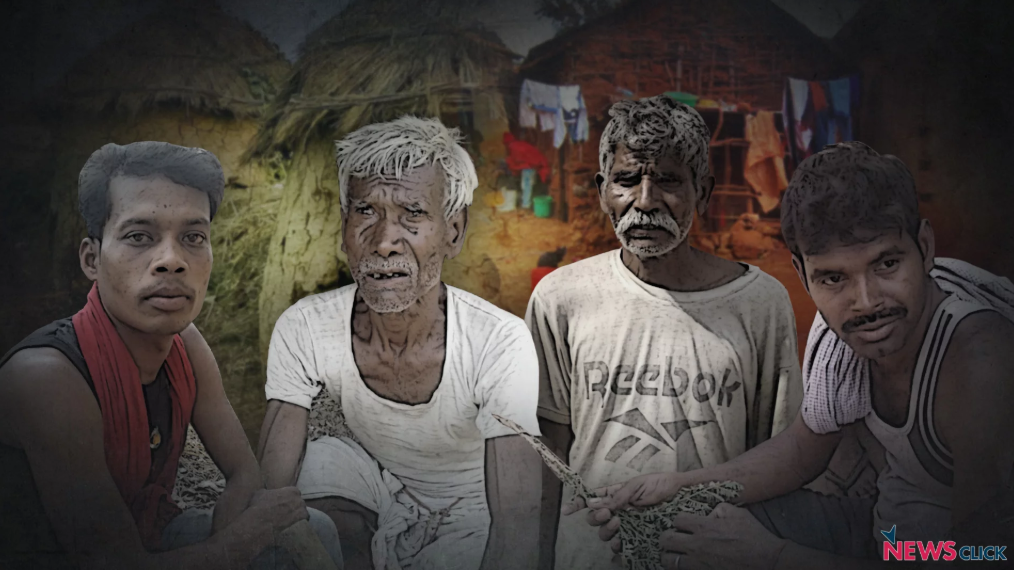
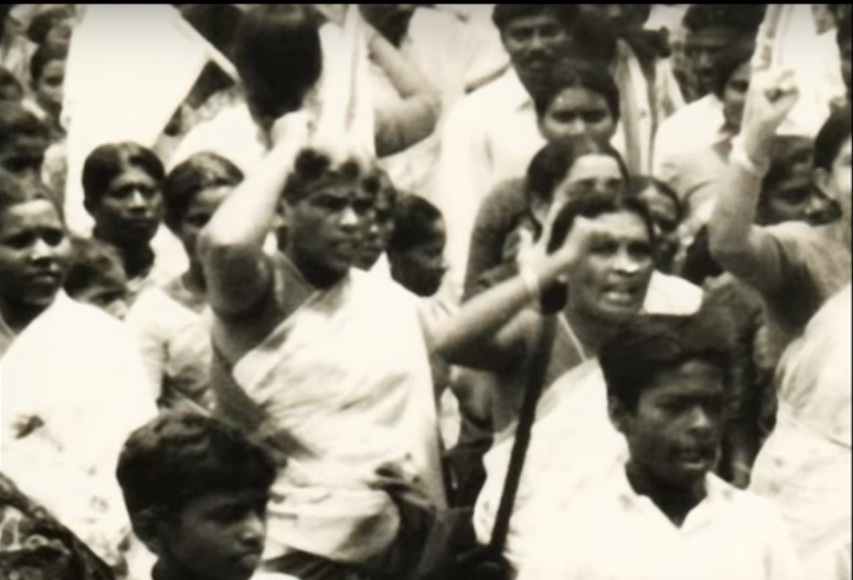
Category Archives: Law

Whatever Happened to Struggle Against Untouchability

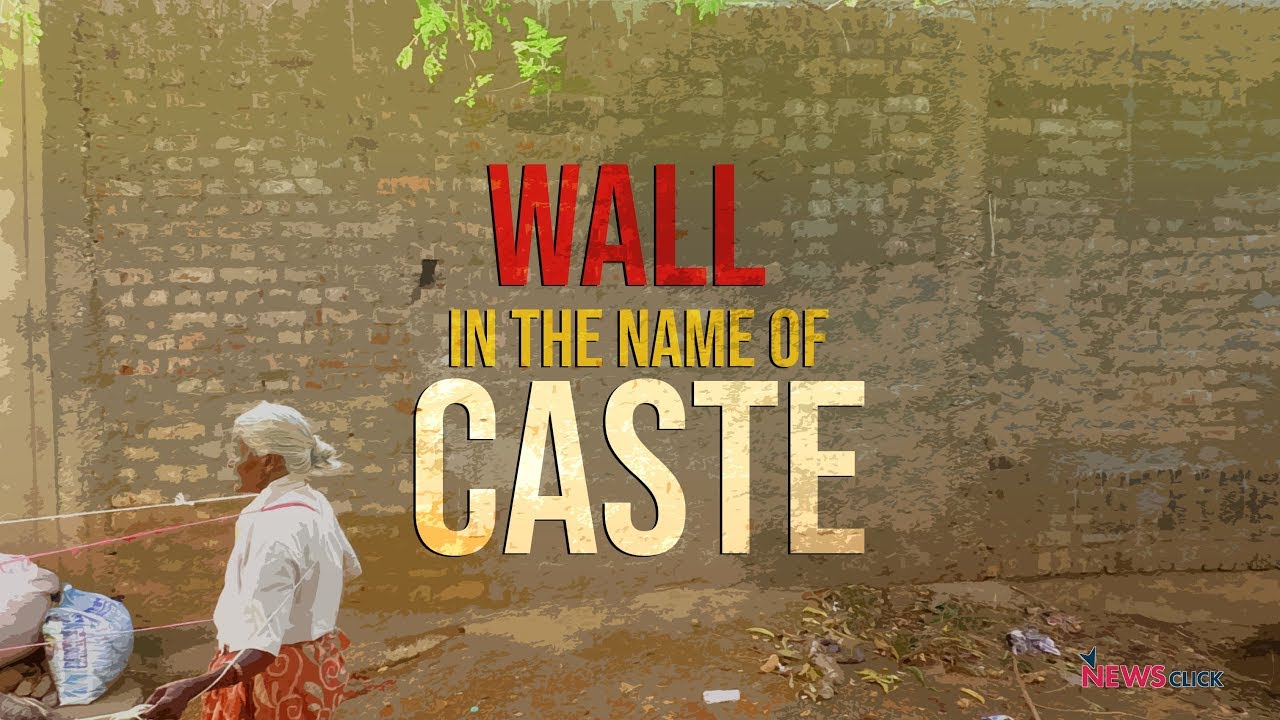
Untouchability Walls keep rising and falling in Tamil Nadu.

Whatever Happened to Struggle

BR Ambedkar wrote in Annihilation of Caste that “…the world owes much to rebels who would dare to argue in the face of the pontiff and insist that he is not infallible. I do not care about the credit which every progressive society must give to its rebels. I shall be satisfied if I make the Hindus realize that they are the sick men of India, and that their sickness is causing danger to the health and happiness of other Indians.”

In 2008, Uthapuram, a village in Madurai, Tamil Nadu, had made national headlines. It was the year when the Karunanidhi-led DMK state government had taken the initiative to demolish a portion of a thirty-metre wall that had been raised by the dominant Pillaimar community, an OBC caste which had wanted to keep residents of the Devandra Kula Vellalar community, which falls under the Scheduled Caste category, out of the Mariamman temple.

Built in 1989, this wall had become a symbol of segregation based on caste and organisations like Tamil Nadu Anti Untouchability Front, along with other groups and individuals had been conducting agitations to end this discrimination. Finally, the DMK government was forced to take action.

This was perhaps the first time that the rest of India came to know about the prevalence of this pernicious practice in Tamil Nadu. The demolition of the wall was projected as a significant step to move towards caste annihilation.

The recent death of 17 dalits in Mettupalayam wall collapse, in which members of the arunthathiyar dalit caste lost their lives is a reminder of how our celebrations were premature. And that when it comes to caste and its attendant exclusions and discriminations, India still has miles to go.

(Read the full article here https://www.newsclick.in/Whatever-Happened-Struggle-Against-Untouchability)

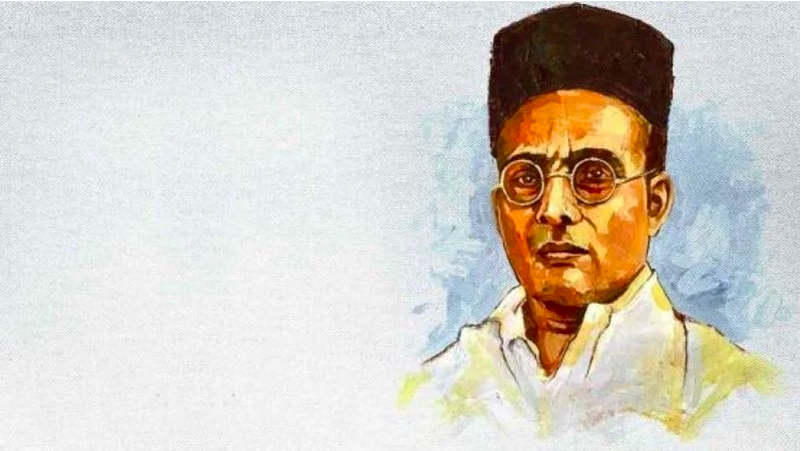
Savarkar, India’s ’Ratna’ of a Different Kind!

BJP’s poll promise of Bharat Ratna for Savarkar, who inspired a wide spectrum of fanatic individuals and violent organisations, shows the moral vacuousness of the Hindutva project

Savarkar

“The curious fact is that as we move into the 21st century, historians have become central to politics. We historians are the monopoly suppliers of the past. The only way to modify the past that does not sooner or later go through historians is by destroying the past….Mythology is taking over from knowledge”.

It was in the wee hours of dawn of the 21st century that renowned scholar and historian, Eric Hobsbawm, had talked about the process of  “destroying the past” to “modify” it or how “mythology is replacing knowledge” in his speech at Columbia University in New York City.

Much water has flown down the Ganges, the Rheins, the Yangtzes of the world and as we stand at the cusp of the third decade of the 21st century, one realises that how this process — both literally and metaphorically — has advanced to different corners of the globe.

With the ascent of Hindutva supremacist forces in polity and society in this part of the world, perhaps this process has reached its extreme, so much so that every other saffronite seems to have gathered enough confidence to claim legitimacy to any weird thing. The news that the Bharatiya Janata Party (BJP), in its election manifesto (for the Maharashtra Assembly) has promised that it would confer Bharat Ratna, the country’ topmost honour, on VD Savarkar if voted to power, should be seen in this light.

( Read the full text here : https://www.newsclick.in/Savarkar-India-Ratna-of-a-Different-Kind)

‘ईश्वर नहीं है’ कहने का अधिकार

Image result for periyar
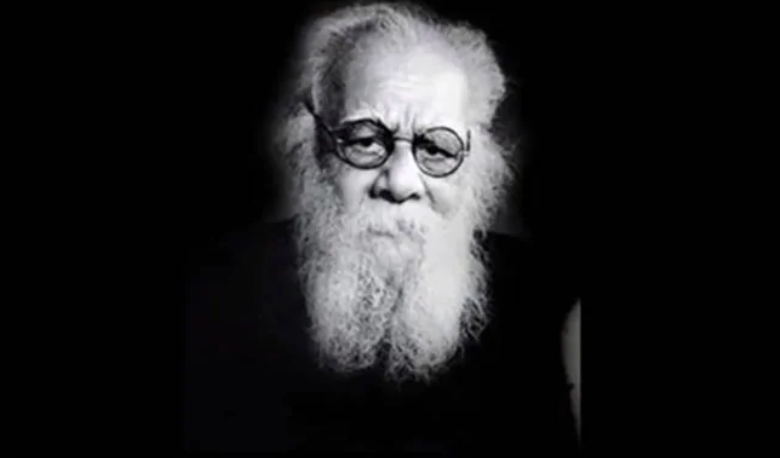
Periyar : Image – Courtesy velivada.com

क्या अभिव्यक्ति की स्वतंत्रता का अधिकार महज आस्थावानों के लिए ही लागू होता है ?

कभी कभी साधारण से प्रश्न का उत्तर पाने के लिए भी अदालती हस्तक्षेप की जरूरत पड़ती है।

मद्रास उच्च न्यायालय की – न्यायमूर्ति एस मनिकुमार और सुब्रहमण्यम प्रसाद की – द्विसदस्यीय डिवीजन बेंच को पिछले दिनो ंयह दोहराना पड़ा कि अभिव्यक्ति का अधिकार – जो भारत के संविधान के तहत मिले बुनियादी अधिकारों में शुमार है – सार्वभौमिक है और इसे समयविशेष के बहुमत के आंकड़ों के आधार पर तय नहीं किया जा सकता।

मालूम हो कि किन्ही दैवानायागम ने न्यायालय में यह जनहितयाचिका दाखिल की थी और कहा था कि तमिलनाडु के त्रिची में पेरियार की मूर्ति पर जो नास्तिकता के उद्वरण दिए गए हैं, वह ‘सार्विक ईश्वर’ को माननेवालों के लिए आपत्तिजनक हैं और उन्हें हटा दिया जाए। याद रहे रामस्वामी नायक / 17 सितम्बर 1879-24 दिसम्बर 1973/ जिन्हें ‘पेरियार’ नाम से जाना जाता है, वह आत्मसम्मान आन्दोलन के अग्रणी थे, द्रविड कझगम के संस्थापक पेरियार एक जुझारू किस्म के समाज सुधारक भी थे। याचिकाकर्ता ने मूर्ति पर लिखे उद्धरण के बारे में ‘‘कोई ईश्वर नहीं है, ईश्वर नहीं है और वाकई ईश्वर नहीं है..’ के पेरियार द्वारा कहे जाने पर भी सवाल खड़े किए थे। Continue reading ‘ईश्वर नहीं है’ कहने का अधिकार

There is no God And You Can Say so

Academics focus on secularism when secularisation can save the day.

There is no God And You Can Say so

Image Courtesy : NDTV

A simple query sometimes occasions judicial intervention: Does the right to freedom of expression apply merely to believers? On September 6, the Madras High Court dismissed a Public Interest Litigation filed by M Deivanayagam raising such a question. The petitioner wanted the atheistic inscriptions placed under the statue of Periyar, father of the Dravidian movement, installed in Tiruchirappalli, to be removed. He argued that the inscriptions are offensive to those who believe in a “universal god”.

The court upheld the right to freedom of expression—which is a part of the fundamental rights under India’s Constitution. It has reiterated that this right is universal and cannot be altered by numerical majority at any point of time.

Deivanayagam had also challenged the authenticity of the inscriptions attributed to Periyar. It reads as follows: “There is no god, no god, there really is no god/ He who created god is a fool/ He who preaches god is a scoundrel/ He who prays to god is uncivilised.”

The division bench of Justices S Manikumar and Subramonium Prasad dismissed the petition, emphasising that if a believer has the constitutional right under Article 19 to express her or his views on the existence of god and religion, then a non-believer has equal right to disagree and claim that there is no god.

Ramasamy Naicker, who is known as Periyar, pioneered the self-respect movement which sought equal status for the backward sections of in Tamil Nadu. He also founded the Dravida Kazhagham anti-caste movement and was a militant social reformer who died in 1978.

( Read the full text here :https://www.newsclick.in/There-no-God-You-Can-Say-so)

Lynchistan

Southern trees bear a strange fruit,

Blood on the leaves and blood at the root,

Black bodies swinging in the southern breeze,

Strange fruit hanging from the poplar trees.

The word lynching conjures up images of a dark period in the history of the United States of America. Between 1877 and 1950, white supremacist gangs murdered 4,000 African Americans, while the government and the police looked the other way. James Baldwin, whose essays Dark Days captures the unfolding violence, wrote, ‘A mob is not autonomous. It executes the real will of the people who rule the State’. In 1888, white supremacists lynched seven African American men for drinking from a well – which they had said was for ‘white’s only’. Baldwin recounts that story and writes, ‘The blood is on the hands of the state of Alabama which sent those mobs into the street to execute the will of the State’.

The lyrics quoted above are from the iconic song – Strange Fruit – written by the communist artist Abel Meeropol and sung by Billie Holiday. Continue reading Lynchistan

Exclusion of 19 Lakh People Shows the Irrationality of #NRC Exercise: Joint Forum Against NRC

The Final NRC published today has excluded a whopping 19.06 lakh persons in Assam. The NRC process had shifted the burden of proof of citizenship on to the entire population of Assam, with people undergoing deep travails over the past four years to get their names included. In a poor country like ours and in a state which witnesses frequent floods, it is not unnatural that lakhs of people were unable to produce documents to prove that they or their ancestors were inhabitants of Assam before 24th March 1971. To rob people of their citizenship and rendering them stateless on the basis of this flawed process would be a gross violation of the fundamental rights guaranteed by the Indian Constitution.

Continue reading Exclusion of 19 Lakh People Shows the Irrationality of #NRC Exercise: Joint Forum Against NRC

Books About Wars in Your Country

A brief history of books, resistance, the police and politicians.

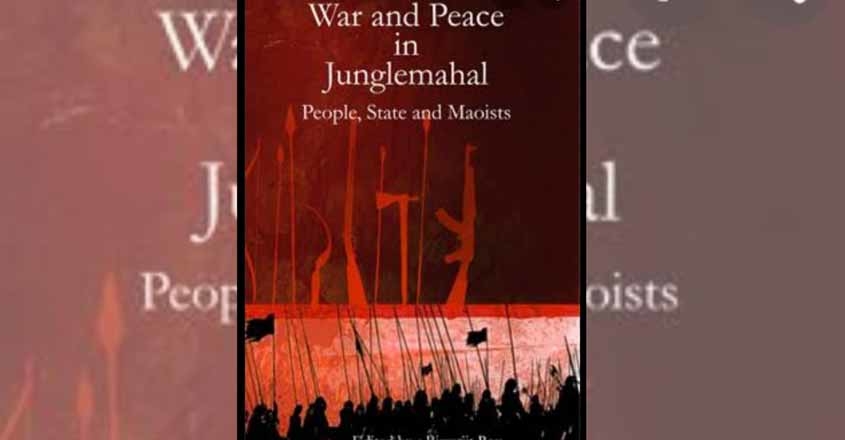
War and Peace

It is humanly impossible for even the most learned judge to have read every book referred to in their court. For a brief while this week, the judge conducting the trial of activist Vernon Gonsalves, an accused in the Bhima Koregaon incident of 2018, became an example of this. That was until the judge clarified that he is, in fact, aware of the Russian writer Leo Tolstoy and his epical novel War and Peace.

His response when the Bhima Koregaon charge sheet was placed before his court proves he knew of the provenance and contents of War and Peace. The confusion, it now appears, arose because the charge sheet had mentioned another book with a similar title. That is how the judge had ended up asking Gonsalves’ lawyers why their client possessed a book about wars in “other countries.”

It is not the judge’s knowledge of great literature but his belief that books about wars in other countries should not be owned (or read) by Indians that is a bigger surprise. Of course, since that remark, many commentators have pointed out that Tolstoy’s writings supported peace and not war. Accordingly, Mahatma Gandhi’s long correspondence with the literary legend is being highlighted afresh.

That said, this is not the first time that judges have expressed a curious indifference to the value of the written word, whether fictional or literary. The question arises, how can we tell if this incident is an aberration or the tip of an iceberg of flimsy excuses to keep people behind bars.

( Read the full article here : https://www.newsclick.in/books-about-wars-your-country)

Queerness as disease – a continuing narrative in 21st century India: Kaushal Bodwal

Guest post by KAUSHAL BODWAL

In August 2018, it came to my knowledge that a few of my pictures wearing sarees were circulating in my extended family’s WhatsApp group. Phone calls from home regarding my “obscene” behaviour were followed by a shift in the entire conversation towards my having some illness that needed to be cured. At some point my mother called me to tell that one of my aunts knew a doctor who can heal me. My first thought was that she was joking; unfortunately, she was only too serious. Once I registered the gravity of the situation, I panicked. Even though I was staying in a closed campus, I was not sure of my family’s potential to do what they claimed they wanted to.

The issue was with both my gender expression and my sexuality. I was a male assigned at birth walking in a saree and they thought that it was because of my interest in men. One of my aunts assured my mother that my love for sarees will end once my homosexuality is cured. The next time I went home, I was anxious and terrified. I knew I had to speak to them and explain what was going on. There were going to be a lot of questions. It’s not as I had ready-made answers for them, especially since the understanding of gender and sexuality that I had was not easy to articulate in my native language of Haryanvi. Through whatever words I could, I came out to my parents. My mom cried and my father stood numb. But mostly, confused. Despite their anger and other emotional expressions, the overall emphasis was on going to a doctor to get me fixed. After all, I was sick. Continue reading Queerness as disease – a continuing narrative in 21st century India: Kaushal Bodwal

A Crime of ‘Pure’Indifference

The ethic that dehumanises dalits continues 72 years after the country’s Independence.

A Crime of ‘Pure’

What, to the American slave, is your Fourth of July? I answer: a day that reveals to him, more than all other days in the year, the gross injustice and cruelty to which he is the constant victim. To him, your celebration is a sham; your boasted liberty, an unholy license; your national greatness, swelling vanity; your sounds of rejoicing are empty and heartless… There is not a nation on the earth guilty of practices more shocking and bloody than are the people of the United States, at this very hour.

These fiery lines from a speech delivered on July 4, 1852 in New York by Frederick Douglass, a former slave who had become a national leader of the abolitionists, rattled a predominantly White audience. The speech was delivered 10 years before slavery in the Southern states was abolished.

More than 80 years later, on August 14, 1931, Dr Bhimrao Ambedkar, a Columbia University and London School of Economics graduate, who was then leading a movement of the oppressed and exploited in India, met Mahatma Gandhi for the first time. “Gandhiji, I have no homeland,” Ambedkar told Gandhi, according to a transcript of that meeting. “No untouchable worth the name will be proud of this land.” As expected, the Varna (caste) mindset that dominated India then did not take kindly to Ambedkar’s charge.

( Read the full article here : https://www.newsclick.in/A-Crime-Pure-Indifference-Dehumanises-Dalits)

Will India Remember Dadri’s Akhlaq, as Germany Recalls Victims of Nazi Barbarism?

The German acceptance for stolpersteine plaques helps them honour victims of Nazism. One wonders if it will ever be possible to take up similar projects in this part of South Asia.

Germany Recalls Victims of Nazi Barbarism

Hier Wohnte Bernhard Marx

JB 1897

Deportiert 20.07.1942

Minsk

Ermordet 24.07.1942

‘Here lived Bernhard Marx

Year of Birth 1897

Deported 20.07.1942

Minsk

Assassinated 24.07.1942’

It was while walking past a desolate street in Bonn that we stumbled upon some brass plates on which the names of the members of a family were engraved. The name Bernhard, supposedly the head of this family, was engraved on the first plate, followed by three to his right: Erna Marx Geb Hartman, (born 1899), Helena (1929) and Julie (1938).

This was an ill-fated Jewish family from Bonn, deported to the dreaded Minsk concentration—rather extermination—camp that was brutally murdered just four days after they got there. The youngest, Julie was barely four when she died.

Estimates of how many died in this camp over a period of two years vary but at least 65000, mainly Jews, perished there until it was liberated by the Soviet forces.

The young researcher who was our host and guide to the city said that the brass plaques, raised on stone, are called stolpersteine. Stolper means to stumble in German and steine means stone. The idea behind erecting stolpersteine is to raise awareness about events that took place in the late thirties and early forties in this region, when millions of innocent people—Jews, Romas, Jehovah’s Witnesses, homosexuals and political dissidents—were sent to the gas chambers or brutally killed by the Nazi regime.

( Read the full article here : https://www.newsclick.in/India-Remember-Dadri-Akhlaq-Germany-Victims-Nazi-Barbarism)

Standing up for those who stood with us – Statement of support for Lawyers Collective

We, the undersigned concerned citizens, are extremely perturbed at the increasing tendency of the Government, through its agencies, to use excessive power to curb the voice of the people, which is the very essence of democracy.

The work of Lawyer’s Collective in general and that of Indira Jaising and Anand Grover in particular, has contributed to changing the lives not just of individuals but of citizens of a democratic republic. They have not only represented the rights of individuals and communities such as slum dwellers, workers, trade unions, prisoners, SC/ST associations, Bhopal Gas tragedy victims, women, LGBTQ+ and other marginalized communities as lawyers, but have also contributed immensely to the discourse of human rights and state accountability as public intellectuals.

Continue reading Standing up for those who stood with us – Statement of support for Lawyers Collective

God in the Classroom!

Unfolding Debate about Secularising Education

( To be published in ‘Indian Journal of Secularism)

“There is in every village a torch – the teacher; and an extinguisher – the priest.”
-Victor Hugo

Introduction
“Keep the words God, Jesus and the devil out of the classroom.”

A school teacher’s message on the first day of the school for first-grade students had caused tremendous consternation among a section of the parents.

She had a simple rationale to present her proposal. With their being a public school with children coming from different religions and beliefs joining it, she did not “[w]ant to upset a child/parent because of these words being used,” In her letter she had also advised them to talk to the children when they go to the church/temple/synagogue – whatever might be the case – or discuss the issue at home at an appropriate time and place of talking about it.” (https://www.indystar.com/story/news/education/2017/08/30/teacher-tells-first-graders-dont-talk-god-classroom/612118001/)

Well, instead of the discussion getting fixed on the slow imposition of the concept of God or closing of child’s minds it turned into a debate on students’ free speech rights. It did not take much time for the management of the school to rescind this proposal.

There is nothing new about this dilemma faced by a teacher who has welfare of students at the center of her/his concerns. Continue reading God in the Classroom!

Sexual Harassment ‘in-house’ for the Supreme Court – is sunlight the best disinfectant? Pratiksha Baxi

Guest Post by PRATIKSHA BAXI

The publication of a sworn affidavit by a former Supreme Court staffer testifying to sexual harassment by the Chief Justice of India has been treated as a scandal, whether the complainant was believed or not. And the subsequent events – an extraordinary suo moto hearing, allegations of a conspiracy against the independence of the judiciary, the in-house committee’s decision to exonerate the CJI – have evoked the normative question whether such forms of judicial exceptionalism are the necessary condition for judging in our courts.

Yet asking such questions ran the risk of being labelled as an ‘institution de-stabiliser’. The intent was to invent social consensus by deploying labelling as a technique of censoring and delegitimising feminist critique. Not so long ago women who challenged male authority were described as witches, today they are labelled anti-national, institution destabilisers, presstitutes or simply, left-liberal/JNU type.

However, whether one walks right, left, centre or zigzag, it cannot be denied that jurisprudential questions need answers beyond the specifics of this case. One would have thought that it is also in the interest of all judges to devise a procedure that is constitutionally sound and invested in gender justice, while recognising the specific problems that judges may have because of the nature of their work. And that the Supreme Court would recognise that it is in the interest of every survivor of sexual harassment, irrespective of ideology or status, to be provided normative answers.

Continue reading Sexual Harassment ‘in-house’ for the Supreme Court – is sunlight the best disinfectant? Pratiksha Baxi

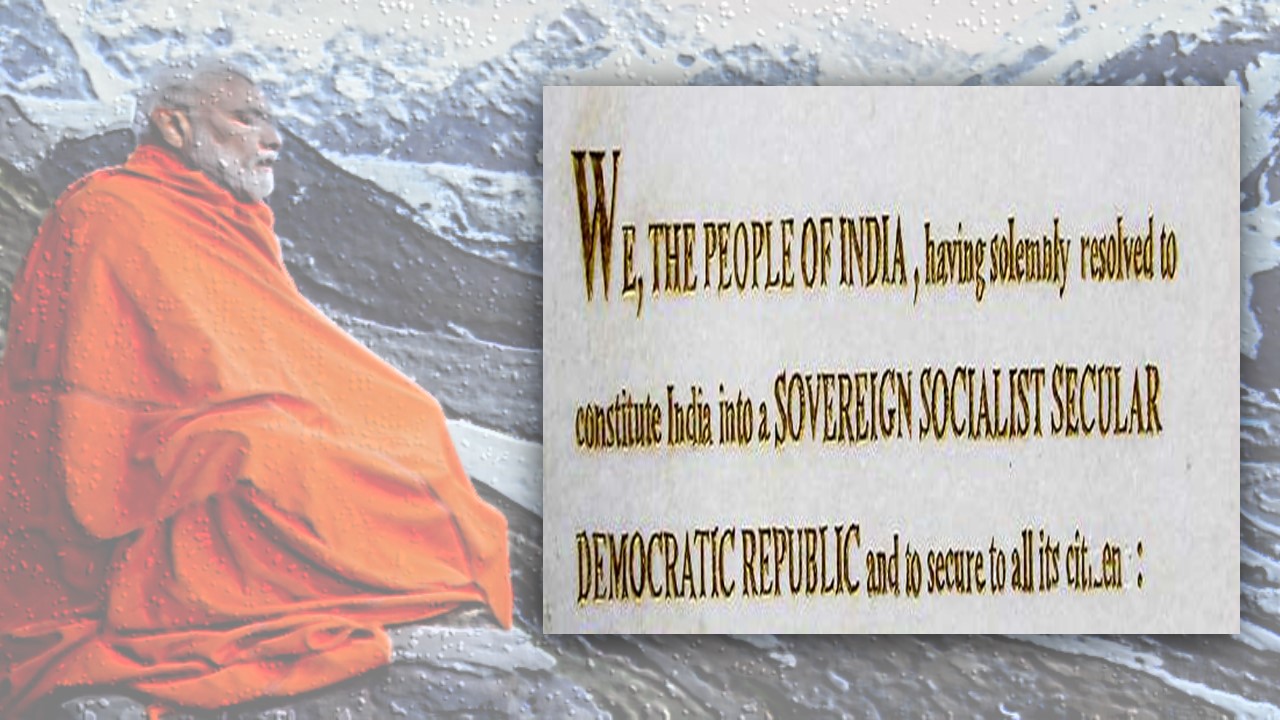
Modi’s Meditation ‘Tour’

The art of legitimising religiosity in a secular country and live happily ever after.

Modi in KedarnathReligion is regarded by the common people as true, by wise people as false and by the rulers as useful. — Seneca (4 BC-AD65)
A picture is worth a thousand words.

An outgoing Prime Minister of the ‘world’s biggest democracy’ seen meditating under the glare of cameras in a cave specially opened for the occasion and with a dress stitched for the event, conveys many things simultaneously.

First and foremost, it tells us that the present incumbent to the post would at least be remembered for his varied sartorial tastes among the galaxy of PMs who headed the republic earlier. It appears that either all the others lacked the sense to dress for the occasion or found it a mundane job not befitting the post and the responsibilities they held then. Continue reading Modi’s Meditation ‘Tour’

Statement in Support of Prof Ram Puniyani

Condemn attempts at intimidating Prof Ram Puniyani

Related image

To
The Commissioner of Police
Mumbai

We the undersigned strongly condemn the way in which attempts were recently made to intimidate Prof Ram Puniyani by people supposedly belonging to CID. We fear that it is to silence his voice which has always remained critical of communal forces and has fought for peace and harmony.

We are told that on 9 th March three men who said they were from CID visited his home in the garb of an inquiry for passport, which neither Prof Ram Puniyani had applied for nor did anyone else from his family applied for one. What is worrisome is that they asked all kinds of objectionable questions to him and his family members.

Looking at the fact that not only the Maharashtra government but the BJP led dispensation at the center is trying to suppress all voices of dissent against their acts of omission and commission – which has generated tremendous concern among human rights defenders everywhere – we feel that this can be a precursor to involve him in some legal hassles, or implicate him in some case so that he is silenced.

It need be underlined here that Prof Ram Puniyani, who was a professor in biomedical engineering at the prestigious Indian Institute of Technology Bombay had taken voluntary retirement in December 2004 to work full-time for communal harmony in India. Author of many books on communal harmony and secularism, he writes regularly in different publications to strengthen voices of sanity and has consistently questioned and challenged divisive forces of various kinds and has even received the prestigious Indira Gandhi Award (2006) and National Communal Harmony Award (2007) apart from many other awards for his work.

We demand that an inquiry be ordered into this whole episode and the guilty be brought to book for their act of intimidating a widely known writer and noted activist.
Endorsed by

( Please send your endorsements to Ms Shabnam Hashimi, shabnamhashmi@gmail.com latest by 11 am 13 th March 10)

My Friend Anand

Image result for anand teltumbde

It is rather difficult to begin when you know that within a few days or weeks, one of your close friends could be behind bars under one of the most draconian laws crafted by this Republic.

The world knows him as Anand Teltumbde, but for me he has always been Anand.

Merely four months ago, we were together in a seminar in Vijayawada (Andhra Pradesh) where Anand spoke on one of his key concerns, namely, the divergence between dalit and Left movements. Continue reading My Friend Anand

Hindutva Terror and Left Hegemony: After Women’s Entry into Sabarimala

Hours after the two women entered Sabarimala, the Hindu terrorists began their handiwork. Mad mobs, including women, began to roam the streets and attack by-passers, in their desperation to foment violence and provoke riots. In Karunagappally, Muslim establishments and shops were singled out for vandalism. The Sangh-backed Sabarimala Action Council called for a hartal today and they have spared no effort to make sure that people are terrorized. Continue reading Hindutva Terror and Left Hegemony: After Women’s Entry into Sabarimala

The Triumph of Streevaashi! Women break the wall of caste at Sabarimala

Out of the dark, seemingly never-ending night, a streak of light! Two women of menstruating ages, Bindu and Kanakdurga, finally entered Sabarimala, breaking the concerted walls built against them by brahmanical-Hindutva male authorities on the right and left. Continue reading The Triumph of Streevaashi! Women break the wall of caste at Sabarimala

50 Years Later, Shadow of Keezhvenmani Continues to Hover Over our Republic

December 25, 1968, termed as ‘Black Thursday’, saw the first mass crime against Dalits in independent India, who were fighting for respectable wages under the leadership of the Communist Party.

50 Years Later, the Shadow Keezhvenmani Continues to Hover Over our Republic

Image for representational use only; Image Courtesy : Socialist India

P Srinivasan, a veteran village functionary who cremates the dead had, in an interview done few years ago, described the darkening early morning on December 26, 1968, when the bodies began arriving from Keezhvenmani, a non-descript village in Thanjavur district of Tamil Nadu.

The village functionary, called Vettiyan, who is nearing 60 now, still remembered the number: “There were 42 corpses in all, horribly burnt and mangled. The stench was awful,” Pointing towards the plot of land where they were cremated, he said “All of them were Dalits, burnt to death in a caste clash. I cremated them on these very grounds.”

Srinivasan, then 23-year-old, shared vivid details of that ‘Black Thursday’ in 1968, a day that has remained etched in his mind.

December 25, 2018, completes 50 years of that ‘Black Thursday in 1968’, which is remembered as the first massacre of Dalits in independent India. The Dalits were martyred while fighting for respectable wages under the leadership of the Communist Party. All of these landless peasants had started to organise themselves into a campaign for higher wages following the increase in agricultural production in the area.

(https://www.newsclick.in/50-years-later-shadow-keezhvenmani-continues-hover-over-our-republic)

An Open Letter to Brinda Karat about Rehana Fathima: Why are we being hunted in Kerala?

Dear Comrade

Last year, around this time, I wrote you an open letter about the plight of Hadiya Asokan who was being hunted down by the Hindutva groups for her choice of faith and partner while the CPM and its cyber force was either actively abetting the violence or watching passively. I wrote in joy, because you had taken a firm stand and despite angry howls of protest against you from your own party. However, this time, I write in sheer despair at your silence; not just yours, but of the AIDWA in Kerala in general, in the wake of the twisted machinations of the Hindutva forces around the Supreme Court’s order permitting the entry of women of menstruating ages to the Sabarimala temple. Continue reading An Open Letter to Brinda Karat about Rehana Fathima: Why are we being hunted in Kerala?

‘आधार’ न बचा, न मरा, बचा केवल मदमस्त सफ़ेद हाथी : राजेन्द्र चौधरी

Guest post by RAJINDER CHAUDHARY

Aadhar for Hanumanji
Aadhar for Hanumanji, image courtesy Aaaj Tak

उच्चतम न्यायालय के बहुमत ने ‘आधार’ पर दिये गए हालिया फैसले में सरकारी योजनाओं, सब्सिडी इत्यादि का लाभ लेने के लिए आधार अनिवार्य करने के सरकारी फैसले को सही ठहराया है। इस के साथ ही आयकर दाता के लिए भी आधार अनिवार्य कर दिया है। इस के अलावा बाकी जगह इस के प्रयोग को अवैध ठहरा दिया है; अब न मोबाइल फोन और न बैंक खातों के लिए यह ज़रूरी रहेगा। न निजी कंपनियाँ इसे मांग या प्रयोग कर पाएँगी। यह सब अब बच्चा बच्चा जानता है। सवाल यह है कि इस परिस्थिति में अब आधार का क्या प्रयोजन बचा है?
सरकार ने अदालत में आधार को कर-चोरी, काले-धन और आतंकवाद के खिलाफ लड़ाई और राष्ट्रीय सुरक्षा के लिए एक सशक्त हथियार के तौर पर प्रस्तुत किया है (बहुमत समेत तीनों फैसलों की एक संयुक्त फाइल का पृष्ठ 1095-6)। काले-धन के खिलाफ लड़ाई के लिए बैंक खातों और पैन को आधार से जोड़ना अनिवार्य किया गया था। आतंकवाद से लड़ने एवं राष्ट्रीय सुरक्षा के लिए मोबाइल फोन के लिए आधार अनिवार्य किया गया था। अब जब बैंक खातों और मोबाइल फोन के लिए आधार अनिवार्य नहीं रहा, तो अब आधार इन दोनों उद्देश्यों की पूर्ति के लिए किसी काम का नहीं रहा। लोगों के छद्म नाम से कई-कई खाते चलते रहेंगे और काले धंधे का कारोबार जैसे अब तक चलता रहा है, वैसे ही चलता रहेगा। आयकर दाता के लिए आधार अनिवार्य करने से काले धंधे और काली कमाई पर कोई खास फर्क नहीं पड़ेगा। अदालत के आधार को वैध ठहराने वाले एक जज ने भी अपने फैसले में कहा है कि बैंक खाता और पैन कार्ड दोनों का लिंक होना ही प्रभावी होगा (अकेला पैन कार्ड नहीं; इस लिए उन्होने बैंक खातों के लिए भी आधार को वैध ठहराया है हालांकि अल्पमत होने के चलते उन के फैसले का यह अंश प्रभावी नहीं होगा (पृष्ठ 55 माननीय जज अशोक भूषण के फैसले का/पृष्ठ 1103 तीनों फैसलों की संयुक्त फाइल का)।
Continue reading ‘आधार’ न बचा, न मरा, बचा केवल मदमस्त सफ़ेद हाथी : राजेन्द्र चौधरी