Category Archives: Culture

Imagining India for Contemporary Politics- What Should the Left Do? : Ravi Sinha


(Webinar – Sunday, July 19, 5 pm)

Shakespeare said, what is past is prologue. A simple-minded rationalist may be contented to assume that past is fixed as it has already gone into the making of the present. Nothing can be done to change it. The truth however is that past is being ‘remade’ every day. Imaginations of ancient glories or of humiliating defeats in the distant past are being deployed in contemporary politics all across the world. This phenomenon has been a key element behind the resurgence of rightwing in many countries. Contemporary India is a calamitous example where a perverse variant of mass-democratic politics has been fashioned through the political ideology of Hindutva resulting in serious damage to democracy and to people’s welfare.

Contemporary politics is driven more pressingly to such ideological re-imaginings in the conditions of vigorously competitive electoral democracies. The phenomenon is far more pronounced in countries with a significant minority (religious, racial, linguistic-cultural etc.) that can be portrayed as a historical villain. The majority can, then, be mobilized through the political process of polarisation in which some historical-civilizational-social tectonic plate is deployed in the service of electoral-political objectives. India is a pre-eminent example of this tragic phenomenon.

Invariably, left and progressive forces find themselves handicapped in these circumstances. Attempts to prove that such polarising strategies based on re-imagining the past are malignant turn out to be politically ineffective. A typical response from such forces has been to counter the emotive with the economic and to challenge cultural nationalism with anti-colonial, anti-imperialist nationalism. These strategies have failed miserably. Other social and resistance movements too have attempted partial re-imagining of India’s past from the standpoint of traditionally oppressed communities (Dalit, feminist, native-ist, etc.). While offering some resources to the respective movements, these efforts have failed equally miserably in challenging the Hindutva’s cultural nationalism. The efforts of some of the liberal bourgeois forces, on the other hand, to gain ground by partly imitating the Hindutva forces (variants of soft hindutva) have been no more than a laughing stock. Continue reading Imagining India for Contemporary Politics- What Should the Left Do? : Ravi Sinha

Discourse of Hindu Unity and Challenges in the Struggle Against the Right


In a recent book Hindu Ekta Banaam Gyan ki Rajneeti [Hindu Unity versus the Politics of Knowledge] (Vani 2019), my colleague and friend Abhay Kumar Dubey raises some extremely important issues that have now become central to the struggle for a more just and inclusive India. The book is in Hindi and written in the highly provocative and combative style that characterizes most of Abhay’s writings but there is something profundly disturbing – and enlightening – about the key point that  he has to make. In this brief piece I discuss it here for the benefit of the non-Hindi reader (which is not the same as ‘English-speaking’ or ‘English-educated’). However, those who understand Hindi and are interested can watch the 42-minute discussion between Abhay Dubey and myself (recorded in Janaury this year) for the Youtube book discussion channel Parakh run by Kamal Nayan Choubey. The video is embedded this post below.

The central concern of the book is with certain blindspots in what Abhay calls the ‘Centrist discourse’ [madhyamargi vimarsh] or interchangeably, ‘anti-majoritarian discourse’ [bahusankhyakvaad virodhi vimarsh] – which, for some reason, has been rendered as ‘secular ideology’ by Yogendra Yadav in a recent piece in The Print. (Yadav’s piece and Rajmohan Gandhi’s response in defense of ‘secular ideology’ can he read here and here). In keeping with Abhay’s usage, I will use the term ‘anti-majoritarian’ rather than ‘secular’ discourse for this specific configuration that emerges in the the 1990s, for as we will see, this is not a simple continuation of the secular discourse of the 1980s. For the earlier discursive formation, however, I will continue to use the term secular and we will see below how the two differ.

The blindspots that Abhay insistently and relentlessly draws the readers’ attention to, have to do with the very superficial and often hugely misleading understanding of the Rashtriya Swayamsevak Sangh (RSS) and its deeper connections with the much longer and larger history of the project of forging ‘Hindu unity’.

Continue reading Discourse of Hindu Unity and Challenges in the Struggle Against the Right

Cisco Case Shows Indians Still Take Caste Where they Go

How discrimination is integrated into the daily lives of the Indian diaspora still needs to be understood.

Cisco Case Shows Indians

What happens to caste when Indians migrate to Western countries? Do their feelings of being born superior or inferior, their belief in the purity-pollution ethic, just melt away? The “model minority” has tried to avoid a conversation on this issue but it returns to haunt them time and again. Now the American state of California is at the centre of yet another caste controversy.

The last serious discussion around Indian-Americans and caste took place in 2015, when the California State Board of Education initiated a regular ten-year public review of the school curriculum framework. The conservative Hindu American Foundation (HAF) and the South Asian Histories for All Coalition (an interfaith, multi-racial, inter-caste coalition) clashed over HAF’s proposed interventions, which essentially sought to erase caste from the syllabus. The Coalition took the position that evidence and record of the injustices of caste and religious intolerance in South Asian must not be erased.

( Read the full article here)

सलाह: मुरीद बरघूती/अनुवाद: आयेशा किदवाई

You can read the English translation by Radwa Ashour, of Palestinian poet Mourid Barghouti’s poem Counsel, below this translation into Hindustani by AYESHA KIDWAI

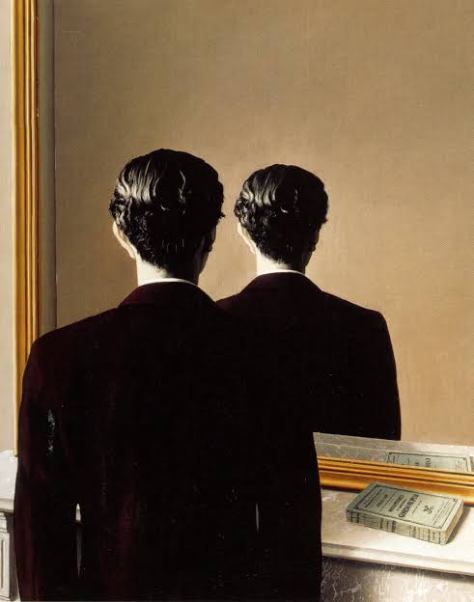
“La reproduction interdite” by Rene Magritte 1937.

सलाह 

हैरत ज़दा, असमंजस में,

उस ने हमें बुलवाया

और हम हाज़िर हुए.

उसकी संगेमरमर की बालकनी के तले खड़े हुए:

दुखी लग रहा था वो.

हाथ लरज़ रहे थे

जब से एक ज्योतिष ने उस से ये कह दिया था

किसी की सलाह नहीं लोगे, तो मौत पक्की है“. Continue reading सलाह: मुरीद बरघूती/अनुवाद: आयेशा किदवाई

जातिगत भेदभाव को लेकर कब ख़त्म होगा भारतीयों का दोहरापन

भारतीयों के मन में व्याप्त दोहरापन यही है कि वह ऑस्ट्रेलिया में भारतीय छात्रों पर होने वाली ज़्यादतियों से उद्वेलित दिखते हैं, पर अपने यहां के संस्थानों में आए दिन दलित-आदिवासी या अल्पसंख्यक छात्रों के साथ होने वाली ज़्यादतियों को सहजबोध का हिस्सा मानकर चलते हैं.

(फोटो: रॉयटर्स)

(फोटो: रॉयटर्स)

‘जाति समस्या- सैद्धांतिक और व्यावहारिक तौर पर एक विकराल मामला है. व्यावहारिक तौर पर देखें तो वह एक ऐसी संस्था है जो प्रचंड परिणामों का संकेत देती है. वह एक स्थानीय समस्या है, लेकिन एक ऐसी समस्या जो बड़ी क्षति को जन्म दे सकती है. जब तक भारत में जाति अस्तित्व में है, हिंदुओं के लिए यह संभव नहीं होगा कि वह अंतरजातीय विवाह करें या बाहरी लोगों के साथ सामाजिक अंतर्क्रिया बढ़ाएं. और अगर हिंदू पृथ्वी के दूसरे हिस्सों में पहुंचते हैं, तो फिर भारतीय जाति विश्व समस्या बनेगी.’

– डॉ. बीआर आंबेडकर (1916)

वर्ष 1916 के मई महीने में कोलंबिया विश्वविद्यालय में मानव वंशशास्त्र विभाग में सेमिनार में डॉ. आंबेडकर ने ‘भारत में जाति- उनकी प्रणाली, उनका उद्गम और विकास’ (Castes In India- Their Mechanism, Genesis and Development) पर अपना पेपर पढ़ा था.

पेपर पढ़ते हुए उन्होंने इस बात की भविष्यवाणी की थी कि किस तरह एक दिन जाति विश्व समस्या भी बनेगी, उनके बोल थे, ‘अगर हिंदू दुनिया के दूसरे हिस्सों में पहुंचते हैं, तो फिर भारतीय जाति विश्व समस्या बनेगी.’

उनके इस वक्तव्य के 104 साल बाद उसी अमेरिका के कैलिफोर्निया से आई यह खबर इसी बात की ताईद करती है.

ध्यान रहे कैलीफोर्निया राज्य सरकार की तरफ से वहां की एक अग्रणी बहुदेशीय कंपनी सिस्को सिस्टम्स के खिलाफ दायर एक मुकदमे के बहाने यही बात नए सिरे से उजागर हुई है, जिसका फोकस वहां कार्यरत एक दलित इंजीनियर के साथ वहां तैनात दो कथित ऊंची जाति के इंजीनियर द्वारा जातिगत भेदभाव की घटना से है. Continue reading जातिगत भेदभाव को लेकर कब ख़त्म होगा भारतीयों का दोहरापन

लो मैं उठी: माया एंजलो/अनुवाद: निवेदिता मेनन

MAYA ANGELOU recites her iconic poem Still I Rise, followed by the translation into Hindustani by NIVEDITA MENON below.


चाहे लिख दो मेरी कहानी,

झूठी, विकृत, कडवी सी,

चाहे कुचलो   मिट्टी में,

उड़ जाऊंगी,  धूल जैसी।


मेरी गुस्ताखी से हो नाराज़?

क्या इतना दुःख है दिल में?

मेरी चाल का यह गुरूर,

मानो तेल के कुँए बैठक में।

Continue reading लो मैं उठी: माया एंजलो/अनुवाद: निवेदिता मेनन

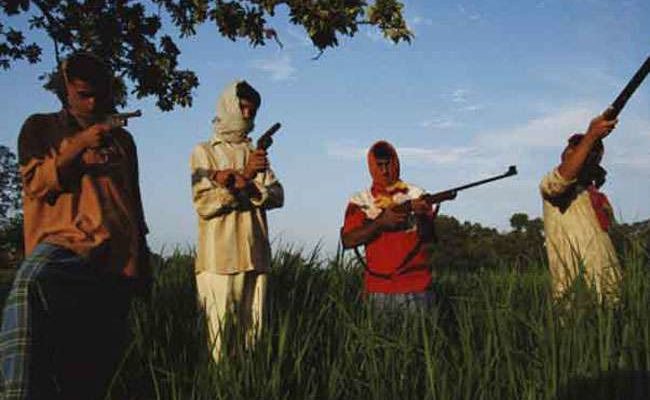
बिहार चुनाव आते ही प्रतिबंधित रणवीर सेना को एक बार फिर कौन हवा दे रहा है?

रणवीर सेना, जिस पर बहुत पहले पाबंदी लगायी जा चुकी है, नए सिरे से सुर्खियों में है।

पिछले दिनों उसने अपने सोशल मीडिया पेज पर भीम आर्मी के बिहार प्रमुख गौरव सिराज और एक अन्य कार्यकर्ता वेद प्रकाश को खुलेआम धमकाया है। उसने अपने ‘सैनिकों’ को आदेश दिया है कि उन्हें ‘जिन्दा या मुर्दा’ गिरफ्तार करें। बताया जाता है कि इस युवा अम्बेडकरवादी ने ब्रह्मेश्वर मुखिया- जो रणवीर सेना के प्रमुख थे और 2012 में किसी हत्यारे गिरोह के हाथों मारे गए थे- के बारे में जो टिप्पणी की, वह रणवीर सेना के लोगों को नागवार गुजरी है।

प्रश्न उठता है कि इस तरह खुलेआम धमकाने के लिए, मारने पीटने की बात करने के लिए क्या ‘सेना’ पर कार्रवाई होगी? अगर इतिहास को गवाह मान लिया जाए तो इसकी संभावना बहुत कम दिखती है। Continue reading बिहार चुनाव आते ही प्रतिबंधित रणवीर सेना को एक बार फिर कौन हवा दे रहा है?

अलविदा कल्‍पना मेहता – एक श्रद्धांजलि

विमन अगेन्स्ट सेक्शूअल वायलेंस एंड स्टेट रिप्रेशन’ (WSS)

की कल्पना मेहता को श्रद्धांजलि

‘विमन अगेन्स्ट सेक्शूअल वायलेंस एंड स्टेट रिप्रेशन’ (WSS) कल्पना मेहता के उनके निवास इंदौर, मध्य प्रदेश में निधन पर गहरा शोक व्यक्त करता है. एक ऐसे समय में जब हम व्यापक पैमाने पर अभूतपूर्व सार्वजनिक स्वास्थ्य संकट से गुजर रहे हैं और जब सत्ता द्वारा असहमति के अधिकार को लगातार बेरहमी से कुचला जा रहा है, हमारे बीच से एक हमसफ़र और कॉमरेड का चले जाना बेहद पीड़ादायक है. 2009 में, WSS की स्थापना के समय से ही कल्पना लगातार इसके साथ जुड़ी रहीं.

Continue reading अलविदा कल्‍पना मेहता – एक श्रद्धांजलि

पानी की फ़र्माबरदारी: मुरीद बरघूती /अनुवाद: आयेशा किदवाई

You can see the English translation of the original poem by the Palestinian poet Mourid Barghouti , after this translation into Hindustani by AYESHA KIDWAI

कितनी कला, बारीक़ सोच, हिचकिचाहट, और क़ुरबानी की रातें,
कम या ज़्यादा कीमत अदा कर,
तुम्हें लगती हैं एक सरल सा
आला अविष्कार करने में?

एक तानाशाह बनाने में तुम्हें सिर्फ
एक बार ही घुटना टेकना है. Continue reading पानी की फ़र्माबरदारी: मुरीद बरघूती /अनुवाद: आयेशा किदवाई

Break the Chain, Break the (Unconventional) Family?

My earlier posts on the Kerala Left’s inability to forge an adequate and democratizing response to the ‘societal emergencies’ that have challenged Malayali society in the 21st century, and on the completely-unjustified attack on the body artist Rehana Fathima seem to have irritated, even angered, many supporters of the CPM on Facebook.

These people are not youngsters, a detail that is really important. Indeed, they largely belong to the upper-middle-class professional elite, indeed, perhaps among the best-off sections of Malayali society, which include medical professionals, male and female. Their responses reveal very interesting details about how the pandemic shapes our understanding of ‘useful expertise’:  at this moment, we are told, just listen to medical professionals, and not just their views on issues pertaining to health, but also to ‘social health’.  Many of these professionals believe that the brazen violence unleashed against Rehana Fathima’s family — her mother-in-law has been denied free dialysis simply because she is Rehana Fathima’s mother-in-law, and BSNL has ordered the eviction of the family on completely ridiculous grounds – is a minor diversion, an irritating, trivial one, compared to the task of controlling the pandemic on the ground, which of course, brings the medical professional (even when he/she works in Kerala’s private hospitals, which are surely not the epitome of altruism) to the centre of public discourse as the ‘hero’ that everyone should be eternally grateful to. And if such heroes tell you that Rehana Fathima is just a child-abusing publicity-seeker, then you have to just say yes. And, as as the artist Radha Gomathy put it, participate in the Break-the-Chain-and-Break-the-Family campaign — or punish Rehana’s supportive family for not being freakishly conservative, like good Malayali families.

Bolstering their claim to be the only ‘real experts’ to talk about Malayali society at the moment is their implicit understanding that medical professionals are somehow more ‘scientific’ than others. Yet I was amazed — indeed, alarmed — by the carelessness with which they dealt with empirical information and their easy abandonment of logic.  The tendency to equate technical training with scientific is very strong in these Facebook debates, as also the idea that social science and history are some airy-fairy romance that lacks scientific basis.

I am mentioning these features not to put these people down — and I am also aware of, and grateful to, many other medical professionals who expressed unease at these acts of hubris. I wish only to flag what seems to me an emerging axis of power in post-pandemic Kerala. A form in which the state’s apparatus of biopower is projected insistently as the sole benevolent source of human sustenance that must engage us constantly; it is not that critical discourse should be abolished, but it must focus, and gently, on this pre-given object. In it, the biological body is the object on which the state builds its new protectionism; the only kind of body it is bound to protect. The ‘new expert’ wields power on it, and their technical interventions will henceforth be recognized as ‘scientific’  — and the significance of the gap between the two will be ignored. The suspension of neoliberal logic during the pandemic has indeed allowed the Left to behave, even think, like the left — this emerging protectionism seems to be actually riding on it.

It is not surprising at all then that for some of these experts, those of us who contested the purportedly ‘scientific claim’ that Rehana’s children will be necessarily harmed psychologically by the sight of their mother’s exposed torso, or the equally-shaky idea that they necessarily lack the psychological strength the resist the taunts of society, seem dangerous to society.  Rehana’s use of the body is aimed at the long-term; it signals the possibility of seeing the body as the site of aesthetic play and creativity; its androgynous appearance and breaking of stereotypes about the maternal body make it defy gendered classification (so necessary for the state). Her husband deserves punishment because he had abandoned the role of Reformer-Husband so central to the twentieth-century reformist discourse. Our experts’ ‘scientific temperaments’ do not allow them to perceive the fact that the Reformer-Husband carried the burden of ushering his wife into (a gendered) modernity, while in twenty-first century Kerala, women no longer need such ushering — there is data that shows that more women than men complete their education and enter higher education; that they outperform men in most examinations and have entered most modern professions; that in marriages, the bride is now likely to be more educated than the groom. The family needs to be punished as a whole for allowing such explorations of the body.

I still repose faith in the democratizing possibilities that this window of time gives us, but that does not make me blind to this wilful shutting out of the long-term and the agency of citizens. It is as if future society may be imagined by citizens only with or after the state. The state sees a vague and uncertain future, and therefore all citizens should, therefore, limit themselves to the immediate and present. Nothing should be allowed to disrupt the Left’s hegemony-building through pandemic-control exercises. Even if that requires that we turn a blind eye to the fact that the refurbishing of this hegemony may not be antithetical to the further entrenchment of biopower and the reign of these new experts.


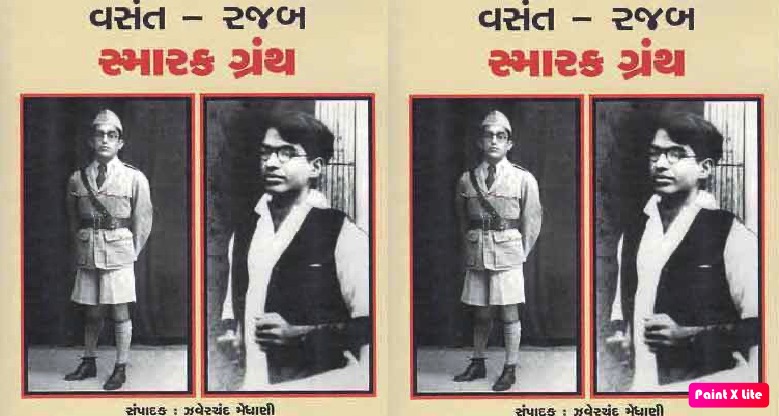
साझी शहादत-साझी विरासत: वसंत राव और रजब अली को याद करना क्यों जरूरी है ?

वसंतराव और रजब अली। साभार-इंडियन एक्सप्रेस

अहमदाबाद के जमालपुर के पास स्थित वसन्त-रजब चौक कितने लोगों ने देखा है? देखा तो कइयों ने होगा, और आज की तारीख में उससे रोज गुजरते भी होंगे, मगर अंगुली पर गिनने लायक लोग मिलेंगे जिन्होंने चौराहे के इस नामकरण का इतिहास जानने की कोशिश की होगी। मुमकिन है गुजरने वाले अधिकतर ने आज के इस इकहरे वक्त़ में- जबकि मनुष्य होने के बजाय उसकी खास सामुदायिक पहचान अहम बनायी जा रही है- इस ‘विचित्र’ नामकरण को लेकर नाक भौं भी सिकोड़े होंगे।

वह जून 1946 का वक़्त था जब आज़ादी करीब थी, मगर साम्प्रदायिक ताकतों की सक्रियता में भी अचानक तेज़ी आ गयी थी और उन्हीं दिनों यह दो युवा साम्प्रदायिक ताकतों से जूझते हुए मारे गए थे। वसंत राव हेगिश्ते का जन्म 1906 में अहमदाबाद के एक मराठी परिवार में हुआ था तो रजब अली लाखानी एक खोजा मुस्लिम परिवार में कराची में पैदा हुए थे (27 जुलाई 1919) और बाद में उनका परिवार अहमदाबाद में बस गया था। हमेशा की तरह उस साल रथयात्रा निकली थी और उसी बहाने समूचे शहर का माहौल तनावपूर्ण हो चला था।

कांग्रेस सेवा दल के कार्यकर्ता रहे इन जिगरी दोस्तों ने अपने ऊपर यह जिम्मा लिया कि वह अपने-अपने समुदायों को समझाएंगे कि वह उन्मादी न बनें, इसी काम में वह जी जान से जुटे थे, छोटी बैठकें कर रहे थे, लोगों को समझा रहे थे। 1 जुलाई को एक खांड नी शेरी के पास एक उग्र भीड़ ने – जो जुनूनी बन चुकी थी – उन्हें उनके रास्ते से हटने को कहा और उनके इन्कार करने पर उन दोनों को वहीं ढेर कर दिया। Continue reading साझी शहादत-साझी विरासत: वसंत राव और रजब अली को याद करना क्यों जरूरी है ?

महिला आन्दोलनकारियों की गिरफ्तारियां और भारत सरकार की पितृसत्ता : अमन अभिषेक

Guest Post by Aman Abhishek

Big Brother's Patriarchal Authoritarianism

गुलफीशा फ़ातिमा, सफुरा जरगर, देवांगना कलिता और नताशा नरवाल

दुनिया के जाने-माने प्रोफ़ेसर और पत्रकार डॉक्टर लेता होन्ग फ़िंचर अपनी किताब “बिट्रेइंग बिग ब्रदर: दी फेमनिस्ट अवेकनिंग इन चाइना” में लिखती हैं कि किस तरह चीनी सरकार के द्वारा मार्च 2015 में पांच कार्यकर्तायों की गिरफ्तारी ने चीनी नारीवादी आन्दोलन को एक नया मोड़ दे दिया | जिन पांच महिलाओं को गिरफ्तार किया गया था वे विश्वमहिला दिवस के मौके पर यौन उत्पीडन के खिलाफ बसों और ट्रेनों में पर्चे बाँट रही थी | परन्तु चीनी सरकार ने झगड़े उसकाने के आरोप लगाकर गिरफ्तारी कर ली | इसका परिणाम यह हुआ कि ये पांच महिलाएं “फेमस फाइव” यानी “पांच प्रसिद्ध” के नाम से जानी गई | इन गिरफ्तारियों ने चीनी नारीवादी आदोंलन को कमजोर करने के बजाए एक नयी उर्जा प्रदान की और गिरफ्तारियों के विरोध में बड़े पैमाने पर आन्दोलन शुरू हो गए|

अब भारत में हाल की परिस्थितियों पर गौर करें | दिसम्बर 2019 से मार्च 2020 तक देश के सैकड़ों सार्वजनिक स्थानों पर हजारों आन्दोलनकारियों ने, महिलाओं के नेतृत्व में, सीएए के विरोध में सशक्त और शांतिपूर्ण आन्दोलन किया और लगातार धरना चला | शाहीनबाग जैसे जगहों पर रात दिन धरने चले | देश भर के आन्दोलनकारी उसी सीएए का विरोध कर रहे थे जिसे संयुक्त्त राष्ट्र संघ और और अनेकों मानवाधिकार संगठनों ने मुस्लिम विरोधी और घोर पक्षपातपूर्ण करार दिया है| महिलाओं के नेतृत्व और भागीदारी की वजह से सीएए विरोधी आन्दोलन केवल नागरिकता के सवालों तक सीमित न रहकर भारतीय नारीवादी आन्दोलन के इतिहास में एक अहम कड़ी बन गया |

अप्रैल से भारत सरकार ने सीएए विरोधी आन्दोलन के महिला नेतृत्व की गिरफ्तारियां शुरू कर दी | इन महिलाओं की गिरफ्तारियों की वजह हिंसा भड़काने से लेकर आतंकवाद तक बताई गई | गिरफ्तार लोगों में शामिल गुलफीशा फ़ातिमा मुस्लिम समुदाय की नेता हैं, सफुरा जरगर जामिया मिलिया की छात्रा हैं तथा गिरफ्तारी के वक्त तीन माह से गर्भवती थी | देवांगना कलिता और नताशा नरवाल , पिंजड़ा तोड़ आन्दोलन की संस्थापक हैं (पिंजड़ा तोड़ समूह के कार्यकर्ताओं ने शैक्षणिक संस्थाओं में लैंगिक भेद-भाव और पितृसत्ता के खिलाफ आन्दोलन किया है) | यह गिरफ्तारियां एक वैश्विक महामारी के दौरान की गई है, जो इस महिलाओं की जिन्दगी के लिए घातक साबित हो सकता है | Continue reading महिला आन्दोलनकारियों की गिरफ्तारियां और भारत सरकार की पितृसत्ता : अमन अभिषेक

An Appeal for an Artist: Buy Brushes for Rehana Fathima’s Son

I am making appeal here to all people who really care for children’s rights beyond the hypocrisies of the global child rights discourse.

A controversy is raging in Kerala over a video of body art posted by the body-activist Rehana Fathima in which her two children paint an image of a phoenix on the exposed torso of their mother. The children are not nude, they don’t look outside the frame. Rehana herself does not look out, nor is her body being displayed in any explicit sense. There is nothing pornographic; the video was not made for commercial purposes. However, the video has unleashed a storm of outrage and the bitter conservatism of both Right and Left-wing politics in Kerala now engulfs the family like a toxic fog.

Rehana has been subject to unimaginable violence online. She is no stranger to it; her insistent efforts to keep radical body politics alive in a society in which bodies are strictly subject to caste and religions communities and bound firmly within heternormative sexuality, patrilineal family-forms and marriages that insist of huge dowry payment to the groom have stirred all sort of insecurities, unconscious and otherwise, of the Malayali masculinist elite. During the conservative backlash against the Supreme Court’s verdict approving the entry of female devotees to the Sabarimala temple in 2018, Rehana Fathima (who claims that she had converted long back and is also known by the name Surya Gayatri) made an attempt to make the pilgrimage, resulting in her arrest and jailing. She was accused of obscenity for uploading a picture of herself in the pilgrim’s costume, but showing a little skin off her thigh.

In the present case, she is accused of corrupting her children by exposing them to her naked body and then making the video public. The first complaint was filed by a BJP functionary and then the Kerala State Commission for the Protection of Child Rights directed the police to file cases against her charging the provisions of the POCSO Act. Other cases against her have used the provisions of the IT Act and the Juvenile Justice Act.

The police raided her home — and seized the laptop and, appalling, her son’s cherished set of brushes and paints. This violence remains unnoticed. There has been much hand-wringing by hypocrites who claim that they are not offended by the art but because children have been involved. These people do not seem to notice the violence against this young boy.

Rehana’s 13 year old is serious about his art. He is not like the kids who parents force into art classes so that they can brag about it in their circle. He is not traumatised by the sight of his mother’s body, but by the loss of his brushes, taken away by the Kerala Police as ‘evidence’ of the ‘crime’! The investigation of alleged violation of child rights gets an auspicious start, I suppose, with the police committing precisely such violation.

I appeal to all of you who think this is injustice — irrespective of whether it is technically proper or not — to speak up. If you can, please contribute brushes. Or pay Rs 10.  The child’s father, Manoj K Sreedhar, is on Facebook.  The address is : Rujul manav (appu) c/o Rehana fathima Ernakulam 682036 Mob: manoj 9446767666.


J Devika.

Why does the Left in Kerala fear Rehana Fathima and not COVID- 19?

Before I start, a request:    Friends who are reading this, if you are close to Noam Chomsky, Amartya Sen, or Soumya Swaminathan, or the other left-liberals who appear in the Kerala government-sponsored talk series from outside Kerala, please do forward this to them? I hope to reach them.


The Left government in Kerala is gathering its international intellectual-activist support base to cash on its commendable  — ongoing — success in dealing with the COVID-19 pandemic.  This is not new — it has always been part of the dominant Left’s hegemony-bolstering exercises, especially after the 1990s, when its unquestionable hegemony in Kerala began to face a series of challenges. It has also been forced to pay attention to the oppositional civil society which relentlessly questions the dominant Left’s fundamental understanding of social justice and forces it to take seriously such ideas as freedom, autonomy, as well as identities not reducible to class. Continue reading Why does the Left in Kerala fear Rehana Fathima and not COVID- 19?

Treacherous Road to Make Manu History

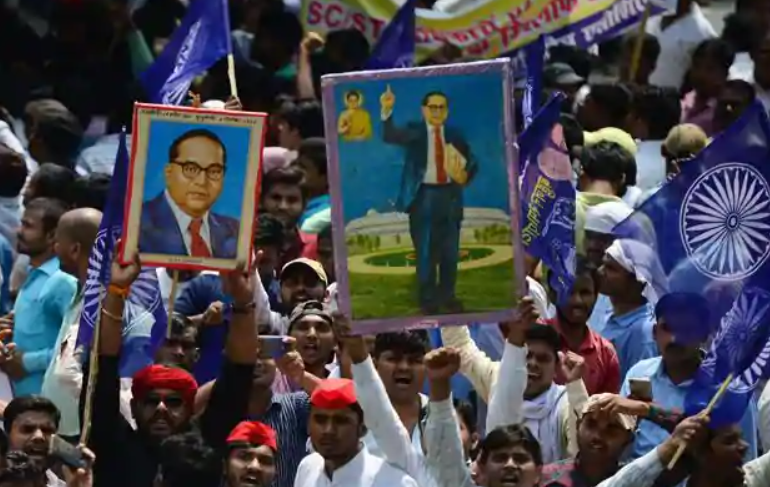
Even today the attempt is to whitewash Manusmriti, not shun it. But all is not lost as the ripples of Black Lives Matter have reached Indian shores.

manusmiriti ambedkar hindutva

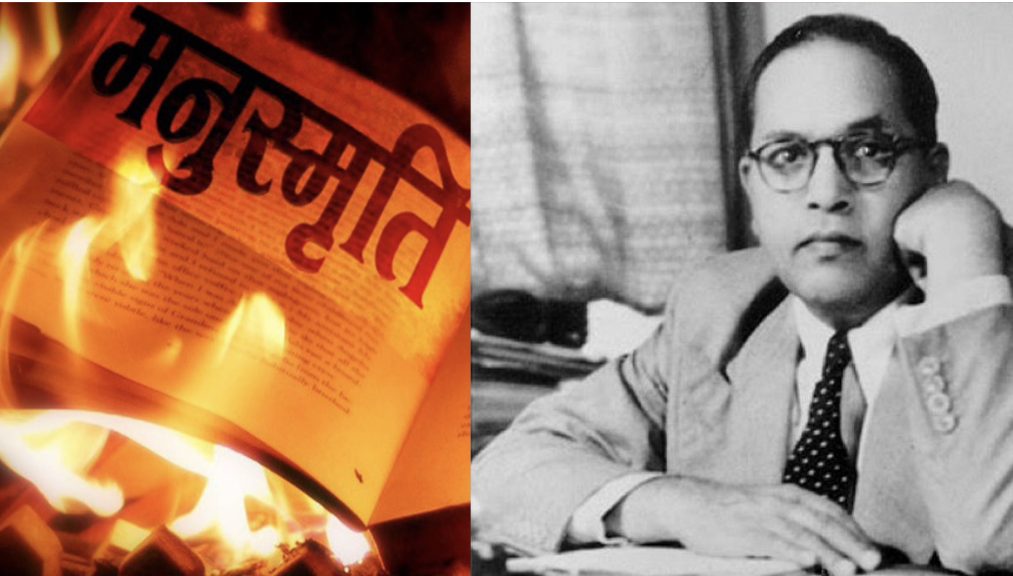
It was 1927, the second phase of the historic Mahad Satyagrah was on, and Dr. Bhimrao Ambedkar led thousands of people in burning the Manusmriti, an act he compared with the French Revolution of 1789. Time and again, in speeches and writings, he categorically opposed the world-view of Manu, the legendary figure to whom are attributed the tenets of the Manusmriti, said to be dated to around 100 CE.

In the book written by scholar and activist Anand Teltumbde, Mahad: The Making of the First Dalit Revolt, published by Navayana in 2017, is recorded the resolution which was proposed by the social activist Gangadhar Sahasrabuddhe, and then read out at the Mahad Satyagrah. It states that the firm opinion of this conference is that the Manusmriti, “taking into consideration its verses which undermined the Shudra caste, thwarted their progress, and made their social, political and economic slavery permanent…is not worthy of becoming a religious or a sacred book. And in order to give expression to this opinion, this conference is performing the cremation rites of such a religious book which has been divisive of people and destroyer of humanity.”

Twenty three years later, Dr Ambedkar marked the promulgation of the Constitution of India as the “end of the rule by Manu”. And yet, 70 years thereafter, a significant section of Indians are still fascinated by Manu and have no qualms in venerating him. Even the Black Lives Matter protests in the United States and large parts of Europe, in which statues of slave-owners and colonialists are being knocked down or disfigured, the Indian followers of Manu have no regrets about deifying him.

( Read the full article here)

How Many Times Will India Deny Apartheid?

Darren Sammy has revealed he faced racism in India at a time when the world is battling racism. India needs to join this fight.

Darren Sammy has revealed he faced racism

Darren Sammy, the famous all-rounder from West Indies, is a legend. He has led his country team and is the only captain to have won two T20 World Cups, in 2012 and 2016. His achievements in the arena of cricket are not limited to his country. He played a singular role in reviving Pakistan’s cricket team and preparing it for international matches, which earned him an honorary citizenship.

And thus the revelation that he was subjected to racial taunts by his own teammates, during his tour to India in 2013 and 2014, while he played IPL matches, was a bolt from the blue. His admirers were naturally aghast when Sammy disclosed that his teammates at SunRisers Hyderabad used to address him with a pejorative term and collectively sneer at him.

On some occasions, Sammy said, he too would smile back at his gleeful teammates, for he had innocently believed that it was light-hearted banter, even though directed at him. Sammy was completely oblivious to the fact that they were targeting him with a racist invective and enjoying “jokes” that he could not comprehend at his expense.

No doubt many of those who subjected him to humiliation were big names in Indian cricket. Yet it did not cause any uproar in India when Sammy made the truth known to the world via an Instagram post. The 24/7 news channels, which are forever searching for sensational news, and the cricketing fraternity, were quiet. None came forward to denounce the humiliation of Sammy, nor was there a public apology from the offenders. Only Swara Bhaskar, the actress, who espouses social causes rather fearlessly, demanded an apology from his teammates.

( Read the full text here)

कोविड संक्रमण की चेन तोड़ने के लिए मलप्पुरम ने नई ज़मीन तोड़ी है

आज जब पूरे देश में धार्मिक स्थलों को खोला जा रहा है, तब बीते दिनों ‘सांप्रदायिक’ होने का इल्ज़ाम झेलने वाले केरल के मलप्पुरम ज़िले ने अपनी अलग राह चुनी है. कोरोना के बढ़ते मामलों के मद्देनज़र वहां की पांच हज़ार मस्जिदों को अनिश्चितकाल तक बंद रखने समेत कई धार्मिक स्थलों को न खोलने का फ़ैसला लिया गया है.

Minara masjid wears a deserted look on the first day of the holy fasting month of Ramzan, amid unprecedented circumstances due to the coronavirus pandemic and a nationwide lockdown, in Mumbai. PTI

लॉकडाउन के दौरान बंद एक मस्जिद. (फाइल फोटो: पीटीआई)

मलप्पुरम, केरल के एकमात्र मुस्लिम बहुल जिले, जहां उनकी आबादी 75 फीसदी है, ने एक इतिहास रचा. तय किया गया है कि जिले की 5,000 मस्जिदें अनिश्चितकाल के लिए बंद रहेंगी.

इस निर्णय के पीछे का तर्क समझने लायक है. क्योंकि राज्य में कोरोना वायरस संक्रमण के मामले बढ़ते दिख रहे हैं, इसलिए यह तय करना मुनासिब समझा गया कि उसके दरवाजे श्रद्धालुओं के लिए बंद ही रहें.

जाने-माने इस्लामिक विद्वान पनक्कड सययद सादिक अली शिहाब थंगल, जो इंडियन यूनियन मुस्लिम लीग के जिला अध्यक्ष हैं, उन्होंने इस खबर को मीडिया के एक हिस्से में साझा किया.

इस तरह जबकि बाकी मुल्क में प्रार्थनास्थल, धार्मिक स्थलों को खोला जा रहा है, मलप्पुरम ने अपनी अलग राह चुनी है.

इस बात पर जोर देना जरूरी है कि आठ मुस्लिम संप्रदायों (denomination) की उस बैठक में, जहां 9 जून के बाद प्रार्थनास्थलों को खोलने के सरकारी निर्णय पर विचार करना था, यह फैसला एकमत से लिया गया.

सभी इस बात पर सहमत थे कि उन्हें इस छूट का इस्तेमाल नहीं करना चाहिए. एक ऐसे वक्त में जबकि कोविड-19 के मामले सूबे में बढ़ रहे हों, मस्जिद कमेटियों और धार्मिक नेताओं ने यह जरूरत महसूस की कि उन्हें सतर्कता बरतनी चाहिए.

खबरें यह भी आ रही हैं कि न केवल मस्जिदें बल्कि इलाके के कई मंदिरों और चर्च ने भी उन्हें तत्काल खोलना नहीं तय किया है.

मिसाल के तौर पर, श्री कदमपुजा भगवती मंदिर जो मलप्पुरम में है तथा श्री तिरूनेल्ली मंदिर जो वायनाड में है, वह बंद रहेंगे.

नायर सर्विस सोसायटी से संबंधित मंदिर भी 30 जून तक नहीं खुलेंगे. एर्नाकुलम-अंगमाली आर्चडाओसिस ऑफ सिरो मलबार चर्च ने भी तय किया है कि उसके मातहत चर्च 30 जून तक बंद रहेंगे.

निस्संदेह इस बात को लेकर इलाके के लोगों में गहरा एहसास दिख रहा है कि राज्य ने जिन भी सावधानियों को बरतने की बात की हो, स्पेशल ऑपरेटिंग प्रोसिजर्स का ऐलान किया है, हकीकत में उन पर अमल करना नामुमकिन होगा लिहाजा कोविड-19 के समुदाय आधारित संक्रमण की संभावना बनी रहेगी.

( Read the full article here)

Remembering Ibn-e-Insha, Poet and Satirist: Jamal Kidwai

Guest Post by JAMAL KIDWAI

Ibn-e-Insha (15 June 1927 – 11 January 1978) would have turned 93 today. We celebrate his birthday by curating some of his best poetry, sung by leading vocalists from India and Pakistan.

Born in Jalandhar, Punjab, on 15 June 1927, he was named Sher Mohammad Khan by his parents. Ibn-e-Insha was his pen- name; loosely translated it means Ibn, son of Insha, referring to a famous 18th century classical poet, Inshallah Khan Insha.

Insha also means, simply, writing, or expression.

Continue reading Remembering Ibn-e-Insha, Poet and Satirist: Jamal Kidwai

Paradigms Lost, Past Continuous – Saraswati and some other rivers: Janaki Nair

Guest post by JANAKI NAIR

Maj General GD Bakshi (hereafter MGB) feels enough is enough. Having dealt with the Information Warfare and Psychological Operations in the Indian Army, he has now trained his guns on the internal enemy, abandoning the trenches of Jai Jawan for the far messier archaeologists’ hangout. In his battle dress – impeccable suits and ties– he wages war in the cause of snatching back History from historians, particularly Marxist Historians, Oxford and Harvard Historians, Colonial Historians, Tony Joseph, and above all JNU Historians who pose the Greatest Threat to the Continuity of our National Past. (Fortunately, he has not heard of Subaltern Historians, who have dared to polish up arguments instead of his shoes; or of feminist or Dalit historians, who impertinently ask whatever happened to the Vedic dasi).  While waging this war, he also hopes to win some minor battles on behalf of the Indian Taxpayer by shutting down JNU.

Then MGB had a second think: why waste a chance of planting a flag on a beautiful 1000-acre campus just because it was a Marxist redoubt? And what safer flag in these times of COVID than a Webinar in the JNU ether?  So MGB is ready to announce the Paradigm Shift in the study of the Saraswati Civilisation.  (For those who were reared on that disloyal diet of NCERT books, it refers to the Indus Valley Civilisation, or Harappan Culture).  This Paradigm Shift will fortunately not be as fickle as the Sutlej,  which changed its course mid-holocene. In fact, this Paradigm Shift does not rely much on historians or archaeologists,  but more on scientists – geologists, geneticists, accurate carbon dating physicists – who along with MGB, alone are capable of Total Objectivity, and know that only Good Things happened in the Indian past. Continue reading Paradigms Lost, Past Continuous – Saraswati and some other rivers: Janaki Nair

Can Rest of India ‘Do’ a Mallapuram ?

Ruins of an ancient Jain temple in Arimbra

Ruins of old Jain Style Temple at Arimbra 

Mallapuram, Kerala’s lone Muslim-majority district, made history recently.

The 5,000 mosques in the district would remain closed indefinitely.

Logic behind this decision is simple.

As the state is witnessing spike in Coronavirus infection recently, it was found more prudent to keep the doors closed for devotees. Panakkad Sayyed Sadiq Ali Shihab Thangal, a leading Islamic Scholar and Malappuram district president of the Indian Union Muslim League, shared this news with a section of the media.

Thus while the rest of the country is witnessing opening of places of worship under Unlock 1, Mallapuram has decided otherwise. Continue reading Can Rest of India ‘Do’ a Mallapuram ?

Truth Behind India’s Hierarchies of Pain

Perhaps celebrities know that talking about the plight of an animal—who died in a state not ruled by the ruling dispensation at the Centre—is a safe bet

Migrants

Migrants wait for a means of transport to travel to their native places during the fourth phase of the ongoing COVID-19 nationwide lockdown, at Kundali Industrial Area in Sonipat. (Photo: PTI)

The killing of a pregnant elephant has caused national outrage. The elephant had strayed into a village in Palakkad, Kerala, and is said to have been fed a fruit stuffed with firecrackers, which exploded in its mouth. It is impossible to comprehend the tremendous suffering of the elephant, who died a painful death. It is also learnt that people in the region have in the past used incendiary materials to protect their crop from animals, particularly wild boar.

One person was arrested after the matter came to light and few others have been identified. Kerala Chief Minister Pinarayi Vijayan has promised “justice will prevail”, but one does not know if that includes legal action against the hatemongers—including a former cabinet minister who gave the incident a communal colour by claiming, incorrectly, that the incident occurred in Muslim-majority Malappuram. A sitting cabinet minister also retweeted this fake news, which further vitiated the atmosphere.

In a complaint to the Malappuram Police, a lawyer has urged the police chief to file an FIR against the former minister and others for a “derogatory” campaign against the district.

Now, many Indian celebrities, for example Indian cricket team captain Virat Kohli, have said that they are “appalled” by the incident. The chairman of India’s biggest corporate giant, Ratan Tata, has compared the “criminal act” with “meditated murder”. The celebrities, the anchors of 24/7 news channels and many other prominent figures are undeniably upset by the plight of the elephant. But do they also feel the same kind of outrage and disquiet over the communal overtones being imparted to it?

( Read the full article here)