Category Archives: Debates

Against Aachaaram: Srinarayana Guru

The excerpt below is translated by DARSHAN SUBRAMANIAM. The note that follows is by J Devika.

Continue reading Against Aachaaram: Srinarayana Guru

Against Aachaaram: A Dossier from Malayalam – Announcement

This is to announce a new series of postings I will be doing, relating to aachaaram in Kerala.

Aachaaram is loosely translated as ‘customary practices’ or ‘customary rituals’, but in 19th century Malayali society, it referred to a massive, inter-connected, all-pervading web of practices, rituals, and ideas which bolstered the domination of the upper-castes — in Kerala’s context, this meant the Brahmin-sudra nexus — over the lower castes. It touched the most intimate and personal aspects of a person’s life; through it,  the allegiances and the labour of lower caste communities were extracted to benefit the upper castes. The lower-caste assertions of the late 19th and early 20th centuries here, through which modern democracy became a possibility at all, were directed against this web. Aachaaram, however, survived this phase through shrinking its spatial presence to savarna homes and temples; later, after the re-consolidation of brahmin-sudra power, towards the end of the 20th century, the rise of spiritual capitalism had led to aacharam’s resurrection as the vehicle of gendered savarna power — and as the provider of opening gambits for the Hindu fundamentalists — in Kerala .

In this series, I will post translations of selections/excerpts from the writings of the critics of aachaaram from early 20th century Kerala, with short reflections on each for the present. The many different readings of Hinduism that arose in that period when the Brahmin-sudra nexus was thrown into confusion, as well as the many different dreams of social liberation from different parts of the world that entered Malayali society then — from C Krishnan’s Buddhism to Marxism — produced powerful critical exposures that revealed aachaaram to be nothing but a vehicle and instrument of the power of certain groups over others. The effort made by these voices to point to the danger that it posed to a dream of a just society was largely ignored by the mainstream, especially the mainstream left.

The first of these is an excerpt from a conversation between the well-known social revolutionary, the avarna-born seer, spiritual leader, and philosopher, Srinarayana Guru and his disciples in which the annual pilgrimage to Sivagiri was planned, which I will post separately.


Will India Remember Dadri’s Akhlaq, as Germany Recalls Victims of Nazi Barbarism?

The German acceptance for stolpersteine plaques helps them honour victims of Nazism. One wonders if it will ever be possible to take up similar projects in this part of South Asia.

Germany Recalls Victims of Nazi Barbarism

Hier Wohnte Bernhard Marx

JB 1897

Deportiert 20.07.1942

Minsk

Ermordet 24.07.1942

‘Here lived Bernhard Marx

Year of Birth 1897

Deported 20.07.1942

Minsk

Assassinated 24.07.1942’

It was while walking past a desolate street in Bonn that we stumbled upon some brass plates on which the names of the members of a family were engraved. The name Bernhard, supposedly the head of this family, was engraved on the first plate, followed by three to his right: Erna Marx Geb Hartman, (born 1899), Helena (1929) and Julie (1938).

This was an ill-fated Jewish family from Bonn, deported to the dreaded Minsk concentration—rather extermination—camp that was brutally murdered just four days after they got there. The youngest, Julie was barely four when she died.

Estimates of how many died in this camp over a period of two years vary but at least 65000, mainly Jews, perished there until it was liberated by the Soviet forces.

The young researcher who was our host and guide to the city said that the brass plaques, raised on stone, are called stolpersteine. Stolper means to stumble in German and steine means stone. The idea behind erecting stolpersteine is to raise awareness about events that took place in the late thirties and early forties in this region, when millions of innocent people—Jews, Romas, Jehovah’s Witnesses, homosexuals and political dissidents—were sent to the gas chambers or brutally killed by the Nazi regime.

( Read the full article here : https://www.newsclick.in/India-Remember-Dadri-Akhlaq-Germany-Victims-Nazi-Barbarism)

Marx in Brussels

The most remarkable development during his time in Brussels was the penning down of the Communist Manifesto, which firmly established Marx as well as Engels as the intellectual leaders of the working class movement.

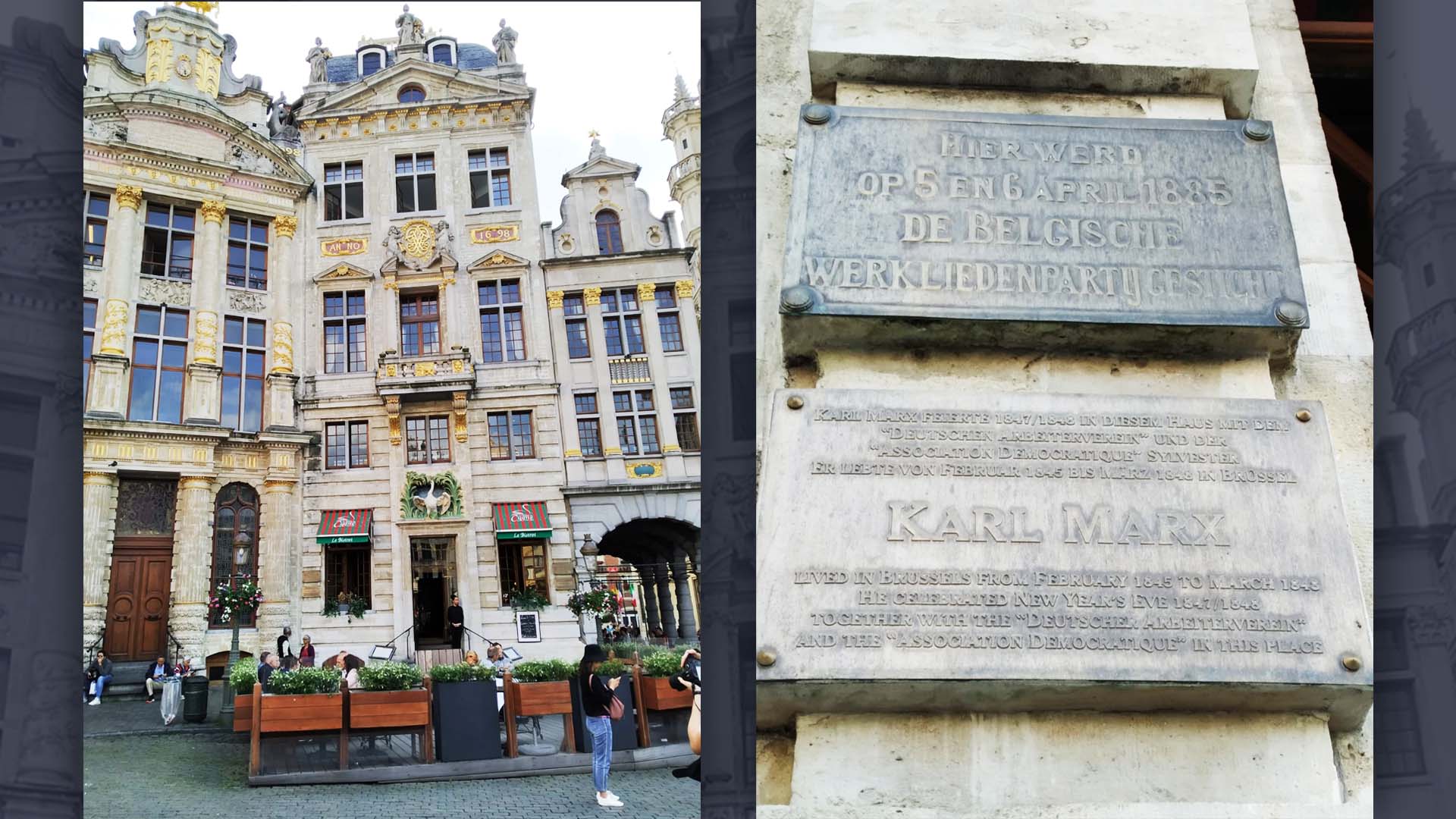
Marx in Brussels

Karl Marx

Lived in Brussels from February 1845 to March 1848

He celebrated New Year’s Eve 1947/48 together with the “Deutscher Arbeiterverein” and the “Association Democratique” in this place

The plaque put on a building which housed a restaurant ‘Le Cygne, The Swan’ now is the only memory left of the days when history was ‘made’ here. According to legend, it is the same place ‘[w]here the First International had convened’  and Marx and his lifelong friend and comrade Engels ‘[h]ad written the Communist Manifesto’.

No doubt it was the same place when Marx, Engels, Mozes Hess – who was another early luminary of socialism and who supposedly had influenced Engels about communism – and other associates of the surging workers movement pondered over many of those ideas which have been memorialised in the opening sentences of the Manifesto, “A spectre is haunting Europe — the spectre of communism….”

May be the historic slogan ‘Workers of the World Unite, You have nothing to lose but your chains’ which later reverberated throughout the world – whose echoes are still heard – had its ‘humble’ beginning in one of those very rooms, where Marx and his close associates used to educate workers about their exploitation.

Scores of people sitting in this particular restaurant which was serving them sumptuous food and choicest drinks were completely oblivious of all those details. Few of them rather looked at us with a sense of disbelief and dismay, when they witnessed us taking photos of the nondescript wall which had the plaque put on it. Perhaps they looked more satisfied that they are enjoying food at a place which is situated on the Grand Place or Grote Markt, which is the central square of Brussels and is considered one of the most beautiful squares in Europe and is also part of UN Heritage.

( Read the full article here : https://www.newsclick.in/karl-marx-in-brussels)

Modinama : Issues That Did Not Matter

In May 2019, the party of the Hindu Right, Bharatiya Janata Party, under Narendra Modi, won a spectacular electoral victory.

The victory seemed to defy common sense – why did conversations of life and livelihood not dominate the election? Why did the thuggery of the Hindutva vigilantes seem inconsequential to vast numbers of ordinary, decent people? Why is an aggressive, masculine fundamentalism so normalized in our society today?

In other words, why didn’t the issues that matter, seem to matter? The question goes deeper than electoral arithmetic. It asks if Modi and the BJP have not only changed the electoral map, but also begun to corrode social norms.

This book, based on Modi’s first five years as prime minister, is a warning for the next five.

SUBHASH GATADE

Subhash Gatade is a left activist and author. He is the author of Charvak ke Vaaris (Hindi, 2018), Ambedkar ani Rashtriya Swayamsevak Sangh (Marathi, 2016), Godse’s Children: Hindutva Terror in India (2011) and The Saffron Condition (2011). His writings for children include Pahad Se Uncha Aadmi (2010).

978-81-934666-9-8

LeftWord Books, New Delhi, 2019

Language: English

128 pages, 5.5″ x 8.5″

Price INR 195.00 Book Club Price INR 137.00

(https://mayday.leftword.com/catalog/product/view/id/21450)


Gujarat Today Could be What ‘Hindu Rashtra’ Will Look Like for Dalits

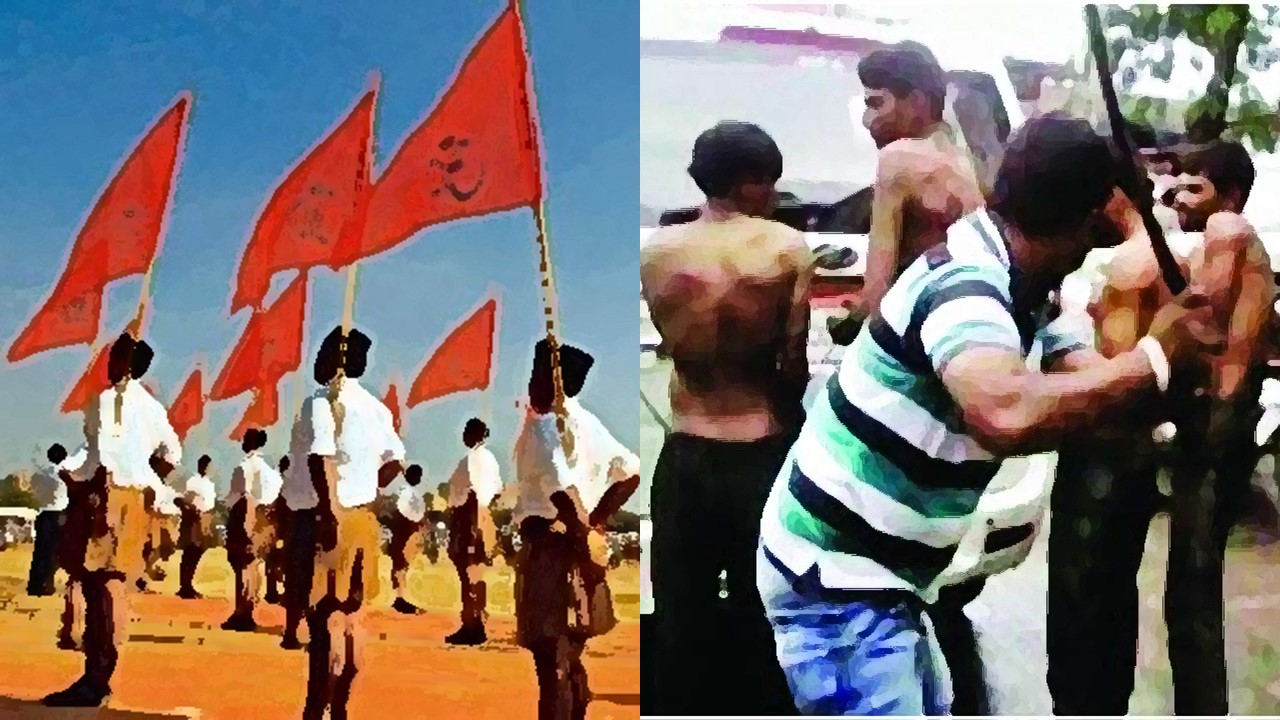
The recent spate of attacks on dalits in the state is an indicator of the fact that the unfolding project of RSS’s Hindu Rashtra has entered a new phase where the community is being construed as the ‘new other’.

Hindu Rashtra

When I was born, I was not a child

I was a dream, a dream of revolt

that my mother, oppressed for thousands of years,

dreamt.

Still it is untouched in my eyes

Covered with wrinkles of thousand years, her face

her eyes, two lakes overflowing with tears

have watered my body….

– Sahil Parmar (Noted Gujarati Poet)


‘You are Welcome to Enter … Village of Hindu Rashtra’!

It was around two decades ago that headlines in a few national newspapers reported the ‘arrival’ of Hindu Rashtra in parts of Gujarat. A few inquisitive journalists had even displayed photographs detailing the nascent phenomenon then.

The shock generated by the news died down in a short while.

Hardly anybody then could have a premonition that it won’t take much time for the idea of Hindu Rashtra to gain wider acceptability across India with a commonsense gaining ground rather getting consolidated where religious minorities were increasingly understood as ‘the other’.

Could it be said that the recent spate of attacks on dalits — leading to at least three deaths in the past one month in the same state, coupled with growing instances of life of insecurity of many concerning their lives or their continued deprivation by the dominant castes, is an indicator of the fact that the unfolding project of Hindu Rashtra has entered a new phase where dalits are being construed as the ‘new other’, one who could wreck the project of ‘Hindu Unity’ from within.

Perhaps it is too early to draw any such conclusion, but portents are there for everyone to see.

( Read the full article here : https://www.newsclick.in/Hindu-Rashtra-Gujarat-BJP-RSS-Dalits)

Draft New Education Policy 2019 through a Gender and Sexuality Lens

Recommendations on Draft New Education Policy (DNEP) by a collective of women’s groups, queer groups, NGOs, students, and academics working in the field of gender, sexuality and education.

We, a collective of women’s groups, queer groups, NGOs, students, and academics working in the field of gender, sexuality and education, across India strongly recommend and reiterate that for all the recommendations given here, the policy and thereafter, the Government of India and State Governments must ensure that there is a proactive strengthening of democracy within educational institutions. The right to expression, liberty, equality and diversity are rights enshrined in the Constitution of India. We welcome that the DNEP 2019 as it states that it will promote constitutional values in education. However, for the implementation of this objective, changes in the content of the curriculum will not suffice. Constitutional values must be protected in the processes and institutional structures of schools and higher education bodies.

We commend the policy for introducing the following provisions:

  1. DNEP 2019 addresses the issue of early childhood education, especially the timely recommendation of making Years 3 to 8 as a foundational stage. This becomes critical as early education and experiences are the most formative in a child’s life, and a holistic pre-school education continues well beyond traditional schooling years.
  2. It is the first policy to uphold the Honourable Supreme Court’s 2014 directives around transgender inclusion in education.
  3. The policy has taken cognizance of many children who continue to dropout at different levels, and the even more serious problem of enrolled children not attending school regularly.
  4. It seeks to strengthen departments/ centres of education at universities.

Having said this, the subsequent list of recommendations is laid down to strengthen the DNEP 2019 from the lens of gender and sexuality, especially for the most marginalised communities. We feel that gender and sexuality related rights could only be ensured if there is a larger enabling environment, in which diversity of thought and practices are respected. These, we feel, would be critical in developing a robust educational policy for the country, which would address the fundamental intersectionalities that individuals and communities face in their lives. Continue reading Draft New Education Policy 2019 through a Gender and Sexuality Lens

Draft New Education Policy 2019 – Mass Feedback Campaign: Better Universities

In support of the campaign launched by BETTER UNIVERSITIES.

The Government of India has finally unveiled the much-awaited draft of the National Educational Policy (NEP) 2019, and with that, has come a host of new issues to address and engage with.

To access a copy of the draft, please click here.

Here is the full point by point critique made of the Draft NEP by Better Universities, that anybody concerned about education in India should read very carefully.

At the end you will find the link that will take you the campaign for mass feedback on the NEP.

Response to the Draft National Education Policy 2019

Most significant point in my opinion:

What is even more damning is that the appointments to all statutory bodies in the higher education sector will have to be made by the RSA – and must, by default, await the nod of the Prime Minister. It is unambiguously stated that appointees to the NHERA, HEGC, NRF, NAAC and all other standard-setting bodies must report to the RSA and thus be beholden to the infirmities of political will and favour. Needless to say, this amounts to the NEP’s unashamed surrender to ruling party intervention and an effective imagining of higher education as subservient to political interests. Autonomy is shown the door, both structurally and ideologically – despite the Draft making a shrill pitch for it through the previous chapters.

Introduction

While the former HRD minister’s message (included in the Draft policy) congratulates the exercise as evolving “path breaking reforms” based on the “foundational pillars of Access, Equity, Quality, Affordability and Accountability”, the higher education sector is instead coming under greater political control and contributing to wider inequities with respect to institutional inputs and outcomes. Even the employment goals envisioned by the curricular reforms proposed in the Draft policy might produce greater job insecurities among students coming into higher education from across different social and economic backgrounds. Continue reading Draft New Education Policy 2019 – Mass Feedback Campaign: Better Universities

The politics of Hindutva and its erotic charge: Jaya Sharma

Guest post by JAYA SHARMA

In the post election bewilderment that continues to grip us, might it be that we are asking the wrong questions?

The questions are by now familiar. How can it be that a Pragya Thakur wins and an Atishi loses? How can it be that demonetization doesn’t translate into loss of votes? How can it be that the party under whom lynching of Dalits and Muslims becomes a norm gets re-elected? How can it be that hatred for the other wins over humanity?

In response, journalists, political scientists and writers have pointed out that our assumptions related to the significance of macro economic indicators, caste-based voting patterns, among other things, were faulty. But the questions still remain,  including the big one: why did facts and logic lose so dramatically?

Might it be that the bewilderment continues because there is a glaring blind spot in the way in which we understand politics? Might it be that facts and logic were never the only driving force? I will argue here that in order to understand the recent election results and the power of Hindu Nationalism more broadly, we need the lens of the psyche. The play of desire and the erotic is key to understanding politics and dipping into our own sex and love lives can help us see this.  ‘The personal is political’ mantra can come to the rescue in the bewilderment that we feel today.  In making this argument I will draw upon research that I have undertaken for a book that I am in the process of writing called Fantasy Frames: Sex, Love and Indian Politics, to be published later this year. Continue reading The politics of Hindutva and its erotic charge: Jaya Sharma

Caste and other demons

Can Dalits rightfully claim that they have a ‘homeland’?

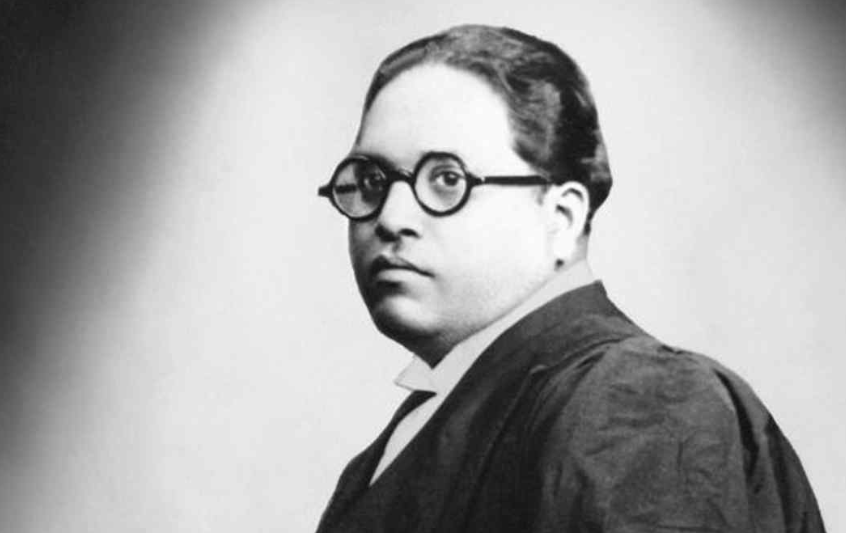
Dr Babasaheb Ambedkar

( Review of The Doctor and the Saint: The Ambedkar-Gandhi Debate — Caste, Race, and Annihilation of Caste; By Arundhati Roy, Penguin, Rs 299)

“Gandhiji, I have no homeland.” The first meeting between Gandhi and B.R. Ambedkar, who later became chairman of the drafting committee of independent India’s Constitution and its first law minister, is memorialized in this sentence. It expresses the centuries-old plight of those most oppressed in the varna hierarchy under the “institutionalised social injustice at the heart of the country”.

Has there been a qualitative change in the situation of the ‘ex-untouchables’ since this meeting some 90 years back? Can Dalits rightfully claim that they have a ‘homeland’? Figures collated by National Crime Records Bureau show that “a crime is committed against a Dalit by a non-Dalit every sixteen minutes”, including four rapes a day and murders of 13 Dalits every week. And these figures do not include “the stripping and parading naked, the forced shit eating, the seizing of land and the social boycotts…” This is the backdrop of the book, The Doctor and The Saint: The Ambedkar-Gandhi Debate — Caste, Race, and Annihilation of Caste by Arundhati Roy. It earlier formed part of an introduction to an annotated 2014 edition of Annihilation of Caste — the historic pamphlet Ambedkar wrote when invited by the ‘Jat Paat Todak Mandal’ in Lahore. The invitation was withdrawn after the hosts read the lecture draft. Continue reading Caste and other demons

How Many More ‘Halal’ Ponzi Schemes?

It is important to note that the very idea of Islamic banking and promoting it as a parallel to conventional banking – which is being portrayed as un-Islamic – and which has caught the imagination of a section of god-fearing Muslims, is a clear manifestation of shifts in Muslim politics over the world.

'Halal' Ponzi Schemes

Image for representational use only.Image Courtesy : Business Today

Afzal Pasha, a 55-year-old labourer, is dead. He died of a heart attack a few days back.

The news that the attractive scheme in which he had invested his life’s savings worth Rs 8 lakh went bust proved unbearable for him.

While Afzal’s tragic death could catch headlines, we will never know the plight of the thousands of investors – all of them belonging to the Muslim community – who had similarly invested their hard-earned savings in the said investment scheme launched by Mohammed Mansoor Khan in 2006 through his firm I Monetary Advisory (IMA).

The scheme was declared ‘Shariah-compliant’ and worked on ‘“no interest” policy of Islamic banking. A section of the clergy had even certified this scheme as “halal”, which means “lawful” or “permitted” in Arabic, which helped it easily earn the trust of the Muslim community. Small investors from across the state of Karnataka had flocked to it with their investments ranging from a few thousand rupees to a few lakhs.

A few days back, the promoter of IMA just disappeared from Bengaluru and is supposed to have fled to Dubai.

Continue reading How Many More ‘Halal’ Ponzi Schemes?

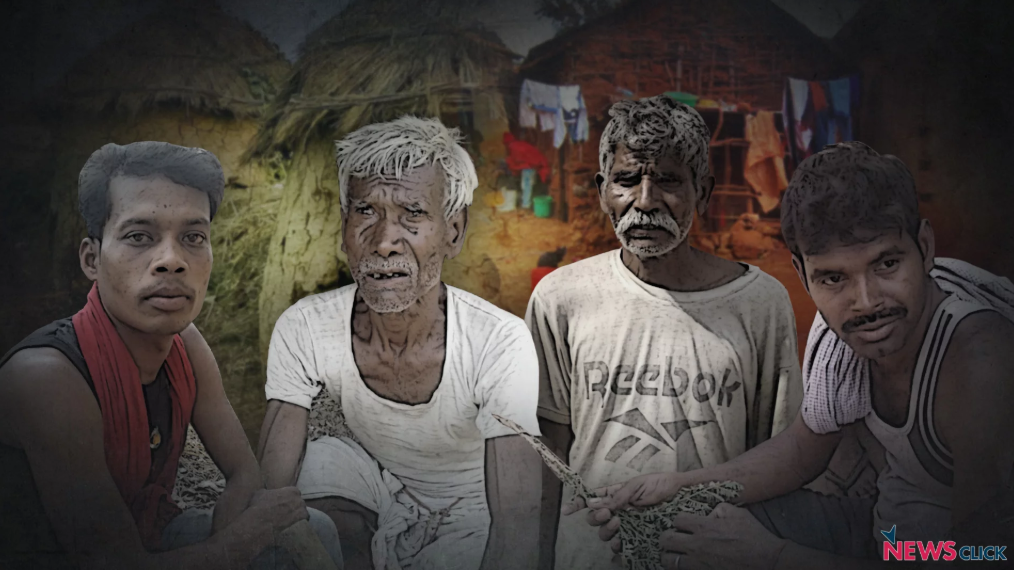
रामचरण मुंडा की मौत पर दो मिनट का मौन!

सोचने का सवाल है कि क्या इन मौतों को महज तकनीकी गड़बड़ियों तक न्यूनीकृत किया जा सकता है? क्या इसके कोई संरचनागत कारण नहीं हैं? ‘आखिर अधिक अनाज पैदा करने के बावजूद हम भूख की समस्या को मिटा क्यों नहीं पा रहे हैं।
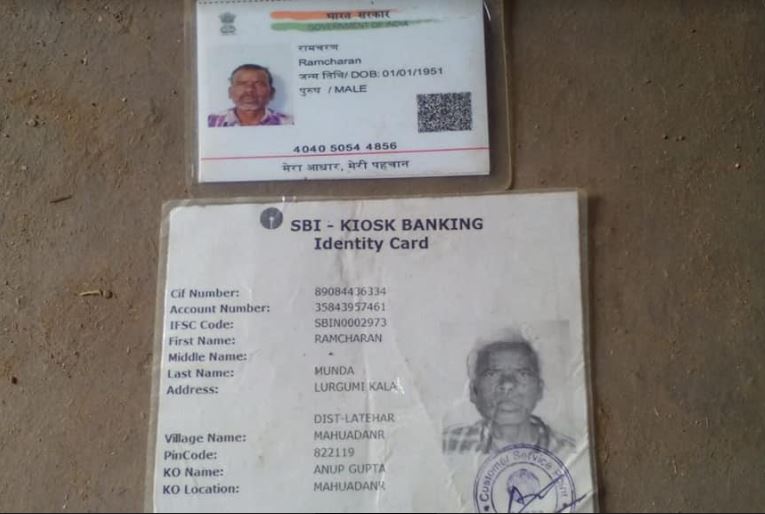
Munda

‘‘रामचरण मुंडाउम्र 65 साल को विगत दो माह से सार्वजनिक वितरण प्रणाली के तहत राशन नहीं दिया गया था। हमारे अधिकारियों ने इसकी सत्यता की पड़ताल की है।’’

लातेहारझारखण्ड के डिप्टी कमीशनर जनाब राजीव कुमार द्वारा लातेहार के दुरूप गांव के रहने वाले उपरोक्त आदिवासी की मौत पर की ऐसी स्वीकारोक्ति बहुत कम देखने में आती है।

अपनी पत्नी चमरी देवी और बेटी सुनिला कुमारी के साथ रामचरण गांव में ही रहते थे उनके बेटे की मौत दो साल पहले टीबी के चलते हुई थी। राशन डीलर की बात मानें तो चूंकि इलाके में इंटरनेट की सेवा में दिक्कते हैंऔर राशन वितरण के लिए ऑनलाइन बायोमेट्रिक सिस्टम कायम किया गया हैइसलिए रामचरण को अनाज नहीं दिया जा सका था।

इस मामले की असलियत कभी सामने आएगी इस पर संदेह है।

वैसे भूख से होने वाली मौतें अब देश में अजूबा चीज़ नहीं रही।

दो साल पहले झारखण्ड के ही सिमडेगा जिले के कारीमाटी गांव की 11 वर्षीय हुई संतोषी की मौत के बाद ऐसी मौतों पर लोगों एवं समाज की अधिक निगाह गयी थी। पता चला था कि पूरा परिवार कई दिनों से भूखा था और राशन मिलने के भी कोई आसार नहीं थे क्योंकि राशन कार्ड के साथ आधार लिंक न होने के चलते उनका नाम लिस्ट से हटा दिया गया था। अपनी मां के गोद में ‘भात भात कहते हुए दम तोड़ी संतोषी की दास्तां ने लोगों को विचलित किया था।

( Read the full article here : https://hindi.newsclick.in/raamacarana-maundaa-kai-maauta-para-dao-mainata-kaa-maauna)

God in the Classroom!

Unfolding Debate about Secularising Education

( To be published in ‘Indian Journal of Secularism)

“There is in every village a torch – the teacher; and an extinguisher – the priest.”
-Victor Hugo

Introduction
“Keep the words God, Jesus and the devil out of the classroom.”

A school teacher’s message on the first day of the school for first-grade students had caused tremendous consternation among a section of the parents.

She had a simple rationale to present her proposal. With their being a public school with children coming from different religions and beliefs joining it, she did not “[w]ant to upset a child/parent because of these words being used,” In her letter she had also advised them to talk to the children when they go to the church/temple/synagogue – whatever might be the case – or discuss the issue at home at an appropriate time and place of talking about it.” (https://www.indystar.com/story/news/education/2017/08/30/teacher-tells-first-graders-dont-talk-god-classroom/612118001/)

Well, instead of the discussion getting fixed on the slow imposition of the concept of God or closing of child’s minds it turned into a debate on students’ free speech rights. It did not take much time for the management of the school to rescind this proposal.

There is nothing new about this dilemma faced by a teacher who has welfare of students at the center of her/his concerns. Continue reading God in the Classroom!

Picking Humanity Over Religion: A Small but Critical Step

The idea of education being imparted without any compulsion to declare one’s religion is definitely a welcome thing

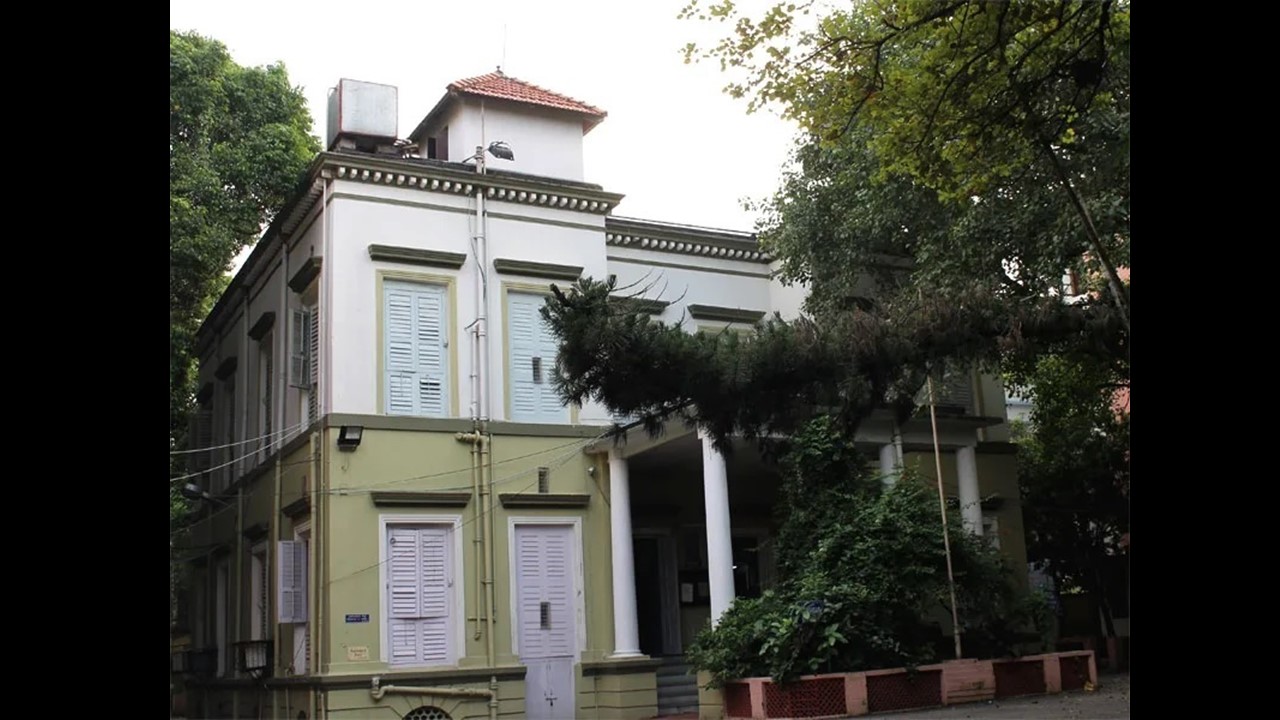
Bethune_College_Kolkata

Principal’s office of Bethune College, Kolkata, which included Humanity as an option under the religion category. Image Courtesy: college dunia


A college admission form introducing new options under ‘religion’? Talking about humanity, secular, non-religious, atheism!

Well, in an ambience loaded with religiosity and its increasing conflation with the State, it is rather difficult to believe that some colleges may take such a creative step to convey how they see what is happening around them? No doubt this is a small step but, as noted by analysts, this is an attempt to break/challenge the ‘construction of identity, thought and social and political space, indirectly conveying the vision of a secular and diverse India.’

The significance of this little step can be better understood if one looks into the fact that the elections held to the 17th Lok Sabha — which has returned the Bharatiya Janata Party (BJP) to power — have demonstrated that BJP is ‘the most preferred party of young India’. It drew support cutting across caste as well as class lines. This is the same BJP which, along with its ‘Parivar’ siblings, has consciously tried to conflate religion with exercise of power and has been successful in collapsing the majority faith into rabid nationalism that targets differences and dissent and other specific groups, as the ‘other’ according to its worldview.

( Read the full article here : https://www.newsclick.in/Religion-Humanity-College-Admissions-BJP-School-Education)

Arming Children, Securing a Future?

By distributing knives to meritorious children, organisations like the Hindu Mahasabha, are trying to give religious legitimacy to what is essentially a political use of faith.

Hindu Mahasabha distributing knives to children

Image courtesy: Twitter

What does an organisation do when it wants to congratulate meritorious students who have excelled in exams?

Reward them with some gifts, say, books, and (if finances allow) give them scholarships or laptops to facilitate their further studies. Definitely not gift them knives.

Well, Pooja Shakuni Pandey, the national secretary of Hindu Mahasabha, who had been making news for controversial reasons for more than a year, exactly did this on Savarkar Jayanti. This mathematics professor made it clear that she was not much interested in how they study further or what they wanted to become. With this knife distribution programme, along with a copy of Bhagwad Gita, she wanted to ‘create Hindu soldiers out of these children’ and it was basically a “[s]tep to motivate Hindus and empower them, especially the younger generation, with knives to protect themselves.”

( Read the complete text here : https://www.newsclick.in/Hindu-Mahasabha-Distributing-Knives-Meritorious-Children-Political-Use-of-Religion)

Dear Hitler

Why does Hitler’s legacy in India greatly differs from that in the West. More removed from the traumas associated with World War II and the Holocaust  

…………………………………………………………………….

..An innocent question sometimes comes up with very troubling answer(s).

J’admire ( I admire)… a simple exercise given to students to know from them whom they appreciate as a great historical figure or a hero, became a great learning experience for a teacher who taught French at a private school.

Writer and Journalist Dileep D’souza, who has authored many books, and writes on social-political causes shared the experience of his wife who posed the said question before them during a discussion. What she was expecting that they would mention Gandhi or Bhagat Singh or other luminaries of India’s struggle for freedom and progress but none of her predictions came true. There was a lone student whose choice was Mahatma Gandhi but nine out of 25 students in her class admired Hitler as hero or as a great historical figure. Continue reading Dear Hitler

Democracy as Majoritarianism

Extract from the Preface of  ‘Hindutva’s Second Coming’

Preface

Democracy as Majoritarianism

We can never forget that everything that Hitler did in Germany was ‘legal,’ and everything the Hungarian freedom fighters did was ‘illegal.’ It was ‘illegal’ to aid and comfort a Jew in Hitler’s Germany, but I am sure that if I lived in Germany during that time I would have comforted my Jewish brothers even though it was illegal… we who engage in nonviolent direct action are not creators of tension. We merely bring to the surface the hidden tension that is already alive.
— Martin Luther King, Jr

What is the signature of democracy?

It is the understanding that minority voices will be allowed to flourish and they will not be bulldozed.
At the apparent level majoritarianism – rule by majority – sounds very similar to democracy but it essentially stands democracy on its head. For real democracy to thrive, it is essential that ideas and principles of secularism are at its core. The idea that there will be a clear separation between state and religion and there won’t be any discrimination on the basis of religion has to be its guiding principle.
Majoritarianism clearly defeats democracy in idea as well as practice.
While democracy’s metamorphosis into majoritarianism is a real danger, under rule of capital – especially its present phase of neoliberalism – another lurking danger is its evolution into what can be called as plutocracy – government by the rich.
As India enters the race for elections to the 17 th Lok Sabha, these are the two broad questions which are staring in everyone’s mind, whether the same dynamic – which has made the last five years as unique in Independent India’s history – will continue or we will witness a rupture.
It is a disturbing scenario when the biggest democracy in the world seems to have taken a ‘[Q]uantum Jump In Wrong Direction Since 2014’ (Amartya Sen) – prompting even the normally reticient community of scientists to ask people to reject the politics which ‘.[d]ivides us, creates fears, and marginalises a large fraction of our society’ and remind them that “[D]iversity is our democracy’s greatest strength; discrimination and non-inclusivity strike at its very foundation.’
Whether there would be further normalisation of majoritianism or ordinary people’s desire to live a more inclusive, egalitarian life and in a less toxic world would ultimately triumph the designs of the hatemongers and secondly, whether free run being given to the crony capitalists and moneybags would be over and ideas of redistribution would make a comeback with vengeance.
What has added a new dimension to this dynamic is the existence of a ‘self proclaimed cultural organisation’ called RSS – whose principles, ideology and activities contravene the very basis of Constitution – which is de facto ruling the country. It is an organisation whose principles “[d]epicting Indian nationalism in terms of the faith of the religious majority – have serious negative social and political implications for sections of the citizen-body and are in violation of the Constitution.” ( http://caravandaily.com/rss-principles-are-in-violation-of-constitution-detrimental-to-india-hamid-ansari/)
It was exactly 42 years back that Indian people defeated the attempts to throttle the democratic experiment by their united struggle, whether they would be we able to have an encore when more secretive, sinister and communal forces are on ascent who are also popular among a significant section of people.
0 0
The central concern of the collection of essays (some of them published earlier and revised for this collection) presented here is this normalisation of majoritarianism which is taking place here. A situation where representation of the biggest religious minority in the outgoing Parliament had been at its lowest since independence and where it is being slowly invisiblised even from public discourse.
Section I tries to situate these developments in India in South Asian context and search for any commonality in the experiences of people and also looks at the societal roots for this fascination of hate filled ideologies and leaders.
Section II deals with the ‘pioneers of the Hindutva Supremacist movement and the new icons they want to present for a ‘New India’ which is supposedly taking shape under their wings. Section III tries to offer tentative suggestions to fight the menace which is trying to overwhelm the Indian republic.
….0 0
The book is dedicated to the memory of the legendary Indonesian author Pramoedya Ananta Tur (February 20, 1925 – April 30, 2006) who survived persecution, imprisonment and censorship, whose writings have inspired generations of Indonesian People,
What was remarkable that Pramoedya, a leftist, was jailed not only during the anti-colonial struggle but had to undergo a long phase of detention which started in mid-sixties when Indonesia witnessed a CIA sponsored military coup – which witnessed killings of lakhs of people. He was released from imprisonment in 1979, but remained under house arrest in Jakarta until 1992.
His tetralogy of novels – for which he is best known – ‘Buru Quartet’ was written during the tormenting period of detention only. “Is it possible,” Pramoedya asked later, “to take from a man his right to speak to himself?”


Glory to his memory !

—————————————————————

—————————————————————-

Contents

Dedication
Preface
Section I
1. India: The Road Less Travelled by
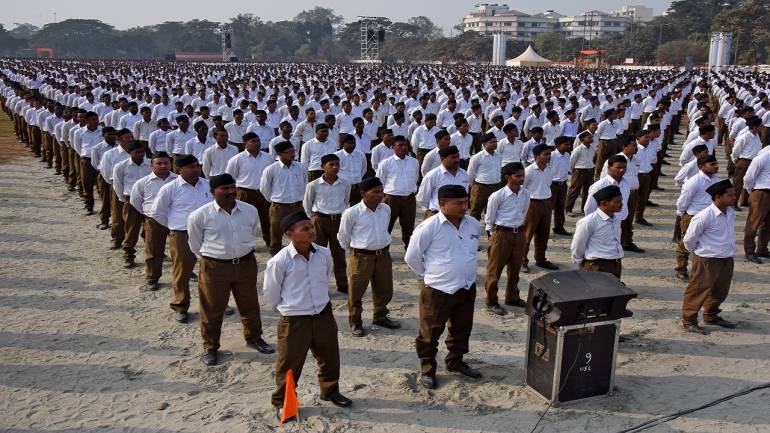
2. Time to Militarise Hindus, Hinduise the Nation
3. South Asia: Forward March of Majoritarianism
4. Dear Hitler
Section II
5. Veer of a different Kind
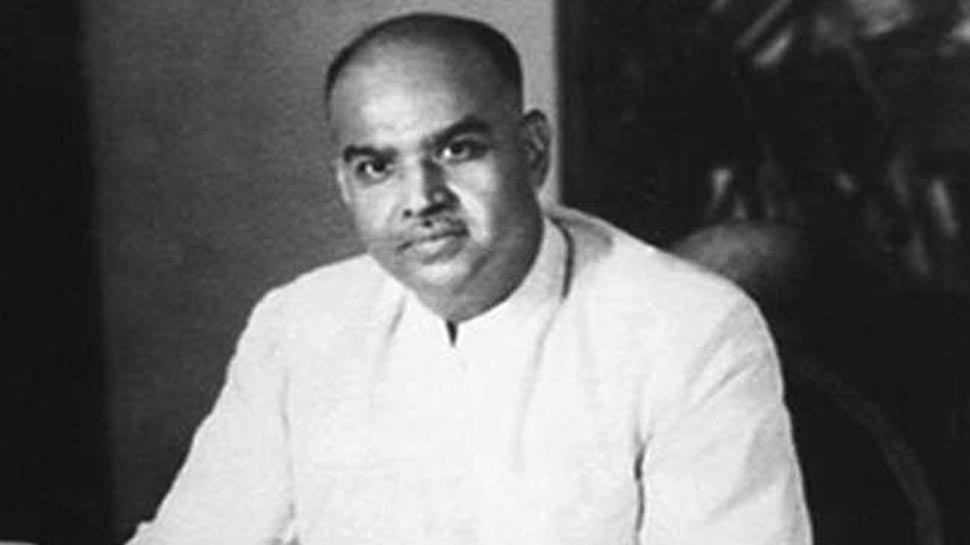
6. Can the Real Shyamaprasad Mukherjee Ever Stand Up?
7. Godse: In Love with the Assasin
8. Deendayal Upadhyay: BJP’s “Gandhi”
9. Many Silences of Mr Mohan Bhagwat
Section III
10. Hindutva’s Second Coming
Appendix IV
Nehru, Ambedkar and Challenge of Majoritarianism

Index
—–
About the author
Subhash Gatade ( born 1957) is a left activist, writer and translator.
He has done M Tech ( Mech Engg 1981) from BHU-IT, Varanasi.
He has authored few books including  Modinama : On Caste, Cows and the Manusmriti ( Leftword, in press), Charvak ke Vaaris ( Authors Pride, Hindi, 2018), Ambedkar ani Rashtriya Swayamsevak Sangh ( Sugava, Marathi, 2016), Beesavi Sadi Mein Ambedkar ka Sawal ( Dakhal, Hindi, 2014), Godse ki Aulad ( Pharos, Urdu, 2013) , Godse’s Children – Hindutva Terror in India (Pharos,  2011), The Saffron Condition ( Three Essays, 2011)
He also occasionally writes for children. Pahad Se Uncha Aadmi ( NCERT, Hindi, 2010)


संस्कृति की ज़मीन, बदलाव के बीज : रवि सिन्हा

Guest Post by Ravi Sinha
1.
मार्क ट्वेन ने कभी कहा था – धूम्रपान की आदत छोड़ने में मैं ख़ासा माहिर हूँ; यह काम मैंने हज़ारों बार किया है.सन्धान की यह केवल तीसरी शुरुआत है. वह भी काग़ज़ पर छप कर नहीं. अभी केवल वेब-पेज़ के रूप में. अतः यह दावा तो नहीं किया जा सकता कि हमलोग शुरुआत करने के विशेषज्ञ हो गए. बल्कि ये मनायें कि इस मामले में ट्वेन सरीखी महारत न हासिल हो. इरादा नयी शुरुआत का और हौसले दूर तक चलने के हों तो फिर से शुरू करने में कोई बुराई नहीं है.
हज़ारों साल पहले एक्लेसियास्टीज़ की किताब में कहा गया था – जो हो चुका है, वही फिर होगा. जो किया जा चुका है, वही फिर किया जायेगा. सूरज के तले कुछ भी नया नहीं है. लेकिन दूसरी तरफ़ हेराक्लिटस का कहना था – तुम एक ही नदी में दो बार पाँव नहीं रख सकते. पानी हर पल बदल चुका होता है. अगला पाँव नयी नदी में पड़ेगा.बुद्धिमानी शायद इसमें हो कि एक जेब में एक्लेसियास्टीज़ और दूसरी में हेराक्लिटस को रख कर चला जाय. एक कुछ बिल्कुल नया कर गुज़रने के घमण्ड को क़ाबू में रक्खेगा तो दूसरा नये का सामना करने की हिम्मत देगा. जो हो चुका है वही फिर होगा तो भी कुछ नया होगा. और, उम्मीद है, जो कहा जा चुका है वही फिर से कहा जाय तो भी कुछ नया कहा जायेगा और अर्थ कुछ नये निकलेंगें. समय की उसी नदी में आप दो बार पाँव नहीं रख सकते.
और, इस नदी में त्वरण है. समय के बदलने की रफ़्तार बदल चुकी है. पिछली एक सदी में जितना कुछ हुआ है, उतना पहले के हज़ार सालों में नहीं हुआ था. इन्सानी इतिहास का प्रवाह समय के उबड़-खाबड़ भूगोल से गुज़रा है. थोड़ी देर का समतल थके विजेताओं को उस असीम-अनन्त चरागाह की तरह दिखने लगता है जिसकी खोज में वे पाँच सौ या पाँच हज़ार साल पहले निकले थे. इतिहास के अन्त की घोषणाएँ होती हैं. लेकिन घोषणाओं की समाप्ति के पहले ही समय का समतल समाप्त होने लगता है. आगे कुछ के लिये ख़तरनाक ढलान है तो दूसरों के लिये कठिन चढ़ाई है.

Continue reading संस्कृति की ज़मीन, बदलाव के बीज : रवि सिन्हा

‘विश्व गुरु का सत्य’ और ज्ञान की दूसरी परम्परा : धीरेश सैनी

Guest Post by Dheeresh Saini – Review of ‘Charvak ke Vaaris’

 `चार्वाक के वारिस` को पढ़ते हुए ही मुझे हिंदी के आलोचक और जेएनयू के रिटायर्ड प्रोफेसर नामवर सिंह के निधन की ख़बर मिली। एक ऐसी किताब को, जो भारतीय समाज-संस्कृति में अतीत से लेकर आज तक ज्ञान-विज्ञान की विभिन्न प्रगतिशील, विवेकवादी, तर्कवादी और विद्रोही धाराओं के प्रति वर्णवादी-ब्राह्मणवादी शक्तियों के हिंसक रवैये की पड़ताल करती हो, पढ़ते हुए विचलित होते चले जाना स्वाभाविक था। Continue reading ‘विश्व गुरु का सत्य’ और ज्ञान की दूसरी परम्परा : धीरेश सैनी

‘Mother to Indians’ Kasturba, Bose versus Hindu Sangathanists

Image result for kasturba gandhi

“Kasturba Gandhi is no more. She died at the age of 74 in British jail….I salute this great woman who was like a mother to Indians ….Kasturba was an inspiration for millions of Indian girls with whom she lived and met during the freedom struggle of our motherland. She was party to the many travails and tribulations of life with her great husband since the days of Satyagrah in South Africa.. She went to jail many times, which severely impacted her health but she did not fear going to jail even at the age of 74 years. When Mahatma Gandhi led the Civil Disobedience Movement, Kasturba was in the forefront of that struggle’

With these words Subhash Chandra Bose remembered Kasturba when she expired in detention at Agha Khan Palace – which had in fact been turned into a jail – on 22 nd February 1944. History bears witness to the fact that it was a death precipitated by the callous and ruthless colonial rulers who had refused to release her despite her worsening medical condition. She had been suffering from heart disease for more than four months. She also had a heart attack during this period. Continue reading ‘Mother to Indians’ Kasturba, Bose versus Hindu Sangathanists

A Statement against Suppression of Dissent by IACLALS

We are publishing below a statement sent to us by the Indian Association of Commonwealth Literature and Language Studies against the suppression and criminalizing of dissent in India

The Indian Association of Commonwealth Literature and Language Studies (IACLALS) expresses its deep dismay over the continuing assault on civic freedoms and constitutional rights of writers, teachers, students, human rights activists and public intellectuals in the country. The current political climate of fear and intimidation – fuelled and vindicated by the state and the ruling party – has simultaneously targetted entire communities through a range of religious-ethnic violence, as much as it has sought to silence conscientious voices that have spoken up against such onslaughts. Vacuous rhetorical constructions like “anti-national” and “urban naxal” – with no basis in fact or in principles of democratic governance – have been repeatedly manufactured as the grounds for punitive-legal action and media trials, through the invoking of outdated colonial codes like the sedition laws. The latest of these forms of orchestrated witch-hunt has seen the attempted arrest or chargesheeting of Hiren Gohain, Anand Teltumbde and of several JNU students – in the cause of raking up an electoral consensus against the spirit of scientific inquiry and free-thinking.

The IACLALS’ academic investments have engaged with and gained from the works and ideas of these scholars, who now face the ire of the state. As a scholarly association, we believe in the need and power of a critical public sphere, as the only promise of a living democracy. We stand in firm solidarity with them, and strongly condemn every attempt being made at gagging forms of dissent and enforcing regimes of censorship.

Pondicherry University, Feb. 8, 2019.

GJV Prasad (Chariperson), Subhendu Mund and M. Asaduddin (Vice Chairpersons), Rina Ramdev (Secretary), Angelie Multani (Treasurer)