All posts by subhash gatade

Militarising Minds, Hindutvaising the Nation

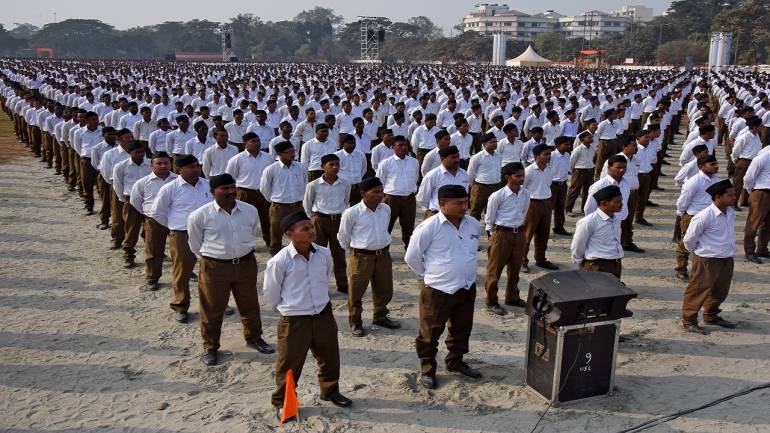
A military school under RSS is worrisome because of earlier experiences, such as the Malegaon and Nanded blasts, that were concretised with the intervention and involvement of Hindutva activists.

RSS military school

Representational image. | Image Courtesy: Money Control

Rare are the occasions when the Rashtriya Swayamsewak Sangh (RSS) — which could be said to be the biggest organisation of Hindu men — moves beyond its founder member Dr Hedgewar to build memorials.

Whatever might be the consideration behind it, but it came as a little surprise that the RSS has decided to start a school in the memory of its first non-brahmin and non-Maharashtrian supremo Rajendra Singh alias Rajju Bhaiya (1922-2003), who was its chief from 1994-2000. This proposed ‘Rajju Bhaiya Sainik Vidya Mandir’, will be set up in Shikarpur tehsil of Bulandshahr district, where the former supremo was born and it will start functioning from next year.

Vidya Bharati, the education wing of the RSS, which already runs 20,000 schools across India, would be running this military school as well. It is being said that this Army School will follow the Central Board of Secondary Education (CBSE) curriculum and will have classes running from Class 6 to Class 12.

Normally, an idea to start a school is met with jubilation, but this news has caused an opposite effect. From educationists, to social activists to political leaders, one can hear voices of concern.

( Read the full article here : https://www.newsclick.in/RSS-Military-School-Uttar-Pradesh-Hindutva)

Return of Hindutva: A Challenge for Secularism

Guest Post by Gargi Chakravartty

BOOK REVIEW

Hindutva’s Second Coming by Subhash Gatade; published by Media House, Delhi; 2019; pages: 272; Rs 395 (US $ 18).

The return of Modi to power with a huge margin in this 2019 election is a clear verdict for the Hindutva plank. Why and how it happened leave us, the secular billions, to ponder about the reality and its aftermath. And at that juncture Subhas Gatade’s 272-page analysis titled ‘Hindutva’s Second Coming’ gives us something concrete to think over once again. This in-depth study with rich academic perception is a commendable work, bereft of jargons and convoluted expressions, often found in books written from a high pedestal which goes beyond the mental reach of lay readers. Precisely for this reason the author needs to be specially acclaimed for bringing out facts at one place based on notes and references which are so far scattered in divergent historical materials. It serves as a Reader for millions who are combating communalism and distortion of history at the grassroot level.

( Read the full text here : http://www.mainstreamweekly.net/article8847.html)

मोदीनामा : हिंदुत्व का उन्माद


मई 2019 में नरेंद्र मोदी के नेतृत्व में हिंदुत्ववादी दक्षिणपंथी भारतीय जनता पार्टी ने शानदार चुनावी जीत हासिल की।

यह जीत सामान्य समझ को धता बताती है – जीवन और आजीविका जैसी आधारभूत बातें इस चुनाव का मुद्दा क्यों नहीं बन पाईं? ऐसा क्यों है कि सामान्य और सभ्य लोगों के लिए भी

हिंदुत्व के ठेकेदारों की गुंडागर्दी बेमानी हो गई? क्यों एक आक्रामक और मर्दवादी कट्टरवाद हमारे समाज के लिए सामान्य सी बात हो गई है? ऐसा क्यों है कि बेहद जरूरी मुद्दे आज गैरजरूरी हो गए हैं?

ये सवाल चुनावी समीकरणों और जोड़-तोड़ से कहीं आगे और गहरे हैं। असल में मोदी और भाजपा ने सिर्फ चुनावी नक्शों को ही नहीं बदला है बल्कि सामाजिकं मानदंडों के तोड़-फोड़ की भी शुरूआत कर दी है।

यह किताब प्रधानमंत्री के तौर पर मोदी के पिछले पांच वर्षों की यात्रा को देखते हुए आने वाले पांच वर्षों के लिए एक चेतावनी है।

978-81-940778-5-5

LeftWord Books, New Delhi, 2019

Language: Hindi, 131 pages, 5.5″ x 8.5″

Price INR 195.00 Book Club Price INR 137

(https://mayday.leftword.com/catalog/product/view/id/21471)

SUBHASH GATADE
Subhash Gatade is a left activist and author. He is the author of Charvak ke Vaaris (Hindi, 2018), Ambedkar ani Rashtriya Swayamsevak Sangh (Marathi, 2016), Godse’s Children: Hindutva Terror in India (2011) and The Saffron Condition (2011). His writings for children include Pahad Se Uncha Aadmi (2010).

Will India Remember Dadri’s Akhlaq, as Germany Recalls Victims of Nazi Barbarism?

The German acceptance for stolpersteine plaques helps them honour victims of Nazism. One wonders if it will ever be possible to take up similar projects in this part of South Asia.

Germany Recalls Victims of Nazi Barbarism

Hier Wohnte Bernhard Marx

JB 1897

Deportiert 20.07.1942

Minsk

Ermordet 24.07.1942

‘Here lived Bernhard Marx

Year of Birth 1897

Deported 20.07.1942

Minsk

Assassinated 24.07.1942’

It was while walking past a desolate street in Bonn that we stumbled upon some brass plates on which the names of the members of a family were engraved. The name Bernhard, supposedly the head of this family, was engraved on the first plate, followed by three to his right: Erna Marx Geb Hartman, (born 1899), Helena (1929) and Julie (1938).

This was an ill-fated Jewish family from Bonn, deported to the dreaded Minsk concentration—rather extermination—camp that was brutally murdered just four days after they got there. The youngest, Julie was barely four when she died.

Estimates of how many died in this camp over a period of two years vary but at least 65000, mainly Jews, perished there until it was liberated by the Soviet forces.

The young researcher who was our host and guide to the city said that the brass plaques, raised on stone, are called stolpersteine. Stolper means to stumble in German and steine means stone. The idea behind erecting stolpersteine is to raise awareness about events that took place in the late thirties and early forties in this region, when millions of innocent people—Jews, Romas, Jehovah’s Witnesses, homosexuals and political dissidents—were sent to the gas chambers or brutally killed by the Nazi regime.

( Read the full article here : https://www.newsclick.in/India-Remember-Dadri-Akhlaq-Germany-Victims-Nazi-Barbarism)

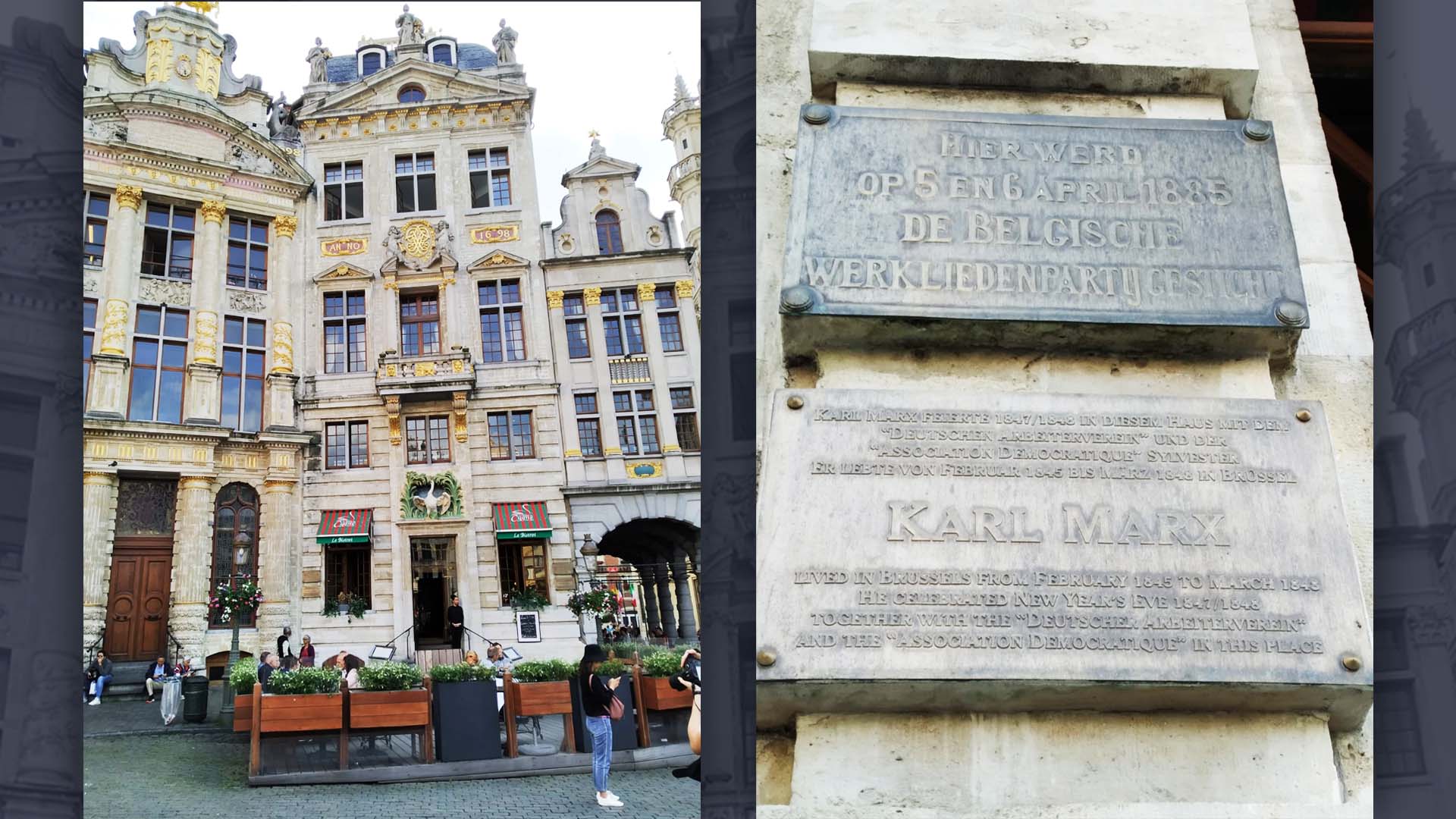
Marx in Brussels

The most remarkable development during his time in Brussels was the penning down of the Communist Manifesto, which firmly established Marx as well as Engels as the intellectual leaders of the working class movement.

Marx in Brussels

Karl Marx

Lived in Brussels from February 1845 to March 1848

He celebrated New Year’s Eve 1947/48 together with the “Deutscher Arbeiterverein” and the “Association Democratique” in this place

The plaque put on a building which housed a restaurant ‘Le Cygne, The Swan’ now is the only memory left of the days when history was ‘made’ here. According to legend, it is the same place ‘[w]here the First International had convened’  and Marx and his lifelong friend and comrade Engels ‘[h]ad written the Communist Manifesto’.

No doubt it was the same place when Marx, Engels, Mozes Hess – who was another early luminary of socialism and who supposedly had influenced Engels about communism – and other associates of the surging workers movement pondered over many of those ideas which have been memorialised in the opening sentences of the Manifesto, “A spectre is haunting Europe — the spectre of communism….”

May be the historic slogan ‘Workers of the World Unite, You have nothing to lose but your chains’ which later reverberated throughout the world – whose echoes are still heard – had its ‘humble’ beginning in one of those very rooms, where Marx and his close associates used to educate workers about their exploitation.

Scores of people sitting in this particular restaurant which was serving them sumptuous food and choicest drinks were completely oblivious of all those details. Few of them rather looked at us with a sense of disbelief and dismay, when they witnessed us taking photos of the nondescript wall which had the plaque put on it. Perhaps they looked more satisfied that they are enjoying food at a place which is situated on the Grand Place or Grote Markt, which is the central square of Brussels and is considered one of the most beautiful squares in Europe and is also part of UN Heritage.

( Read the full article here : https://www.newsclick.in/karl-marx-in-brussels)

Modinama : Issues That Did Not Matter

In May 2019, the party of the Hindu Right, Bharatiya Janata Party, under Narendra Modi, won a spectacular electoral victory.

The victory seemed to defy common sense – why did conversations of life and livelihood not dominate the election? Why did the thuggery of the Hindutva vigilantes seem inconsequential to vast numbers of ordinary, decent people? Why is an aggressive, masculine fundamentalism so normalized in our society today?

In other words, why didn’t the issues that matter, seem to matter? The question goes deeper than electoral arithmetic. It asks if Modi and the BJP have not only changed the electoral map, but also begun to corrode social norms.

This book, based on Modi’s first five years as prime minister, is a warning for the next five.

SUBHASH GATADE

Subhash Gatade is a left activist and author. He is the author of Charvak ke Vaaris (Hindi, 2018), Ambedkar ani Rashtriya Swayamsevak Sangh (Marathi, 2016), Godse’s Children: Hindutva Terror in India (2011) and The Saffron Condition (2011). His writings for children include Pahad Se Uncha Aadmi (2010).

978-81-934666-9-8

LeftWord Books, New Delhi, 2019

Language: English

128 pages, 5.5″ x 8.5″

Price INR 195.00 Book Club Price INR 137.00

(https://mayday.leftword.com/catalog/product/view/id/21450)


Gujarat Today Could be What ‘Hindu Rashtra’ Will Look Like for Dalits

The recent spate of attacks on dalits in the state is an indicator of the fact that the unfolding project of RSS’s Hindu Rashtra has entered a new phase where the community is being construed as the ‘new other’.

Hindu Rashtra

When I was born, I was not a child

I was a dream, a dream of revolt

that my mother, oppressed for thousands of years,

dreamt.

Still it is untouched in my eyes

Covered with wrinkles of thousand years, her face

her eyes, two lakes overflowing with tears

have watered my body….

– Sahil Parmar (Noted Gujarati Poet)


‘You are Welcome to Enter … Village of Hindu Rashtra’!

It was around two decades ago that headlines in a few national newspapers reported the ‘arrival’ of Hindu Rashtra in parts of Gujarat. A few inquisitive journalists had even displayed photographs detailing the nascent phenomenon then.

The shock generated by the news died down in a short while.

Hardly anybody then could have a premonition that it won’t take much time for the idea of Hindu Rashtra to gain wider acceptability across India with a commonsense gaining ground rather getting consolidated where religious minorities were increasingly understood as ‘the other’.

Could it be said that the recent spate of attacks on dalits — leading to at least three deaths in the past one month in the same state, coupled with growing instances of life of insecurity of many concerning their lives or their continued deprivation by the dominant castes, is an indicator of the fact that the unfolding project of Hindu Rashtra has entered a new phase where dalits are being construed as the ‘new other’, one who could wreck the project of ‘Hindu Unity’ from within.

Perhaps it is too early to draw any such conclusion, but portents are there for everyone to see.

( Read the full article here : https://www.newsclick.in/Hindu-Rashtra-Gujarat-BJP-RSS-Dalits)

Caste and other demons

Can Dalits rightfully claim that they have a ‘homeland’?

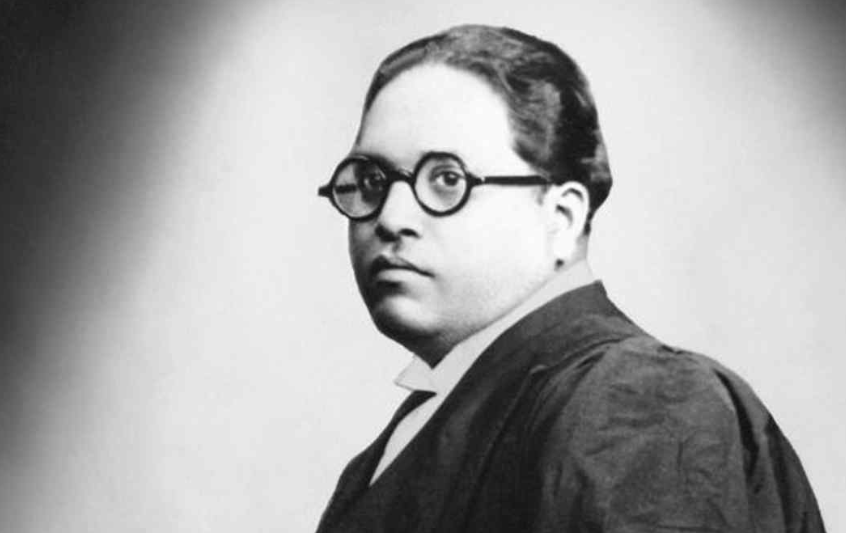
Dr Babasaheb Ambedkar

( Review of The Doctor and the Saint: The Ambedkar-Gandhi Debate — Caste, Race, and Annihilation of Caste; By Arundhati Roy, Penguin, Rs 299)

“Gandhiji, I have no homeland.” The first meeting between Gandhi and B.R. Ambedkar, who later became chairman of the drafting committee of independent India’s Constitution and its first law minister, is memorialized in this sentence. It expresses the centuries-old plight of those most oppressed in the varna hierarchy under the “institutionalised social injustice at the heart of the country”.

Has there been a qualitative change in the situation of the ‘ex-untouchables’ since this meeting some 90 years back? Can Dalits rightfully claim that they have a ‘homeland’? Figures collated by National Crime Records Bureau show that “a crime is committed against a Dalit by a non-Dalit every sixteen minutes”, including four rapes a day and murders of 13 Dalits every week. And these figures do not include “the stripping and parading naked, the forced shit eating, the seizing of land and the social boycotts…” This is the backdrop of the book, The Doctor and The Saint: The Ambedkar-Gandhi Debate — Caste, Race, and Annihilation of Caste by Arundhati Roy. It earlier formed part of an introduction to an annotated 2014 edition of Annihilation of Caste — the historic pamphlet Ambedkar wrote when invited by the ‘Jat Paat Todak Mandal’ in Lahore. The invitation was withdrawn after the hosts read the lecture draft. Continue reading Caste and other demons

How Many More ‘Halal’ Ponzi Schemes?

It is important to note that the very idea of Islamic banking and promoting it as a parallel to conventional banking – which is being portrayed as un-Islamic – and which has caught the imagination of a section of god-fearing Muslims, is a clear manifestation of shifts in Muslim politics over the world.

'Halal' Ponzi Schemes

Image for representational use only.Image Courtesy : Business Today

Afzal Pasha, a 55-year-old labourer, is dead. He died of a heart attack a few days back.

The news that the attractive scheme in which he had invested his life’s savings worth Rs 8 lakh went bust proved unbearable for him.

While Afzal’s tragic death could catch headlines, we will never know the plight of the thousands of investors – all of them belonging to the Muslim community – who had similarly invested their hard-earned savings in the said investment scheme launched by Mohammed Mansoor Khan in 2006 through his firm I Monetary Advisory (IMA).

The scheme was declared ‘Shariah-compliant’ and worked on ‘“no interest” policy of Islamic banking. A section of the clergy had even certified this scheme as “halal”, which means “lawful” or “permitted” in Arabic, which helped it easily earn the trust of the Muslim community. Small investors from across the state of Karnataka had flocked to it with their investments ranging from a few thousand rupees to a few lakhs.

A few days back, the promoter of IMA just disappeared from Bengaluru and is supposed to have fled to Dubai.

Continue reading How Many More ‘Halal’ Ponzi Schemes?

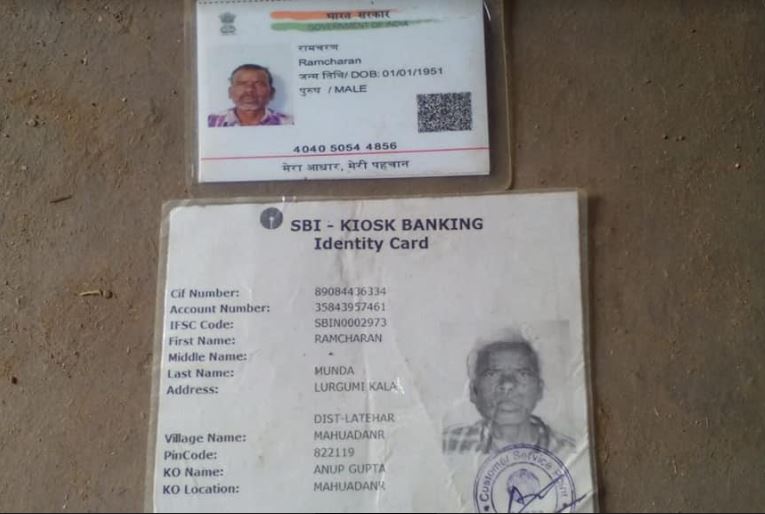
रामचरण मुंडा की मौत पर दो मिनट का मौन!

सोचने का सवाल है कि क्या इन मौतों को महज तकनीकी गड़बड़ियों तक न्यूनीकृत किया जा सकता है? क्या इसके कोई संरचनागत कारण नहीं हैं? ‘आखिर अधिक अनाज पैदा करने के बावजूद हम भूख की समस्या को मिटा क्यों नहीं पा रहे हैं।
Munda

‘‘रामचरण मुंडाउम्र 65 साल को विगत दो माह से सार्वजनिक वितरण प्रणाली के तहत राशन नहीं दिया गया था। हमारे अधिकारियों ने इसकी सत्यता की पड़ताल की है।’’

लातेहारझारखण्ड के डिप्टी कमीशनर जनाब राजीव कुमार द्वारा लातेहार के दुरूप गांव के रहने वाले उपरोक्त आदिवासी की मौत पर की ऐसी स्वीकारोक्ति बहुत कम देखने में आती है।

अपनी पत्नी चमरी देवी और बेटी सुनिला कुमारी के साथ रामचरण गांव में ही रहते थे उनके बेटे की मौत दो साल पहले टीबी के चलते हुई थी। राशन डीलर की बात मानें तो चूंकि इलाके में इंटरनेट की सेवा में दिक्कते हैंऔर राशन वितरण के लिए ऑनलाइन बायोमेट्रिक सिस्टम कायम किया गया हैइसलिए रामचरण को अनाज नहीं दिया जा सका था।

इस मामले की असलियत कभी सामने आएगी इस पर संदेह है।

वैसे भूख से होने वाली मौतें अब देश में अजूबा चीज़ नहीं रही।

दो साल पहले झारखण्ड के ही सिमडेगा जिले के कारीमाटी गांव की 11 वर्षीय हुई संतोषी की मौत के बाद ऐसी मौतों पर लोगों एवं समाज की अधिक निगाह गयी थी। पता चला था कि पूरा परिवार कई दिनों से भूखा था और राशन मिलने के भी कोई आसार नहीं थे क्योंकि राशन कार्ड के साथ आधार लिंक न होने के चलते उनका नाम लिस्ट से हटा दिया गया था। अपनी मां के गोद में ‘भात भात कहते हुए दम तोड़ी संतोषी की दास्तां ने लोगों को विचलित किया था।

( Read the full article here : https://hindi.newsclick.in/raamacarana-maundaa-kai-maauta-para-dao-mainata-kaa-maauna)

God in the Classroom!

Unfolding Debate about Secularising Education

( To be published in ‘Indian Journal of Secularism)

“There is in every village a torch – the teacher; and an extinguisher – the priest.”
-Victor Hugo

Introduction
“Keep the words God, Jesus and the devil out of the classroom.”

A school teacher’s message on the first day of the school for first-grade students had caused tremendous consternation among a section of the parents.

She had a simple rationale to present her proposal. With their being a public school with children coming from different religions and beliefs joining it, she did not “[w]ant to upset a child/parent because of these words being used,” In her letter she had also advised them to talk to the children when they go to the church/temple/synagogue – whatever might be the case – or discuss the issue at home at an appropriate time and place of talking about it.” (https://www.indystar.com/story/news/education/2017/08/30/teacher-tells-first-graders-dont-talk-god-classroom/612118001/)

Well, instead of the discussion getting fixed on the slow imposition of the concept of God or closing of child’s minds it turned into a debate on students’ free speech rights. It did not take much time for the management of the school to rescind this proposal.

There is nothing new about this dilemma faced by a teacher who has welfare of students at the center of her/his concerns. Continue reading God in the Classroom!

Picking Humanity Over Religion: A Small but Critical Step

The idea of education being imparted without any compulsion to declare one’s religion is definitely a welcome thing

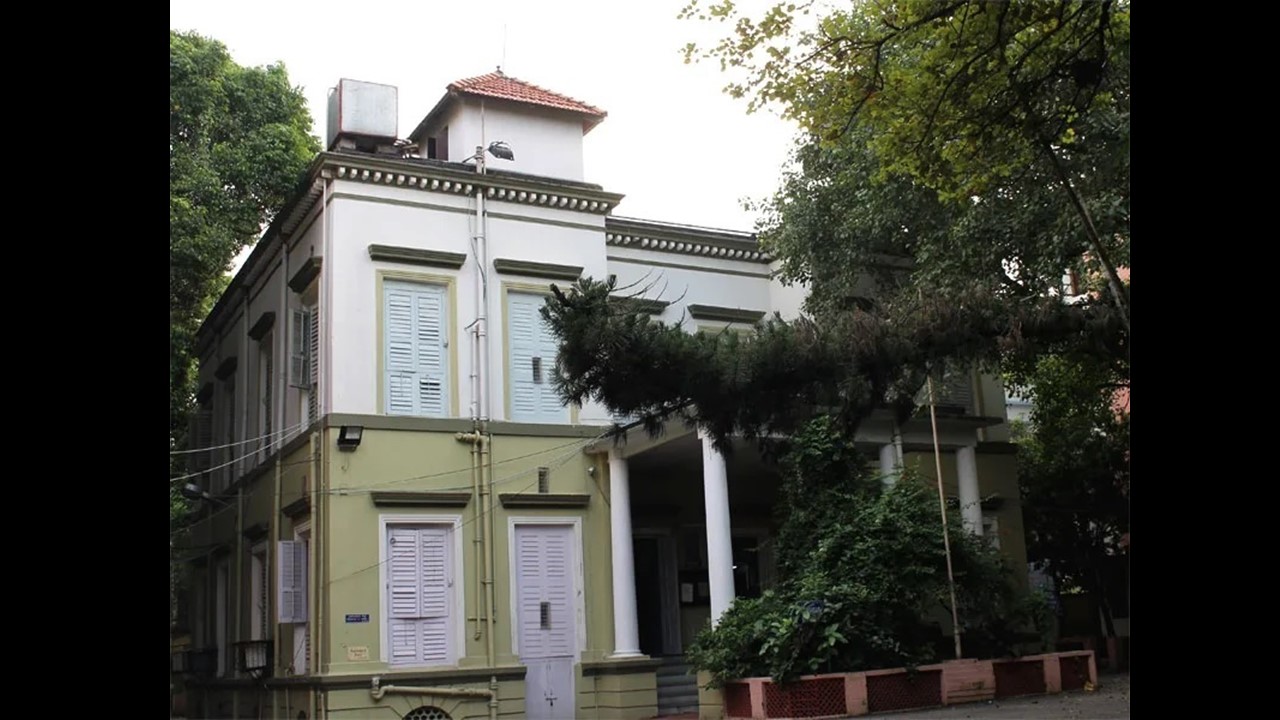
Bethune_College_Kolkata

Principal’s office of Bethune College, Kolkata, which included Humanity as an option under the religion category. Image Courtesy: college dunia


A college admission form introducing new options under ‘religion’? Talking about humanity, secular, non-religious, atheism!

Well, in an ambience loaded with religiosity and its increasing conflation with the State, it is rather difficult to believe that some colleges may take such a creative step to convey how they see what is happening around them? No doubt this is a small step but, as noted by analysts, this is an attempt to break/challenge the ‘construction of identity, thought and social and political space, indirectly conveying the vision of a secular and diverse India.’

The significance of this little step can be better understood if one looks into the fact that the elections held to the 17th Lok Sabha — which has returned the Bharatiya Janata Party (BJP) to power — have demonstrated that BJP is ‘the most preferred party of young India’. It drew support cutting across caste as well as class lines. This is the same BJP which, along with its ‘Parivar’ siblings, has consciously tried to conflate religion with exercise of power and has been successful in collapsing the majority faith into rabid nationalism that targets differences and dissent and other specific groups, as the ‘other’ according to its worldview.

( Read the full article here : https://www.newsclick.in/Religion-Humanity-College-Admissions-BJP-School-Education)

Arming Children, Securing a Future?

By distributing knives to meritorious children, organisations like the Hindu Mahasabha, are trying to give religious legitimacy to what is essentially a political use of faith.

Hindu Mahasabha distributing knives to children

Image courtesy: Twitter

What does an organisation do when it wants to congratulate meritorious students who have excelled in exams?

Reward them with some gifts, say, books, and (if finances allow) give them scholarships or laptops to facilitate their further studies. Definitely not gift them knives.

Well, Pooja Shakuni Pandey, the national secretary of Hindu Mahasabha, who had been making news for controversial reasons for more than a year, exactly did this on Savarkar Jayanti. This mathematics professor made it clear that she was not much interested in how they study further or what they wanted to become. With this knife distribution programme, along with a copy of Bhagwad Gita, she wanted to ‘create Hindu soldiers out of these children’ and it was basically a “[s]tep to motivate Hindus and empower them, especially the younger generation, with knives to protect themselves.”

( Read the complete text here : https://www.newsclick.in/Hindu-Mahasabha-Distributing-Knives-Meritorious-Children-Political-Use-of-Religion)

Modi 2.0: Majoritarianism Normalised?

This election verdict will have vital ramifications for democracy’s onward journey for decades together, and silencing and further invisibilisation of religious minorities would be its logical outcome.

minorities in india

“The crisis consists precisely in the fact that the old is dying and the new cannot be born; in this interregnum a great variety of morbid symptoms appear.”  — – Gramsci

A journalist friends’ prophesy has finally come true.

The day India launched ‘surgical strikes’ across the border supposedly to avenge the Pulwama terror attack, this friend immediately sent a message on a WhatsApp group that Narendra Modi has ensured himself a second term. He stood his ground despite few heated exchanges on the group from Left leaning friends.

In the coming days, this not so expected debacle of the secular camp and the surge of the Hindutva Supremacist camp in newer areas and communities would be further analysed/debated/discussed from various angles. It will be debated why despite the caution expressed by the likes of Amartya Sen, who had concluded how India has taken “a quantum jump in wrong direction since 2014”; how despite being cautioned by leading scholars, intellectuals, scientists of our times that the  very idea of India is at stake in the elections, the people in general did not pay any heed to their appeals and have resolved to continue the journey with a renewed frenzy in the same direction or have fully supposedly embraced this idea of ‘New India’ jettisoning the old one. Remember, not only has the Bharatiya Janata Party (BJP) been able to garner more seats than last time but its vote share has also increased more than 5%.

(Read the full text here : https://www.newsclick.in/Minorities-India-Silenced-Modi-Reelection-BJP-Majoritarianism-RSS)

Rainbow Social Coalition – To What End ?

Image may contain: 3 people, people smiling, people sitting and outdoor


USS passe rani hai, iss passe Gandhi!
(“On that side is the Queen, on this is Gandhi)
(https://indianexpress.com/elections/patiala-dharamvira-gandhi-aap-elections-2019-bjp-congress-5726029/)

Nawan Punjab Party’s candidate ex MP Dr Dharamvira Gandhi’s election campaign and the way he projected his appeal as ‘battle against the royals’ had rightly evoked interest in a section of the media as well as pro-people circles.(https://www.newsclick.in/electoral-mobilisation-vehicle-rainbow-social-coalition)

It is of interest to know that in this era of money and muscle power politics the campaign was largely run on support generated by people. What is also notable (-do-) that the campaign was successful in building a social coalition – cutting across various fissures in our society – and could challenge “populist fascism of the Bharatiya Janata Party, patronage-based populism of the Congress, and a fractious identity politics of SAD which cannot see beyond its narrow aims. “. Continue reading Rainbow Social Coalition – To What End ?

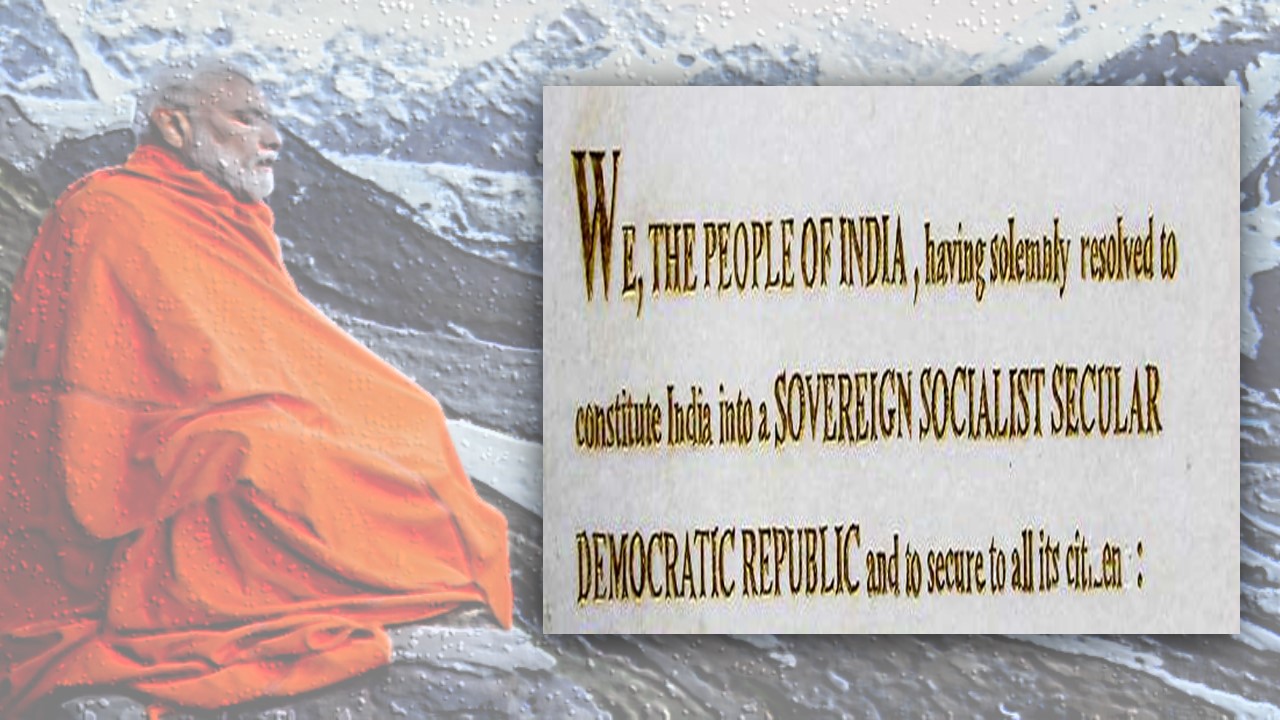
Modi’s Meditation ‘Tour’

The art of legitimising religiosity in a secular country and live happily ever after.

Modi in KedarnathReligion is regarded by the common people as true, by wise people as false and by the rulers as useful. — Seneca (4 BC-AD65)

A picture is worth a thousand words.

An outgoing Prime Minister of the ‘world’s biggest democracy’ seen meditating under the glare of cameras in a cave specially opened for the occasion and with a dress stitched for the event, conveys many things simultaneously.

First and foremost, it tells us that the present incumbent to the post would at least be remembered for his varied sartorial tastes among the galaxy of PMs who headed the republic earlier. It appears that either all the others lacked the sense to dress for the occasion or found it a mundane job not befitting the post and the responsibilities they held then. Continue reading Modi’s Meditation ‘Tour’

Cyclone Fani: Prejudice in Times of Natural Disasters

Caste discrimination, even while faced with a calamity, is a clear outcome of the brahminical ideology of purity and pollution that has permeated deep into Indian society.

Cyclone Fani: Prejudice in Times of Natural Disasters

Image Courtesy: Al Jazeera

“[U]ntouchability, is a kind of disease of the Hindus…it is a mental twist…. I do not know how my friend is going to untwist the twist which the Hindus have got for thousands of years unless they are all sent to some kind of hospital.’ Dr B.R.Ambedkar , 1954

Cyclone Fani is over.

Despite being one of the strongest cyclones to hit India in last two decades the manner in which the state most affected by it — Odisha — was successful in keeping loss of life and numbers of affected people to a minimum has earned it kudos even from its critics.

People are slowly trying to pick up threads to restart their lives

It is rather difficult to say whether it will be easy for dalit villagers of Baripada village — part of Patali panchayat — to do so, who had to endure callous and inhuman behaviour from their own village brethren, during the stormy winds. Around 85 of them from 25 families were denied entry to three shelters located within a radius of approximately four km by ‘upper caste’ people. Nandini (name changed) belonging to the Dom caste narrated how they had to ultimately take shelter beside an uprooted banyan tree, while it was raining heavily.

( Read the full text here : https://www.newsclick.in/cyclone-fani-prejudice-times-natural-disasters)

Dear Hitler

Why does Hitler’s legacy in India greatly differs from that in the West. More removed from the traumas associated with World War II and the Holocaust  

…………………………………………………………………….

..An innocent question sometimes comes up with very troubling answer(s).

J’admire ( I admire)… a simple exercise given to students to know from them whom they appreciate as a great historical figure or a hero, became a great learning experience for a teacher who taught French at a private school.

Writer and Journalist Dileep D’souza, who has authored many books, and writes on social-political causes shared the experience of his wife who posed the said question before them during a discussion. What she was expecting that they would mention Gandhi or Bhagat Singh or other luminaries of India’s struggle for freedom and progress but none of her predictions came true. There was a lone student whose choice was Mahatma Gandhi but nine out of 25 students in her class admired Hitler as hero or as a great historical figure. Continue reading Dear Hitler

Democracy as Majoritarianism

Extract from the Preface of  ‘Hindutva’s Second Coming’

Preface

Democracy as Majoritarianism

We can never forget that everything that Hitler did in Germany was ‘legal,’ and everything the Hungarian freedom fighters did was ‘illegal.’ It was ‘illegal’ to aid and comfort a Jew in Hitler’s Germany, but I am sure that if I lived in Germany during that time I would have comforted my Jewish brothers even though it was illegal… we who engage in nonviolent direct action are not creators of tension. We merely bring to the surface the hidden tension that is already alive.
— Martin Luther King, Jr

What is the signature of democracy?

It is the understanding that minority voices will be allowed to flourish and they will not be bulldozed.
At the apparent level majoritarianism – rule by majority – sounds very similar to democracy but it essentially stands democracy on its head. For real democracy to thrive, it is essential that ideas and principles of secularism are at its core. The idea that there will be a clear separation between state and religion and there won’t be any discrimination on the basis of religion has to be its guiding principle.
Majoritarianism clearly defeats democracy in idea as well as practice.
While democracy’s metamorphosis into majoritarianism is a real danger, under rule of capital – especially its present phase of neoliberalism – another lurking danger is its evolution into what can be called as plutocracy – government by the rich.
As India enters the race for elections to the 17 th Lok Sabha, these are the two broad questions which are staring in everyone’s mind, whether the same dynamic – which has made the last five years as unique in Independent India’s history – will continue or we will witness a rupture.
It is a disturbing scenario when the biggest democracy in the world seems to have taken a ‘[Q]uantum Jump In Wrong Direction Since 2014’ (Amartya Sen) – prompting even the normally reticient community of scientists to ask people to reject the politics which ‘.[d]ivides us, creates fears, and marginalises a large fraction of our society’ and remind them that “[D]iversity is our democracy’s greatest strength; discrimination and non-inclusivity strike at its very foundation.’
Whether there would be further normalisation of majoritianism or ordinary people’s desire to live a more inclusive, egalitarian life and in a less toxic world would ultimately triumph the designs of the hatemongers and secondly, whether free run being given to the crony capitalists and moneybags would be over and ideas of redistribution would make a comeback with vengeance.
What has added a new dimension to this dynamic is the existence of a ‘self proclaimed cultural organisation’ called RSS – whose principles, ideology and activities contravene the very basis of Constitution – which is de facto ruling the country. It is an organisation whose principles “[d]epicting Indian nationalism in terms of the faith of the religious majority – have serious negative social and political implications for sections of the citizen-body and are in violation of the Constitution.” ( http://caravandaily.com/rss-principles-are-in-violation-of-constitution-detrimental-to-india-hamid-ansari/)
It was exactly 42 years back that Indian people defeated the attempts to throttle the democratic experiment by their united struggle, whether they would be we able to have an encore when more secretive, sinister and communal forces are on ascent who are also popular among a significant section of people.
0 0
The central concern of the collection of essays (some of them published earlier and revised for this collection) presented here is this normalisation of majoritarianism which is taking place here. A situation where representation of the biggest religious minority in the outgoing Parliament had been at its lowest since independence and where it is being slowly invisiblised even from public discourse.
Section I tries to situate these developments in India in South Asian context and search for any commonality in the experiences of people and also looks at the societal roots for this fascination of hate filled ideologies and leaders.
Section II deals with the ‘pioneers of the Hindutva Supremacist movement and the new icons they want to present for a ‘New India’ which is supposedly taking shape under their wings. Section III tries to offer tentative suggestions to fight the menace which is trying to overwhelm the Indian republic.
….0 0
The book is dedicated to the memory of the legendary Indonesian author Pramoedya Ananta Tur (February 20, 1925 – April 30, 2006) who survived persecution, imprisonment and censorship, whose writings have inspired generations of Indonesian People,
What was remarkable that Pramoedya, a leftist, was jailed not only during the anti-colonial struggle but had to undergo a long phase of detention which started in mid-sixties when Indonesia witnessed a CIA sponsored military coup – which witnessed killings of lakhs of people. He was released from imprisonment in 1979, but remained under house arrest in Jakarta until 1992.
His tetralogy of novels – for which he is best known – ‘Buru Quartet’ was written during the tormenting period of detention only. “Is it possible,” Pramoedya asked later, “to take from a man his right to speak to himself?”


Glory to his memory !

—————————————————————

—————————————————————-

Contents

Dedication
Preface
Section I
1. India: The Road Less Travelled by
2. Time to Militarise Hindus, Hinduise the Nation
3. South Asia: Forward March of Majoritarianism
4. Dear Hitler
Section II
5. Veer of a different Kind
6. Can the Real Shyamaprasad Mukherjee Ever Stand Up?
7. Godse: In Love with the Assasin
8. Deendayal Upadhyay: BJP’s “Gandhi”
9. Many Silences of Mr Mohan Bhagwat
Section III
10. Hindutva’s Second Coming
Appendix IV
Nehru, Ambedkar and Challenge of Majoritarianism

Index
—–
About the author
Subhash Gatade ( born 1957) is a left activist, writer and translator.
He has done M Tech ( Mech Engg 1981) from BHU-IT, Varanasi.
He has authored few books including  Modinama : On Caste, Cows and the Manusmriti ( Leftword, in press), Charvak ke Vaaris ( Authors Pride, Hindi, 2018), Ambedkar ani Rashtriya Swayamsevak Sangh ( Sugava, Marathi, 2016), Beesavi Sadi Mein Ambedkar ka Sawal ( Dakhal, Hindi, 2014), Godse ki Aulad ( Pharos, Urdu, 2013) , Godse’s Children – Hindutva Terror in India (Pharos,  2011), The Saffron Condition ( Three Essays, 2011)
He also occasionally writes for children. Pahad Se Uncha Aadmi ( NCERT, Hindi, 2010)


संस्कृति की ज़मीन, बदलाव के बीज : रवि सिन्हा

Guest Post by Ravi Sinha
1.
मार्क ट्वेन ने कभी कहा था – धूम्रपान की आदत छोड़ने में मैं ख़ासा माहिर हूँ; यह काम मैंने हज़ारों बार किया है.सन्धान की यह केवल तीसरी शुरुआत है. वह भी काग़ज़ पर छप कर नहीं. अभी केवल वेब-पेज़ के रूप में. अतः यह दावा तो नहीं किया जा सकता कि हमलोग शुरुआत करने के विशेषज्ञ हो गए. बल्कि ये मनायें कि इस मामले में ट्वेन सरीखी महारत न हासिल हो. इरादा नयी शुरुआत का और हौसले दूर तक चलने के हों तो फिर से शुरू करने में कोई बुराई नहीं है.
हज़ारों साल पहले एक्लेसियास्टीज़ की किताब में कहा गया था – जो हो चुका है, वही फिर होगा. जो किया जा चुका है, वही फिर किया जायेगा. सूरज के तले कुछ भी नया नहीं है. लेकिन दूसरी तरफ़ हेराक्लिटस का कहना था – तुम एक ही नदी में दो बार पाँव नहीं रख सकते. पानी हर पल बदल चुका होता है. अगला पाँव नयी नदी में पड़ेगा.बुद्धिमानी शायद इसमें हो कि एक जेब में एक्लेसियास्टीज़ और दूसरी में हेराक्लिटस को रख कर चला जाय. एक कुछ बिल्कुल नया कर गुज़रने के घमण्ड को क़ाबू में रक्खेगा तो दूसरा नये का सामना करने की हिम्मत देगा. जो हो चुका है वही फिर होगा तो भी कुछ नया होगा. और, उम्मीद है, जो कहा जा चुका है वही फिर से कहा जाय तो भी कुछ नया कहा जायेगा और अर्थ कुछ नये निकलेंगें. समय की उसी नदी में आप दो बार पाँव नहीं रख सकते.
और, इस नदी में त्वरण है. समय के बदलने की रफ़्तार बदल चुकी है. पिछली एक सदी में जितना कुछ हुआ है, उतना पहले के हज़ार सालों में नहीं हुआ था. इन्सानी इतिहास का प्रवाह समय के उबड़-खाबड़ भूगोल से गुज़रा है. थोड़ी देर का समतल थके विजेताओं को उस असीम-अनन्त चरागाह की तरह दिखने लगता है जिसकी खोज में वे पाँच सौ या पाँच हज़ार साल पहले निकले थे. इतिहास के अन्त की घोषणाएँ होती हैं. लेकिन घोषणाओं की समाप्ति के पहले ही समय का समतल समाप्त होने लगता है. आगे कुछ के लिये ख़तरनाक ढलान है तो दूसरों के लिये कठिन चढ़ाई है.

Continue reading संस्कृति की ज़मीन, बदलाव के बीज : रवि सिन्हा

‘विश्व गुरु का सत्य’ और ज्ञान की दूसरी परम्परा : धीरेश सैनी

Guest Post by Dheeresh Saini – Review of ‘Charvak ke Vaaris’

 `चार्वाक के वारिस` को पढ़ते हुए ही मुझे हिंदी के आलोचक और जेएनयू के रिटायर्ड प्रोफेसर नामवर सिंह के निधन की ख़बर मिली। एक ऐसी किताब को, जो भारतीय समाज-संस्कृति में अतीत से लेकर आज तक ज्ञान-विज्ञान की विभिन्न प्रगतिशील, विवेकवादी, तर्कवादी और विद्रोही धाराओं के प्रति वर्णवादी-ब्राह्मणवादी शक्तियों के हिंसक रवैये की पड़ताल करती हो, पढ़ते हुए विचलित होते चले जाना स्वाभाविक था। Continue reading ‘विश्व गुरु का सत्य’ और ज्ञान की दूसरी परम्परा : धीरेश सैनी